
Flowers
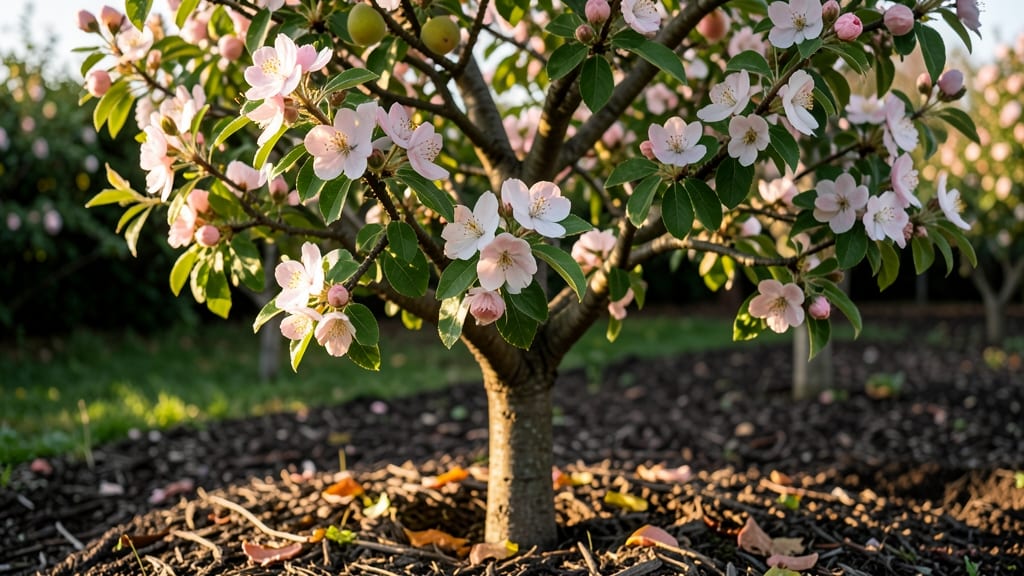
The peach tree flowers and fruit journey starts with those delicate pink blossoms that turn your yard into a springtime dream. ✨ I still remember the first time I watched my tree transform from bare branches to a cloud of blossoms—then to fruit—it’s like nature’s own magic show.
Understanding this timeline helps you time care perfectly, from pruning to thinning, so you end up with juicy peaches instead of a sparse harvest.
Peach trees bloom in late winter or early spring, and those flowers turn into tiny fruits within 4-6 weeks. The key? Pollination—either bees or wind must do their job, and pruning the year before helps maximize next season’s blooms.
I learned the hard way that skipping this step means fewer flowers, which means fewer peaches. The right timing makes all the difference between a handful of fruit and a tree heavy enough to bend branches.
By summer, those peaches grow fast, and that’s when thinning comes in—removing extra fruit ensures the ones left grow bigger and sweeter. My first thinning attempt was messy, but now I use sharp pruners and a steady hand.
The payoff? Peaches so sweet they practically melt in your mouth, and a tree that doesn’t snap under the weight. It’s worth the effort.
This process works for both organic and conventional growers, though organic methods take more patience. Whether you’re dealing with a young tree or a veteran, the same principles apply—just adjust for your climate. Next, we’ll dive into the exact steps to turn those blossoms into a harvest you’ll brag about.
📚 In This Guide
- What you need
- Instructions
- Tips and common mistakes
- Wrapping up and next steps
What you need
- ● Peach Tree: Choose a variety suited to your climate (e.g., Elberta, Redhaven, or J.H. Hale for cold-hardy options). For best results, opt for a 2- to 3-year-old bare-root or container-grown tree from a reputable nursery.
- ● Well-Draining Soil: Aim for a mix of loamy soil with a pH of 6.0–7.0. Amend heavy clay or sandy soil with 2–4 inches of compost or aged manure before planting.
- ● Fertilizer: Balanced fertilizer (10-10-10 or 8-8-8) at planting time (follow package rates).
- ● Slow-release nitrogen fertilizer (e.g., 21-0-0 or 16-4-8) in early spring and summer for fruit development.
- ● Mulch: 3–4 inches of organic mulch (wood chips, straw, or pine bark) to retain moisture and regulate soil temperature.
- ● Garden tools: Trowel, shovel, pruning shears (sterilized with rubbing alcohol), and loppers for shaping.
- ● Watering supplies: Drip irrigation system or 5-gallon watering can for deep, consistent watering.
- ● Protective gear: Gloves (for handling thorns) and a lightweight long-sleeve shirt to avoid scratches.
- ○ Optional but helpful: Soil moisture meter to monitor watering needs.
- ● Fruit tree spray (e.g., Neem oil or copper fungicide) for pest/disease prevention.
- ● Bird netting (70% shade cloth) to protect blossoms/fruit from wildlife.
- ● Location: Full sun (6–8 hours daily) and sheltered from strong winds (peach trees are sensitive to late frosts).
- ● Climate: Peach trees thrive in USDA Zones 5–9. Check your local frost dates to time planting and pruning.
- ● Pollination: Most peach trees are self-pollinating, but planting a second tree nearby can boost fruit set.
Step-by-step guide to maximizing peach tree fruit set
Here’s how to turn those stunning spring blooms into a bumper peach harvest.
🌸 Step 1: Monitor Pollination During Full Bloom
Peach trees need cross-pollination for fruit set, so watch for bees and other pollinators during the 7-10 day bloom period. If your tree has pink buds opening, that’s your cue to check daily—you’ll see bees moving from flower to flower. A lack of pollinators can mean poor fruit set, especially in cool or rainy springs.
If you notice fewer than 50% of flowers opening, consider gently shaking branches to dislodge pollen or hand-pollinate with a small brush. Focus on morning hours when flowers are freshest and bees are most active. You’ll know pollination is working when you see tiny green fruit cups (ovaries) forming within 3-5 days of full bloom.
☀️ Step 2: Thin Flowers and Early Fruit for Quality
Once 50% of flowers have set fruit, it’s time to thin. Overloaded branches lead to small, poor-quality peaches. Use clean pruning shears to remove every other fruit cluster, leaving only the largest, healthiest-looking fruit cups. Aim for 6-8 inches between remaining fruit—this ensures each peach gets enough nutrients.
Thinning isn’t just about quantity—it’s about quality. You’ll see stronger stems and faster-growing fruit after thinning. If your tree is young or small, thin more aggressively to avoid stress. Wait until fruit is pea-sized before final thinning, as early losses are common.
💧 Step 3: Maintain Consistent Water and Fertility
During the first 6 weeks after bloom, deep water your peach tree once a week to encourage root growth. The soil should be damp 6 inches down—use a trowel to check. Drought stress now causes fruit to drop or split later. Mulch with 2-3 inches of organic matter (like wood chips) to retain moisture and regulate soil temperature.
Apply a balanced fertilizer (10-10-10) at half-strength when new leaves appear. Over-fertilizing now leads to excessive leaf growth at the expense of fruit. You’ll know it’s working when you see dark green, glossy leaves and steady fruit swelling within 4-6 weeks. Avoid nitrogen-heavy fertilizers—they delay fruit ripening.
✂️ Step 4: Protect Fruit from Pests and Disease
Peach trees face threats like peach tree borers and brown rot fungus during fruit development. Inspect leaves and fruit weekly for tiny holes, sawdust-like frass, or dark spots. If you spot chewed leaves or wilting branches, treat with neem oil or horticultural oil as a preventative spray. Apply when temperatures are above 55°F for best results.
Thin out shaded or crowded branches to improve airflow—this reduces humidity and fungus risk. You’ll see healthier fruit color and fewer dropped peaches if you keep the canopy open. Prune any dead or diseased wood immediately to prevent spread. Healthy trees resist pests better, so prioritize strong structural branches over excessive fruit load.
🍑 Step 5: Adjust Care as Fruit Matures
When peaches reach golf-ball size, reduce watering slightly to every 10-14 days unless the soil is bone-dry. Overwatering now causes cracked or split fruit. Monitor the tree closely—rapid growth spurts (like after rain) signal it’s time to check for splits. If you see tiny cracks, shade the tree with lightweight fabric for a few days to slow growth.
Harvest readiness varies by variety, but most peaches are ready when they freely separate from the tree and have full color (even if slightly underripe). Test by gently twisting a peach—it should come off easily. Store ripe peaches at room temperature for 2-3 days or refrigerate for longer shelf life. You’ll know they’re perfect when the aroma is sweet and the flesh yields slightly to gentle pressure.
Tips & tricks for perfect peach tree fruit development
Real talk: Turning those beautiful peach blossoms into a heavy harvest takes more than just patience—it's about timing and attention to detail. Here's what nobody tells you about maximizing your peach tree's potential.
Pollination Timing: The 7-10 day bloom period is your critical window. I've seen gardeners miss this by focusing only on the first day of bloom—don't make that mistake! Check daily for active pollinators, especially on cloudy days when bees are less active. If you're hand-pollinating, use a soft paintbrush rather than your fingers to avoid damaging delicate petals. Those tiny green fruit cups forming within 3-5 days are your first sign of success—don't wait until they're visible to start monitoring.
Thinning Strategy: I learned this the hard way after thinning too late—waiting until fruit is pea-sized gives you the best chance of keeping what you've worked to grow. When you're aiming for 6-8 inches between fruit, think about your tree's age and size. Young trees can handle more aggressive thinning (every other cluster) while mature trees might need slightly less. Always use clean, sharp pruners to avoid spreading disease through open wounds. The goal isn't just spacing—it's selecting the healthiest fruit cups that show strong attachment to the branch.
Watering Wisdom: That "damp 6 inches down" guideline is non-negotiable during the first 6 weeks after bloom. I use a screwdriver to check moisture levels—if it comes out clean, it's time to water. Mulch isn't just decorative; those 2-3 inches of organic matter create a moisture barrier that prevents evaporation while keeping roots cool. Pro tip: Water deeply in the morning so leaves have time to dry, reducing fungus risks. The key is consistency—peach trees hate drought stress but also can't handle soggy roots.
Pest Prevention: The 55°F minimum for oil sprays is crucial—applying too early can damage emerging leaves. I've had the best luck with neem oil mixed at half-strength (1 tbsp per gallon of water) for preventative care. Focus your inspections on the undersides of leaves where pests love to hide. Remember that peach tree borers target weak trees, so maintaining overall health through proper thinning and fertilization is your first line of defense. Healthy trees naturally resist pests better than stressed ones.
Pro Tips for Peach Tree Flowers And Fruit
- Real talk: Turning those beautiful peach blossoms into a heavy harvest takes more than just patience—it's about timin...
- Pollination Timing: The 7-10 day bloom period is your critical window. I've seen gardeners miss this by focusing only...
- Thinning Strategy: I learned this the hard way after thinning too late—waiting until fruit is pea-sized gives you the...
Frequently asked questions
Got questions about peach tree flowers and fruit? You’re not alone! Here are answers to the most common curiosities—from timing to troubleshooting—to help you grow the best peaches possible.
When do peach tree flowers bloom, and how long until fruit appears?
Peach tree flowers typically bloom in early spring (March–April in most climates), with fruit appearing as small peaches 4–6 weeks after pollination. Full-sized fruit takes 60–90 days to mature, depending on the variety and weather. Early bloomers like ‘Redhaven’ may fruit sooner than late varieties.
Why aren’t my peach tree flowers being pollinated?
Poor pollination often stems from lack of bees, cold weather during bloom, or weak flowers. Plant multiple peach varieties (cross-pollination helps!) and avoid pesticides that harm pollinators. If flowers drop early, check for frost damage or nutrient deficiencies (like boron). Hand-pollinate with a soft brush if needed!
How do I know if my peach tree flowers will turn into fruit?
Healthy flowers should swell into small peaches within 2–3 weeks. If they drop off instead, it may signal poor pollination, disease (like brown rot), or environmental stress (e.g., late frost). Thin fruit early if overcrowded—leave 6–8 inches between peaches to ensure size and quality.
Can I protect peach tree flowers from frost?
Yes! Cover blooms with frost cloth or use row covers on chilly nights (<32°F). Avoid overhead sprinklers (ice damage), and choose late-blooming varieties (like ‘Elberta’) for frost-prone areas. Prune in late winter to improve airflow, reducing cold pockets.
What should I do if my peach tree flowers but no fruit forms?
Check for:
- Pollination issues: Hand-pollinate or attract bees with native plants.
- Disease: Fungal spots or bacterial cankers? Prune infected branches and apply copper fungicide.
- Nutrient deficiency: Yellow leaves? Test soil for nitrogen, phosphorus, or zinc and amend as needed.
- Over-thinning: Too many flowers? Thin to 10–15% of blooms to boost fruit size.
Wrapping up and next steps
Watching your peach tree transform from delicate blooms to juicy fruit is one of gardening’s sweetest rewards! 🌸🍑 By understanding the bloom-to-fruit timeline—from pollination to harvest—you’re already on the path to a bountiful harvest.
Whether you’re a seasoned grower or just starting, every step counts, and your efforts will soon be rewarded with vibrant blossoms and delicious peaches.
Ready to take the next step? Monitor your tree’s progress, adjust care as needed, and get ready to savor the fruits of your labor—literally! 🌱 For even more tips, explore pruning techniques or pest prevention to keep your peach tree thriving year after year.