
Blooming
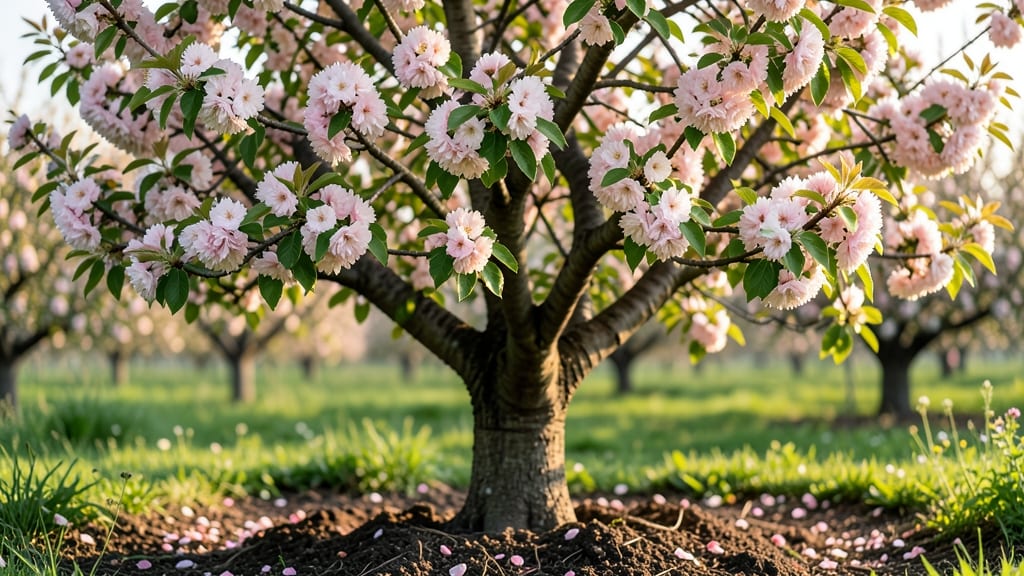
Fruit tree blossoms transform your yard into a pollinator paradise every spring. 🌸 I’ve watched my peach tree explode with pink blooms, and the difference between a thriving orchard and a sparse one comes down to a few key practices—light, pruning, and timing.
The right approach turns a handful of flowers into a bounty of fruit later in the season.
Most fruit trees need 6-8 hours of sunlight daily and well-draining soil to set blooms properly. Prune in late winter to open the canopy, which lets light reach inner branches where flowers often hide.
Avoid heavy pruning after blooms appear—you’ll sacrifice next year’s fruit. The goal is balance: enough air circulation to prevent disease, but not so much that you stress the tree.
Here’s the magic: pollinators do 90% of the work. Plant companion flowers like lavender or clover nearby to attract bees, and avoid pesticides during bloom time. If your tree drops blossoms early, it’s often thirsty—water deeply at the base when buds form.
A little extra care now means pounds of fruit by summer.
Works for apples, cherries, plums, and even citrus—just adjust timing to your climate. Spring is the season to set up success, so let’s get those branches blooming bright and productive.
📚 In This Guide
- What you need
- Instructions
- Tips and common mistakes
- Wrapping up and next steps
What you need
- ● Fruit tree saplings or bare-root plants: Choose 2-5 varieties (e.g., apple, cherry, peach, plum, or pear) for cross-pollination. Opt for dwarf or semi-dwarf varieties (6-12 ft tall) for smaller spaces.
- ● High-quality potting soil or compost: 5-10 gallons per tree, amended with organic matter (e.g., aged compost or coconut coir) for drainage.
- ● Slow-release fertilizer: 10-20-10 NPK ratio, 1-2 lbs per tree to kickstart growth.
- ● Mulch: 2-3 inches of wood chips or straw to retain moisture and suppress weeds.
- ● Garden shovel or trowel: For digging holes 2-3 times wider than the root ball.
- ● Pruning shears: Bypass-style (sharp and clean-cut) for shaping trees post-planting.
- ● Watering can or hose with nozzle: 1-2 gallons per tree for initial watering.
- ● Garden gloves: Heavy-duty to protect hands from thorns or rough bark.
- ○ Stakes and twine (optional): For young trees in windy areas.
- ● Sunlight: 6-8+ hours of full sun daily—most fruit trees thrive in open, sunny spots.
- ● Well-draining soil: Test soil pH (ideal: 6.0-7.0) and amend if needed (e.g., lime for acidic soil).
- ○ Pollinator-friendly plants (optional but encouraged): Add 1-2 companion plants like lavender, bee balm, or clover to attract bees and butterflies.
- ● Local climate zone knowledge: Choose cold-hardy varieties for your USDA zone (e.g., ‘Honeycrisp’ apple for Zones 3-8).
How to encourage vibrant fruit tree blossoms for pollinator-friendly gardens
Here’s how to coax the most spectacular spring blooms from your fruit trees—naturally.
🌱 Step 1: Prune for Light and Airflow in Late Winter
Start in late winter (just before buds swell) to remove dead, crossing, or inward-growing branches. I cut back to an outward-facing bud at a 45-degree angle—this encourages new growth that catches sunlight. Thin branches so light reaches the center of the tree; pollinators like bees need easy access to blossoms.
Watch for water sprouts (fast-growing, vertical shoots) and prune them immediately—they sap energy from blossom production. Use sterilized pruners to prevent disease spread. You’ll see fresh, green growth within 2-3 weeks after pruning, signaling the tree’s energy is redirecting toward flowers.
☀️ Step 2: Provide the Right Spring Sunlight and Water
Fruit trees need 6-8 hours of direct sun daily for robust blooms. If your tree is in partial shade, move it or prune nearby trees to open the canopy. I water deeply once a week in early spring (until 6 inches of soil feels moist) to wake dormant roots without over-saturating.
Look for swollen buds in early spring—that’s your cue to increase water slightly. Avoid wetting the blossoms themselves; water at the base only to prevent fungal issues like blossom blight. A mulch ring (2-3 inches of organic mulch) helps retain moisture and regulate soil temperature.
🐝 Step 3: Support Pollinators with Strategic Plantings
Plant early-blooming pollinator favorites near your fruit tree, like crabapple, serviceberry, or native wildflowers. Bees and butterflies need food sources when fruit tree blossoms first open. I place dwarf fruit trees near pollinator gardens to maximize cross-pollination.
Skip pesticides entirely during bloom time—even "organic" sprays can harm pollinators. If you spot aphids or mites, blast them off with water instead. Healthy pollinators mean better fruit set, and you’ll see bees buzzing actively within days of planting companion flowers.
⏰ Step 4: Monitor for Frost and Late Bloomers
Watch the 10-day forecast before blossoms open. A hard frost (below 28°F) can kill delicate flowers overnight. I drape frost cloth over trees if frost is predicted, securing it loosely so air circulates. Remove it by 10 AM to let sunlight warm the tree.
Some trees (like peaches or cherries) bloom later—these benefit from late-season pollinators. If you have late-blooming varieties, plant sunflowers or lavender nearby to attract bees when fruit tree flowers peak. You’ll know it’s working when you see fruit set (tiny, green fruit) within 4-6 weeks of full bloom.
Tips & tricks for vibrant fruit tree blooms
Real talk: These small tweaks make all the difference between a few sad blossoms and a tree bursting with pollinator-friendly color.
The Pruning Angle Matters: When you cut back to an outward-facing bud in Step 1, make sure that angle is sharp—around 45 degrees. This isn't just about looks; it creates a larger surface area for new growth to emerge. I've seen trees where I cut too straight, and those buds took forever to break. Also, use sterilized pruners every time—rusty tools can introduce diseases that stress the tree and reduce blooming.
Watering Wisdom for Spring: The "deeply once a week" rule in Step 2 works best when your soil is still cool from winter. As buds swell, increase to twice a week if your area gets hot. I test moisture by sticking my finger 6 inches down—if it's dry, that's your watering cue. The key is keeping the roots happy without drowning the blossoms themselves, which can lead to fungal problems.
Pollinator Power Moves: For Step 3, don't just focus on planting near your fruit tree—think about height too. Place taller pollinator plants like sunflowers behind shorter trees so bees can access both easily. I've noticed that when I have a mix of heights, the pollinators linger longer, which means better fruit set. And remember, even "organic" pesticides can harm beneficial insects, so skip them entirely during bloom season.
Frost Protection Hacks: When covering trees in Step 4, don't make the mistake of sealing them completely. Frost cloth should be loose enough that air can circulate—think of it like a breathable blanket. I've seen trees smothered under tight covers that ended up with moldy buds. Also, remove covers by 10 AM to let sunlight warm the tree gradually, which helps prevent shock to the blossoms.
Pro Tips for Fruit Tree Blossoms
- Real talk: These small tweaks make all the difference between a few sad blossoms and a tree bursting with pollinator-...
- The Pruning Angle Matters: When you cut back to an outward-facing bud in Step 1, make sure that angle is sharp—around...
- Watering Wisdom for Spring: The "deeply once a week" rule in Step 2 works best when your soil is still cool from wint...
Frequently asked questions
Got questions about fruit tree blossoms? You’re not alone! Here are some of the most common queries—plus quick, actionable answers to help you make the most of your blooming trees.
When is the best time to plant fruit trees for optimal blossoms?
Plant fruit trees in early spring or fall, when soil is workable but not frozen. This gives roots time to establish before summer heat. For container-grown trees, plant anytime (just water deeply afterward). Pro tip: Avoid planting during extreme heat or cold—roots need stability!
Why aren’t my fruit tree blossoms turning into fruit?
Blossoms may drop without fruiting due to pollination issues (lack of bees or wind), temperature swings (late frost), or nutrient deficiencies. Hand-pollinate with a paintbrush if bees are scarce, or fertilize with low-nitrogen, high-phosphorus mix. Check for pests too—aphids or mites can stress trees!
How can I attract more pollinators to my fruit tree blossoms?
Plant native wildflowers (like lavender or coneflowers) nearby, avoid pesticides, and add a shallow water source (like a birdbath). Early morning is prime time for bees—avoid pruning then! Also, choose self-fertile varieties (e.g., ‘Honeycrisp’ apples) if space is limited.
Can I prune fruit trees when they’re in bloom?
Light pruning (removing dead wood) is fine, but avoid heavy cuts during bloom. Save major pruning for late winter or early spring (before buds swell). Trim just after fruiting to encourage next year’s blossoms! Never prune when frost is forecasted.
What if my fruit tree has no blossoms at all?
Check for stress signs: overwatering, drought, or poor soil. Adjust care and fertilize with balanced 10-10-10 in early spring. Young trees may need 1–2 years to bloom. If no blossoms after 3 years, consult a local extension office—it could be a variety or disease issue.
Are there fruit trees that bloom later in the season?
Yes! Late-blooming varieties like peaches, plums, and nectarines often flower in late spring, reducing frost risk. Try ‘Redhaven’ peaches or ‘Santa Rosa’ plums for extended bloom windows. Just monitor weather closely!
Wrapping up and next steps
Fruit tree blossoms aren’t just a stunning sight—they’re a lifeline for pollinators and a promise of future harvests! 🌸 From planting the right varieties to creating pollinator-friendly spaces, every step you take helps sustain these vital ecosystems.
Whether you’re a seasoned gardener or just starting, your efforts make a real difference.
Ready to take action? Start small—plant a single blossom-rich tree or set up a pollinator garden this season. Share your progress with fellow nature lovers and inspire others to join the movement! Together, we can keep our gardens—and our planet—thriving. 🌍✨