
How To
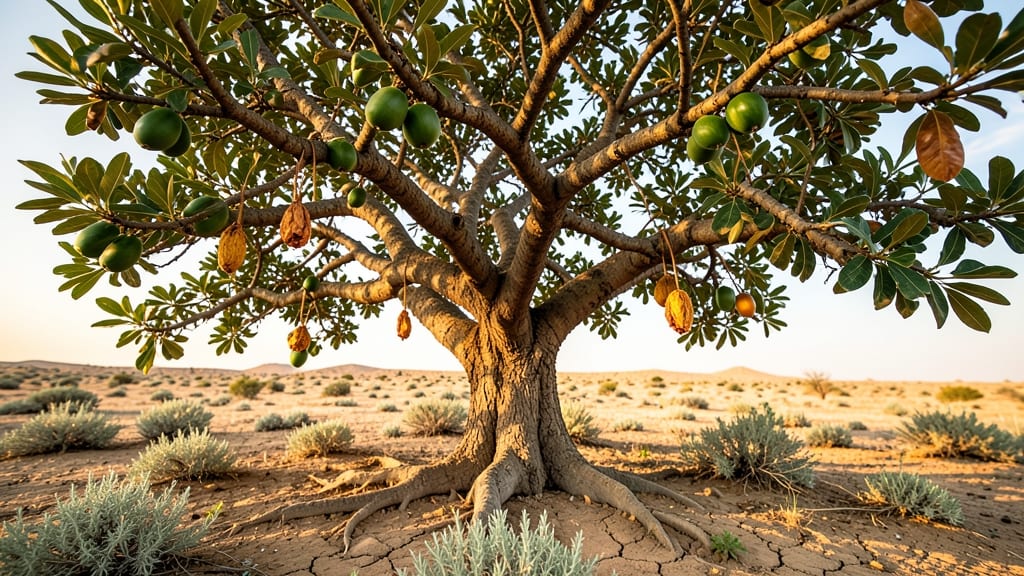
Transform your small garden into a productive edible oasis with these 10 beautiful trees bearing green fruit. Perfect for urban landscapes, these varieties offer both visual appeal and delicious harvests—without requiring acres of space.
Dwarf Citrus Trees With Green Fruit
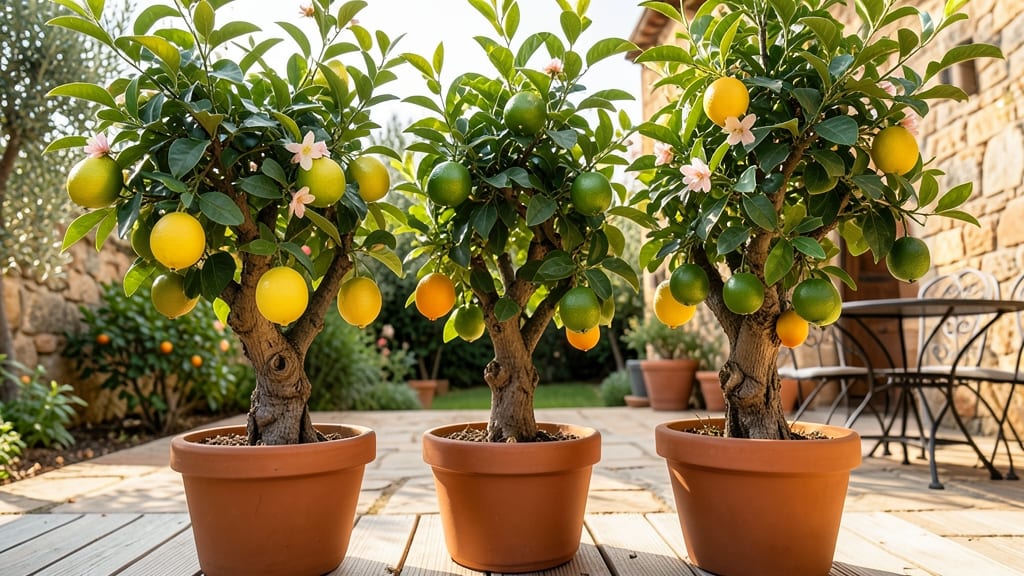
Bring the scent of a Mediterranean orchard to your patio with dwarf citrus trees—compact varieties that produce fragrant green fruit year-round. Unlike their full-sized counterparts, these container-friendly trees (like Meyer lemons, limequats, or kumquats) stay under 6 feet tall, making them perfect for balconies, decks, or even sunny windowsills.
Thriving in USDA zones 9-11, these trees need full sun (6+ hours daily) and well-draining soil to prevent root rot. Water deeply when the top inch of soil feels dry, and fertilize monthly during spring and summer with a citrus-specific blend. The sweet, tangy fruit ripens year-round, offering fresh harvests for homemade jams, teas, or simply snacking straight from the tree.
Urban gardeners and small-space enthusiasts will love how these trees double as living decor while providing edible rewards. With minimal pruning and pest resistance, they’re the ultimate low-maintenance fruit tree. 🌱
Persimmon Trees For Small Spaces
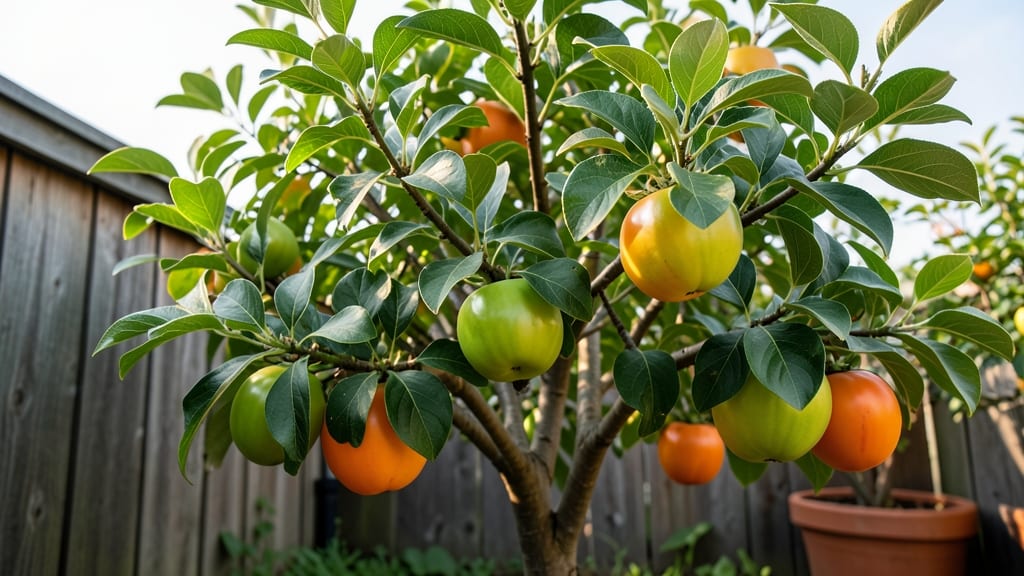
If you’ve ever dreamed of growing fruit trees but assumed you needed a sprawling backyard, the ‘Fuyu’ persimmon is your game-changer. This compact, fast-growing variety matures in just 3-4 years and produces sweet, green-orange fruit that ripens to a vibrant orange—perfect for urban homesteaders with limited space.
Unlike its larger cousins, ‘Fuyu’ persimmons thrive in small gardens, containers, or even raised beds, needing only 6-8 hours of sun daily. Their non-astringent fruit (edible when firm) can be eaten fresh, baked into desserts, or dried for snacks. Plus, their glossy deep green leaves add year-round interest, even after harvest.
Ideal for city dwellers, balcony gardeners, or anyone with tight spaces, this tree delivers high yields with minimal fuss. Plant one near a fence or patio for easy access to its delicious, low-maintenance harvests. 🌟
Olive Trees Producing Green Fruit
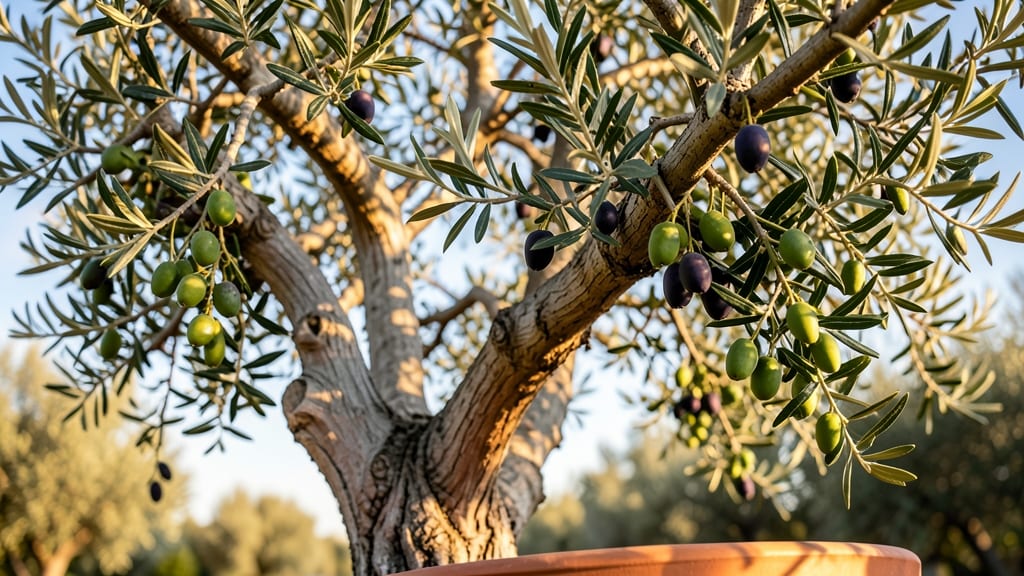
Want a tree that doubles as both a stunning landscape feature and a pantry staple? Olive trees produce green fruit that you can harvest early for curing or let ripen into flavorful table olives—all while thriving in containers or small yards.
These Mediterranean workhorses love full sun (6+ hours daily) and well-draining soil, making them perfect for zones 8-11. Prune lightly to shape and encourage fruit production, and watch as silvery-green leaves add texture to your garden year-round. Dwarf varieties like 'Arbequina' stay under 10 feet tall, ideal for urban spaces.
Urban gardeners and Mediterranean-style landscapers will love how olives transform from green to purple-black when ripe, offering two harvest options. Plus, their drought tolerance makes them low-maintenance once established. 🌱
Gooseberry Bushes With Edible Green Berries
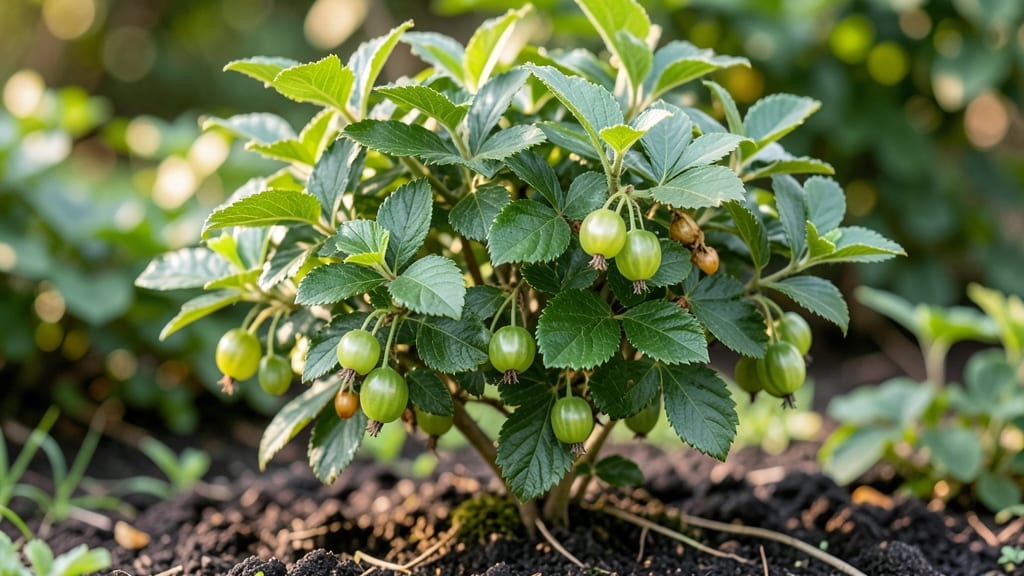
Skip the thorns and space struggles—gooseberry bushes like the Pixwell variety pack all the flavor into compact, easy-care plants. These berries start green, ripen to a golden hue, and deliver that signature tangy-sweet taste perfect for homemade jams or fresh snacking.
Unlike traditional brambles, Pixwell gooseberries grow just 3-4 feet tall and produce fruit on thornless canes, making them ideal for small gardens, edible hedges, or even container growing. They thrive in full sun to partial shade and tolerate a wide range of soils, though well-drained conditions prevent fruit rot. With minimal pruning (just remove old canes after harvest), you’ll enjoy year-round interest** from their glossy leaves and abundant berries.
Perfect for urban gardeners, cottage-style plots, or anyone tired of high-maintenance fruit bushes. 🌱
Fig Trees Bearing Green Fruit
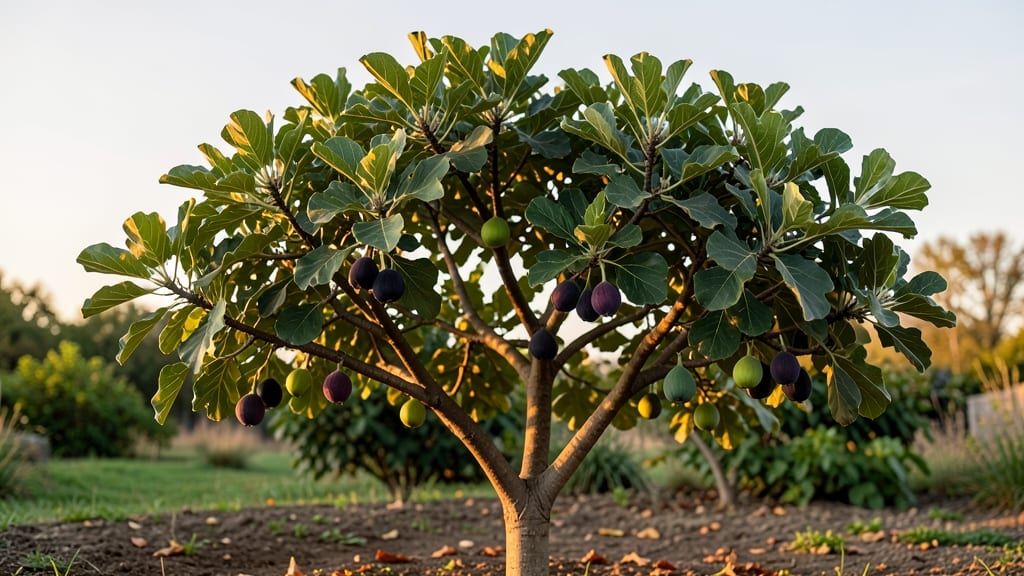
Looking for a cold-hardy fruit tree that thrives in small spaces and delivers stunning visuals? The 'Chicago Hardy' fig tree is your answer—its green figs ripen to a deep purple, adding year-round interest to your garden while surviving zones 5-9.
This compact tree requires minimal pruning, making it ideal for beginners or busy gardeners. Plant it in full sun with well-draining soil, and you’ll enjoy a low-maintenance harvest that’s perfect for fresh eating or drying. Its dwarf size (10-12 feet) fits snugly in yards, patios, or even large containers.
Perfect for gardeners in cooler climates, this fig variety brings Mediterranean charm without the fuss—ideal for small yards, urban gardens, or even as a striking focal point. 🌟
Pawpaw Trees For North American Gardens
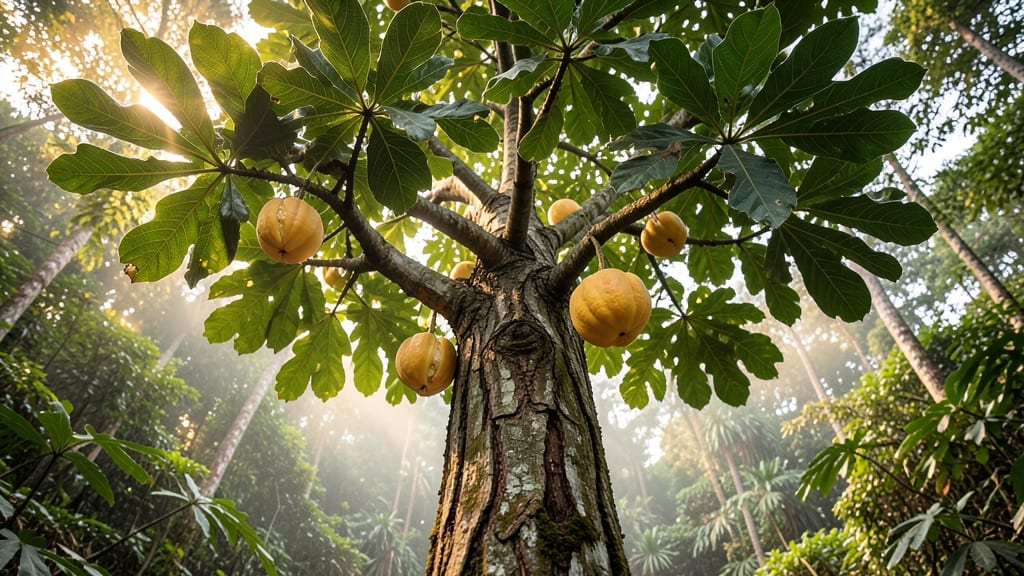
Imagine a tree that thrives in your backyard’s shady corners while producing fruit that tastes like a cross between banana, mango, and pineapple—that’s the pawpaw tree, North America’s native tropical-flavored treasure. Unlike sun-loving citrus or olives, pawpaws flourish in the moist, dappled light of woodland edges, making them ideal for understory planting or small backyards with partial shade.
These slow-growing but low-maintenance trees grow 15-25 feet tall and produce large, green, custard-like fruit in late summer. To encourage fruiting, plant two trees for cross-pollination and keep the soil consistently moist but well-drained. While they need patience (fruit takes 3-5 years to appear), their unique flavor and wildlife benefits—birds and deer adore the fruit—make them a standout for eco-conscious gardeners.
Perfect for those who love native plants with a gourmet twist, pawpaws are a conversation starter and a delicious reward for gardeners willing to embrace a little shade. 🌱
Kiwano Horned Melons
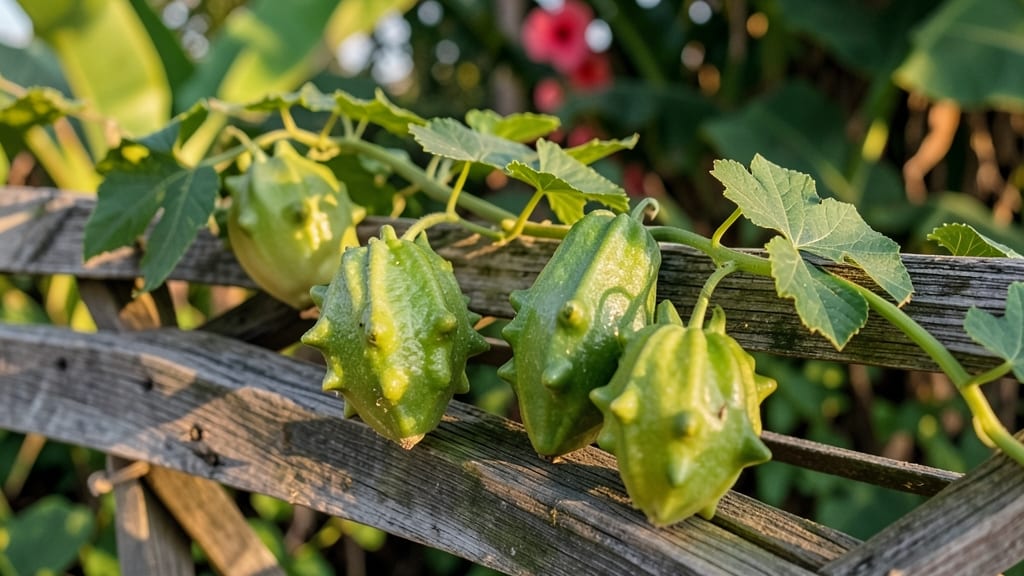
Ready to add a tropical twist to your small garden without the space of a jungle? Kiwano horned melons are the answer—these exotic vines produce spiky green fruit that looks like something from a fantasy garden but grows easily on trellises.
Native to Africa but thriving in USDA zones 9-11, these vines climb quickly and produce jelly-like fruit with a tangy, citrusy flavor perfect for salads or garnishes. Start seeds indoors 4-6 weeks before your last frost, then transplant after all danger of frost has passed. Provide full sun to partial shade and well-draining soil for best results.
Urban gardeners and balcony growers will love how these vines transform small spaces into edible vertical gardens. Plus, the unique fruit adds a conversation piece to any harvest. 🌟
Medlar Trees With Unique Green Fruit
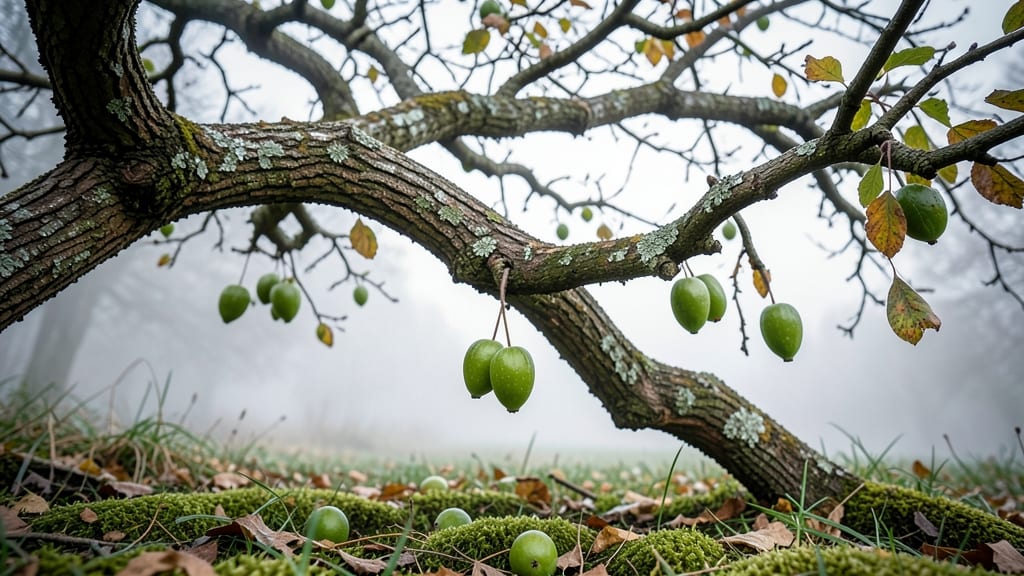
Step back in time with medlar trees, Europe’s ancient fruit-bearing treasure that produces green fruit with a magical transformation. Unlike most trees, their hard green fruit must be frost-blanched (a natural process or briefly frozen) to soften into a luscious, custard-like texture—perfect for desserts or simply enjoying fresh.
These slow-growing but hardy trees thrive in zones 5-8, making them ideal for small orchards or historical gardens. Plant them in well-drained soil with full sun to partial shade, and watch their orange autumn foliage add seasonal drama. The fruit’s unique ripening process adds a whimsical touch to your garden’s story.
Medlars are perfect for gardeners who love unusual edibles and appreciate a tree with both culinary and ornamental value. Their compact size and old-world charm make them a standout for heritage-focused landscapes. 🌟
Crabapple Trees With Edible Green Fruit
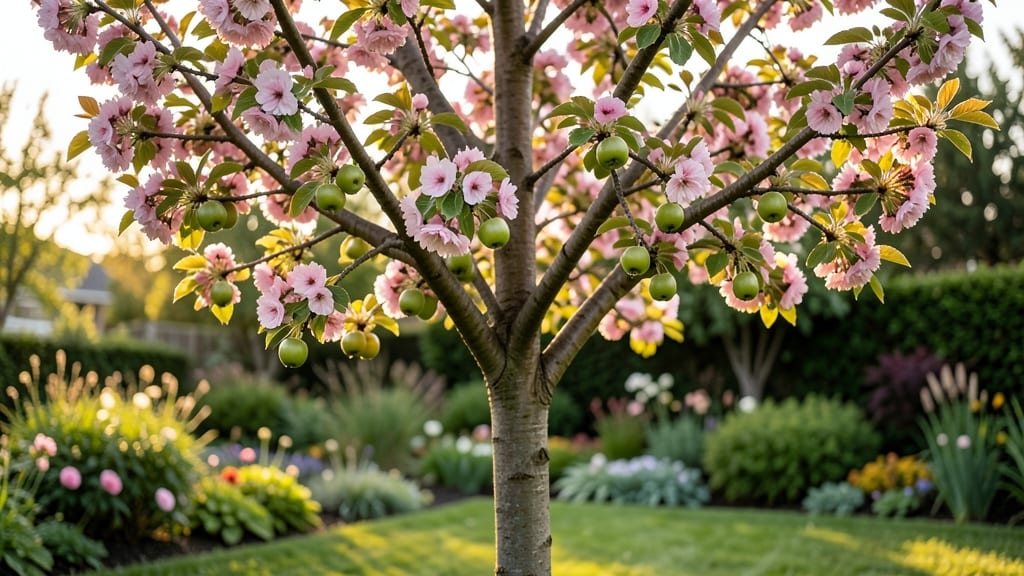
Want a tree that doubles as both a stunning landscape feature and a kitchen ingredient? The 'Dolgo' crabapple delivers with its pink spring blooms and tart green fruit perfect for homemade jellies and sauces—all in a compact package that fits small gardens beautifully.
This hardy variety thrives in full sun to partial shade and handles most soil types, making it low-maintenance for gardeners who want both beauty and productivity. The fruit ripens in late summer, offering a unique harvest window for culinary experiments. Plus, its resistance to pests means fewer worries about spraying chemicals.
Ideal for urban gardeners or anyone with limited space, the 'Dolgo' crabapple brings year-round interest with its colorful foliage, winter berries, and spring flowers. It's the perfect way to blend edible landscaping with ornamental charm! ✨
Jujube Trees For Drought-Tolerant Gardens

If you're dreaming of a low-water garden that thrives in arid conditions, the jujube tree is your secret weapon. This hardy Asian native produces green fruit that sweetens dramatically when dried—like nature's candy—while requiring almost no extra water once established.
Jujube trees flourish in full sun with minimal irrigation, making them perfect for USDA zones 7-10 where drought is common. The drought-resistant bark stores moisture efficiently, and their compact size (15-25 feet) fits beautifully in small yards or containers. Harvest the green fruit in fall, then dry it for a sweet, date-like snack.
This tree is ideal for urban gardeners or those in desert climates who want both beauty and edible rewards. With almost no pests and year-round interest, it’s a standout for sustainable landscapes. 🌻