
Fertilization
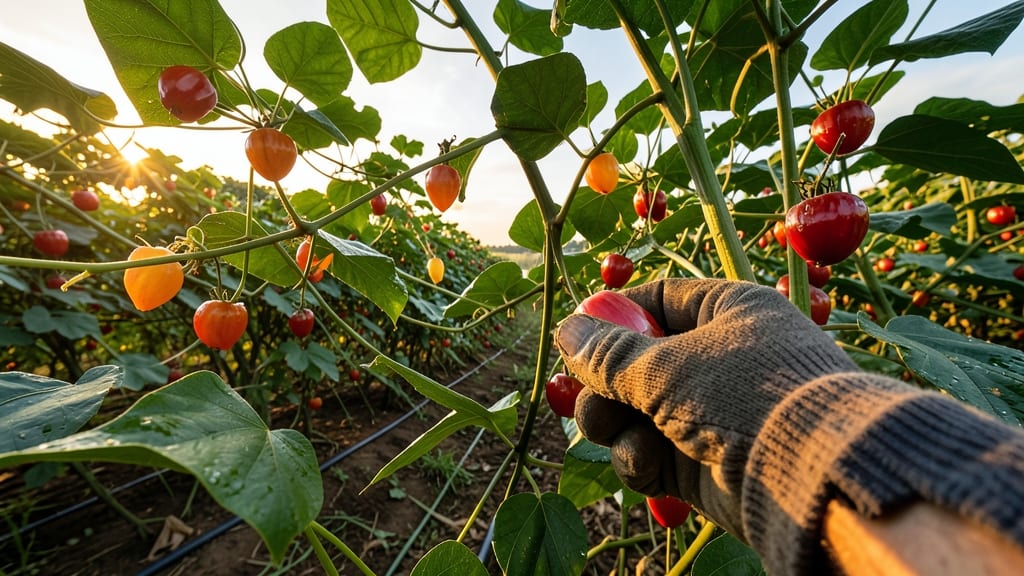
Passion fruit vines produce exotic, nutrient-rich fruit—but not all varieties thrive in the same climate or require the same care. This chart compares 10 top passion fruit types by hardiness, pollination needs, and harvest windows to help you choose the perfect match for your garden.
Purple Passion Fruit (Passiflora edulis)
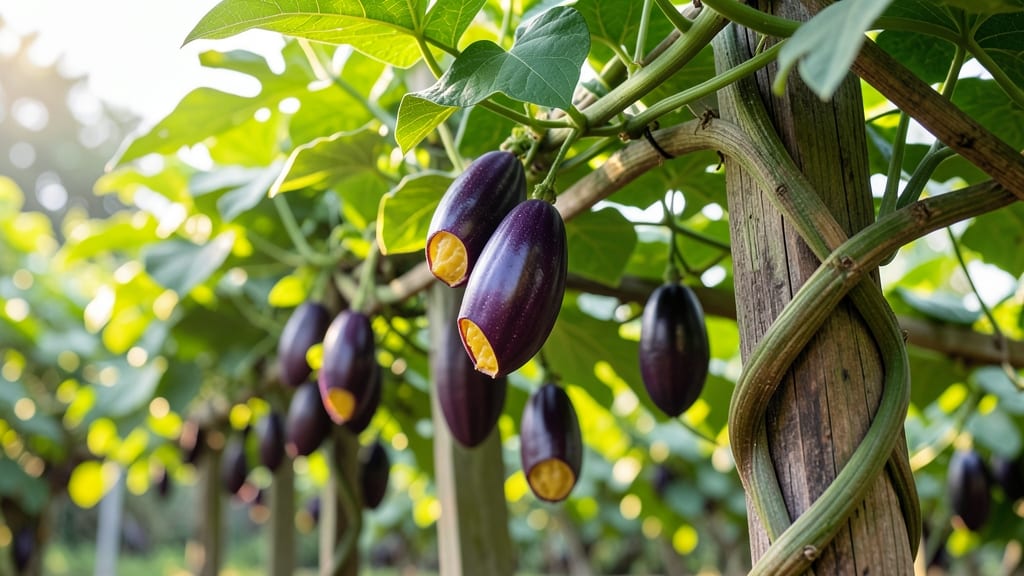
Looking for a passion fruit variety that delivers reliable harvests with minimal fuss? The Purple Passion Fruit (Passiflora edulis) is the gold standard for home gardeners in tropical and subtropical climates (USDA zones 10-12). This is the same variety you’ll find in commercial orchards, prized for its self-pollinating nature—meaning no bees or hummingbirds required to set fruit.
Vines thrive in full sun (6+ hours daily) and produce glossy, egg-shaped fruit with deep purple skin and juicy, tangy-sweet pulp. For best results, plant in well-draining soil and provide a sturdy trellis—this vigorous climber can reach 20-30 feet if left unchecked. Expect your first harvest 12-18 months after planting, with continuous production if pruned properly after fruiting.
This variety is perfect for gardeners who want year-round fruit in warm climates without the guesswork of cross-pollination. Just remember: Purple Passion Fruit is sensitive to frost, so protect young plants if temperatures dip below 30°F. 🌱
Golden Passion Fruit (Passiflora edulis flavicarpa)
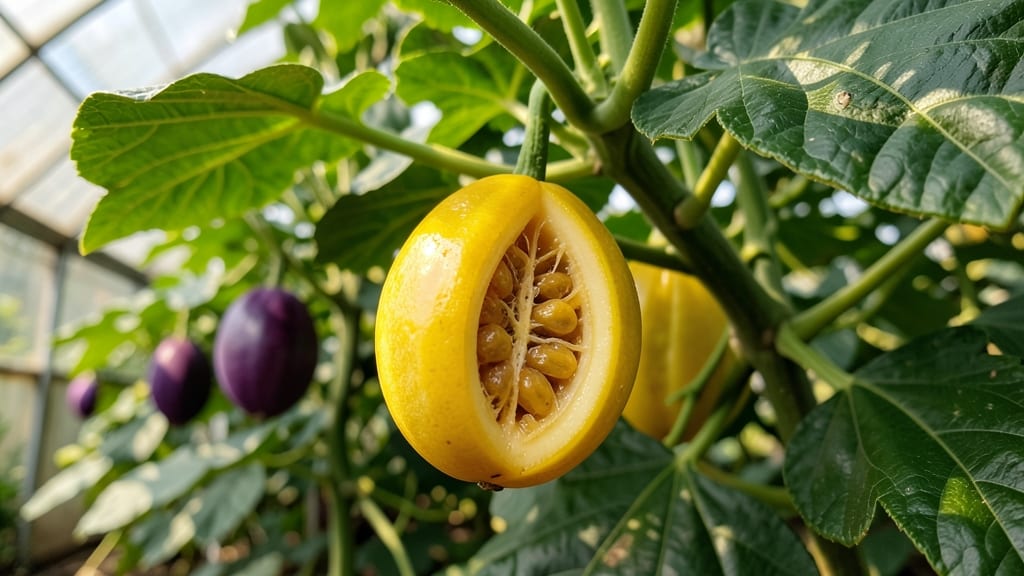
If you crave passion fruit with a sweeter, less tart flavor, Golden Passion Fruit (Passiflora edulis flavicarpa) is your tropical treasure. Unlike its purple cousin, this variety delivers a higher sugar content that’s perfect for fresh eating, juicing, or desserts—no puckering required!
This vine thrives in USDA zones 10-11 and relies on hummingbirds or bees for cross-pollination, so plant near flowering shrubs to attract these helpers. The fruit’s golden-yellow skin ripens to a vibrant orange, signaling its peak sweetness. For best results, provide full sun (6+ hours daily) and well-draining soil to encourage vigorous growth and heavy fruiting.
Perfect for gardeners in warm climates who want a flavor upgrade without sacrificing yield, this variety rewards patience with luscious, dessert-worthy fruit. 🌻
Granadilla (Passiflora ligularis)
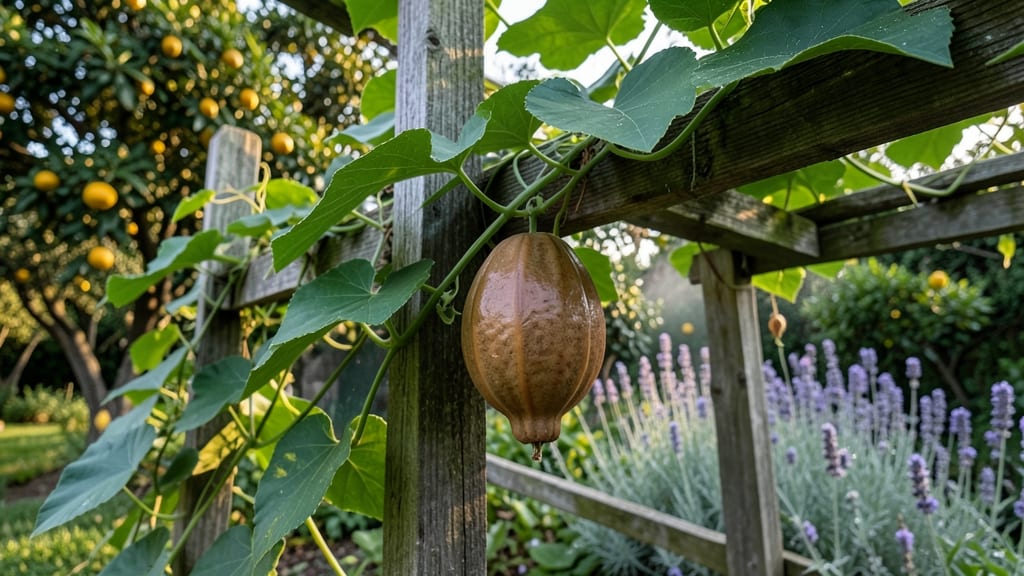
Looking for a passion fruit that thrives in cooler climates? Granadilla (Passiflora ligularis) is the standout choice, pushing hardiness to USDA zone 9—a rarity among passion fruits. Unlike its tropical cousins, this vine produces a unique fruit with a thick, hard shell encasing edible, seedless pulp that’s prized in gourmet dishes.
Plant in well-draining soil with morning sun and afternoon shade to prevent heat stress. The fruit takes 12-18 months to mature but rewards you with a delicate, custard-like texture perfect for desserts or fresh eating. Its self-pollinating nature means no need for bees or hummingbirds—just let the vine climb and produce.
Perfect for specialty growers in temperate zones, granadilla offers both culinary excitement and garden intrigue. 🌟
Banana Passion Fruit (Passiflora tripartita)
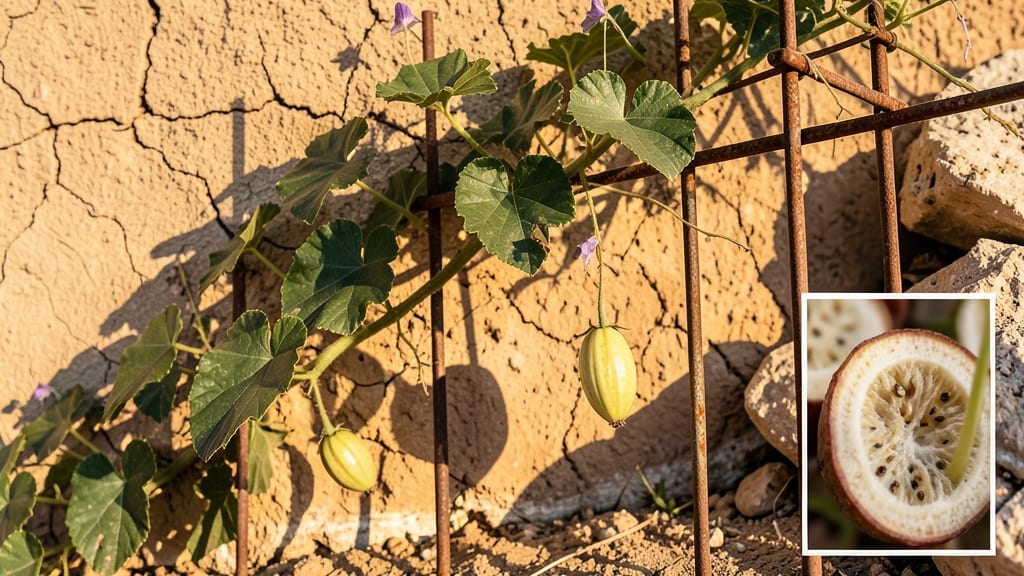
If you're gardening in Mediterranean or desert climates, Banana Passion Fruit (Passiflora tripartita) is your secret weapon for water-wise fruit production. Unlike its tropical cousins, this variety thrives on neglect—requiring minimal irrigation while delivering small, banana-like fruit with a sweet-tart flavor.
Hardy to USDA zones 8-11, this vine handles drought conditions and even light frosts better than most passion fruits. The fruit, which looks like tiny bananas, ripens to a golden hue and contains juicy, seedless flesh perfect for fresh eating or juicing. Plant in well-draining soil and provide a trellis or fence for support—its vigorous growth will reward you with fruit in just 12-18 months.
Perfect for urban gardeners or those with limited water resources, this variety proves you can grow exotic fruit without excessive care. 🌱
Maracuja (Passiflora incarnata)
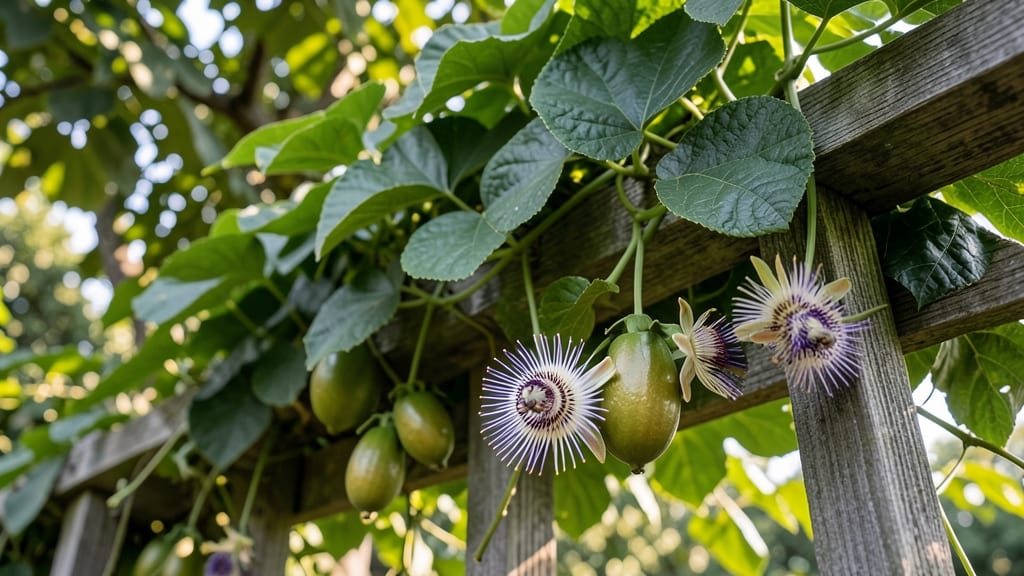
Maracuja (Passiflora incarnata) is the only native North American passion fruit variety, making it a standout choice for gardeners in the eastern and southeastern U.S. Unlike its tropical cousins, this hardy vine thrives in USDA zones 7-10 and produces fruit with a thick rind that resists cracking—ideal for organic growers who want a reliable, low-maintenance crop.
This variety yields large, aromatic fruit with a sweet-tart flavor and fewer seeds than commercial passion fruits, perfect for fresh eating or juicing. It’s self-pollinating, so you won’t need to attract hummingbirds, and its vigorous growth makes it great for trellises or fences. Prune in late winter to encourage new growth and fruit production.
Organic gardeners and those in cooler climates will appreciate its native resilience and minimal pest issues. It’s also a great pollinator plant, attracting bees and butterflies while rewarding you with homegrown fruit. 🌿
Passion Fruit (Passiflora alata)
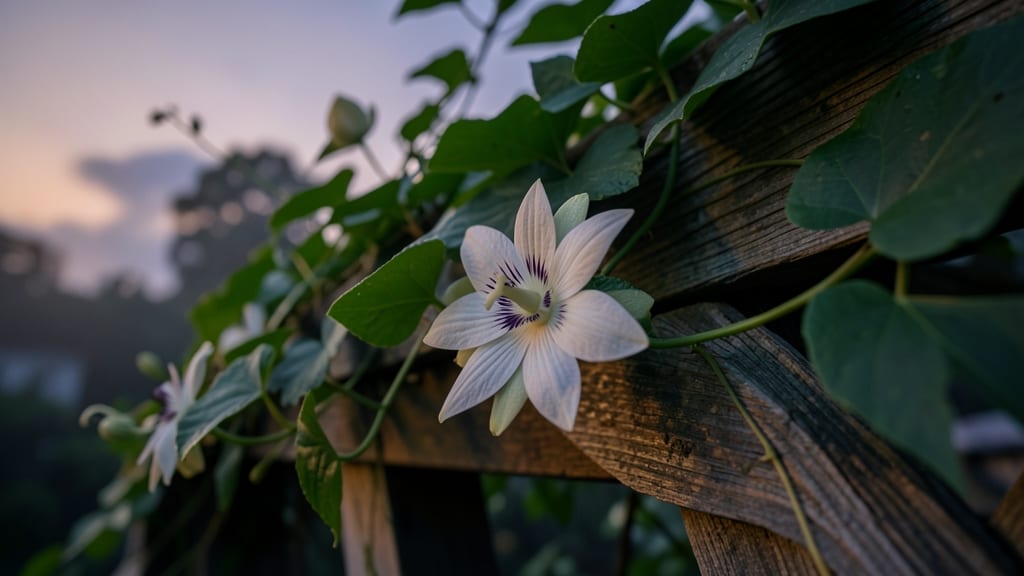
If you love the idea of a passion fruit vine but struggle with limited space or cooler climates, Passiflora alata is your answer. This variety stands out with its fragrant white flowers that bloom at night, filling your garden with a sweet, intoxicating scent—ideal for evening strolls or balcony relaxation.
The fruit ripens to a vibrant red hue and is self-pollinating, meaning you won’t need to attract bees or hummingbirds for a successful harvest. Unlike many passion fruit varieties, it’s also cold-hardy to USDA zone 9, making it perfect for gardeners in temperate regions who want to grow passion fruit without the fuss. Its compact growth habit suits small gardens, containers, or trellises in tight spaces.
Perfect for sensory gardeners or those who prioritize fragrance over sheer volume, this variety delivers both beauty and harvest with minimal effort. 🌻
Sweet Granadilla (Passiflora ligulata)
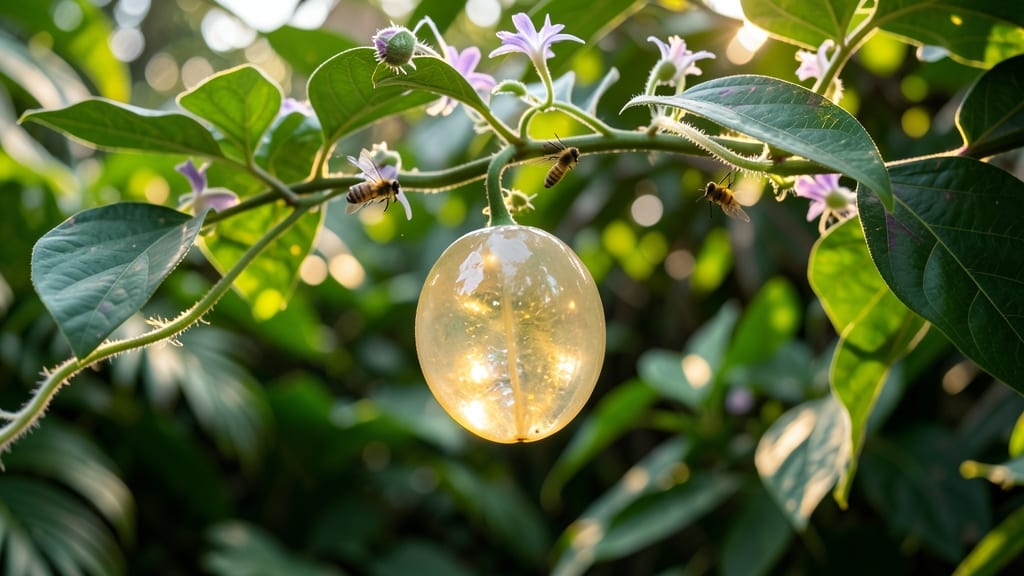
If you're craving a passion fruit with a truly unique texture—think sweet, jelly-like pulp instead of seeds—Sweet Granadilla (Passiflora ligulata) is your answer. This tropical gem thrives in USDA 10-11 zones and turns heads with its vibrant foliage and aggressive pollinator magnetism.
The non-edible rind encases a translucent, flavorful center that’s perfect for jams, syrups, or fresh eating. Plant it in well-draining soil with 6+ hours of sun and watch as hummingbirds and bees flock to its delicate flowers. Unlike other passion fruits, this variety delivers a distinct, tropical twist without the fuss of seed removal.
Ideal for adventurous gardeners in warm climates, this variety adds both culinary excitement and pollinator power to your landscape. 🌟
Passion Fruit (Passiflora coccinea)
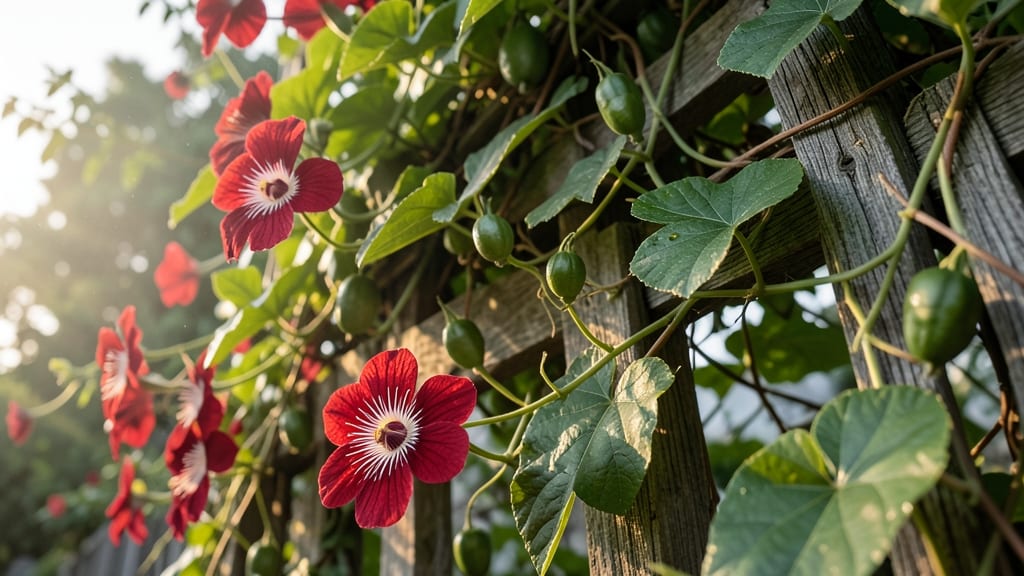
Want a passion fruit vine that doubles as a stunning garden centerpiece? Passiflora coccinea delivers with its bold crimson flowers while still producing edible fruit—all while thriving in cooler climates down to USDA Zone 8. This variety bridges the gap between ornamental beauty and functional harvest, making it perfect for gardeners who love both aesthetics and rewards.
Unlike tropical passion fruits, Passiflora coccinea tolerates light frosts and partial shade, growing best in well-draining soil with morning sun. The fruit, though smaller than commercial varieties, is sweet and aromatic, ideal for fresh eating or jams. Plant near trellises or fences to encourage climbing, and deadhead spent flowers to promote more blooms. Its vibrant flowers attract pollinators, boosting fruit set naturally.
This variety is ideal for cool-climate gardeners who want year-round interest without sacrificing harvest potential. Perfect for cottage gardens, mixed borders, or even containers in milder winters. 💚
Passion Fruit (Passiflora gibertii)
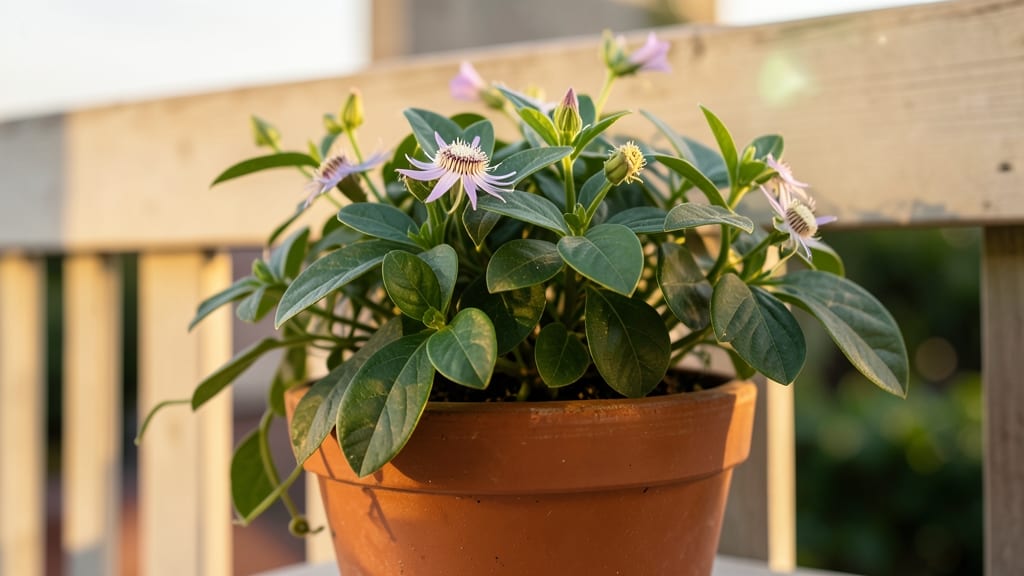
If you’ve ever dreamed of growing passion fruit but lack yard space, Passiflora gibertii is your perfect solution. This dwarf variety stays compact enough for 5-gallon containers, making it ideal for balconies, rooftops, or even sunny windowsills in USDA 10-11 zones. Unlike sprawling vines, it produces small, tart fruit without taking over your garden.
Plant it in well-draining soil with 6+ hours of sun daily and prune regularly to encourage bushier growth. While it’s self-pollinating, hand-pollinating flowers with a soft brush can boost fruit set. The fast-growing vine may bear fruit within 6-12 months, delivering a tangy harvest perfect for jams, juices, or fresh eating.
Urban gardeners and small-space enthusiasts will love this variety—it’s the only passion fruit that truly thrives in containers without compromise. 🌱
Passion Fruit (Passiflora edulis 'Panama Red')

If you're a commercial grower or large-scale gardener in tropical climates (USDA 10-12), Passiflora edulis 'Panama Red' is your secret weapon for year-round fruiting and disease resistance. Unlike other varieties, this hybrid thrives under consistent heat and humidity, delivering reliable harvests without seasonal gaps.
This variety stands out with its thick, glossy red fruit that matures steadily, reducing the risk of crop loss from fungal diseases like woodiness virus or bacterial blight. For maximum yield, provide 6-8 hours of sun daily and train vines on a strong trellis system—its vigorous growth demands support. Prune aggressively in late winter to encourage new shoots and improve airflow, which further boosts disease resistance.
Perfect for those prioritizing scalability and low-maintenance reliability, 'Panama Red' is the go-to choice for farms or home gardens in Florida, Hawaii, or Puerto Rico. Its consistent production makes it a standout for bulk harvests without the fuss. 🌻