
Picking
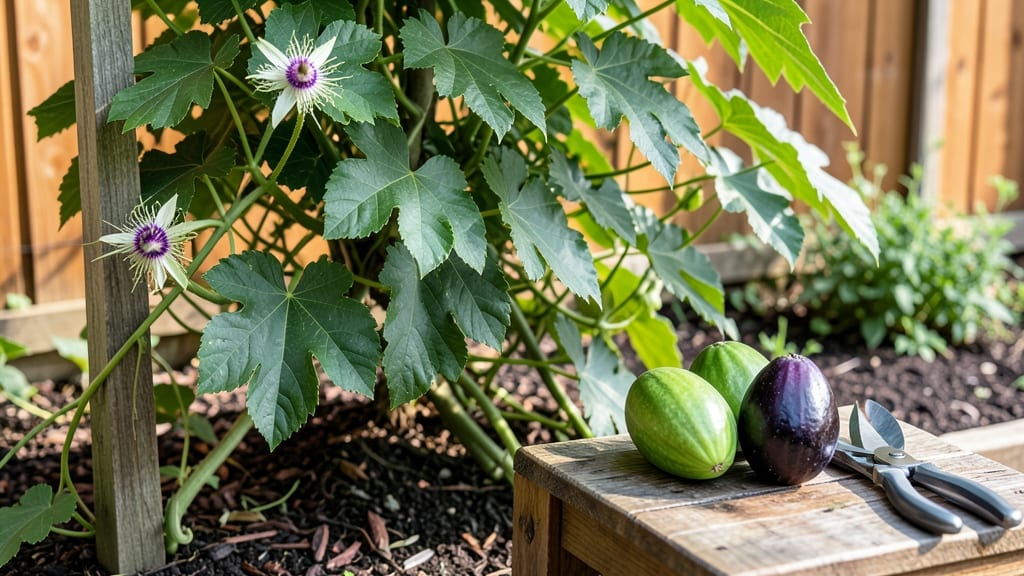
A passion fruit ripeness chart is your secret weapon for turning a bland, mealy snack into a juicy, sweet explosion—if you know what to look for.
Picture this: you’ve spent months waiting for your passion fruit vine 🍈 to produce, and now the fruit is finally changing color. But how do you really know when it’s ready to pick? One wrong move, and you’re left with a bitter, seedy disappointment instead of the perfect tropical treat.
This isn’t just about guessing—it’s about spotting the three key signals that guarantee peak flavor: color shifts, texture changes, and even the scent. Miss these cues, and you might harvest too early (or too late), wasting both the fruit and your patience.
Below, I’ll break down the exact stages of ripeness—from firm and green to soft and vibrant—so you can pick at the perfect moment, every time. Plus, I’ll share pro tips for troubleshooting common mistakes, like why some passion fruit never sweeten up no matter how long you wait.
Passion fruit ripeness stages by color, size & smell (visual guide)
Passion fruit ripeness isn’t just about color—it’s a three-part puzzle of visual, tactile, and olfactory cues. The purple passion fruit (like 'Purple Giant') and yellow passion fruit (like 'Golden Passionfruit') mature differently, but both follow predictable stages.
I’ve grown both varieties in Zone 10 and learned that ignoring even one clue—like skin texture or aroma—can mean the difference between a juicy, sweet fruit and a mealy, bland one.
First-time growers often assume color alone determines ripeness, but passion fruit can stay greenish-yellow or purple-washed for days after reaching peak flavor. The key? Combine color shifts, size progression, and scent detection for accuracy.
For example, a yellow passion fruit might turn golden but still taste tart if the stem detaches easily—a critical sign I’ll explain below.
| Stage | Color (Purple Varieties) | Color (Yellow Varieties) | Size (Diameter) | Skin Texture | Smell | Action |
|---|---|---|---|---|---|---|
| Unripe | Green with light purple blush | Pale green/yellow | 1–2 inches | Hard, waxy | None or grassy | Wait 1–2 weeks |
| Early Ripening | Deep purple (80% coverage) | Yellow with green tip | 2–3 inches | Slightly yielding | Mild floral | Check daily |
| Perfectly Ripe | Fully purple (no green) | Bright yellow/orange | 3–4 inches | Soft but firm (like a peach) | Sweet, tropical aroma | Harvest immediately |
| Overripe | Dark purple with wrinkles | Dull yellow/brown | 4+ inches (shriveled) | Mushy, leaking pulp | Fermented, strong | Use for cooking only |
Let’s start with color cues, the most obvious (but often misunderstood) indicator. Purple passion fruit begin as green with faint purple streaks, while yellow varieties stay pale green-yellow until nearly ripe.
The 80% color rule applies here: wait until 80% of the fruit’s surface shows its mature hue before checking other signs. I’ve picked too early because I focused only on color, only to find the seeds were hard and white—a dead giveaway for underripe fruit.
Next, size matters, but not in the way you might think. A passion fruit won’t grow much larger than its 3–4 inch diameter at peak ripeness. If it’s smaller than a golf ball, it’s almost certainly unripe.
However, size alone isn’t enough—some varieties (like 'Banana Passionfruit') can stay small but still be sweet. That’s why you must cross-reference with texture: a ripe fruit will yield slightly when pressed with your thumbnail, like a ripe avocado.
The smell test is where many growers drop the ball, but it’s the final piece of the puzzle. A ripe passion fruit emits a sweet, tropical aroma—almost like a mix of mango and citrus.
If you hold it to your nose and smell nothing or a grassy, bitter scent, it’s not ready. Pro tip: Sniff near the stem end, where the scent is strongest.
I once ignored this cue and ended up with a batch of mealy, flavorless fruit that tasted like overripe melon.
Here’s how to distinguish over
Texture & taste tests: how to confirm ripeness before cutting
Once your passion fruit reaches its final color, don’t assume it’s ready to pick—some varieties like Purple Passionfruit can stay on the vine for days beyond perfect ripeness. The real test lies in texture and taste, which reveal whether the fruit is sweet, mealy, or still underdeveloped.
Start by giving the fruit a gentle squeeze—ripe passion fruit should yield slightly, like a ripe avocado, while still feeling firm enough to hold its shape.
For a non-destructive check, try the seed movement test. Hold the fruit near your ear and shake it gently. If you hear small seeds rattling inside, the fruit is likely ripe. This is especially useful for yellow passion fruit, which can be trickier to judge by color alone.
If the seeds feel loose but the fruit is still hard, wait another 24–48 hours—it’s not ready yet.
⚠️ callout warning
Overripe fruit (mealy, bitter) happens when you wait too long—look for wrinkled skin or a fermented smell. Underripe fruit (hard, sour) is just as bad—it’ll never sweeten after picking. Twist gently to check stem separation; if it snaps cleanly, the fruit is ready now. Never cut into fruit to test—this invites rot and pests.
Next, perform a taste profile test on a small section if you’re unsure. Cut a 1-inch slice near the stem (avoid the base, which can be seedy). Ripe passion fruit should have a balanced sweet-tart flavor with a juicy, gel-like pulp.
If it tastes sour or grainy, it’s underripe. If the pulp is watery or fermented, it’s overripe and best used for juicing or baking.
For Purple Passionfruit, aim for a deep purple-black skin with a slight give when pressed. The aroma should be sweet and floral, not musky. With yellow passion fruit, focus on a golden-yellow hue and a fruity, citrusy scent.
Pro tip: Pick in the morning when sugars are highest and temperatures are cooler, which preserves flavor longer.
One common mistake is assuming all passion fruit ripen at the same rate. Tropical climates speed up ripening, while cooler regions may take 10–14 extra days.
If your fruit isn’t ripening on the vine, try harvesting slightly early (when 80% colored) and letting it ripen indoors at room temperature for 3–5 days. Place it in a paper bag with a banana or apple to ethylene-gas-ripen it faster.
Finally, store ripe passion fruit in the fridge for up to 5 days to slow sugar breakdown. But don’t refrigerate before ripening—this stops the natural sugar conversion process. For long-term storage, freeze the pulp in ice cube trays or blend it into smoothies.
With these tests, you’ll never pick a passion fruit that’s too tart or too mushy again!