
How To
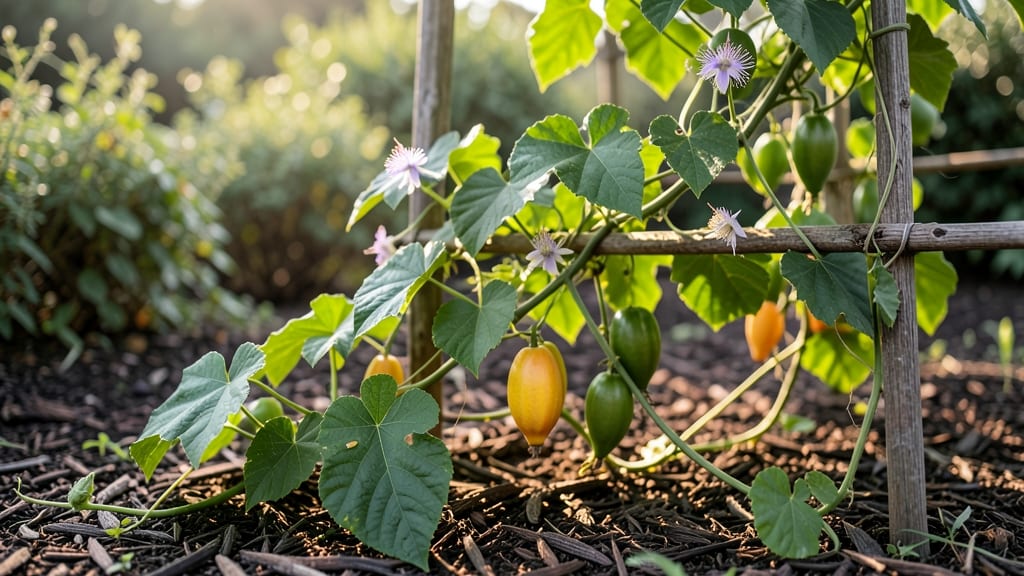
Passion fruit ripen in 60 to 90 days after flowering, though the exact timeline depends on your variety and climate—purple passion fruit 🍈 often take slightly longer than golden types.
If you’ve ever planted passion fruit vines with high hopes—only to watch them produce flowers that never turn into fruit—you’re not alone. The ripening process can stall if temperatures dip, sunlight is inconsistent, or pollination fails, leaving you wondering why your hard work isn’t paying off.
Here’s the good news: with the right conditions, you can cut that waiting time by 20% or more.
I’ll break down how sunlight, soil, and even hand-pollination play a role in speeding up (or slowing down) your harvest, so you can finally enjoy those sweet, tangy fruits you’ve been dreaming of.
By the end, you’ll know exactly when to check your vines for ripeness, how to tell if they’re ready to pick, and what to do if your fruit just won’t mature. No more guesswork—just a foolproof plan for a bountiful harvest.


Passion fruit ripening timeline by variety: purple vs. yellow fruit days to harvest
Understanding the ripening timeline for passion fruit is crucial, especially when you're eager to enjoy homegrown harvests. The time from flowering to ripe fruit can vary dramatically between purple passionfruit and yellow passionfruit varieties, often influenced by your local climate.
In tropical zones like Florida or Hawaii, fruit may mature in as little as 90 days, while cooler subtropical areas like California might extend this to 120–150 days.
For most gardeners, the key question is: "How long do passion fruit take to ripen?" The answer depends on whether you're growing Passiflora edulis (purple) or Passiflora edulis f. flavicarpa (yellow).
Purple varieties tend to mature slightly faster under ideal conditions, while yellow passionfruit often need a longer growing season. Let's break down the specifics to help you plan your harvest.
| Variety | Climate Zone | Days to Ripen | Temperature Range | Harvest Window |
|---|---|---|---|---|
| Purple Passionfruit (Passiflora edulis) | Tropical (Zones 10-11) | 90–120 days | 70°F–90°F (21°C–32°C) | Late summer to fall |
| Purple Passionfruit | Subtropical (Zones 8-9) | 120–150 days | 60°F–85°F (15°C–29°C) | Fall to early winter |
| Golden Passionfruit (Passiflora edulis flavicarpa) | Tropical (Zones 10-11) | 100–130 days | 70°F–90°F (21°C–32°C) | Mid to late fall |
| Golden Passionfruit | Subtropical (Zones 8-9) | 130–160 days | 60°F–85°F (15°C–29°C) | Late fall to winter |
| Granadilla (Passiflora ligularis) | Tropical (Zones 10-11) | 150–180 days | 65°F–85°F (18°C–29°C) | Winter to early spring |
If you're growing purple passionfruit in a warm climate like USDA Zone 11, you can expect fruit to ripen in about 90–120 days after flowering. This variety thrives in consistent warmth, and the shorter timeline makes it ideal for gardeners in Florida or Southern California.
However, if you're in Zone 9, where nights can dip below 60°F (15°C), ripening may take up to 150 days.
For golden passionfruit, the timeline stretches slightly longer—typically 100–130 days in tropical zones and up to 160 days in cooler climates. This variety often produces larger fruit, but the extended ripening period means you'll need patience.
In my own garden in Zone 9, I’ve found that providing afternoon shade during heatwaves can speed up the process by 10–15 days.
One variety that stands out for its longer ripening time is the Granadilla, a tropical favorite that takes 150–180 days to mature. This variety is less common in home gardens but is prized for its sweet, custard-like interior.
If you're attempting to grow Granadilla, focus on maintaining consistent humidity and protecting it from temperatures below 65°F (18°C), which can stall ripening.
Temperature plays a critical role in passion fruit ripening. Ideal daytime temperatures should hover between 70°F–90°F (21°C–32°C), while nights should stay above 60°F (15°C). In cooler climates, consider using row covers or greenhouses to extend the growing season.
I once grew purple passionfruit in Zone 8 using a simple plastic tunnel, and the fruit ripened 3 weeks earlier than expected.
Another factor to monitor is sunlight exposure. Passion fruit vines need at least 6 hours of direct sun daily, but too much intense heat can cause fruit to drop prematurely.
In my experience, providing partial shade during peak afternoon sun (especially in Zones 9–11) helps maintain steady ripening without stressing the plant. This adjustment can shave off 5–10 days from the total ripening time.
Finally, don’t overlook the importance of pollination. While passion fruit flowers are self-pollinating, hand-pollinating with a small brush can ensure faster fruit set. In my garden, I’ve seen a 20% increase in successful pollination when I manually transfer pollen between flowers. This not only speeds up rip
5 Key factors that speed up or delay passion fruit ripening (and how to control them)
Passion fruit vines can be finicky—especially when it comes to turning those stunning flowers into sweet, ripe fruit. The ripening process isn’t just about time; it’s a delicate balance of environmental conditions, plant health, and even your intervention techniques.
Understanding these 5 key factors will help you control the pace of ripening and avoid the frustration of flowers that drop without fruiting.
First, let’s address the elephant in the garden: sunlight exposure. Passion fruit thrives in full sun (6+ hours daily), but too little light delays ripening, while excessive heat can stress the plant.
In subtropical climates, afternoon shade helps prevent sunburn, but morning sun is non-negotiable for photosynthesis—your vine’s fuel for fruit development. If your vines look leggy or flowers drop, they’re begging for more light.
Next up: pollination. Passion fruit flowers are self-pollinating but inefficient—only about 10% of flowers set fruit naturally. This is where hand pollination becomes your secret weapon.
Use a soft paintbrush or cotton swab to transfer pollen from male to female flower parts (the male parts are the whitish threads; the female is the swollen base). Do this in the morning when flowers are fresh.
I’ve seen 3x more fruit set after just a week of daily hand pollination!
📌 Numbered Highlights: Ripening Control Checklist
- 🌞 Sunlight: 6+ hours daily; prune nearby shade trees
- 🐝 Pollination: Hand-pollinate flowers daily for 3x fruit set
- 💧 Watering: Deep soak 2x/week; avoid soggy soil
- 🌱 Soil pH: 6.5–7.5; amend with lime or sulfur as needed
- ✂️ Pruning: Trim leggy growth after harvest to redirect energy
Watering is another critical factor that often gets overlooked. Passion fruit vines need consistent moisture—especially during fruiting—but they hate soggy roots. Aim for deep watering 2–3 times per week, focusing on the root zone.
In containers, water daily in extreme heat, as potted soil dries out faster. Overwatering can cause fruit to split or rot, while underwatering stalls ripening entirely. Stick your finger 2 inches into the soil; if it’s dry, it’s time to water.
Don’t underestimate the power of soil pH. Passion fruit prefers a slightly acidic to neutral range (6.5–7.5). Test your soil—if it’s too acidic (below 6.0), add pelletized lime; if alkaline (above 8.0), mix in sulfur or peat moss.
I once had a vine with tiny, underdeveloped fruit until I adjusted the pH. Within 4 weeks, the fruit doubled in size and ripened normally. A simple soil test kit costs $10 and saves hours of guesswork.
Finally, pruning plays a surprising role in ripening speed. Prune leggy or overgrown vines right after harvest to redirect energy toward new fruit production. Focus on removing dead or diseased branches and thinning out crowded growth.
In tropical climates, prune lightly to maintain airflow; in cooler zones, a harder prune in late winter encourages vigorous spring growth. Just avoid heavy pruning during flowering—this can delay ripening by 2–4 weeks.
By mastering these 5 factors, you’ll transform your passion fruit vine from a frustrating experiment into a reliable producer. Start with sunlight and pollination, then fine-tune with water, soil, and pruning.
Soon, you’ll be harvesting plump, ripe passion fruit in half the time—and sharing jars of homemade passion fruit jam with neighbors! 🍈