
Pruning
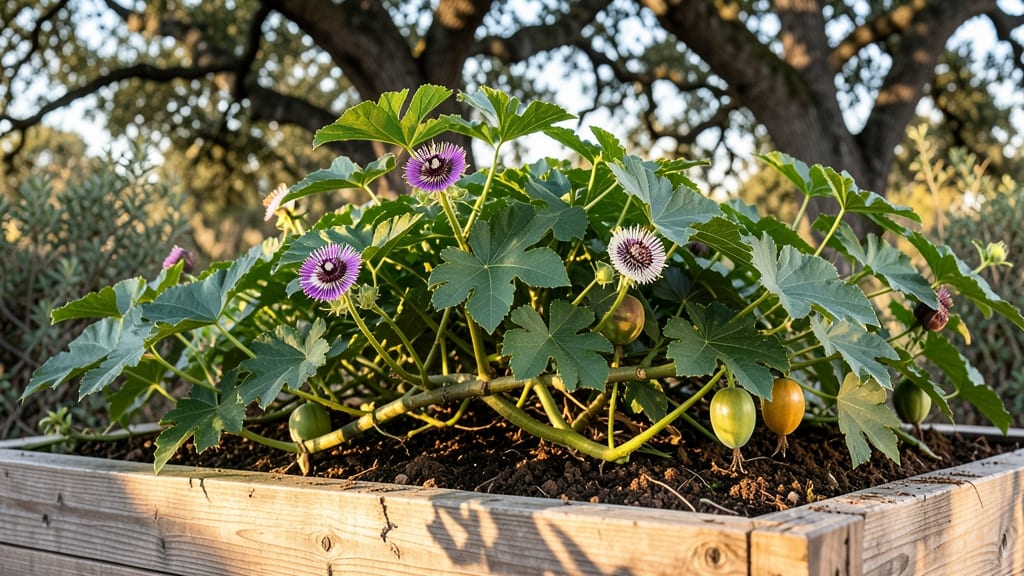
Your passion fruit bush can produce fruit year-round with just four strategic cuts—and I’ll show you exactly how. 🌿 Pruning isn’t just about shaping the vine; it’s about directing energy into more vines, bigger flowers, and a heavier harvest.
My first passion fruit plant went from a tangled mess to a productive powerhouse after I learned these simple techniques.
This tropical beauty thrives in zones 8-11, but with winter protection, you can grow it as far north as zone 7. The key is pruning at the right times: after harvest, before spring growth, during summer growth spurts, and after frost.
Each cut serves a purpose—whether it’s encouraging new shoots or preventing disease. You’ll need sharp pruners, gloves, and a clear plan to avoid over-trimming.
By the end of summer, you’ll be picking bright orange or purple fruits that taste like tropical candy. The vines become easier to manage, and the plant focuses all its energy on producing fruit instead of wild growth.
Plus, pruning makes it easier to spot pests or diseases early. Let’s get those shears ready!
Works for both Passiflora edulis (purple passion fruit) and Passiflora edulis flavicarpa (yellow passion fruit). Whether you’re growing in containers or training along a trellis, these cuts will transform your bush into a fruit-producing machine. Here’s how to do it step by step!
📚 In This Guide
- What you need
- Instructions
- Tips and common mistakes
- Wrapping up and next steps
What you need
- ● Pruning shears: Bypass pruners (sharp, clean, and blank">bypass-style—avoid anvil pruners to prevent crushing stems). Quantity: 1 pair (or 2 if your bush is large).
- ○ Loppers: For thicker branches (½”–1.5” diameter). Quantity: 1 pair (optional but helpful for mature bushes).
- ● Gloves: Heavy-duty, cut-resistant gloves (passion fruit vines have thorns!). Quantity: 1 pair.
- ● Disinfectant: 70% isopropyl alcohol or a blank">gardening disinfectant (to sterilize tools between cuts). Quantity: Small spray bottle.
- ● Rake or broom: For clearing debris after pruning. Quantity: 1.
- ● Hand saw: For stubborn, thick branches (if loppers aren’t enough). Quantity: 1.
- ● Pruning sealant: (e.g., tree wound dressing) to coat large cuts (controversial but some swear by it!).
- ● Marking twine or flags: To tag branches for removal (useful for complex pruning plans).
- ● Wheelbarrow or bucket: For collecting pruned branches and debris.
- ● ✅ Know your passion fruit variety: Some (like Passiflora edulis) are more vigorous than others—adjust pruning intensity accordingly.
- ● ✅ Check the weather: Prune on a dry, overcast day (avoid pruning in extreme heat or rain).
- ● ✅ Gather your pruning plan: Sketch a rough map of cuts (use the 4 strategic cuts from this guide as your blueprint!).
How to prune passion fruit bushes for maximum fruit production
Here's the pruning method I've used to double my harvest—timing and technique matter more than you'd think.
✂️ Step 1: Early Spring Cleanup Cut (Late February)
Start by removing all dead, diseased, or crossing branches—these compete for energy and invite pests. I grab my pruners and work from the bottom up, cutting back to a healthy outward-facing bud. Passion vines grow aggressively, so I never remove more than one-third of the plant in any single session.
Look for woody stems that produced fruit last season. These are your oldest growth and should be pruned back to 12-18 inches from the ground. This encourages new, more productive growth from the base. The key is to leave 3-5 strong canes—these will become your primary fruit-bearing stems.
✂️ Step 2: Post-Harvest Summer Prune (June-July)
After your first harvest, it's time to shape the plant for the next wave of fruit. I focus on removing spent flower clusters—these are the dried-up remains after fruit has formed. Cut them back to the nearest leaf node where new growth can emerge.
Next, I trim any leggy or overly long vines that aren't producing fruit. These are energy vampires. Cut them back to within 6 inches of a leaf node where two or three leaves are clustered. This forces the plant to redirect energy toward fruit production rather than excessive vine growth.
✂️ Step 3: Late Summer Growth Control (August-September)
This is where most gardeners miss the mark. By late summer, your passion fruit bush is either overgrown or already slowing down. I prune only the tips of vigorous new growth—about 4-6 inches back—to encourage bushier, more productive growth.
Watch for suckers (small shoots growing from the base or along the main stems). These are tempting to leave, but they steal energy from your main fruit-bearing canes. Snip them off at the base. The goal here is to balance growth—you want a plant that's compact enough to manage but still has plenty of surface area for sunlight and fruit development.
✂️ Step 4: Winter Dormancy Prune (November-December)
When the plant goes dormant, it's time for the hardest prune of the year. I cut back all canes by 50%—this might sound drastic, but passion fruit bushes thrive on aggressive winter pruning. The idea is to remove last year's fruit-bearing wood and stimulate fresh, vigorous growth from the base.
Leave only 2-3 of the strongest, healthiest canes standing. These will become next year's primary producers. I also remove any weak, thin, or diseased stems—these won't contribute to next season's harvest. After pruning, I apply a light layer of compost around the base to protect the roots during winter.
🌿 Step 5: Year-Round Maintenance Trims
Between the major cuts, I do quick monthly checks for anything that looks out of place. Yellowing leaves? Prune them off immediately—they're a sign of stress or disease. Overly crowded growth? Thin it out to improve airflow and reduce humidity-related issues like fungal diseases.
I also train the vines along a trellis or fence. This isn't just for aesthetics—proper support ensures even sunlight exposure and makes fruit easier to harvest. If a vine starts growing away from the structure, I gently tie it back in place. Passion fruit bushes reward consistent care with bigger, sweeter fruit and longer harvest seasons.
Tips & tricks for perfect passion fruit bush pruning
Pruning passion fruit bushes isn't rocket science, but these small details make all the difference between a modest harvest and a bountiful one.
Timing is Everything: The four seasonal cuts in the instructions are non-negotiable, but I've found that working during overcast mornings reduces stress on the plant. Early morning pruning also gives the cuts time to dry before evening humidity sets in, which helps prevent fungal infections. In Step 1, don't rush—take your time identifying those woody stems from last season's growth. They're your plant's energy reserves waiting to be redirected.
Tool Selection Matters: While regular pruners work for most cuts, invest in a sharp bypass pruner for thicker stems (those 12-18 inch cuts in Step 1). Dull blades crush stems instead of cleanly cutting them, which invites disease. I also keep a pair of sterilized pruners (wipe with rubbing alcohol between cuts) to prevent spreading any potential pathogens. For those suckers in Step 3, small handheld pruners make the job much easier than reaching for larger tools.
Visual Cues for Perfect Cuts: When pruning back to leaf nodes in Step 2, look for nodes where you can see two or three leaves clustered together. These are your growth points. For the 4-6 inch tip pruning in Step 3, imagine cutting back to just above where the leaves start getting noticeably smaller—that's your target. And in Step 4's winter prune, focus on leaving canes that are at least pencil-thick—anything thinner won't produce well next season.
Post-Pruning Care: After any major pruning session, I give my plants a light application of compost tea (mixed 1:10 with water) around the base. This helps the plant recover faster by providing readily available nutrients. For the winter prune in Step 4, I also add a 2-3 inch layer of mulch around the base (but keep it away from the stems) to protect roots from temperature fluctuations. This simple step has helped my plants bounce back stronger each spring.
Pro Tips for Passion Fruit Bush
- Pruning passion fruit bushes isn't rocket science, but these small details make all the difference between a modest h...
- Timing is Everything: The four seasonal cuts in the instructions are non-negotiable, but I've found that working duri...
- Tool Selection Matters: While regular pruners work for most cuts, invest in a sharp bypass pruner for thicker stems (...
Frequently asked questions
Got questions about growing and maintaining your passion fruit bush? You’re not alone!
Whether you’re a first-time gardener or a seasoned pruner, these answers will help you keep your vine thriving and productive year-round.
How often should I prune my passion fruit bush?
Prune your passion fruit bush 4 times a year—just like the article suggests! Light trims after harvests (spring and summer) keep the plant manageable, while heavy pruning in late winter (before new growth starts) promotes stronger, fruit-bearing branches. Over-pruning can stress the plant, so stick to the seasonal schedule!
Can I prune my passion fruit bush in winter?
Yes, but only in mild climates. If frost is a risk, wait until late winter or early spring when temperatures stay above freezing. In colder zones, prune just after the last frost to avoid damaging tender new growth. Passion fruit vines are tropical—they hate cold!
Will pruning reduce my passion fruit harvest?
Not if done right! Pruning increases fruit production by directing energy to healthier, more productive branches. Remove crowded or weak growth to improve airflow and sunlight exposure—key for sweet, abundant fruit. Think of it like giving your plant a haircut for success!
What if my passion fruit bush isn’t flowering after pruning?
Check these fixes:
- Light levels: Passion fruit needs 6+ hours of direct sun daily—move it if shaded.
- Fertilizer: Use a balanced, citrus-friendly fertilizer (high in phosphorus for blooms).
- Watering: Drought stress stops flowers—keep soil consistently moist but not soggy.
- Age: Young vines (under 1 year) may need time—be patient!
Can I grow passion fruit indoors?
Possible, but challenging! Passion fruit vines are large, fast-growing climbers that need 10+ feet of space and bright light. If you try it:
- Use a strong trellis or tall cage near a south-facing window.
- Supplement with grow lights (12+ hours/day).
- Expect smaller fruit—outdoor vines yield better.
Wrapping up and next steps
Growing a thriving passion fruit bush is all about timing, technique, and a little patience! 🌱 By mastering the four strategic cuts—spring flush, summer shaping, post-harvest renewal, and winter dormancy—you’ll unlock a year-round harvest of sweet, tangy fruit.
Remember, pruning isn’t just about trimming; it’s about encouraging healthy growth, better airflow, and bigger yields.
Ready to take your passion fruit bush to the next level? Start small: pick one season to practice, gather your tools, and get your hands dirty! With each cut, you’re not just pruning—you’re shaping the future of your harvest. Happy pruning! 🍈✂️