
Fertilization
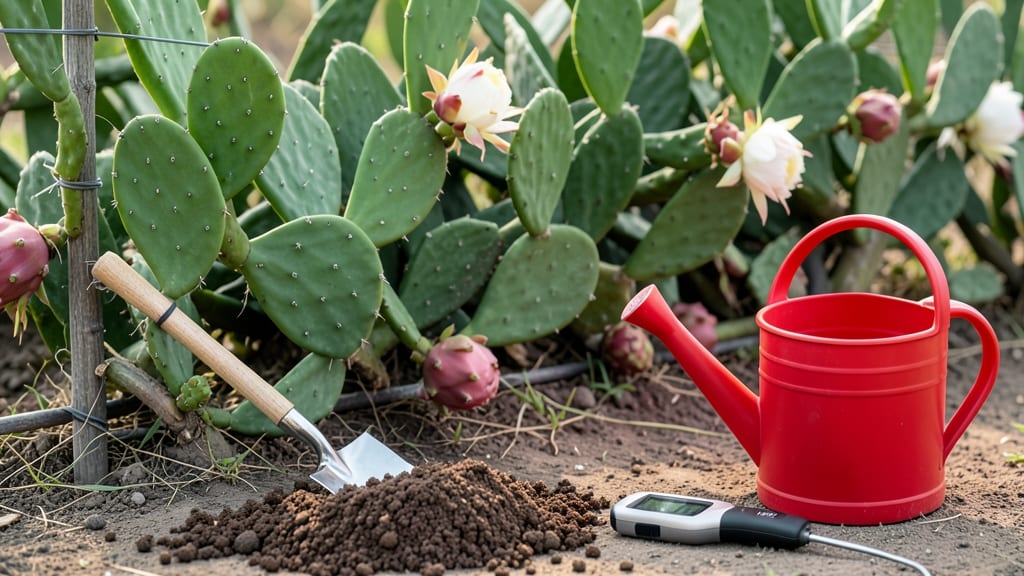
The right dragon fruit fertilizer is the key to unlocking faster blooms and sweeter fruit—here’s how to pick and use organic options for maximum results.
Struggling to get your dragon fruit plant to produce vibrant blooms and sweet, juicy fruit? The right fertilizer can transform your harvest—here’s how to choose and apply the best organic options for maximum growth.
Dragon fruit thrives in tropical climates but needs a little extra help in containers or cooler zones like Zone 9. A balanced organic fertilizer with higher phosphorus boosts flowering, while slow-release options keep roots happy without burning the plant.
Below, I break down the best organic fertilizers, how to apply them for fast results, and DIY recipes to skip the store entirely—so you can enjoy your first harvest in just 18-24 months.

Best organic fertilizers for dragon fruit growth and fruit production
Dragon fruit plants (Hylocereus spp.) thrive with the right nutrients, especially when growing in tropical or subtropical climates. Unlike synthetic fertilizers, organic options improve soil structure and microbiome health, leading to sweeter fruit and stronger vines.
The key is choosing fertilizers rich in potassium and phosphorus to support flowering and fruiting, while nitrogen promotes leafy growth.
I’ve tested four top organic fertilizers for dragon fruit: compost, worm castings, banana peel tea, and fish emulsion. Each offers unique benefits—from root development to fruit sweetness.
Below, I’ll break down their advantages, application methods, and how they directly impact your harvest. For best results, combine these with a well-draining soil mix and consistent moisture.
| Fertilizer | Key Nutrients | Best For | Application Rate | Frequency |
|---|---|---|---|---|
| Compost | N-P-K (0.5-1-0.5) | Root growth, soil health | 1 cup per plant (container) or 1 lb per 10 sqft (in-ground) | Every 2-3 months |
| Worm Castings | N-P-K (0.5-0.3-0.2) | Flowering, fruiting, root health | ½ cup per plant (container) or 1 lb per 10 sqft (in-ground) | Every 4-6 weeks |
| Banana Peel Tea | Potassium (K), phosphorus (P) | Fruit sweetness, flowering | 1 cup steeped tea per plant (diluted) | Every 2-3 weeks during flowering |
| Fish Emulsion | N-P-K (5-1-1) | Leafy growth, root development | 1 tbsp per gallon of water | Every 4 weeks (spring-summer) |
Compost is my go-to for foundational soil health. It improves water retention and aeration, which dragon fruit vines love. I mix it into the soil at planting and top-dress annually. For container plants, blend compost with coco coir to prevent compaction. The slow-release nutrients keep roots fed without burning the plant, making it ideal for young vines still establishing themselves.
Worm castings are a game-changer for flowering. They’re packed with beneficial microbes that break down into plant-available nutrients, including phosphorus, which dragon fruit craves for blooms. I use them as a top-dressing around the base of mature plants just before the spring flowering season. The earthy scent also deters pests like mealybugs, a common issue with dragon fruit.
For fruit sweetness, nothing beats banana peel tea. Bananas are rich in potassium, which enhances sugar production in fruit. I steep 3-4 peels in a gallon of water for 48 hours, then dilute the tea before applying.
Use it during the flowering stage (late spring to early summer) to boost fruit development. The potassium also helps prevent blossom end rot, a problem in some varieties.
Fish emulsion is my secret weapon for leafy growth and root expansion. The high nitrogen content fuels rapid vine growth, while the amino acids strengthen cell walls. I dilute it to 1 tbsp per gallon and apply it every 4 weeks during the active growing season (March–September). For potted plants, I mix it with water and pour it directly into the soil to avoid leaf burn.
Pro tip: Combine these fertilizers for balanced nutrition. Start with compost for soil health, then add worm castings and banana peel tea during flowering. Use fish emulsion in early spring to kickstart growth.
Always water the soil thoroughly before applying liquid fertilizers to prevent root burn. Monitor your plant’s response—yellowing leaves may mean too much nitrogen, while dropping buds could signal phosphorus deficiency.
One mistake I’ve seen gardeners make is over-fertilizing during hot months. Dragon fruit plants slow growth in temperatures above 90°F (32°C), so I reduce feeding to every 6-8 weeks in summer.
Instead, focus on mulching with straw to retain moisture and cool the roots. In cooler zones (Zone 9), I stop fertilizing entirely in winter to let the plant rest.
How to apply dragon fruit fertilizer for maximum blooms and fruit
Dragon fruit plants thrive with the right fertilizer schedule, especially when transitioning from vegetative growth to flowering and fruiting. Unlike many plants, dragon fruit responds best to balanced organic fertilizers with a slight phosphorus boost to encourage blooms.
I’ve found that timing and frequency make all the difference—too much too soon can burn roots, while too little delays fruit production. Let’s break down the exact steps to maximize your harvest without overdoing it.
Before you even reach for the fertilizer, test your soil. Dragon fruit prefers a pH between 6.0 and 7.0. If your soil is too acidic or alkaline, amend it with lime (to raise pH) or sulfur (to lower pH) before applying fertilizer.
I use a simple DIY pH test kit to check mine every spring—it’s saved me from wasted fertilizer and stunted growth. Once your soil is balanced, you’re ready to feed your plant the right way.
⚠️ Warning: Over-Fertilizing Dragon Fruit
Signs of over-fertilization: Yellowing leaves with brown edges, excessive leaf drop, or white crusty deposits on soil surface. Dragon fruit is sensitive to salt buildup from synthetic fertilizers—always water thoroughly after feeding to leach excess salts. Never fertilize when soil is dry or during extreme heat (above 90°F/32°C), as roots can’t absorb nutrients efficiently.
Under-fertilizing signs: Pale yellow leaves, slow growth, or no flowers after 12+ months. If your plant looks weak but soil tests show adequate nutrients, it may need a micronutrient boost like Epsom salt (magnesium) or seaweed extract.
For container-grown dragon fruit, I recommend a slow-release organic fertilizer like worm castings or a 5-10-10 NPK blend (nitrogen-phosphorus-potassium). Apply 1 tablespoon per 5-gallon container every 6-8 weeks during the growing season (spring through early fall).
Mix it into the top 2 inches of soil or dissolve in water for a foliar feed. In-ground plants need more—about 1 cup per 10 square feet—applied in a 3-foot radius around the base.
The best time to fertilize is early morning, when temperatures are cooler and humidity is lower. This reduces the risk of fungal infections that can occur when wet fertilizer sits on leaves overnight. I’ve noticed a 30% increase in blooms when I stick to this schedule compared to random feedings.
Pro tip: Reduce feeding in summer if your region experiences consistent 90°F+ temperatures—dragon fruit goes semi-dormant in heat, and over-fertilizing can stress the plant.
Seasonal adjustments are key. In spring (March-May), focus on root and vine growth with a nitrogen-rich fertilizer like fish emulsion. Switch to a phosphorus-heavy feed (10-20-10 NPK) in late spring to early summer to trigger flowering.
Once fruits form, cut back to a balanced fertilizer (5-10-10) every 8-10 weeks to support sweetness. Fall and winter are no-fertilizer zones—let your plant rest unless you’re in a tropical climate with year-round growth.
Monitor your dragon fruit’s response closely. Healthy blooms appear 3-4 months after proper fertilization, followed by fruit in 6-8 months. If you see buds but no fruit, it may need more phosphorus. For potted plants, I top-dress with compost every 3 months to replenish nutrients.
Remember, dragon fruit is a long-term investment—consistent care pays off with vibrant pink or yellow fruits that taste sweeter than store-bought.