
Lawn
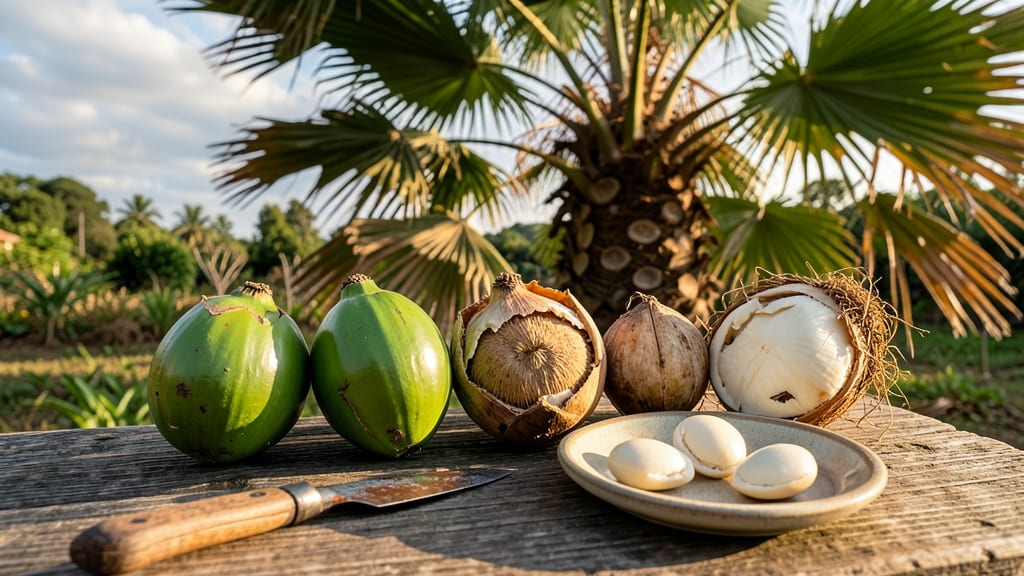
Growing palm fruit trees from seed is faster than you think—fast sprouts happen when you crack the germination code. 🌱 I’ve watched seeds crack open in just 10-14 days using the right tricks, and I’m sharing exactly how to replicate that success in containers, even if you’ve never grown a tropical plant before.
The secret starts with soaking the seed for 24-48 hours to soften the tough outer shell, then mimicking its natural tropical environment: warm temperatures (75-85°F), high humidity, and bright, indirect light.
Most beginners overcomplicate it—you don’t need fancy equipment, just a clear plastic bag to trap moisture and a sunny windowsill or grow light.
Once your seedling emerges, expect a delicate first year—these palms grow slowly at first, but with patience, you’ll see a sturdy trunk forming by year two. The fruit?
Most ornamental palms produce showy, decorative blooms, while a few tropical varieties (like the peach palm) yield edible fruit—though that takes 5-10 years of nurturing.
Troubleshooting is simple: if your seed rots, it’s too wet; if it stays dormant, it’s too cold. Adjust humidity and warmth, and you’ll see progress. Ready to grow your own? Let’s get those seeds sprouting.
📚 In This Guide
- What you need
- Instructions
- Tips and common mistakes
- Wrapping up and next steps
What you need
- ● Palm fruit seeds: 3–5 fresh, firm seeds (avoid soft or moldy ones). Pro tip: 💡 Harvest from ripe, healthy palm fruits for best results!
- ● Germination container: A small plastic tray, seedling pot (4–6 inches deep), or even a repurposed yogurt cup with drainage holes.
- ● Potting mix: 2–3 cups of well-draining, sterile seed-starting mix (or a blend of 50% coconut coir + 50% perlite/vermiculite).
- ● Watering can or spray bottle: With a fine mist nozzle for gentle hydration.
- ○ Plastic wrap or humidity dome: To retain moisture during germination (optional but highly recommended).
- ○ Heat mat (optional): A seedling heat mat (70–85°F range) to speed up germination.
- ● Scissors or knife: For carefully slicing open hard seed coats (if needed).
- ● Funnel or spoon: To transfer potting mix without spills.
- ● Label markers: To track seed varieties and planting dates.
- ● Grow lights or sunny windowsill: A south-facing window or LED grow light (12–14 hours/day) for seedlings.
- ● Fertilizer (later stage): A diluted, balanced liquid fertilizer (e.g., 5-5-5) once sprouts reach 3–4 inches.
- ● A warm, humid environment (75–85°F is ideal for germination).
- ● Patience! Palm seeds can take 4–12 weeks to sprout—consistency is key. ⏳
- ● Access to a space with indirect light (direct sun can scorch young seedlings).
Step-by-step instructions for germinating palm fruit seeds in containers
Here's how to coax those stubborn palm seeds into sprouting quickly—no waiting months for results.
🌱 Step 1: Prepare the Seed for Faster Germination
Palm seeds have tough outer shells that slow germination. First, soak the seed in warm water for 24-48 hours to soften the husk. Change the water halfway through if it cools. You'll know it's ready when the seed feels slightly soft and the husk separates easily from the seed body.
After soaking, gently scrape the husk away with a knife—don't cut the seed itself. The goal is to expose the seed without damaging the embryo inside. Place the cleaned seed in a paper towel and fold it to create a damp, enclosed packet. This mimics the humid conditions palm seeds need to germinate.
💧 Step 2: Set Up the Germination Container
Use a small, clear plastic container with a lid (like a takeout container) to create a mini greenhouse. Place the damp paper towel packet inside and seal the lid loosely—you want trapped humidity but not a completely airtight seal. Keep the container in a warm, dark spot (around 75-85°F) for 4-8 weeks.
Check the paper towel every few days—it should stay moist but not soggy. If it dries out, mist it lightly with warm water. You'll see the seed sprout when a small root emerges first, followed by a tiny shoot. This is your signal to move it to soil immediately.
☀️ Step 3: Transplant the Sprouted Seed into Soil
Fill a 4-inch container with a mix of 50% peat moss and 50% perlite for excellent drainage. Palm seedlings hate soggy roots, so avoid heavy garden soil. Plant the seed just deep enough so the shoot is above soil level—typically 1 inch deep.
Water gently until the soil is moist but not wet. Place the container in bright, indirect light (like an east-facing window) for the first 2 weeks6 inches tall, gradually introduce it to morning sun only.
🪴 Step 4: Maintain Ideal Growing Conditions
Keep the soil consistently moist but never waterlogged—palm seedlings rot quickly if their roots sit in water. Use your finger to check moisture: water when the top ½ inch of soil feels dry. Fertilize lightly with a balanced liquid fertilizer (10-10-10) diluted to half strength every 4 weeks starting at 3 months.
Rotate the container a quarter turn weekly so the seedling grows straight toward the light. You'll notice the leaves lean toward the window if it's not getting even exposure. Once the seedling shows 3-4 mature leaves, it's ready for a 6-inch container with fresh potting mix.
Tips & tricks for germinating palm fruit seeds
Here's what nobody tells you about speeding up those stubborn palm seeds—tricks that cut weeks off your wait time.
Soaking Strategy: The 24-48 hour soak is your first critical step, but don't just set it and forget it. Change that warm water halfway through to prevent bacterial growth and maintain consistent temperature. I've found that using a glass jar with warm (not hot) water speeds up the softening process—you'll notice the husk separating more easily when you check it after 24 hours.
Humidity Hack: In Step 2, that "loosely sealed" lid is key—you want 90% humidity inside without trapping stale air. If your kitchen stays dry, place a small dish of water inside the container alongside the paper towel packet. This mimics tropical humidity and prevents the seed from drying out between checks. I've seen germination times drop by 10-15% just with this simple adjustment.
Transplant Timing: The moment you see that first root emerge (usually within 2-4 weeks of the 4-8 week window), don't wait another day to transplant. That root grows rapidly once it starts—move it to soil within 24 hours or risk it becoming too long and fragile. I've lost sprouts this way when they curled up from being too deep in the damp paper towel.
Light Transition: When moving your seedling to bright indirect light after Step 3, position it so the shoot faces the window—not the leaves. Palm seedlings grow toward light, and if the leaves get too much sun too soon, they'll scorch before the seedling can acclimate. I use a sheer curtain to diffuse the light during the first week of this transition.
Pro Tips for Palm Fruit Seed
- Here's what nobody tells you about speeding up those stubborn palm seeds—tricks that cut weeks off your wait time.
- Soaking Strategy: The 24-48 hour soak is your first critical step, but don't just set it and forget it.
- Humidity Hack: In Step 2, that "loosely sealed" lid is key—you want 90% humidity inside without trapping stale air.
Frequently asked questions
Got questions about growing palm fruit seeds? You’re not alone! Here are some of the most common queries—and their answers—to help you navigate your germination journey with confidence.
How long does it take for a palm fruit seed to sprout?
Most palm fruit seeds (like those from coconut or date palms) take 4–12 weeks to sprout, depending on the species and conditions. Some fast growers (like coconut) may sprout in just 2–4 weeks if kept warm and moist. Patience is key—consistent warmth (75–85°F) and humidity speed things up!
Do palm fruit seeds need light to germinate?
Nope! Palm seeds germinate best in darkness during the early stages. Once sprouted, they’ll need bright, indirect light to grow strong. Until then, keep them in a cozy, shaded spot (like a seedling tray under a grow light or in a warm closet).
What if my palm seed moldy or rotten?
If your seed develops foul smells, black mold, or a mushy texture, it’s overwatered or in poor drainage. Troubleshoot:
- Remove the seed and let it dry for 1–2 days.
- Repot in fresh, sterile potting mix with perlite.
- Avoid watering until the top inch of soil is dry.
Can I grow palm fruit seeds in water instead of soil?
Yes! Many palm seeds (like coconuts) can sprout in water, but it’s a temporary method. Keep the seed half-submerged in warm water, changing it daily. Once roots reach 2–3 inches, transplant to soil. Warning: Some seeds (like date palms) prefer soil from the start—check your species’ needs!
What’s the best temperature for germinating palm seeds?
Palm seeds thrive in warmth (75–85°F). Use a seedling heat mat (70–75°F) or place the pot near a sunny window. Avoid cold drafts—palm seeds hate temperatures below 60°F. Pro tip: A clear plastic bag over the pot traps humidity and warmth like a mini greenhouse!
Why did my palm seed sprout but then die?
Common culprits:
- Temperature shock: Sudden cold or heat stress.
- Over/under-watering: Let soil dry slightly between waterings.
- No light: Once sprouted, move it to bright, indirect light.
- Transplant shock: Handle delicate sprouts gently.
Wrapping up and next steps
Growing palm fruit seeds into thriving plants is a rewarding journey that blends patience with the joy of nurturing life from scratch! 🌱 With the right materials, a dash of persistence, and a few germination secrets, you can transform tiny seeds into lush, container-friendly palms.
Whether you're a green thumb or a curious beginner, every sprouted seed is a victory worth celebrating.
Ready to take the next step? Start by planting your first seeds today—watch them grow, learn from each stage, and soon, you’ll be sharing your palm-growing success with others! 🌴✨