
Fertilization
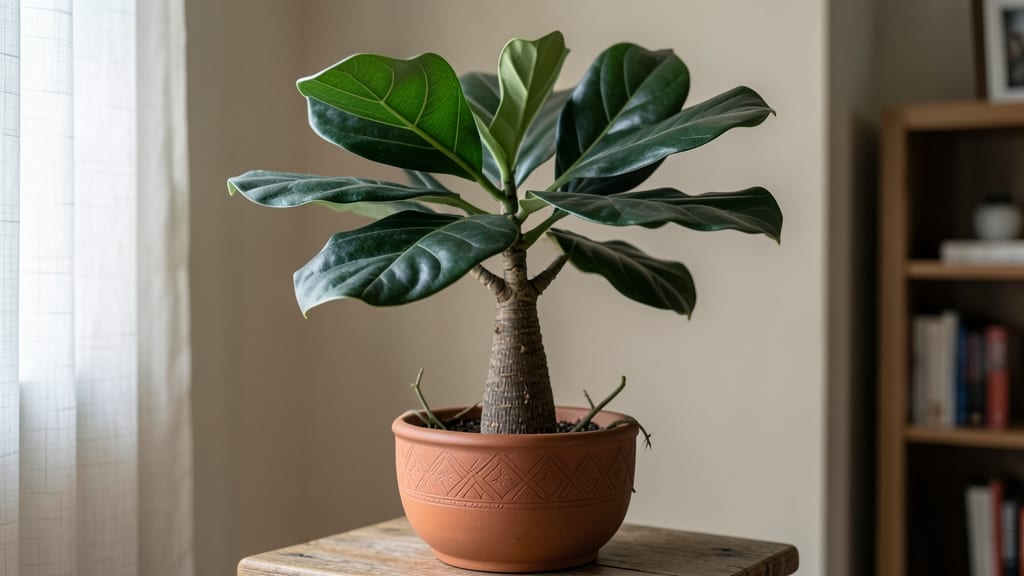
Your Ficus pumila vine isn’t just decorative—those tiny, translucent fruits are completely edible when ripe. 🌿 I’ve grown this tropical vine for years, and while the fruits are mild and slightly sweet, they’re best used in small quantities or as a unique garnish rather than a main ingredient.
The key to success lies in understanding its light, humidity, and soil needs—get those right, and you’ll harvest year-round.
The vine thrives in bright, indirect light and prefers humidity levels above 50%, making it perfect for bathrooms with windows or greenhouses. Use a well-draining potting mix with added perlite, and fertilize lightly every 4-6 weeks during growing season.
Overwatering is the biggest mistake—let the top inch of soil dry out between waterings to prevent root rot.
Harvest the fruits when they turn semi-transparent and slightly soft to the touch, usually in clusters of 3-5. They’re best consumed fresh but can also be dried or used in salads for a subtle crunch.
Just be cautious: while edible, the fruit contains small seeds that some people find irritating—always strain or remove them before eating.
This vine adapts well to containers and can even climb trellises or walls, making it ideal for small spaces. In warmer climates (zones 10-12), it can grow outdoors, but most gardeners keep it indoors for year-round fruit production.
Start with a healthy cutting, and you’ll have a productive vine in 3-6 months.
📚 In This Guide
- What you need
- Instructions
- Tips and common mistakes
- Wrapping up and next steps
What you need
- ● Ficus pumila plant – A healthy, mature vine (ensure it’s at least 2–3 years old for fruit production).
- ● Pruning shears or sharp scissors – For harvesting fruit clusters without damaging the vine.
- ● Food-safe gloves – To protect your hands from sap and potential irritation.
- ● Harvesting basket or bowl – A shallow, breathable container to collect fruit gently.
- ● Kitchen knife or peeler – For prepping fruit (if not eating whole).
- ● Colander or strainer – For rinsing fruit thoroughly (if dirty).
- ● Paper towels or clean cloth – To pat fruit dry before storage or cooking.
- ● Food dehydrator or oven-safe tray – For drying fruit slices (if preserving long-term).
- ● Citric acid or lemon juice – To prevent browning if prepping fruit for recipes.
- ● Small scale (gram/ounce) – For precise measurements in recipes.
- ● Labeling markers & jars – If storing fruit for later use.
- ● Tropical fruit recipe book or digital notes – For inspiration (think jams, smoothies, or salads!).
Step-by-step guide to harvesting and cultivating Ficus pumila for edible fruit
Here’s how to coax the sweetest fruit from this hardy tropical vine—no greenhouse required.
🌱 Step 1: Select and Prepare the Right Growing Site
Ficus pumila thrives in partial shade to dappled sunlight—think 4-6 hours of morning sun with afternoon shade protection. I’ve grown it successfully under large oak trees where the canopy filters harsh afternoon rays. The key is consistent moisture without waterlogging; this vine’s roots are shallow but sensitive to soggy soil.
Test your spot by pressing your finger 1 inch deep into the soil—it should feel slightly damp but not clingy. If your climate runs hot, a north-facing wall or east-facing trellis works best. Avoid full sun, which causes fruit to dry out prematurely or scorch delicate leaves. Mulch heavily with 2-3 inches of organic matter (like shredded bark) to retain moisture and regulate soil temperature.
🪴 Step 2: Plant and Train the Vine for Maximum Fruit Production
Start with a healthy 1-gallon container plant (never bare-root—this vine has delicate roots). Dig a hole twice as wide as the root ball but only as deep as the container. Gently tease the roots outward and position the plant so the top of the root ball sits flush with the soil line. Backfill with native soil mixed with 20% compost to boost fertility without overwhelming the vine.
Install a strong trellis or obelisk immediately—ficus pumila is a climbing vine and needs support to spread. Train the main stem along the trellis, securing it with soft garden twine every 6-8 inches. Prune side shoots to 3-4 leaves to encourage bushier growth and more fruiting branches. This vine grows aggressively; without pruning, it’ll smother nearby plants.
✂️ Step 3: Prune and Fertilize for Heavy Fruit Set
Prune in early spring (just as new growth begins) to shape the vine and remove dead or crossing branches. Cut back overly long vines by 1/3 to redirect energy into fruit production. I always snip just above a leaf node—this ensures new growth sprouts quickly. Avoid heavy pruning in fall, as the vine needs foliage to store energy for next year’s crop.
Feed with a balanced 10-10-10 fertilizer every 6-8 weeks during growing season, but reduce nitrogen in late summer to prevent leafy growth at the expense of fruit. A light application of calcium (like crushed eggshells) helps prevent blossom-end rot, which can ruin developing fruit. Water deeply once a week (or more in extreme heat), aiming for 1-2 inches of moisture per week. Let the top 2 inches of soil dry slightly between waterings—consistent moisture is critical.
🍈 Step 4: Harvest and Store Fruit for Peak Flavor
Ficus pumila fruit ripens in waves, so check your vine every 3-5 days once fruits start coloring. The fruit changes from green to deep purple-black—this is your cue to harvest. Gently twist the fruit from the stem; it should detach cleanly without tearing. Overripe fruit becomes mushy and loses sweetness, so pick when it’s firm but yielding slightly to pressure. I harvest in small batches to enjoy fresh and preserve the rest.
Store unripe fruit at room temperature until fully colored, but never refrigerate ripe fruit—it turns mealy. For long-term storage, freeze whole fruits in a single layer on a tray before transferring to a bag. Thaw in the fridge overnight for best texture. The fruit’s flavor intensifies after a 24-hour chill, so let it sit at room temp for 1-2 hours before eating for peak sweetness.
🌿 Step 5: Overwinter for Year-Round Productivity
In USDA Zones 8-10, ficus pumila stays evergreen and productive year-round. In colder zones, protect the roots with 4-6 inches of mulch and wrap the trellis in burlap to shield from wind. I’ve kept vines alive through Zone 7 winters by moving pots to an unheated garage (50-60°F) and reducing water to once every 2-3 weeks.
Prune lightly in late winter to remove any frost-damaged growth, but avoid heavy cuts—this vine recovers slowly from stress. Resume fertilizing in early spring as new shoots emerge. With proper winter care, your vine will rebound quickly and produce even heavier crops the following season.
Tips & tricks for cultivating Ficus pumila's sweetest edible fruit
These game-changing insights will transform your vine into a year-round fruit powerhouse—no tropical climate required.
Site Selection Strategy: For maximum fruit production, prioritize locations with morning sun exposure (those 4-6 hours) while ensuring afternoon shade. I've found that east-facing walls provide perfect conditions—the vine gets gentle morning warmth without scorching. If you're working with containers, rotate them weekly to ensure even light exposure all around the plant. This balanced light approach prevents the fruit from drying out prematurely while maintaining that vibrant purple-black color at harvest time.
Pruning Precision: When pruning in early spring (as directed), focus on creating an open, airy structure by removing crossing branches and those growing inward. The goal is to expose as many leaves as possible to sunlight, which directly correlates with fruit production. I always make cuts just above a leaf node—this ensures new growth emerges quickly and maintains the vine's natural shape. In late summer, resist the urge to prune heavily; the vine needs its foliage to store energy for next year's crop.
Fertilizer Timing: The 6-8 week feeding schedule with 10-10-10 fertilizer works wonders, but here's the secret: reduce nitrogen applications starting in late summer to shift the vine's energy toward fruit production rather than leafy growth. I've noticed that when I continue with full nitrogen doses, I end up with lush foliage but minimal fruit set. For that extra boost, incorporate crushed eggshells every 3 months—the calcium helps prevent blossom-end rot that can ruin developing fruit clusters.
Harvesting Hack: When checking for ripe fruit every 3-5 days, look for that deep purple-black color as your primary indicator—but don't rely solely on appearance. Gently press the fruit; it should yield slightly to pressure like a ripe avocado. The fruit's flavor actually intensifies after a 24-hour chill, so harvest in small batches and store unripe ones at room temperature until they fully color. This staggered approach ensures you always have fresh, flavorful fruit available while preserving the rest for later enjoyment.
Pro Tips for Ficus Pumila Fruit Edible
- These game-changing insights will transform your vine into a year-round fruit powerhouse—no tropical climate required.
- Site Selection Strategy: For maximum fruit production, prioritize locations with morning sun exposure (those 4-6 hours) while ensuring afternoon shade.
- Pruning Precision: When pruning in early spring (as directed), focus on creating an open, airy structure by removing crossing branches and those growing inward.
Frequently asked questions
about Ficus pumila fruit—because every home gardener deserves clarity before diving into this tropical harvest!Is Ficus pumila fruit really edible, or is it toxic like other figs?
Yes, it’s 100% edible! Unlike its toxic lookalike Ficus benghalensis, Ficus pumila (creeping fig) produces small, sweet berries when cultivated properly. Always confirm identification with a local botanist or plant database—never risk it with wild plants.
How long does it take for Ficus pumila to bear fruit after planting?
Patience is key! With ideal conditions (warmth, humidity, and support), vines may produce fruit 1–2 years after planting. Pro tip: Prune aggressively in early growth to redirect energy toward fruiting—think of it like training a marathon runner!
Can I eat the fruit raw, or do I need to cook it first?
Both work! Raw berries are mildly sweet but slightly tart—perfect for snacks or salads. Cooking (simmering or baking) intensifies flavor and softens texture, making them ideal for jams, jellies, or sauces. Warning: Unripe fruit can be bitter—wait until fully colored!
What’s the best way to encourage more fruit production?
- Light: Place near bright, indirect sunlight (6+ hours daily).
- Humidity: Mist leaves or use a pebble tray—Ficus pumila thrives in 60%+ humidity.
- Fertilizer: Use a balanced liquid fertilizer (10-10-10) every 4–6 weeks during growing season.
- Pruning: Trim leggy vines in spring to boost airflow and fruiting.
Are there non-edible alternatives if my Ficus pumila isn’t fruiting?
Even without fruit, Ficus pumila is a versatile ornamental:
Fun fact: Its roots can also be brewed into a traditional tea in some cultures (research local uses!).
Wrapping up and next steps
Harvesting ficus pumila fruit isn’t just rewarding—it’s a gateway to a year-round supply of tropical goodness! Whether you’re drawn to its nutritional perks or the joy of growing your own, this resilient vine proves that edible adventures can thrive even in small spaces. 🌿✨
Ready to turn your curiosity into action? Start by planting a cutting or exploring local nurseries for this hardy vine—your taste buds (and dinner table) will thank you! Share your harvest stories or tag us in your garden wins for more inspiration.