
Fertilization
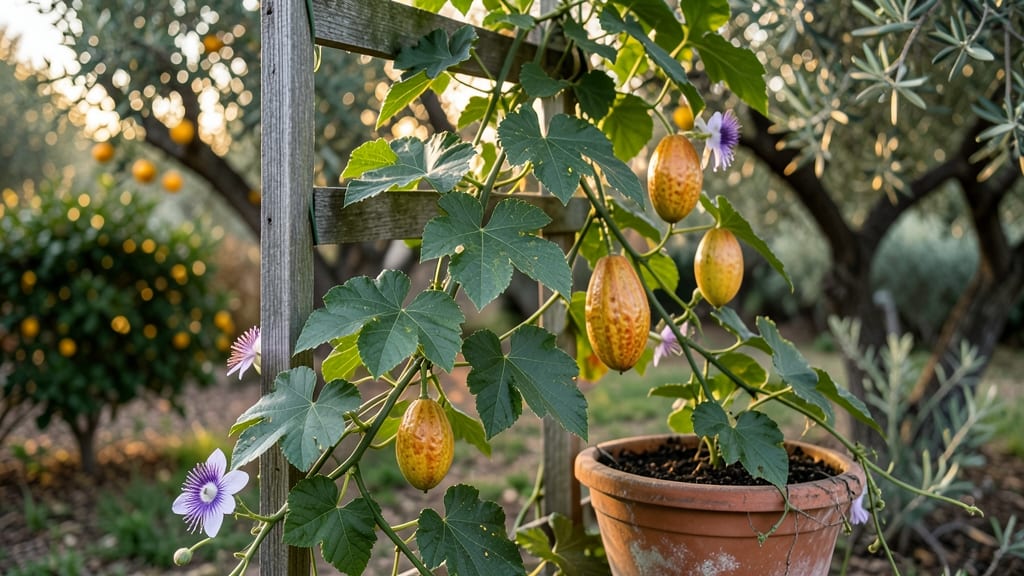
Growing Mexican passion fruit in containers is the perfect way to enjoy tropical flavors without a backyard. 🌿 I've turned my balcony into a mini orchard, and the sweet-tart fruit tastes nothing like store-bought—it's shockingly lush and productive once you get the basics right.
This vine thrives in full sun and well-draining soil, making it ideal for warm climates (zones 9-11). Start with cuttings for faster results, or grow from seed if you're patient.
The key is keeping it happy with regular water and a sturdy trellis—my first attempt nearly collapsed under the weight of those heavy fruits! By late summer, you'll be harvesting vibrant yellow fruit that bursts with flavor.
The vines are vigorous but manageable in containers, and the scent of blooming flowers draws hummingbirds to your space. Just watch for common pests like spider mites and overwatering—both can stress the plant. Works beautifully in pots, hanging baskets, or even greenhouses.
Here's how to keep yours thriving all season long—no tropical expertise required!
📚 In This Guide
- What you need
- Instructions
- Tips and common mistakes
- Wrapping up and next steps
What you need
- ● Mexican passion fruit seeds or young plants: 1-2 (ensure they’re disease-free and from a reputable source).
- ● Containers: 5-gallon pots or larger (at least 18 inches deep) with drainage holes. Pro tip: Use fabric grow bags for better aeration!
- ● Well-draining potting mix: 5-10 gallons (combine 60% coconut coir, 20% perlite, and 20% compost).
- ● Fertilizer: Balanced fertilizer (10-10-10): 1 lb for initial planting.
- ● Organic fertilizer (e.g., worm castings or fish emulsion): 1 cup per plant monthly during growing season.
- ○ Slow-release fertilizer (optional): Osmocote (14-14-14) for convenience.
- ● Support structure: Trellis, bamboo stakes, or wire cage (6+ feet tall).
- ● Pruning shears: Sharp, sterilized pair for trimming.
- ● Mulch: Straw or wood chips (2-3 inches) to retain moisture.
- ● Sunlight: Full sun (6+ hours daily).
- ● Climate: Warm, frost-free zones (USDA 9-11 or tropical regions).
- ● Watering system: Drip irrigation or hose with spray nozzle (avoid overhead watering).
- ● pH-tested soil: Aim for 6.0–7.0 (use lime or sulfur to adjust if needed).
Step-by-step instructions for growing Mexican passion fruit in containers
Let's get these tropical vines thriving in pots—here's how I grow them reliably every season.
🌱 Step 1: Choose the Right Container and Soil Mix
Pick a 5-gallon container with drainage holes—passion fruit vines need room to spread, and they hate soggy roots. I use well-draining cactus/succulent mix blended with 20% perlite to prevent compaction. Fill the pot halfway, then add a 2-inch layer of gravel at the bottom to improve drainage further.
This mix mimics their native rocky soil while keeping moisture balanced. Tap the pot gently to settle the soil without compacting it. The goal is airy, loose soil that lets roots breathe—too much density slows growth and invites root rot.
☀️ Step 2: Plant and Position for Maximum Sunlight
Place your passion fruit cutting (or young plant) in the center of the pot, spreading roots evenly. Cover with soil up to the first set of leaves, leaving the base exposed. Water immediately after planting to settle the soil around the roots.
Mexican passion fruit thrives in full sun (6-8+ hours daily). Position your container where it gets morning sun and afternoon shade if temperatures exceed 95°F—leaves burn easily. I rotate my pots weekly so vines grow evenly toward the light. Watch for yellowing leaves—this means too much shade, not enough sun.
💧 Step 3: Water Deeply and Fertilize Regularly
Water once weekly during dry spells, soaking until water drains from the bottom. Let the top 2 inches of soil dry out between waterings—overwatering is the #1 killer of container-grown passion fruit. I use a moisture meter to check, but stick your finger in as a backup.
Feed every 4-6 weeks with a balanced liquid fertilizer (10-10-10) diluted to half-strength. When flowers appear, switch to a high-phosphorus formula (5-10-5) to encourage fruiting. I always fertilize in the morning so nutrients absorb before the heat of the day.
✂️ Step 4: Prune and Train for Better Fruit Production
Prune wild, leggy growth in early spring to focus energy on fruiting. Cut back 1/3 of the longest vines, making cuts just above a leaf node. This encourages bushier growth and more flowers. Remove any dead or diseased leaves immediately—they spread problems fast.
Train vines along a trellis or tomato cage to improve airflow and sunlight penetration. I tie new growth loosely with soft plant ties every 2-3 weeks. The more sunlight reaches the plant, the sweeter the fruit becomes. Watch for new flower buds—these appear in clusters after pruning.
🍈 Step 5: Harvest and Overwinter for Next Season
Harvest fruit when it detaches easily from the vine and has a deep purple hue. Twist gently—if it resists, wait another day. Mexican passion fruit ripens in 80-90 days from flowering. I store harvested fruit at room temperature until fully ripe, then refrigerate for up to 2 weeks.
Before winter, cut back dead vines and move pots to a bright, cool (50-60°F) indoor spot. Reduce watering to once every 2-3 weeks and fertilize monthly at half-strength. Prune again in late winter to prep for spring regrowth. This keeps your plant healthy and ready to fruit again next season.
Tips & tricks for perfect Mexican passion fruit in containers
These simple tricks will help you grow vibrant Mexican passion fruit vines that thrive year after year in pots.
Container Size Matters: The 5-gallon container is non-negotiable for the first year—smaller pots restrict root growth and limit fruiting. If you're tempted to use a 3-gallon pot, resist! Passion fruit vines have aggressive root systems that need space to establish. I've seen vines in 5-gallon pots produce 20-30 fruits in a single season, while 3-gallon pots often yield just 5-10.
Soil Science Secret: That 20% perlite isn't arbitrary—it creates crucial air pockets that prevent compaction. If you don't have perlite, substitute with coarse sand or pumice, but avoid fine sand that compacts. The gravel layer at the bottom isn't just for drainage; it creates a capillary break that prevents water from pooling at the roots. Think of it as your plant's insurance against root rot.
Sunlight Strategy: The morning sun/afternoon shade rule is critical when temperatures exceed 95°F. If you notice leaf edges curling or turning brown, that's your plant's way of saying it's overheating. I've found that positioning pots on castor wheels lets me easily rotate them weekly—this ensures even growth and prevents lopsided vines reaching for the light.
Watering Wisdom: That 2-inch dry topsoil guideline is your best friend. Use a wooden skewer to check moisture—insert it 2 inches deep. If it comes out clean, water; if it's damp, wait another day. Overwatering is the silent killer of container-grown passion fruit, and it's easy to overdo it when the topsoil looks dry while roots stay soggy below.
Pro Tips for Mexican Passion Fruit
- These simple tricks will help you grow vibrant Mexican passion fruit vines that thrive year after year in pots.
- Container Size Matters: The 5-gallon container is non-negotiable for the first year—smaller pots restrict root growth and limit fruiting.
- Soil Science Secret: That 20% perlite isn't arbitrary—it creates crucial air pockets that prevent compaction.
Frequently asked questions
Got questions about growing Mexican passion fruit?
Here are answers to the most common queries to help you cultivate this tropical gem with ease!
How long does it take for Mexican passion fruit vines to bear fruit?
Patience is key! Mexican passion fruit vines typically take 12–18 months to produce fruit from seed, while grafted plants may fruit in 6–12 months. Provide full sun, consistent water, and regular fertilization to speed up the process. Pro tip: Prune vines in early spring to encourage faster fruiting.
Can Mexican passion fruit survive frost or cold snaps?
Nope—this tropical beauty is not frost-tolerant! Temperatures below 30°F (-1°C) will damage or kill the plant. Grow in containers for easy winter relocation indoors or protect outdoor plants with frost cloth. In cold climates, treat it as an annual or overwinter indoors with bright light.
What can I substitute if Mexican passion fruit isn’t available?
If you’re craving that tangy-sweet flavor, try purple passion fruit (more common in stores) or kiwi for a similar texture. For a zesty kick, mix in lime juice or orange zest. In recipes, tamarind paste or passion fruit pulp substitutes work well too!
Why aren’t my Mexican passion fruit vines producing fruit?
Common culprits include lack of sunlight (needs 6+ hours daily), inadequate pollination (hand-pollinate with a brush if bees are scarce), or nutrient deficiencies. Check for yellowing leaves (nitrogen deficiency) or weak growth (phosphorus/potassium). Feed with a balanced fertilizer (10-10-10) every 4–6 weeks during growing season.
How often should I water Mexican passion fruit plants?
Keep soil consistently moist but not soggy—water deeply 2–3 times per week in hot climates or when the top inch of soil feels dry. Overwatering can cause root rot, while underwatering stresses the plant. Mulch around the base to retain moisture and reduce evaporation.
Wrapping up and next steps
Growing Mexican passion fruit in containers is a rewarding journey—packed with tropical vibes, vibrant flavors, and a touch of gardening magic! 🌿 With the right sunlight, soil, and care, you’ll soon be harvesting sweet, fragrant fruits that’ll make your taste buds dance.
Whether you’re a beginner or a seasoned green thumb, this guide gives you all the tools to thrive.
Ready to take the next step? Start small: plant your seedling or cutting, and watch your passion fruit vine flourish. Before you know it, you’ll be sharing your homegrown bounty with friends—or maybe even turning it into delicious treats! 🍈✨