
Fertilization
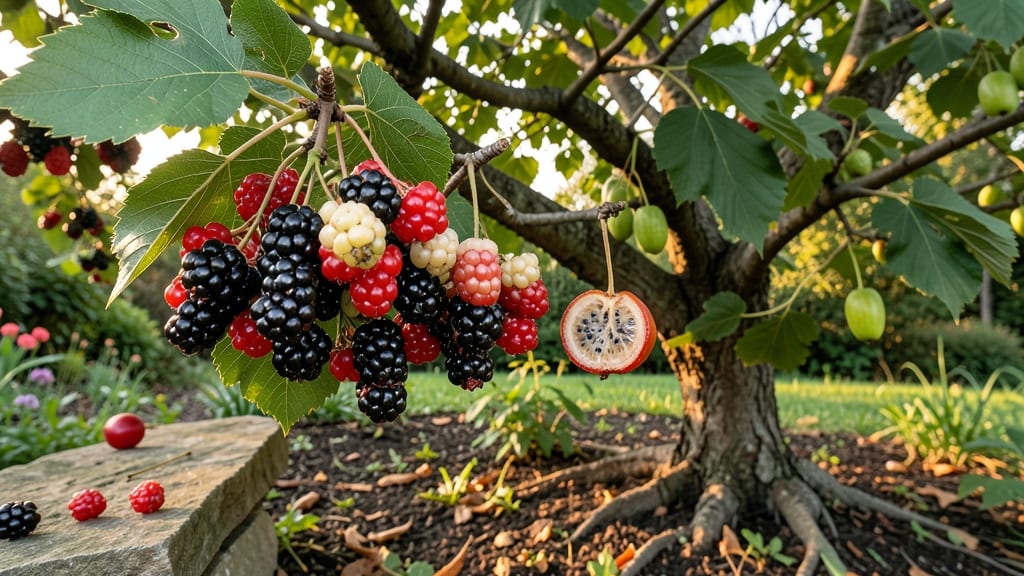
Yes, mulberry is a fruit botanically, as it develops from the mulberry tree's (Morus spp.) flowers into a fleshy, seed-containing structure. These sweet, juicy berries are edible and widely enjoyed fresh, in jams, teas, or dried forms.
Botanists classify mulberry as a fruit because it forms from a fertilized flower and contains seeds—just like apples or peaches. 🌱 The tree's berries ripen in clusters, offering a natural sweetness that makes them perfect for both raw snacking and cooking.
What's fascinating is how these berries vary by species: white mulberries are milder, while black mulberries pack deeper flavor. I've found that harvesting them at peak ripeness (when they easily detach from the tree) ensures the best taste and texture.
Beyond eating fresh, mulberries shine in culinary creations. Their vibrant color and sweet-tart balance make them ideal for jams, pies, or even infused vinegars. 🍇 Gardeners often grow mulberry trees for both their fruit and ornamental value, though they can be invasive in some climates.
Always verify the variety before consuming—some ornamental types contain toxins.
💡 In This Article
- Botanical Classification: Why Mulberry Fits the Fruit Category
- Culinary and Gardening Uses of Mulberry Fruit
Botanical classification: why mulberry fits the fruit category
Mulberry fits the fruit classification because it develops from the ovary of a flowering mulberry tree (Morus spp.), containing multiple small seeds embedded in its fleshy pulp—a defining characteristic of true fruits. 🌱 Unlike vegetables, which are typically other plant parts (like stems or leaves), fruits form after fertilization, with mulberries specifically being classified as aggregate fruits (a cluster of multiple ovaries from a single flower).
This structure mirrors other tree fruits like raspberries or blackberries, where individual "drupelets" combine into one edible unit.
The botanical process begins when mulberry flowers are pollinated, triggering the ovary to swell and develop into the berry we recognize. Each berry contains 10-20 tiny seeds, which disperse when the fruit ripens—a survival strategy shared with other fleshy fruits that attract animals for seed distribution.
The sweet, juicy pulp serves as a natural reward, encouraging consumption and spread. Compared to apples (a pome fruit) or figs (a syconium), mulberries have a simpler structure but follow the same fundamental reproductive purpose.
What makes mulberries unique is their pericarp structure—the fleshy outer layer develops from the flower's ovary wall, while the seeds form from the ovules inside. This aligns perfectly with the Linnaean classification of fruits as mature ovaries with seeds.
The tree's ability to produce fruit without cross-pollination (some varieties are self-fertile) also highlights how mulberries optimize their reproductive success through reliable seed production. 🌿 This botanical efficiency is why mulberries thrive in both wild and cultivated settings.
In horticultural science, mulberries are further categorized by their color and species: white mulberries (Morus alba) have milder flavors, while black mulberries (Morus nigra) offer richer, more complex tastes.
The distinction matters because some ornamental varieties (like red mulberries) contain cyanogenic glycosides, making them toxic. This shows how even within the fruit category, specific traits determine edibility and culinary value.
Understanding this classification helps explain why mulberries behave like other fruits in cooking—their high sugar content (up to 15% by weight) and natural pectin make them ideal for jams, while their delicate texture suits fresh eating.
The seeds' presence also means they're never truly "seedless," unlike some commercial berries that've been bred to remove them. This natural seed inclusion is a key part of their fruit identity.
For gardeners, recognizing mulberries as fruits also clarifies their growth patterns: they develop from spring flowers and ripen in summer, following the same seasonal cycle as other tree fruits.
The tree's ability to produce fruit annually (with proper care) makes it a valuable addition to orchards or home gardens, though its invasive potential requires careful management. 🌳