
Trees
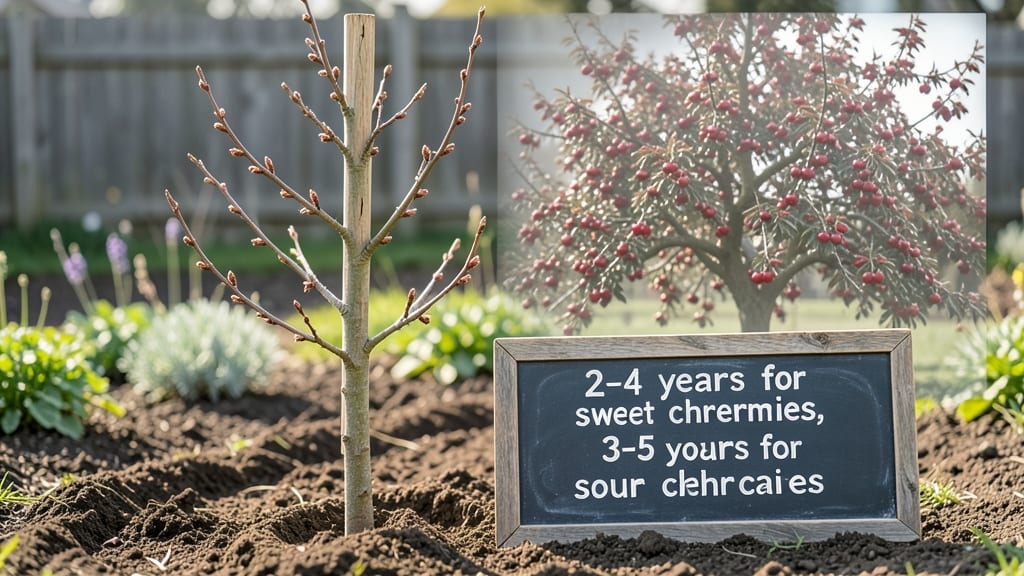
Before cherry trees 🍒 produce fruit, you’ll likely wait anywhere from 3 to 10 years, depending on the variety, climate, and care you provide.
Planting a cherry tree feels like investing in a future harvest—but how long must you wait before enjoying sweet, juicy fruit? The answer depends on the variety, growing conditions, and a little-known factor called 'chill hours.'
Sweet cherries like Bing or Rainier often take 5 to 10 years to bear fruit, while tart varieties such as Montmorency may fruit in as few as 3 years under ideal conditions. Dwarf trees can speed up the process slightly, but patience is key.
In this guide, I’ll break down the timeline by variety, explain how chill hours impact fruiting, and share 5 pro tips to encourage earlier harvests—so you can enjoy those cherries sooner than you think.
Cherry tree fruit production timeline by variety (sweet vs tart cherries)
If you're dreaming of a backyard bursting with juicy Bing cherries or tangy Montmorency tart cherries, patience is key—but how long exactly? The timeline varies dramatically between sweet and tart varieties, as well as between dwarf and standard trees.
Some varieties fruit in as little as 3 years, while others may take 7+ years to reach full production. Let’s break down the wait times so you can plan your orchard with confidence.
The biggest factor? Tree size. A dwarf cherry tree (like Stella or Sweetheart) might produce fruit in just 2-3 years, while a standard-sized tree (such as Bing or Lambert) can take 5-7 years to bear meaningful harvests.
Even then, full maturity—when your tree produces its peak yield—can take 10 years or more. Understanding these timelines helps you set realistic expectations and optimize care for faster fruiting.
Here’s the game-changer: chill hours. Cherry trees need cold winter dormancy (typically 300-1,000 hours below 45°F) to trigger blooming and fruiting. If your climate lacks sufficient chill hours, your tree might delay fruiting or fail entirely.
For example, Montmorency tart cherries thrive in 500-1,000 chill hours, while Rainier sweet cherries need 400-700 hours. We’ll dive deeper into chill hours later, but for now, know this: location matters more than you think.