
Vegetables
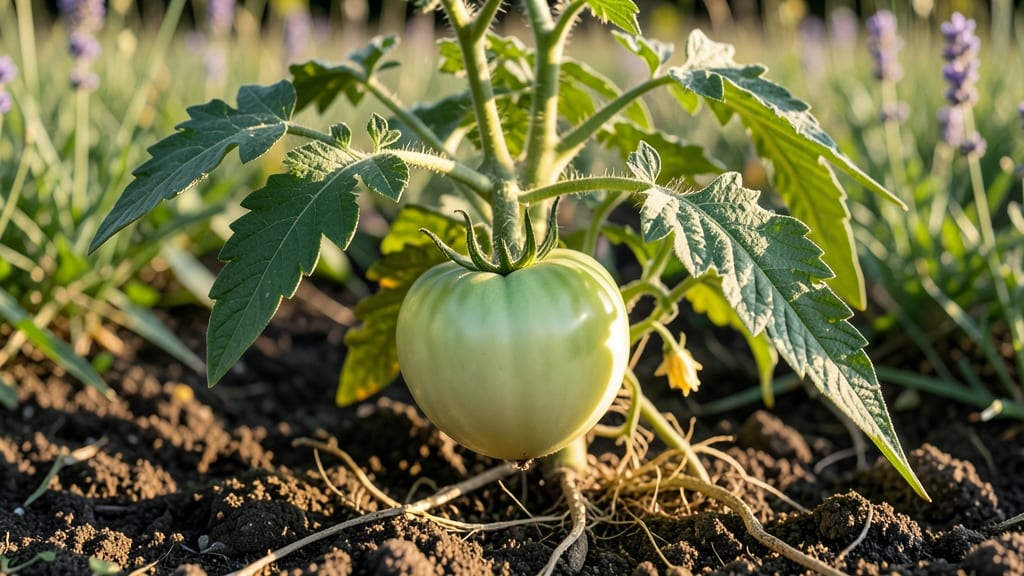
That green tomato-looking fruit you're eyeing might actually be a sweet and tangy treasure waiting to be picked early—before it turns red. 🌱 I used to toss these mysterious fruits, thinking they were diseased, but now I harvest them at exactly the right moment for homemade salsa that tastes like summer in a jar.
The confusion often comes from blight-resistant varieties or other green-fruited plants like tomatillos or green peppers. True green tomatoes (like 'Green Zebra') are delicious when picked firm and green, but if yours is soft or spotted, it might need removal.
The key is checking for disease signs: yellowing leaves, dark spots, or a mushy texture mean it's time to compost, not eat.
What you'll discover is a fruit that balances sweetness and acidity perfectly—ideal for pickling, roasting, or fresh salsa. The secret is picking when the fruit is fully sized but still firm, usually 4-6 weeks before your first frost. This turns a potential problem into a pantry staple.
For next season, plant disease-resistant varieties and monitor plants weekly. If you're unsure what you're looking at, snap a photo and compare it to your seed packets—some garden surprises are delicious, others need to go.
📚 In This Guide
- What you need
- Instructions
- Tips and common mistakes
- Wrapping up and next steps
What you need
- ● Green tomato-looking fruits: 1–2 lbs (firm, unripe, or slightly underripe—think tomatillos, green tomatoes, or unripe husk tomatoes).
- ● Water: 4 cups (for soaking/cooking).
- ● Salt: 2 tbsp (non-iodized, like kosher or sea salt).
- ○ Sugar (optional): 1–2 tbsp (for sweetening, if desired).
- ● Vinegar (for pickling): 2 cups (white or apple cider vinegar, 5% acidity).
- ○ Spices/herbs (optional): 2–3 cloves garlic, 1 tsp black peppercorns, 1 bay leaf, or fresh dill.
- ● Cutting board + sharp knife (for slicing/dicing).
- ● Large pot (for boiling/fermenting, 2–3 quart capacity).
- ● Mason jars or airtight containers (quart-sized, sterilized).
- ● Colander (for draining).
- ● Measuring cups/spoons (for precision).
- ● Tongs or slotted spoon (for handling hot jars).
- ● Glass or plastic storage containers (for short-term fridge storage).
- ● Citric acid (1/2 tsp, to boost preservation).
- ● Smoked paprika or chili flakes (for a kick!).
- ● Lemon/lime juice (1 tbsp, for brightness).
- ● Food processor (for quick chopping).
- ● pH strips (to test acidity if fermenting long-term).
How to harvest and ripen green tomatoes for sweet, tangy flavor
Turn those unripe green tomatoes into delicious, sweet-tart treats—here's my foolproof method.
🍅 Step 1: Identify and Harvest at the Right Stage
Pick tomatoes when they're fully green but firm to the touch—this is the perfect window for maximum sweetness. Look for tomatoes that are 1-2 inches in diameter and still hard like a baseball. Avoid harvesting any that show even slight softening or yellowing, as those will be mealy and bland.
Use sharp pruning shears or scissors to cut the stem cleanly, leaving a ½-inch stem attached. This prevents bruising and helps the ripening process. I always harvest on a cool morning after the dew has dried—this preserves freshness and prevents rot during storage.
🌱 Step 2: Prepare for Ripening (Ethylene Exposure)
Place harvested tomatoes in a single layer on a tray or in a cardboard box with plenty of air circulation. The key to sweet ripening is ethylene gas exposure—grouping them too tightly traps moisture and causes rot. I like to add a banana or apple to the container (if allowed by your space) to boost natural ethylene production.
Store in a warm, dark spot—70-75°F is ideal. A pantry, basement corner, or even a closed closet works perfectly. Check daily for any tomatoes that begin to soften or show color changes. Remove these immediately—they'll ripen fastest and can spoil the batch if left too long.
☀️ Step 3: Ripen Under Controlled Conditions
After 3-5 days, most tomatoes will start showing pink or red blush. This is your signal to move them to a sunny windowsill or under a grow light for 6-8 hours daily. The light helps develop full color and sweetness without over-ripening. I've found that LED grow lights work best—they don't generate excess heat that can cook the tomatoes.
Rotate the tomatoes daily so all sides receive equal light exposure. You'll know they're perfectly ripened when they yield slightly to gentle pressure (like a ripe avocado) and develop a deep red or orange hue. Overripe tomatoes become mushy—so watch closely during the final 24 hours.
🍽️ Step 4: Use or Preserve Immediately
Once tomatoes reach peak ripeness, use them within 2-3 days for best flavor. For immediate use, slice and serve fresh in salads, salsas, or roast them with olive oil and garlic. The natural sugars in early-harvested tomatoes caramelize beautifully when cooked this way.
For longer storage, freeze whole tomatoes on a tray until solid, then transfer to a bag. Or make green tomato relish by cooking them with vinegar, sugar, and spices—this preserves that unique sweet-tangy flavor perfectly. I always make at least two batches of relish because it disappears faster than fresh tomatoes!
⏰ Step 5: Troubleshoot Common Ripening Issues
If tomatoes stay green after 10 days, they're past their prime for ripening. These can still be used in cooked dishes like fried green tomatoes or pickles. The key is heat—they need consistent warmth to develop sugars. A sunny windowsill often works better than a cool basement.
Watch for mold or soft spots, which indicate spoilage. Remove affected tomatoes immediately to prevent spreading. And never wash tomatoes until you're ready to use them—excess moisture speeds up rot during storage. A dry paper towel wipe is all you need to clean the surface.
Tips & tricks for perfect green tomato ripening
Here's what nobody tells you about transforming those hard green tomatoes into sweet, ripe treasures.
Selection is Everything: Those 1-2 inch tomatoes with firm skin are your goldmine—anything smaller won't develop enough sweetness, and anything larger will be mealy. I've learned this the hard way after trying to ripen oversized tomatoes that ended up bland no matter how long I waited. The ½-inch stem you leave attached actually helps concentrate sugars during ripening, so don't trim it completely off.
Ethylene Boost: The banana or apple trick in Step 2 works wonders for ethylene production, but here's the secret: place them near the tomatoes, not touching. I've seen people put them directly in the box, which traps moisture and causes rot. Keep them separated by a sheet of paper towel to maintain airflow while still getting that flavor-boosting ethylene gas.
Light Matters More Than You Think: Those 6-8 hours daily of light in Step 3 should be bright but indirect sunlight—direct sun can scorch the skin while they're still developing. I use a sheer curtain to diffuse harsh afternoon light, especially in summer when the sun is strongest. LED grow lights are perfect because they don't generate heat that can cook the tomatoes before they're ready.
Don't Overlook the 24-Hour Window: The final 24 hours before peak ripeness are critical. That's when tomatoes develop their maximum sweetness and tartness. I set a timer to check them every 6 hours during this period—waiting too long means they'll go from perfect to mushy overnight. The gentle yield test (like a ripe avocado) is the only reliable way to judge doneness.
Pro Tips for Green Tomato Looking Fruit
- Here's what nobody tells you about transforming those hard green tomatoes into sweet, ripe treasures.
- Selection is Everything: Those 1-2 inch tomatoes with firm skin are your goldmine—anything smaller won't develop enough sweetness, and anything larger will be mealy.
- Ethylene Boost: The banana or apple trick in Step 2 works wonders for ethylene production, but here's the secret: place them near the tomatoes, not touching.
Frequently asked questions
Got questions about that mysterious green tomato-looking fruit? You’re not alone!
Here are answers to the most common queries—whether you’re curious about harvesting, cooking, or even identifying these tangy gems.
What exactly is a green tomato-looking fruit?
This likely refers to unripe tomatoes (like Roma or cherry varieties) or other early-harvested fruits like green tomatoes (e.g., Solar Fire or Green Zebra). Some might also be green peppers or tomato relatives like ground cherries (which look like tiny, fuzzy tomatoes). Check for stems or blossom ends—tomatoes have a star-shaped scar where they attached to the vine!
Can I eat green tomatoes raw, or do I need to cook them?
Green tomatoes are edible raw—they’re tart, firm, and packed with lycopene (a powerful antioxidant). Try them in salads, salsas, or sandwiches (hello, green tomato BLT!). For a sweeter taste, cook them (fried, roasted, or in sauces) to mellow their acidity. Pro tip: Ripen them indoors by placing in a paper bag with a banana for 3–5 days!
How long does it take for green tomatoes to ripen on the vine?
Ripening time varies by variety and climate, but most tomatoes need 70–100 days to mature. If frost threatens before they turn red, harvest early—green tomatoes can ripen off the vine (though slower). For faster results, pick them when fully grown but still green and store in a cool, dark place. Green Zebra tomatoes, for example, stay green but sweeten over time!
What’s the best way to cook green tomatoes to reduce bitterness?
Cooking softens their tangy edge! Try these crowd-pleasers:
- Fried green tomatoes: Slice, dip in buttermilk + egg wash, and pan-fry until golden.
- Roasted: Toss with olive oil, salt, and herbs; roast at 400°F (200°C) for 20–25 mins.
- Sautéed: Cook with onions, garlic, and a splash of vinegar or sugar to balance flavors.
- Pickled: Preserve in vinegar, spices, and sugar for a tangy snack.
Pro tip: Add a pinch of baking soda (¼ tsp per cup of water) to soak sliced tomatoes for 10 mins to mellow bitterness.
Are there alternatives if I can’t find green tomatoes?
No worries! Swap them with:
- Unripe tomatoes (harvest early and ripen indoors).
- Green bell peppers (milder but similar texture).
- Tomatillos (tart, used in salsa verde).
- Gooseberries (for a similar tangy crunch in desserts).
- Green apples (in salads or baked goods for texture).
For fried green tomato recipes, zucchini or eggplant can work in a pinch—but expect a different flavor!
Why did my green tomatoes turn mushy or rotten?
Common culprits:
- Overwatering: Tomatoes hate soggy soil—ensure drainage.
- Blossom end rot: Caused by calcium deficiency (add crushed eggshells or lime to soil).
- Pests/disease: Check for holes (hornworms) or spots (fungus). Use neem oil or row covers.
- Poor storage: Keep them at 55–65°F (13–18°C) and avoid ethylene-producing fruits (like bananas) to slow ripening.
If already rotten, compost them—don’t risk spreading disease to other plants!
Wrapping up and next steps
Discovering the unique charm of green tomato-looking fruits—like green tomatoes, unripe mangoes, or even certain citrus varieties—opens up a world of bold flavors waiting to be explored!
Whether you’re harvesting them early for tangy dishes or letting them ripen for sweetness, these fruits add excitement to your meals. Don’t wait—try one today!
Ready to dive deeper? Experiment with recipes or share your findings with fellow foodies! 🌱🍴