
Companion Plants
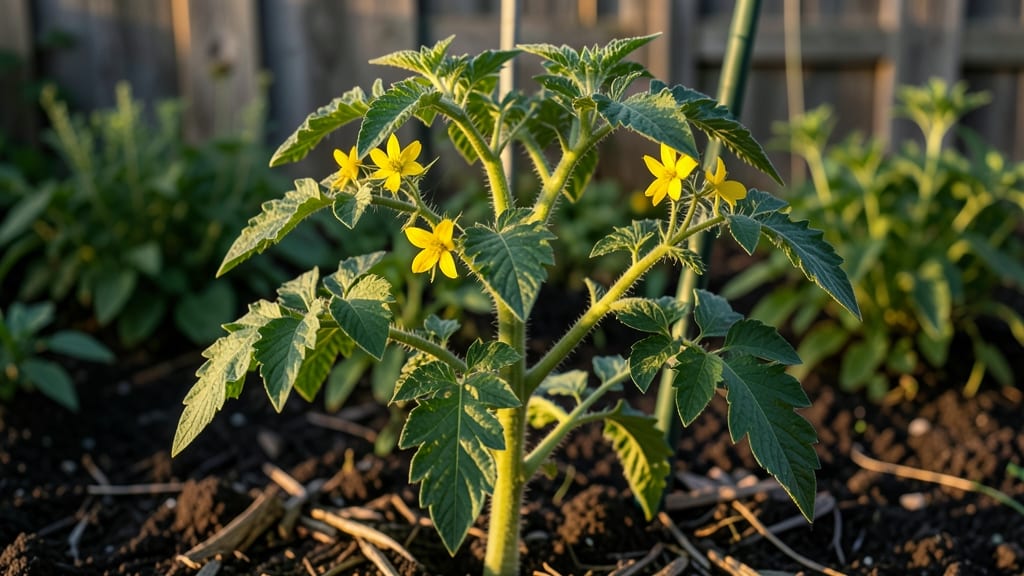
Your tomato plant without fruit has flowers but no harvest, and you're staring at a sea of blossoms wondering where the fruit went. 🌱 The problem isn't just one thing—it's a puzzle of light, heat, water, and even the bees (or lack of them).
I've watched my own plants go from hopeful blooms to frustrated gardener in a single week, and I know the frustration of seeing all that potential slip away.
The most common culprits are too much shade, inconsistent watering, or nutrient imbalances—especially too much nitrogen (which fuels leaves but starves fruit). Even pests like hornworms can sneak in and eat your flowers before they set fruit.
The good news? Each of these has a simple fix, and once you address them, your plants usually bounce back within 2-3 weeks with a fresh wave of blossoms.
You'll start by checking your plant's basic needs: 6-8 hours of sunlight, consistent moisture (not soggy soil), and a balanced fertilizer (look for a 5-10-10 ratio or higher phosphorus).
Hand-pollination works too—just gently shake the plants on a warm, dry morning. Within days, you'll see those tiny fruit bumps forming where blossoms used to be.
This works for both container-grown and in-ground tomatoes, whether you're dealing with cherry, beefsteak, or heirloom varieties. The key is catching the issue early—before the plant gives up entirely. Let's get those fruits growing!
Root Causes Behind Barren Tomatoes
If your tomato plants are thriving with lush green leaves but stubbornly refuse to produce fruit, the issue likely stems from one (or several) key factors disrupting their natural reproductive cycle.
Understanding these causes is the first step toward reviving your harvest. Below, we break down the most common culprits—backed by science—and explain how they sabotage your tomatoes’ fruit-making potential.
---
Tomatoes are warm-season plants, and their fruit production is highly sensitive to temperature fluctuations. If conditions stray too far from their ideal range, pollination fails, and flowers drop without setting fruit.
- Too Hot: Temperatures above 90°F (32°C) can cause flower abortion, where buds form but never open or pollinate.
High heat also disrupts pollen viability, making it impossible for bees or wind to fertilize flowers. - Too Cold: Chilly nights below 55°F (13°C) or sudden temperature drops can shock plants, halting fruit development.
Early-season frosts or late spring freezes are especially damaging. - Heat Waves: Prolonged heat stress (especially during flowering) leads to pollen sterility. Even if flowers open, they may not produce viable pollen or ovules.
Actionable Fix: Use shade cloth during peak heat (30–50% coverage) and row covers for early/late-season protection. Choose heat-tolerant varieties like ‘Heatmaster’ or ‘Solar Fire’ if your climate is consistently hot.
---
Tomatoes rely on pollinators (bees, wind, or even gentle shaking) to transfer pollen from male to female flower parts. Without successful pollination, flowers wilt and fall off—leaving no fruit in sight.
- Lack of Bees: Modern agriculture and urban gardening often reduce bee populations.
If your garden is isolated or bees are scarce, flowers may not get pollinated. - Wind-Pollinated Failures: In greenhouses or sheltered spaces, wind may not carry pollen effectively, especially for self-pollinating varieties like cherry tomatoes. - Poor Flower Health: Over-fertilizing with high nitrogen (e.g., lawn fertilizer) promotes leafy growth at the expense of flowers.
Weak or deformed flowers struggle to open properly.
Actionable Fix: - Hand-pollinate by gently shaking plants or using a paintbrush to transfer pollen. - Plant bee-friendly companions like basil, borage, or marigolds nearby. - Avoid excessive nitrogen—switch to a balanced 5-10-10 fertilizer or compost during flowering.
---
Water stress—whether from drought or overwatering—disrupts the delicate balance tomatoes need to set fruit. Flowers drop when plants are under stress, and roots can’t support fruit development.
- Underwatering: Soil moisture levels drop below 40%, causing osmotic stress.
Flowers abort because the plant prioritizes survival over reproduction. - Overwatering: Soggy roots (especially in clay or compacted soil) lead to root rot and nutrient deficiencies, weakening the plant’s ability to produce fruit. - Inconsistent Watering: Fluctuating moisture levels (e.g., dry spells followed by heavy watering) confuse the plant, leading to blossom end rot and flower drop.
Actionable Fix: - Water deeply but infrequently (1–2 inches per week, more in heat). - Use drip irrigation or soaker hoses to keep soil evenly moist. - Mulch with straw or wood chips to retain moisture and regulate temperature.
---
Tomatoes need a precise mix of nutrients to transition from vegetative growth (leaves) to reproductive growth (fruit). Too much or too little of certain nutrients throws off this balance.
| Nutrient Issue | Symptoms | Solution | |--------------------------|---------------------------------------|-----------------------------------------------| | Excess Nitrogen (N) | Lush green leaves, no flowers | Reduce nitrogen; add phosphorus (P) via bone meal or compost. | | Low Phosphorus (P) | Weak stems, purple leaves, few flowers | Apply rock phosphate or fish emulsion. | | Low Potassium (K) | Yellowing leaf edges, weak fruit set | Use potassium sulfate or banana peels (composted). | | Calcium Deficiency | Blossom end rot, deformed fruit | Add crushed eggshells or lime to soil. |
Actionable Fix: - Conduct a soil test to identify deficiencies. - Switch to a low-nitrogen, high-phosphorus fertilizer (e.g., 2-4-4 ratio) during flowering. - Side-dress with compost or worm castings for a slow-release nutrient boost.
--- Hidden pests and pathogens can devour flowers, block sunlight, or weaken plants, preventing fruit formation.
- Aphids & Spider Mites: Sap-sucking pests distort flowers and transmit viruses, causing flowers to drop. - Tomato Hornworms: These caterpillars munch on flowers before they can pollinate. - Fungal Diseases (Early Blight, Powdery Mildew): Clog stomata (pores) on leaves, reducing photosynthesis and starving flowers of energy. - Root-Knot Nematodes: Damage roots, limiting water and nutrient uptake, which halts fruit development.
Actionable Fix: - Inspect plants daily for pests; use neem oil or soapy water spray for aphids. - Handpick hornworms or introduce parasitic wasps (natural predators). - Rotate crops and use copper fungicides for fungal diseases. - Solarize soil in fall to kill nematodes before replanting.
--- Not all tomato varieties are created equal—some are more prone to fruitlessness due to their genetics or growth habits.
- Determinate vs. Indeterminate: Determinate plants (bush varieties) produce fruit in one flush, while indeterminate (vining) types continue flowering.
If pruned too aggressively, indeterminate plants may focus on leaves over fruit. - Self-Sterile Varieties: Some heirlooms (e.g., ‘Black Krim’) require cross-pollination with another plant to set fruit.
Growing multiple varieties ensures success. - Dwarf or Mini Varieties: Small plants may lack the energy to produce large fruit loads, especially in poor soil.
Actionable Fix: - Choose disease-resistant, high-yield varieties like ‘Celebrity’ or ‘Better Boy’ for reliability. - If growing heirlooms, plant at least two compatible varieties nearby. - Prune indeterminate plants to encourage airflow and fruit production (remove suckers below the first flower cluster).
Fixing Your Fruitless Tomato Plants
Now that you know why your tomato plants might be skipping the fruit-making party, let’s roll up our sleeves and get them back on track! 🍅🔧 The good news? Most issues have simple fixes—whether it’s tweaking care, adjusting the environment, or giving your plants a little extra love.
Below, we’ve broken down the most common causes and matched them with practical, step-by-step solutions to revive your tomato harvest. Plus, we’ll share pro tips to keep your plants thriving long-term.
---
Signs: Leggy stems, pale leaves, or flowers that drop before fruiting. Fix: - Move your plants to a sunnier spot—tomatoes need 6–8+ hours of direct sunlight daily. If space is tight, use a reflective surface (like white walls or mirrors) to bounce extra light onto the plants. - Extend daylight with a grow light (LED or fluorescent) for 12–14 hours/day if natural light is lacking, especially in cloudy climates. - Prune lower leaves to reduce shade on the fruit clusters and improve airflow.
💡 Prevention Tip: Plant tomatoes in their final location early in the season (after the last frost) to avoid transplant shock. If growing in containers, place them in the sunniest spot on your patio or balcony.
---
Signs: Flowers drop suddenly, or new growth stunts in heatwaves or cold snaps. Fix: - Heatwaves? Provide shade cloth (30–50% coverage) during peak afternoon sun (12–4 PM) to prevent stress. Mulch with straw or grass clippings to keep roots cool. - Cold snaps? Use row covers or cloche tunnels to protect plants from temps below 50°F (10°C). Avoid watering at night to prevent frost damage. - Pollination boost: If flowers drop due to heat stress, hand-pollinate by gently shaking the plant or using a small brush to transfer pollen.
✨ Pro Tip: Choose heat-tolerant varieties like ‘Solar Fire’ or ‘Heatmaster’ if you live in a hot climate. For cold regions, opt for early-maturing types like ‘Stupice’ or ‘Glacier’.
---
Signs: Blossoms fall off, leaves curl, or fruit cracks (overwatering) or wilts (underwatering). Fix: - Water deeply but infrequently: Aim for 1–1.5 inches of water per week, delivered at the base of the plant (not the leaves). Use drip irrigation or soaker hoses to keep soil consistently moist but not soggy. - Morning watering only: Water before 10 AM to let foliage dry by evening, reducing disease risk. - Check soil moisture: Stick your finger 2 inches deep—if it’s dry, water. If it’s damp, wait.
🔥 Quick Fix for Blossom Drop: If flowers fall due to inconsistent watering, reduce stress by watering thoroughly for 3–5 days, then stick to a schedule.
---
Signs: Yellow leaves (nitrogen), purple stems (phosphorus), or weak growth (potassium). Fix: - Fertilize right: Use a balanced fertilizer (10-10-10 or 5-10-10) when plants are young, then switch to a low-nitrogen, high-phosphorus formula (like 3-6-6) when flowers appear. Avoid high-nitrogen fertilizers (like lawn food) once blooming starts—it promotes leaves over fruit! - Organic boost: Mix compost or worm castings into the soil at planting time. For a quick fix, use fish emulsion or bone meal (follow package rates). - Foliar spray: For a fast nutrient hit, spray leaves with a seaweed extract or Epsom salt solution (1 tbsp per gallon of water) every 2 weeks.
📊 Feeding Schedule: | Plant Stage | Fertilizer Type | Frequency | |-----------------------|------------------------------|------------------------| | Seedlings | Balanced (10-10-10) | Every 2 weeks | | Flowering | Low-N, High-P (3-6-6) | Every 3–4 weeks | | Fruiting | Potassium-rich (0-0-50) | Every 4–6 weeks |
---
Signs: Flowers appear but no fruit sets, or fruit is small/deformed. Fix: - Shake it up: Gently shake the plant in the morning (when pollen is sticky) to help self-pollination. For bushier varieties, tap each flower cluster with your finger. - DIY pollination tool: Use a soft paintbrush or cotton swab to transfer pollen from one flower to another. Focus on morning hours when humidity is low. - Attract pollinators: Plant companion flowers like marigolds, basil, or borage nearby to lure bees and butterflies.
🎯 Pollination Hack: If you’re growing determinate (bush) tomatoes, focus on the lower flower clusters first—they’ll ripen earliest!
---
Signs: Stunted growth, yellowing leaves, or roots circling the pot (container plants). Fix: - Repot if needed: If roots are circling the bottom of the pot, upgrade to a larger container (at least 5 gallons for dwarf varieties, 15+ gallons for indeterminate types). - Improve soil: Amend garden soil with compost or aged manure (1–2 inches mixed into the top 6 inches). For containers, use a well-draining potting mix (avoid garden soil—it compacts). - Transplant shock? If moving plants, water deeply the day before and after transplanting. Prune 1/3 of the foliage to reduce stress.
💡 Prevention Tip: Mulch heavily (2–3 inches of straw or wood chips) to retain moisture and nutrients. Avoid piling mulch against the stem to prevent rot.
---
Signs: Chewed leaves, sticky residue, wilting, or spots on foliage. Fix: - Identify the culprit: Common offenders include aphids, hornworms, or fungal diseases (like early blight). Check undersides of leaves and stem bases. - Natural remedies: - Pests: Spray with neem oil (mix 1 tbsp per quart of water + a drop of dish soap) or introduce beneficial insects like ladybugs. - Diseases: Remove infected leaves immediately and apply copper fungicide or baking soda spray (1 tbsp baking soda + 1 quart water + a drop of soap). - Prevent spread: Rotate crops yearly and sterilize tools with rubbing alcohol between uses.
🔪 Emergency Action: For severe hornworm infestations, handpick caterpillars (they’re huge and easy to spot!) and drop them in soapy water.
--- Plant these tomato-friendly companions nearby to deter pests, improve soil, and boost pollination: - Basil (repels thrips and improves flavor!) - Marigolds (deter nematodes) - Nasturtiums (trap aphids) - Onions or Garlic (reduce fungal diseases)
--- Final Thought: Most tomato plants rebound quickly once you address the root cause (pun intended!). Start with one fix at a time—like adjusting watering or fertilizing—and monitor progress. Within 2–4 weeks, you should see new flowers (and soon, plump tomatoes!) 🍅🎉.
Need a quick reference? Bookmark this section and revisit it during your next gardening session!
Frequently asked questions
Why are my tomato flowers falling off before they turn into fruit?
This is usually caused by environmental stress, like extreme heat (above 90°F) or cold (below 55°F), inconsistent watering, or nutrient imbalances. Flowers drop when the plant prioritizes survival over reproduction. Check your watering schedule and ensure consistent moisture.
Can I fix a tomato plant that's been without fruit for weeks?
Yes! Start by adjusting care immediately. Switch to a low-nitrogen fertilizer (like 5-10-10), ensure 6+ hours of sunlight daily, and hand-pollinate flowers by gently shaking the plant. Most plants rebound within 2-3 weeks once conditions improve.
What's the best way to hand-pollinate tomato flowers?
Use a soft paintbrush or cotton swab to transfer pollen from male to female flower parts in the morning (when pollen is sticky). Alternatively, gently shake the plant to help self-pollination. Focus on morning hours when humidity is low for best results.
Are there tomato varieties that produce fruit more reliably?
Yes! Determinate varieties like 'Celebrity' or 'Roma' produce fruit in one flush, while indeterminate types like 'Better Boy' continue flowering. For heat tolerance, try 'Heatmaster' or 'Solar Fire'. Choose disease-resistant varieties for better reliability.
How do I know if my tomato plant has a nutrient deficiency?
Check the leaves: yellow lower leaves = nitrogen deficiency, purple stems = phosphorus deficiency, and yellow leaf edges = potassium deficiency. Use a soil test kit or amend soil with compost and targeted fertilizers.