
Fertilization
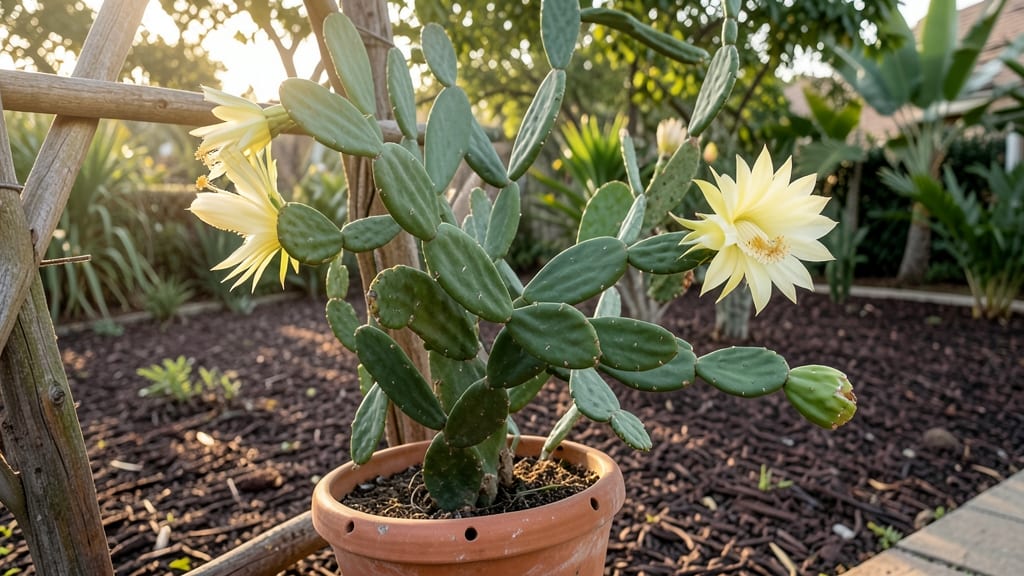
Growing golden dragon fruit in containers means tropical treats on your patio—no greenhouse needed. 🌱 I’ve grown these striking cacti for years, and the secret to vibrant blooms and sweet fruit lies in mimicking their jungle roots with just a few key adjustments.
The plant thrives in well-draining cactus mix with a splash of perlite, needs 6+ hours of bright, indirect light daily, and drinks only when the top inch of soil feels bone-dry.
Pruning isn’t just about shape—it’s about encouraging those signature bright yellow blooms that last just one night but produce fruit for months.
With hand-pollination (a soft brush or cotton swab does the trick), you’ll watch pink dragon fruit form in 6-8 months, packed with antioxidants and a taste like a mix of kiwi and pear. Even in cooler climates, a sunny balcony or greenhouse keeps the plant happy year-round.
Common pitfalls? Overwatering (the #1 killer) and impatient pruning. Let the plant establish first—rushing leads to leggy stems and fewer blooms. Once you’ve got the rhythm, you’ll be harvesting fruit that looks like a sunset and tastes like summer.
📚 In This Guide
- What you need
- Instructions
- Tips and common mistakes
- Wrapping up and next steps
What you need
- ● Golden dragon fruit (Hylocereus undatus 'Golden') plant: 1 healthy cutting (4–6 inches long) or a young plant (3–6 months old) from a nursery.
- ● Container: 1 large pot (12–18 inches in diameter) with drainage holes.
- ○ Optional: Self-watering planter for convenience.
- ● Potting mix: 50% cactus/succulent mix + 50% perlite or pumice (for aeration and drainage).
- ○ Optional: Add 10% worm castings for extra nutrients.
- ● Fertilizer: Balanced liquid fertilizer (10-10-10 or 20-20-20), diluted to half-strength.
- ● Slow-release fertilizer: 1–2 cups of organic fertilizer (like osmacote) per planting.
- ● Pruning tools: 1 pair of clean, sharp pruning shears or scissors (sterilized with rubbing alcohol).
- ● Sunlight: Full sun (6–8 hours daily). Use a grow light if indoors.
- ● Temperature: Ideal range: 70–95°F (21–35°C). Avoid frost (<40°F/4°C).
- ● Humidity: Moderate (40–60%). Mist leaves occasionally in dry climates.
- ● Water: Allow soil to dry completely between waterings (overwatering = root rot!).
- ● 🔥 Rooting hormone: Dip cuttings in rooting hormone for faster growth.
- ● ✨ Support: Install a trellis or sturdy stake early—golden dragon fruit vines grow fast!
- ● 🌡️ Winter care: Move containers indoors near a sunny window if temps drop below 50°F (10°C).
Step-by-Step guide to growing golden dragon fruit in containers
Here's how to cultivate this stunning, edible vine with vibrant blooms and sweet fruit—perfect for small spaces.
🌱 Step 1: Select and Prepare the Right Container
Golden dragon fruit (Hylocereus undatus) thrives in 5-gallon containers with multiple drainage holes—this prevents root rot, which is the #1 killer of container-grown cacti. I use unglazed terra cotta pots because they breathe better than plastic and help regulate soil moisture. If your container lacks drainage, drill ¼-inch holes in the bottom to ensure excess water escapes.
Fill the container with a fast-draining cactus/succulent mix—never regular potting soil. The roots need air circulation to prevent fungal issues. I mix 60% inorganic grit (like perlite or pumice) with 40% organic matter (coconut coir or compost). This blend mimics the vine's natural arid habitat while retaining just enough moisture.
☀️ Step 2: Plant and Position for Optimal Light
Plant your dragon fruit cutting or bare-root plant 2-3 inches deep, ensuring the base of the stem sits just above the soil line. Press the soil gently around the roots to eliminate air pockets, but don’t compact it—this vine hates soggy conditions. Water lightly immediately after planting to help settle the soil, but resist the urge to overwater.
Golden dragon fruit demands full sun (6-8 hours daily) to produce vibrant blooms and sweet fruit. Place your container in a south-facing window or under grow lights (LED full-spectrum bulbs work best). If outdoors, move it to a protected spot during winter—this plant tolerates 50-90°F but won’t survive frost. You’ll know the light is right when new growth appears within 4-6 weeks and leaves stay deep green, not yellowing.
💧 Step 3: Water and Fertilize for Healthy Growth
Water only when the top 2 inches of soil feel completely dry—overwatering causes root rot faster than underwatering. I use the "finger test" daily during summer: stick your finger in the soil. If it’s damp, wait. If it’s bone-dry, water deeply until it drains from the bottom. In winter, reduce watering to once every 2-3 weeks—this plant stores moisture in its thick stems.
Feed your dragon fruit monthly during spring and summer with a balanced, water-soluble fertilizer (10-10-10 or 20-20-20). Dilute it to half-strength to avoid burning the roots. Stop fertilizing in fall and winter—this plant goes semi-dormant when days shorten. You’ll see thicker stems and more buds within 8-10 weeks of consistent feeding, signaling it’s thriving.
✂️ Step 4: Prune and Support for Maximum Fruit Production
Train the vine along a trellis or sturdy stake as it grows—this encourages upward growth and better air circulation. Golden dragon fruit can reach 20+ feet, so secure it with soft plant ties (never wire, which can damage the stems). Prune dead or yellowing leaves immediately to redirect energy to new growth. I also trim overly long vines in early spring to promote bushier, more productive growth.
Watch for flower buds forming in late spring or early summer—these look like large, white, night-blooming flowers. If your plant isn’t flowering after a year, it may need more sunlight or a dormant period. Once flowers appear, hand-pollinate them with a small brush to ensure fruit set. Harvest the bright yellow fruit when it detaches easily from the vine—usually 4-6 months after flowering.
🪴 Step 5: Overwinter and Repot as Needed
Before temperatures drop below 50°F, move your container indoors to a cool, bright spot (like a sunroom or under grow lights). Reduce watering to once every 3-4 weeks and stop fertilizing entirely. Prune any weak or damaged growth before dormancy to encourage stronger regrowth in spring.
Repot your dragon fruit every 2-3 years or when roots circle the container. Choose a pot 2-3 inches larger than the current one and refresh the soil with new cactus mix. This plant tolerates being root-bound, but repotting prevents nutrient depletion. You’ll know it’s time when new roots emerge from drainage holes or growth slows noticeably.
Tips & tricks for thriving golden dragon fruit in containers
Golden dragon fruit isn't just beautiful—it's productive, and these insider tricks will help you coax the most vibrant blooms and sweetest fruit from your container garden.
Soil Mix Secrets: The 60% inorganic grit to 40% organic matter ratio in Step 1 is non-negotiable, but here's what I've learned: pre-moisten your cactus mix before adding it to the pot. This prevents soil compaction when you water later. I also add a handful of worm castings to the organic portion—it boosts microbial activity without overfeeding. The key is creating that perfect air-to-moisture balance that dragon fruit roots crave.
Light Optimization: While 6-8 hours of direct sun is ideal, I've found that supplementing with grow lights during winter months (especially in northern climates) makes all the difference. Position your LED lights 6-12 inches above the plant for 12-14 hours daily—this mimics summer conditions. Watch for leaf yellowing as your first sign of insufficient light, which often appears within 2-3 weeks of inadequate exposure.
Watering Wisdom: The finger test in Step 3 works, but I've developed a visual cue system too: healthy soil should look like a damp sponge, not a wet washcloth. During summer, I water in the morning so excess moisture evaporates by evening, reducing fungal risks. In winter, I actually check the soil moisture at the 3-inch depth—not just the top 2 inches—since the plant's water needs decrease dramatically. This adjustment prevents both overwatering and underwatering during dormancy.
Pruning Strategy: When trimming overly long vines in Step 4, I always make cuts just above a leaf node where new growth can emerge. This encourages bushier growth rather than long, leggy vines. I also prune any aerial roots that form on the stems—these can be replanted in separate containers if you want to propagate new plants. The goal is to maintain an open canopy that allows sunlight to reach all parts of the vine, which is crucial for flower bud formation.
Pro Tips for Golden Dragon Fruit
- Golden dragon fruit isn't just beautiful—it's productive, and these insider tricks will help you coax the most vibrant blooms and sweetest fruit from your container garden.
- Soil Mix Secrets: The 60% inorganic grit to 40% organic matter ratio in Step 1 is non-negotiable, but here's what I've learned: pre-moisten your cactus mix before adding it to the pot.
- Light Optimization: While 6-8 hours of direct sun is ideal, I've found that supplementing with grow lights during winter months (especially in northern climates) makes all the difference.
Frequently asked questions
Got questions about growing golden dragon fruit? You’re not alone!
Here are answers to the most common queries to help you cultivate this stunning, edible vine with confidence.
How long does it take for golden dragon fruit to bear fruit?
Golden dragon fruit (or Hylocereus undatus) typically takes 2–3 years to produce fruit from seed. However, if you start with a grafted plant (common in nurseries), you may see blooms and fruit in 1–2 years. Patience is key—consistent care (like proper fertilization and sunlight) speeds up the process!
Can golden dragon fruit survive cold weather?
This tropical plant hates frost and thrives in USDA zones 10–11. If you live in cooler climates, grow it in containers and bring it indoors (or to a greenhouse) when temperatures drop below 50°F (10°C). A sunny windowsill or grow light works well during winter!
Is golden dragon fruit easy to grow in containers?
Absolutely!
Golden dragon fruit is a perfect container plant—just use a 5-gallon+ pot with drainage holes, a well-draining cactus/succulent mix, and support (like a trellis). Ensure it gets 6+ hours of sunlight daily and water when the top inch of soil is dry. Pro tip: Rotate the pot occasionally for even growth!
What’s the best fertilizer for golden dragon fruit?
Use a balanced, water-soluble fertilizer (like 10-10-10 or 20-20-20) diluted to half-strength every 4–6 weeks during spring and summer. For flowering/fruiting, switch to a low-nitrogen, high-phosphorus fertilizer (e.g., 5-10-10) in late summer. Skip fertilizing in winter—the plant rests!
Why aren’t my dragon fruit flowers opening?
No blooms? Check these fixes:
- Not enough light: Move to a sunnier spot (or supplement with grow lights).
- Temperature stress: Keep nights warm (60–80°F / 15–27°C)—cool drafts can halt flowering.
- Over/under-fertilizing: Too much nitrogen = leafy growth; too little = weak blooms. Balance is key!
- Age: Young plants (<1 year) may not flower yet.
Can I eat dragon fruit from my homegrown plant?
Yes! Homegrown golden dragon fruit is safe and delicious—just ensure you’ve used organic, non-toxic fertilizers and avoided pesticides. The fruit’s vibrant pink flesh is packed with vitamin C, fiber, and antioxidants. Fun fact: The skin is edible too (though some prefer to peel it for easier eating).
Wrapping up and next steps
Growing golden dragon fruit in containers is a rewarding journey that brings vibrant blooms and delicious fruit right to your doorstep! With the right materials, fertilization, and care, you’ll enjoy a thriving plant that’s as stunning as it is productive.
Whether you’re a beginner or a seasoned gardener, this tropical beauty is well worth the effort—so roll up your sleeves and get ready to harvest your own edible sunshine! 🌱✨
Ready to take the next step? Start by planting your seedling this season and watch your container garden transform into a golden paradise. Happy growing! 🌟