
Fertilization
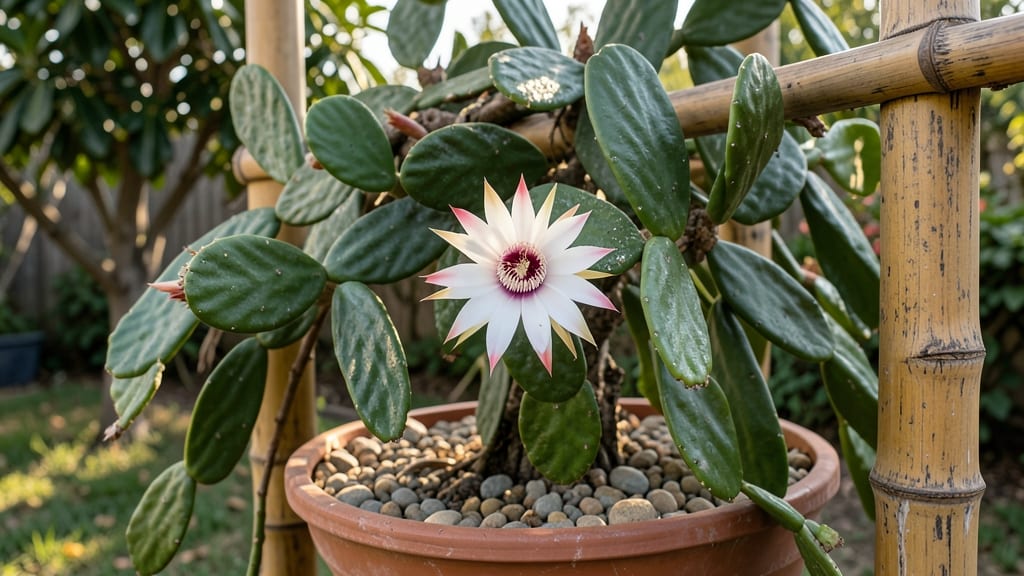
Growing homegrown dragon fruit turns your balcony into a tropical oasis. 🌱 The sweet, vibrant fruit you see in stores comes from cactus plants that thrive in containers with minimal fuss—once you know the right steps, that is.
Most beginners struggle with germination or overwatering, but these plants are surprisingly forgiving once established. Your first harvest could arrive in 2-3 years for seeds or 1-2 years for cuttings, but the journey is worth it for that first taste of homegrown fruit.
You'll need well-draining soil, bright indirect light, and a sturdy container with drainage holes. The key is patience—these cacti grow slowly but reward you with pink or white blooms followed by fruit that looks like something from a fantasy novel.
Works equally well indoors near a sunny window or outdoors in warm climates. Let's get those seeds or cuttings growing!
📚 In This Guide
- What you need
- Instructions
- Tips and common mistakes
- Wrapping up and next steps
What you need
- ● Dragon Fruit Seeds or Pup: 1–2 seeds (from a fresh dragon fruit) OR
- ● 1 pup (offspring of a dragon fruit plant, available at nurseries or online).
- ● Container: 5–10 gallon pot (minimum 12" diameter) with drainage holes.
- ○ Fabric grow bag (optional but recommended for root aeration).
- ● Potting Mix: 50% cactus/succulent mix (well-draining).
- ● 50% perlite or coarse sand (for aeration).
- ● Fertilizer: Balanced liquid fertilizer (10-10-10 or 20-20-20, diluted to half-strength).
- ○ Organic options like fish emulsion or worm castings (optional).
- ● Support Structure: Trellis, bamboo stake, or cage (for climbing vines, 6–8 feet tall).
- ● Watering Can or Hose: With a gentle spray nozzle (to avoid overwatering).
- ● Pruning Shears: Small, sharp pair for trimming vines.
- ● Slow-release fertilizer pellets for convenience.
- ● Moisture meter to monitor soil hydration.
- ● Grow lights (if indoors or low sunlight).
- ● Mulch (gravel or bark chips) to retain moisture.
- ● Humidity tray (for tropical climates or dry indoor spaces).
Step-by-step instructions for growing dragon fruit in containers
Here’s how I’ve successfully grown vibrant pink and white dragon fruit in pots—no greenhouse needed.
🌱 Step 1: Select and Prepare the Right Container
Choose a 5-gallon or larger container with drainage holes—dragon fruit vines need room to sprawl. I use terra cotta pots because they breathe and prevent root rot. Add 2-3 inches of gravel or broken pottery at the bottom for drainage. This prevents soggy roots, which will kill your plant faster than under-watering.
Fill the container with a well-draining cactus/succulent mix blended with 20% perlite or pumice. Dragon fruit roots hate sitting in wet soil, so aeration is key. Tap the container gently to settle the mix without compacting it—you want it fluffy enough for roots to explore.
🌿 Step 2: Plant the Offshoots Correctly
Dragon fruit grows from offshoots (pups) that form at the base of the mother plant. Let these pups develop 2-3 roots (about 4-6 inches long) before separating them. Use a sterilized knife to cut them cleanly from the mother plant, ensuring each pup has its own root system.
Plant each pup 1 inch deep in the prepared soil, spacing them 6-8 inches apart if using multiple pups in one container. Water lightly after planting—just enough to settle the soil around the roots. Avoid deep watering now; you’re establishing roots, not hydrating a mature plant.
☀️ Step 3: Position for Maximum Sunlight
Dragon fruit thrives in full sun (6-8 hours daily)—place your container in the brightest spot you have, like a south-facing patio or balcony. If you’re in a hot climate, provide afternoon shade to prevent leaf scorch. I’ve seen leaves crisp in 90°F+ temperatures without protection.
Turn the pot a quarter turn weekly so the plant grows evenly toward the light. You’ll notice new growth leaning toward the sun—this is normal, but rotating keeps the vine balanced. If your space lacks direct sun, supplement with a grow light for 14 hours daily to mimic tropical conditions.
💧 Step 4: Water and Fertilize for Healthy Growth
Water deeply once a week, soaking the soil until water drains from the bottom. Let the top 2 inches of soil dry out between waterings—overwatering is the #1 killer of container-grown dragon fruit. I check moisture by sticking my finger in the soil; if it’s damp past 1 inch deep, wait another day.
Feed your plant monthly with a balanced fertilizer (10-10-10 or 20-20-20) diluted to half strength during spring and summer. In fall and winter, switch to a low-nitrogen fertilizer to encourage flowering. Dragon fruit blooms on new wood, so healthy growth now means fruit later.
✂️ Step 5: Prune and Support the Vine
As the vine grows, train it along a trellis or sturdy wire frame to save space and improve air circulation. Prune dead or yellowing leaves with clean scissors to redirect energy to new growth. I also trim overly leggy vines back by one-third in early spring to encourage bushier, fruit-bearing branches.
Watch for flower buds—they’ll appear in spring or early summer on mature vines. Dragon fruit flowers are night-blooming and fragrant, but they’re also self-pollinating, so you won’t need to hand-pollinate unless you’re growing multiple varieties for cross-pollination. Remove any fruit that appears small or deformed to let the plant focus on producing larger, healthier fruits.
Tips & tricks for growing container-grown dragon fruit
Here's what I've learned from years of growing dragon fruit in pots—these small tweaks make all the difference.
Container Selection Wisdom: While terra cotta pots are ideal, you can also use plastic containers with drainage holes if terra cotta isn't available. The key is ensuring your container has at least 5 gallons of capacity—this gives roots room to establish before they become root-bound. I've seen dragon fruit thrive in fabric grow bags too, which allow for excellent drainage and root aeration. Just avoid metal containers, as they can overheat in direct sunlight and damage delicate roots.
The Root Development Secret: When selecting offshoots (pups), look for those with at least 3 roots that are 4-6 inches long—this ensures they'll establish quickly in their new container. I've found that pups with thicker roots (about pencil-sized) tend to produce fruit faster than thinner ones. After cutting, let the pups callous over for 24 hours before planting to prevent rot. This short wait period is crucial for preventing bacterial infections that can kill young plants.
Sunlight Optimization: The 6-8 hours of daily sunlight requirement is non-negotiable, but how you position your container matters just as much. In hot climates, I place my containers on elevated stands to improve airflow around the base and prevent soil overheating. For indoor growers, position your plant near a south-facing window where it can receive maximum light exposure. Remember that grow lights should be placed 6-12 inches above the plant for optimal results during the 14-hour daily supplement period.
Watering Technique: The "deep watering once a week" method works best when you water until you see water draining from the bottom holes. However, what's often overlooked is the importance of watering in the morning. This gives the plant plenty of time to dry out before evening, reducing the risk of fungal diseases. I've also found that using a moisture meter can help you track soil moisture more accurately than the finger test, especially in larger containers where moisture levels can vary significantly.
Pro Tips for Homegrown Dragon Fruit
- Here's what I've learned from years of growing dragon fruit in pots—these small tweaks make all the difference.
- Container Selection Wisdom: While terra cotta pots are ideal, you can also use plastic containers with drainage holes...
- The Root Development Secret: When selecting offshoots (pups), look for those with at least 3 roots that are 4-6 inche...
Frequently asked questions
Got questions about growing your own dragon fruit? You’re not alone!
Here are answers to the most common queries—from timing to troubleshooting—so you can cultivate vibrant pink and white varieties with confidence.
How long does it take for a dragon fruit plant to produce fruit?
Patience is key! Dragon fruit plants typically take 18–36 months to bear fruit from seed, though grafted plants (like those from nurseries) may fruit in 6–12 months. Focus on proper care—sunlight, water, and fertilizer—during the first year to speed up the process.
Can dragon fruit plants survive winter in containers?
Dragon fruit plants are tropical and cannot tolerate frost. If you live in a cold climate, move potted plants indoors when temperatures drop below 50°F (10°C). Place them near a sunny window or under grow lights until spring. Mulch outdoor beds heavily for extra protection.
What’s the best fertilizer for dragon fruit plants?
Use a balanced, low-nitrogen fertilizer (like 10-10-10 or 8-3-9) during the growing season (spring–fall). Switch to a high-phosphorus fertilizer (e.g., 5-10-10) when flowers appear to encourage fruiting. Feed every 4–6 weeks and flush the soil with water monthly to prevent salt buildup.
Why aren’t my dragon fruit flowers pollinating?
Dragon fruit flowers are night-blooming, so hand-pollination is often needed. Use a small brush or cotton swab to transfer pollen from the male flowers (which appear first) to the female flowers (larger, later blooms). Do this between 6–8 PM for best results. If flowers drop without pollination, try again the next night.
Can I grow dragon fruit in small containers, or do I need a large pot?
Dragon fruit plants thrive in 5-gallon or larger containers with drainage holes. Smaller pots (under 3 gallons) may stunt growth or reduce fruiting. Use a well-draining cactus/succulent mix and repot every 2–3 years to accommodate root growth. A trellis or sturdy support helps save space!
Wrapping up and next steps
Growing your own homegrown dragon fruit in containers is not only rewarding but also a fantastic way to enjoy fresh, vibrant fruit with minimal space! Whether you’re drawn to the striking pink or pristine white varieties, the key lies in patience, proper fertilization, and a little creativity.
With the right setup and care, you’ll soon be harvesting sweet, exotic treats straight from your balcony or patio. 🌱
Ready to take the next step? Start by gathering your supplies and follow the steps outlined above—your dragon fruit adventure begins now! Happy growing! 🌟