
Plants
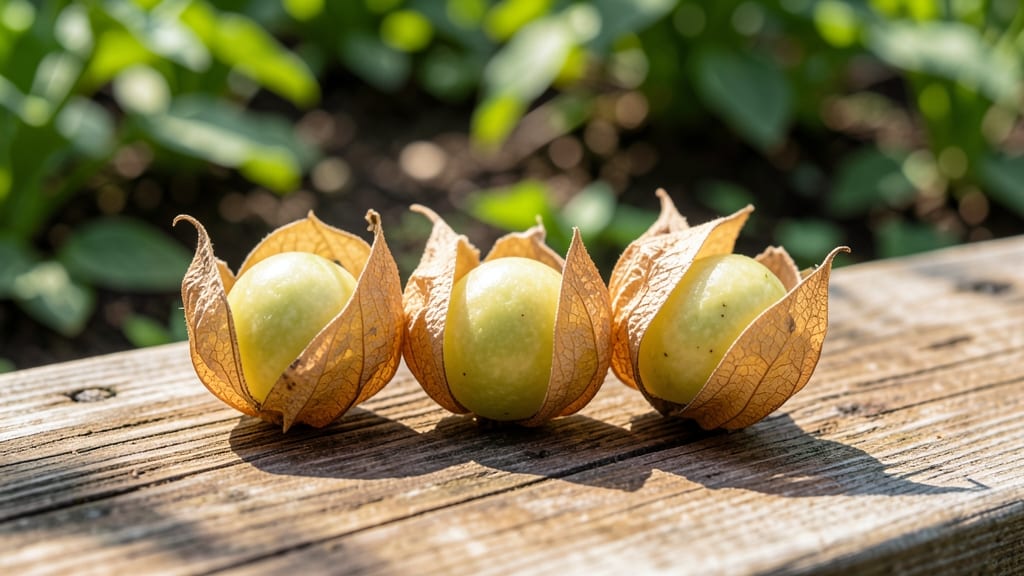
Some fruits defy expectations with their unusual shapes—like potatoes! These seven edible plants will surprise you with their culinary potential while adding quirky charm to your garden.
Jerusalem Artichoke Tubers
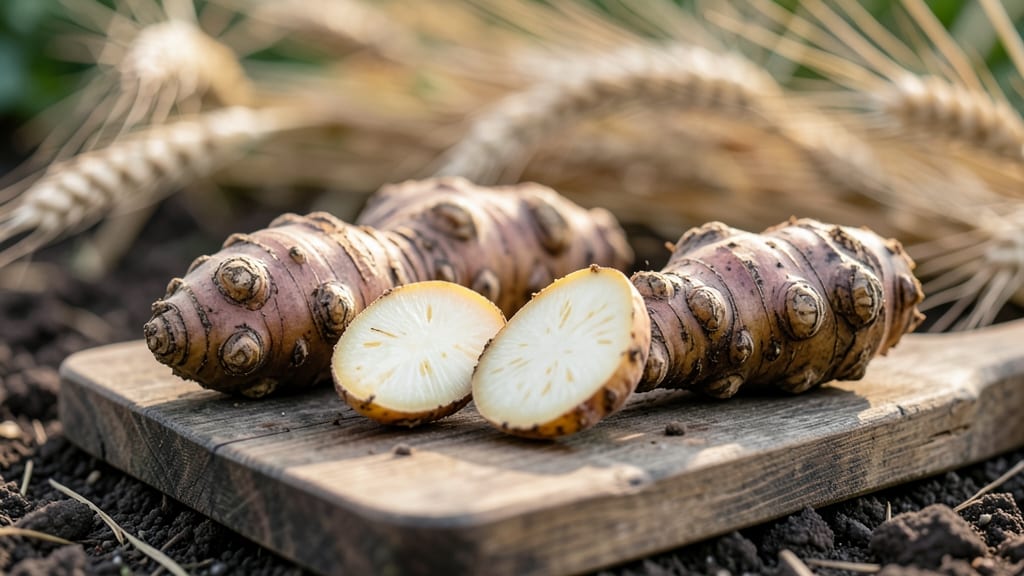
If you’ve ever wondered about gluten-free superfoods that grow like weeds, Jerusalem artichokes are your answer. These knobby tubers—often mistaken for potatoes—belong to the sunflower family and deliver a crunchy, nutty flavor packed with inulin, a prebiotic fiber that supports gut health.
Plant the tubers in early spring after the last frost, spacing them 12 inches apart in well-draining soil with full sun. They thrive in poor conditions, even tolerating drought once established, making them perfect for low-maintenance gardens. Harvest when foliage yellows, then store tubers in a cool, dark place for months.
Beyond their health benefits, Jerusalem artichokes ferment beautifully into kimchi or kombucha, or roast into a potato-like side dish—all without gluten. Urban gardeners and permaculture enthusiasts love them for their hardiness and productivity. 🌱
Cyclamen Tubers
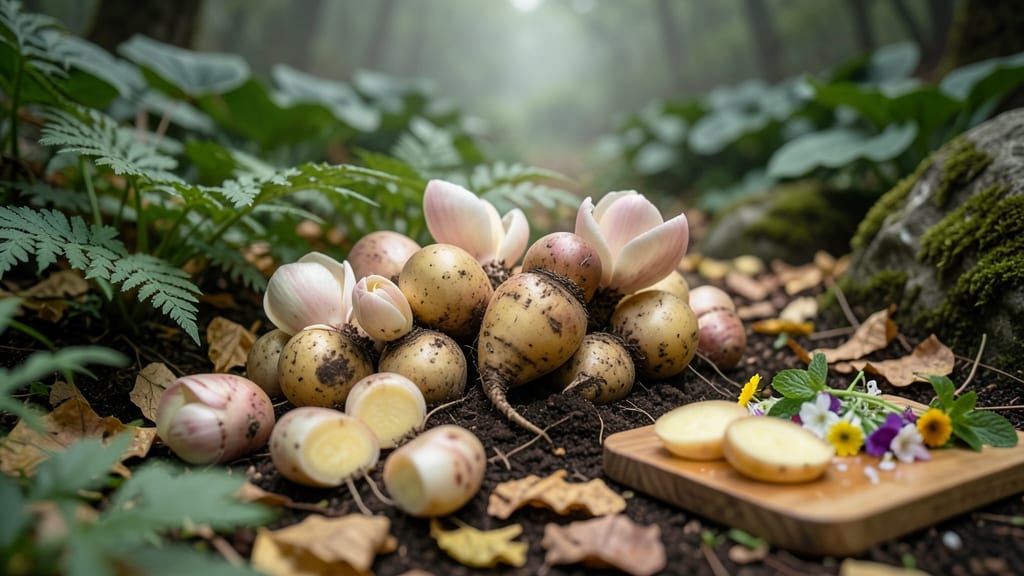
If you love the idea of growing something edible that thrives in shade, cyclamen tubers are a hidden gem. Unlike their ornamental cousins, these tubers produce sweet, potato-like roots packed with a mild, floral flavor—perfect for adding a delicate twist to salads, desserts, or even teas.
Plant them in well-draining soil under partial shade (3-6 hours of morning sun) and keep the soil consistently moist but not soggy. Harvest the tubers in early fall when the foliage begins to yellow, and store them in a cool, dark place for up to three months. The roots have a crisp texture and a taste reminiscent of almonds with a hint of vanilla.
This low-maintenance tuber is ideal for urban gardeners or those with shaded spots, offering both beauty and edibility without the fuss of sun-loving crops. 🌿
Earth Apple (Monstera Deliciosa)
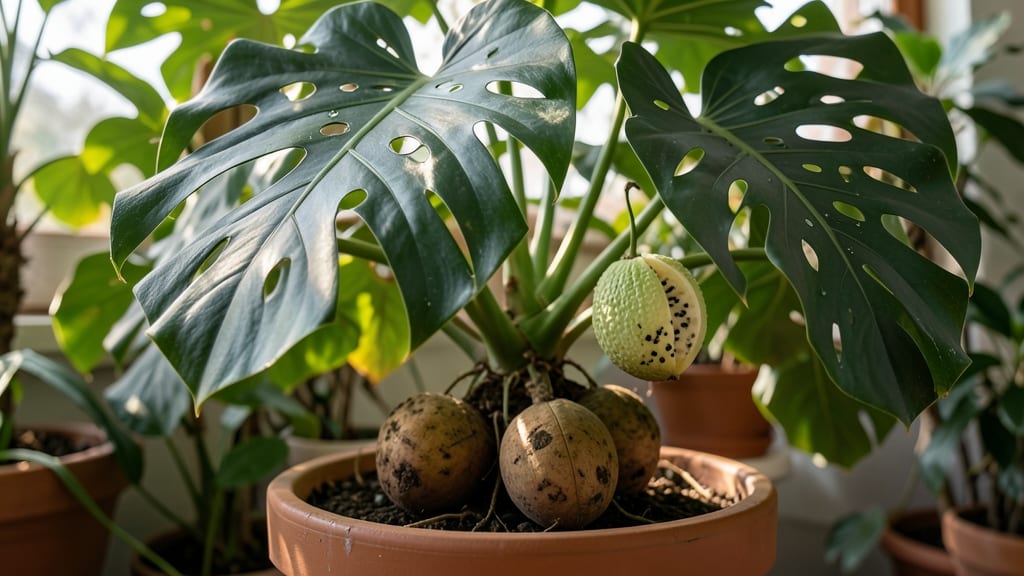
If you’ve ever wondered about a tropical houseplant with potato-like rhizomes that also produces exotic fruit, Monstera deliciosa—commonly called "earth apple"—is your answer. While its leaves are iconic, the real surprise lies in its edible fruit and subterranean tubers, making it a dual-purpose plant for both aesthetics and adventure.
The plant’s potato-shaped rhizomes store nutrients and can be harvested when mature, offering a mild, slightly sweet flavor similar to a cross between corn and pineapple. The fruit itself resembles a green, split husk and takes 9-12 months to ripen indoors. For best results, place your monstera in bright, indirect light and keep the soil consistently moist but well-draining to encourage both leaf growth and fruit production.
This plant is perfect for urban gardeners or anyone with limited outdoor space, as it thrives in containers and adds a lush, jungle-like vibe to any room. Just be patient—the fruit’s journey from flower to harvest is a rewarding (if slow) process. 🌟
Elephant Foot Yam
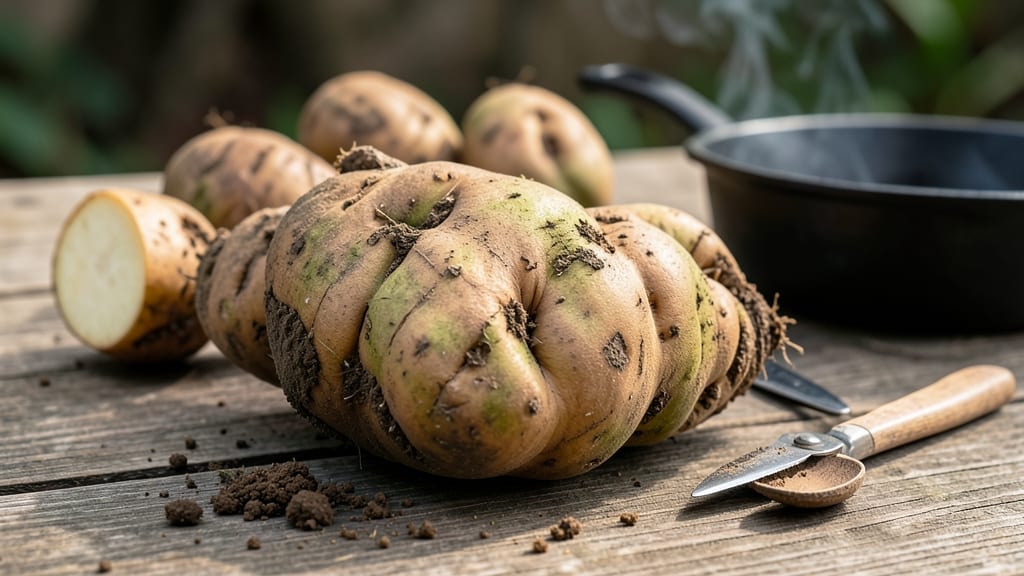
If you’ve ever wanted to grow a potato-sized tuber that’s sweeter than a regular potato and easier to cultivate, meet the elephant foot yam (Amorphophallus paeoniifolius). This tropical stunner produces massive, gnarled tubers that can weigh up to 10 pounds—perfect for baking, frying, or even feeding a crowd.
Native to Southeast Asia, this low-maintenance plant thrives in warm climates (USDA zones 10-11) with well-draining soil and partial shade. Plant the tuber in spring, keeping the soil consistently moist but not soggy. Unlike true yams, it doesn’t require heavy fertilization—just patience. Tubers mature in 6-12 months, and once harvested, they store well in a cool, dry place.
Gardeners in hot, humid regions will love how this plant rewards minimal effort with high-yield harvests. Plus, its striking arrow-shaped leaves add drama to any garden bed. 🌻
Canna Lily Tubers
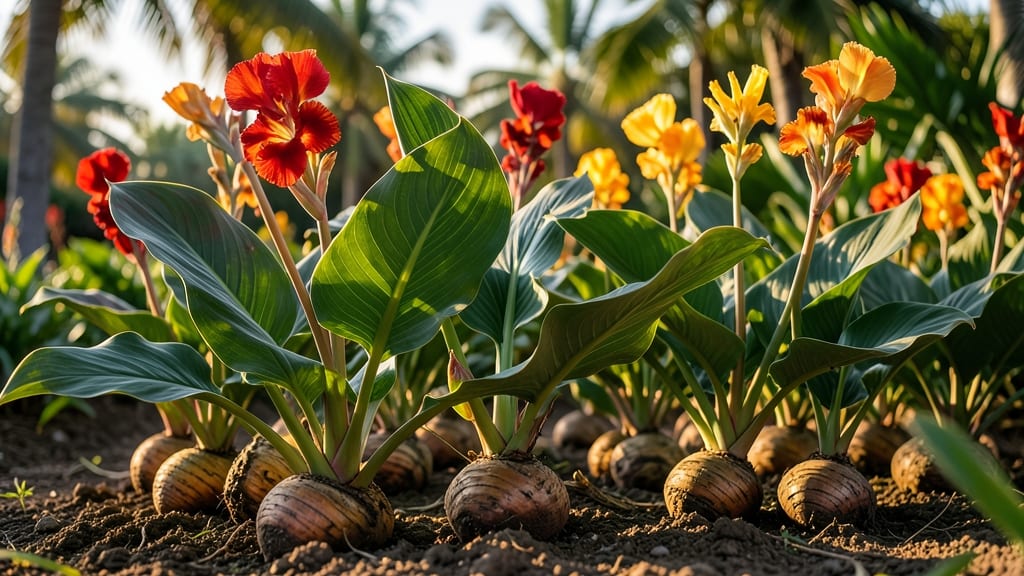
Transform your garden into a tropical paradise with canna lily tubers, which produce bold, potato-shaped rhizomes that double as edible shoots. These vibrant plants thrive in full sun and add dramatic color with their striking foliage in shades of red, orange, and yellow.
Plant the tubers 2-3 inches deep in well-draining soil after the last frost, spacing them 18-24 inches apart. They’re drought-tolerant once established but love consistent moisture for the first few weeks. Harvest the young shoots in spring for a slightly peppery flavor—great in stir-fries or salads—while the mature rhizomes can be boiled like potatoes.
Perfect for gardeners who love bold textures and dual-purpose plants, canna lilies bring both beauty and edible rewards. 🌻
Purple Sweet Potato
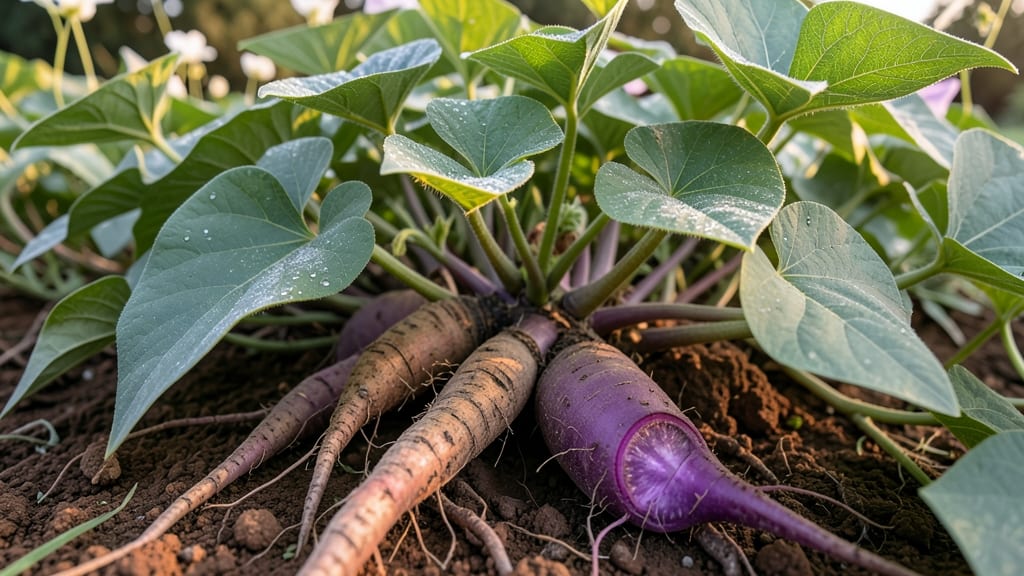
Looking for a garden plant that doubles as a stunning visual and a nutrient-packed harvest? Purple sweet potatoes deliver with their deep violet flesh packed with antioxidants—far more than their orange cousins. These aren't true potatoes but edible roots from the morning glory family, offering both beauty and nutrition.
Grow them in full sun to partial shade with well-draining soil, and expect harvests in 90-120 days. Their striking foliage thrives in containers or garden beds, while the roots store well for months. Roast, mash, or slice them raw for vibrant salads—each bite adds anthocyanins, the same antioxidants found in blueberries.
Perfect for health-conscious gardeners or those seeking year-round color, these roots bring both visual drama and culinary versatility to your harvest. 💚
Ulluccu (Tree Potato)
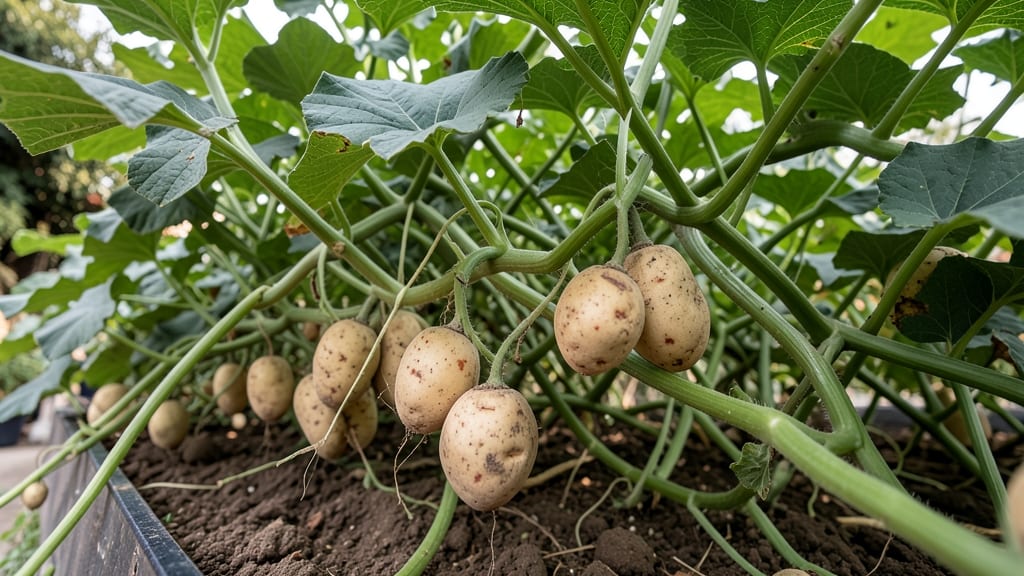
Meet ulluccu, the Andean vine that produces potato-like tubers—but with a twist. Unlike traditional potatoes, these protein-rich tubers grow above ground on vines, making them a drought-resistant, space-saving crop for sustainable gardens.
Native to South America, ulluccu thrives in partial shade and well-draining soil, requiring minimal water once established. The tubers, which resemble small, irregular potatoes, can be boiled, fried, or dried—packed with nutritional benefits like iron and calcium. Plant seeds or tubers in spring, and let the vines climb trellises or sprawl across garden beds.
Perfect for urban gardeners or those seeking low-maintenance, high-yield crops, ulluccu adds a unique, edible twist to your landscape while supporting food security in dry climates. 🌱