
Plants
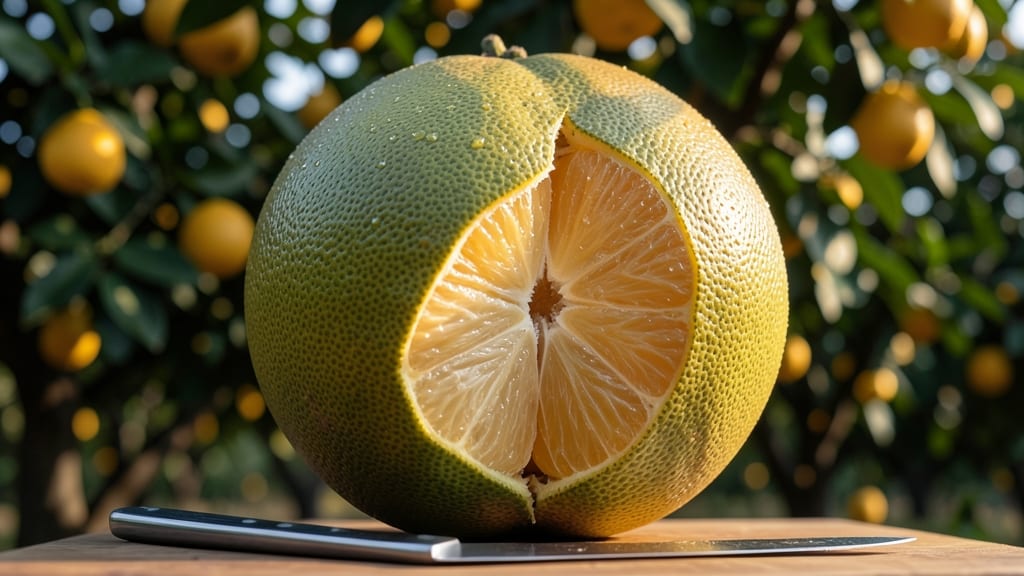
Oranges are versatile, but these seven lesser-known fruits share their bright flavors and juicy textures—perfect for swapping in recipes or snacking. From tangy tropical options to hardy garden varieties, discover citrus doubles that elevate dishes and surprise your taste buds.
Blood Oranges for Deep Antioxidant Flavor
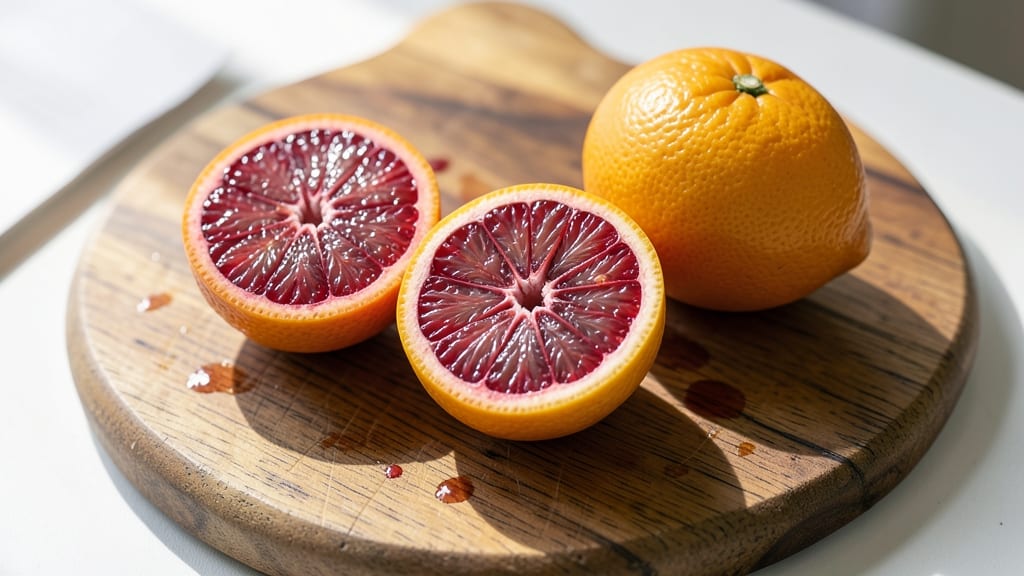
Looking for a citrus fruit that’s sweeter than an orange with a berry-like depth? Blood oranges deliver that plus a stunning deep crimson flesh packed with anthocyanins—antioxidants that give them their vibrant color and health-boosting properties.
These oranges thrive in USDA Zones 7-10, needing full sun (6+ hours daily) and well-draining soil. Their flavor peaks in winter, making them perfect for holiday desserts or festive salads. Unlike regular oranges, they’re naturally sweeter with hints of raspberry—ideal for juices, cakes, or even garnishes where their color steals the show.
Perfect for gardeners who love edible landscaping or want a nutrient-rich addition to their citrus collection. 🌱
Mandarins for Easy Peel-and-Eat Convenience
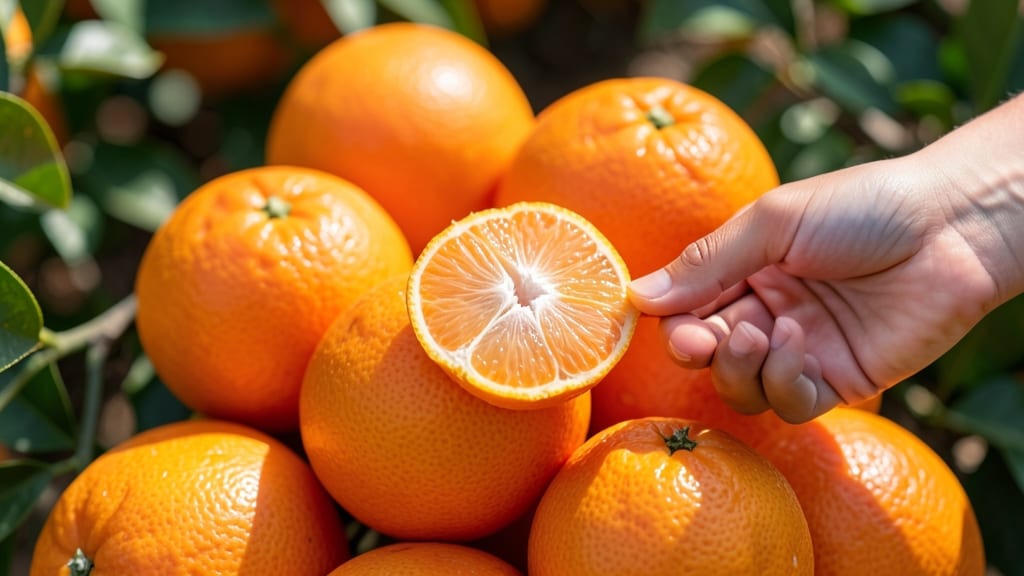
If you’ve ever struggled with orange peels clinging to the fruit or seeds popping up unexpectedly, mandarins are your game-changer. These small, bright citrus fruits are naturally seedless and peel so easily that even kids can handle them—no knife or fancy tools required.
Grow them in full sun (6+ hours daily) with well-draining soil, and you’ll enjoy a harvest in as little as 6 months. Varieties like ‘Clementine’ or ‘Satsuma’ thrive in containers, making them ideal for balconies or small yards. Their sweeter, milder flavor makes them a hit for snacking, garnishes, or even festive centerpieces.
Perfect for beginners or busy gardeners, mandarins reward you with year-round enjoyment when grown in frost-free zones. 🌱
Grapefruit for Bold Citrus-Kick Salads
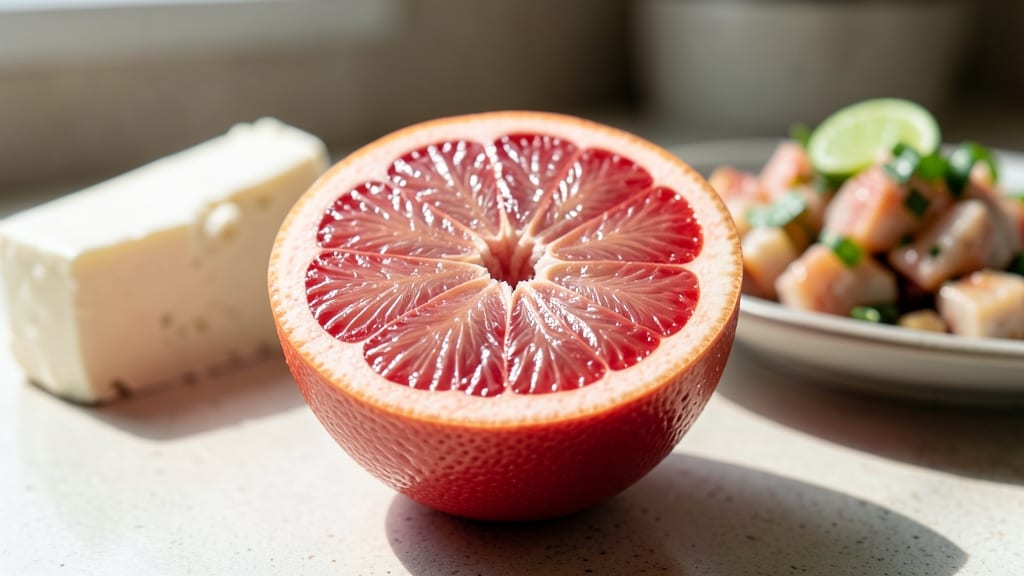
When you need a bold citrus kick that cuts through rich flavors, grapefruit delivers a sharper, more complex taste than oranges. Its tartness and floral notes make it ideal for savory dishes where acidity elevates the dish—think creamy goat cheese salads or spicy ceviche.
Growing grapefruit requires full sun (6-8 hours daily) and well-draining soil with a slightly acidic pH (6.0-7.0). Choose cold-hardy varieties like Ruby Red for milder climates, or Duncan for heat tolerance. Prune regularly to improve air circulation and fruit size, and protect young trees from frost with frost cloth.
Urban gardeners with containers can grow dwarf varieties like ‘Foster Improved’, while those in warmer zones may enjoy year-round harvests. The key is patience—it takes 3-5 years for trees to bear fruit, but the reward is a tart, refreshing citrus that stands out in both cooking and cocktails. 💚
Kumquats for Miniature Zesty Bites
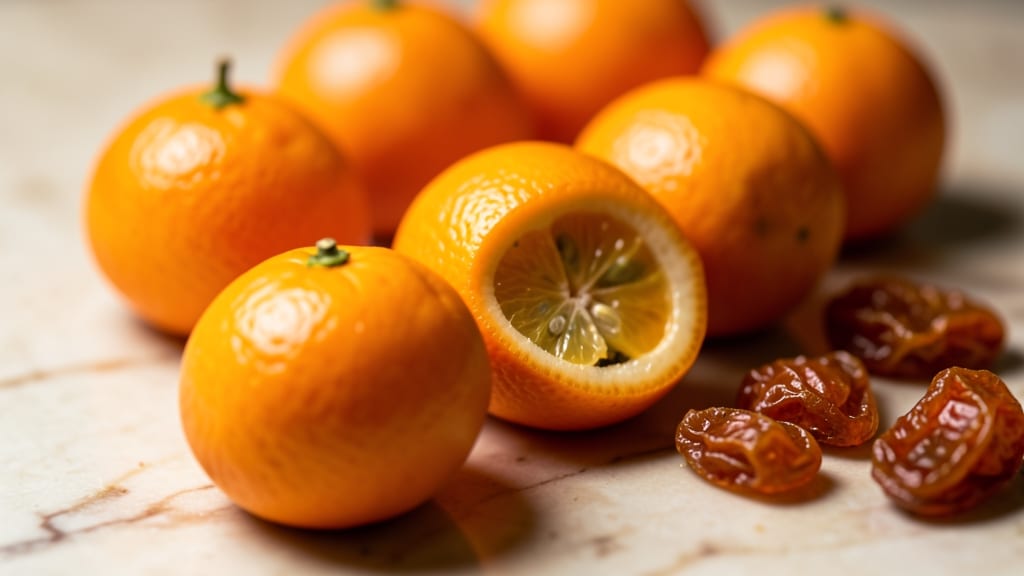
If you love the bright, zesty flavor of oranges but want something more intense in a tiny package, kumquats are your perfect match. These bite-sized citrus gems pack a concentrated burst of sweet and bitter notes that make them ideal for snacking, pickling, or even garnishing cocktails.
Growing kumquats is surprisingly easy—they thrive in USDA zones 7-10 and prefer full sun (6-8 hours daily) with well-draining soil. Unlike larger citrus trees, kumquats stay compact (often under 6 feet tall), making them perfect for containers or small gardens. The sweet peel means you can eat them whole, unlike oranges, where the peel is often discarded.
Urban gardeners and small-space growers will appreciate how low-maintenance these plants are, while foodies will love their versatility. Try growing Meiwa (sweeter) or Nagami (tart) varieties for a flavor adventure. 🌱
Yuzu for Japanese-Inspired Citrus Zing
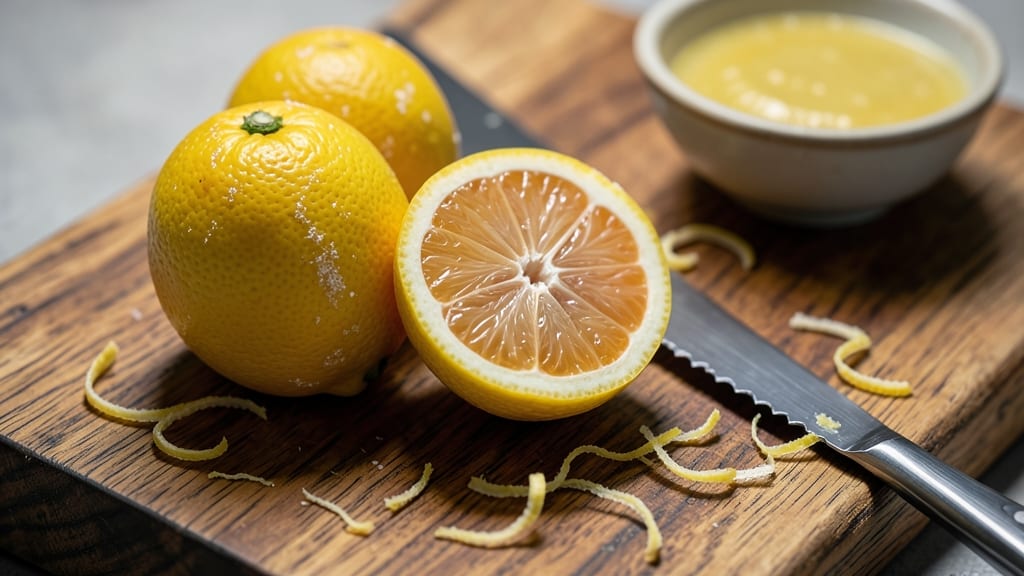
If you’re craving a citrus twist that’s more nuanced than your average orange, yuzu delivers a floral, slightly tart flavor that bridges the gap between mandarin and lemon. This Japanese hybrid isn’t just for sushi chefs—its bright, aromatic profile elevates everything from homemade dressings to marinades and even baked goods with a sophisticated edge.
Growing yuzu requires USDA Zones 8-10 or container culture in cooler climates, as it thrives in full sun (6-8 hours daily) and well-draining soil. Unlike oranges, yuzu trees are compact (6-10 feet tall), making them ideal for patios or small gardens. Harvest fruit in fall or winter when the skin turns a vibrant yellow-green—though they’re best used fresh, as they don’t store long.
Perfect for gardeners who love experimental flavors and limited space, yuzu adds a culinary adventure without the fuss of larger citrus trees. 🌟
Lemons for Versatile Acidic Brightness
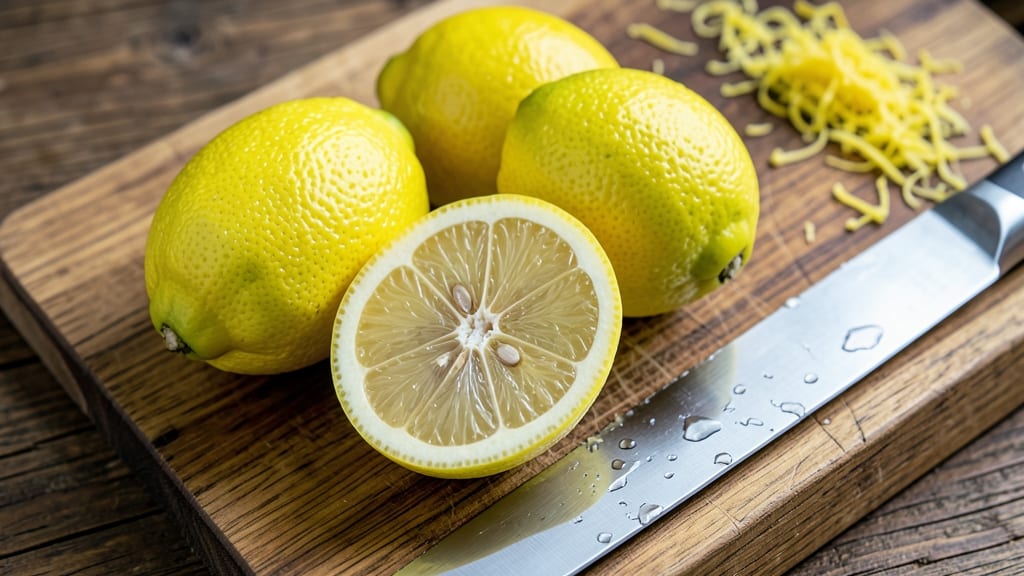
If you’ve ever wished for a citrus fruit with more punch than sweetness, lemons deliver the perfect acidic backbone—like oranges’ sharper, more concentrated cousin. Their high acidity makes them indispensable for brightening marinades, balancing flavors in savory dishes, or even whipping up natural cleaning solutions.
Lemons thrive in USDA zones 8-11 and need full sun (6+ hours daily) with well-draining soil. Dwarf varieties like ‘Meyer’ are ideal for containers, while standard lemons can reach 8-10 feet tall. Prune regularly to encourage fruit production, and fertilize lightly in spring for optimal growth. Their year-round harvest (in warm climates) ensures a steady supply of zesty goodness.
Urban gardeners and small-space growers will love lemons—they’re low-maintenance yet high-reward, offering both culinary and practical benefits. Plus, their fragrant leaves add a bonus touch to any garden. 💚
Buddha’s Hand for Aromatic Citrus Infusions
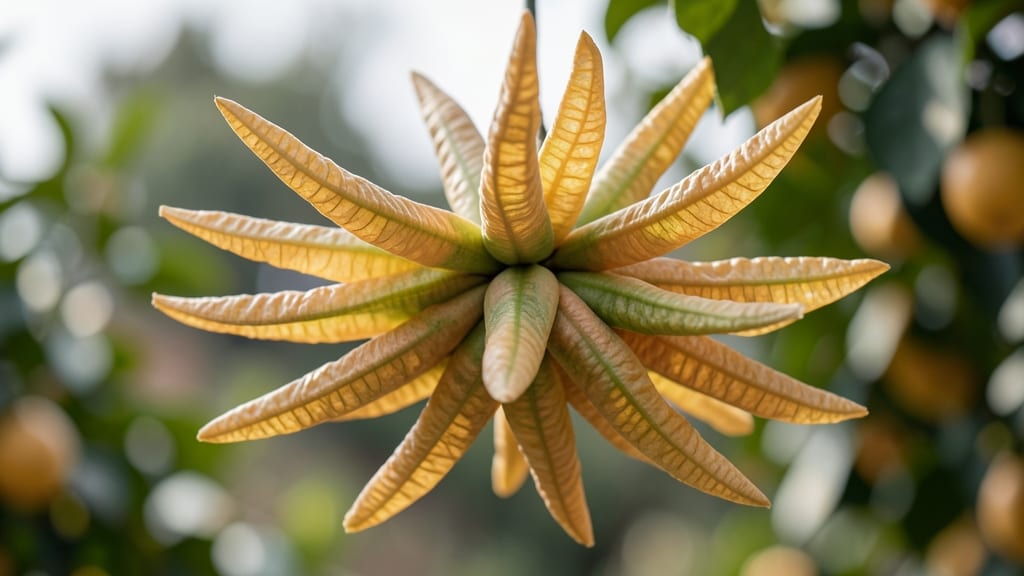
If you’ve ever craved the bright, citrusy scent of oranges without the mess of juice, Buddha’s Hand is your secret weapon. This unique, finger-shaped citrus—with its thick, leathery skin and minimal juice—isn’t grown for eating but for its intense, long-lasting fragrance, making it ideal for potpourri, sachets, or even infusing oils with that classic orange aroma.
Thriving in USDA zones 8-11, Buddha’s Hand prefers full sun to partial shade and well-draining soil. Unlike other citrus, it produces no edible fruit—just fragrant, decorative "fingers" that can be dried whole or sliced for homemade potpourri. For urban gardeners or those with limited space, it’s a compact, low-maintenance choice that doubles as a living air freshener.
Perfect for gardeners who love sensory experiences, Buddha’s Hand adds a luxurious touch to home fragrance projects without requiring a full harvest. 🌻