
Container Gardens
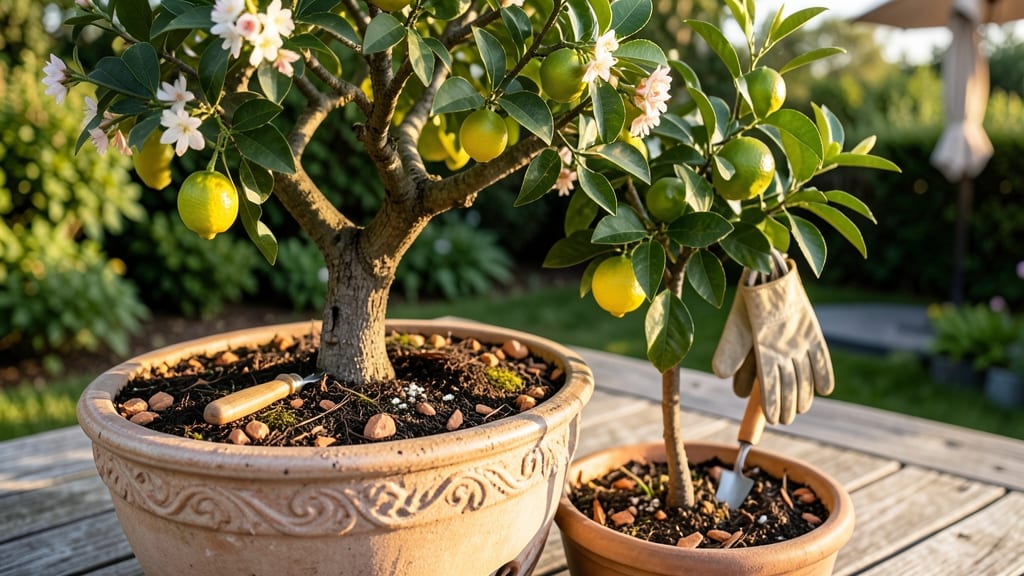
Fruit tree container gardening isn’t just possible—it’s a game-changer for small spaces. 🌱 I've watched my patio lemon tree produce fruit for three years straight, proving that dwarf varieties can thrive even on a balcony. The key is choosing the right tree, container, and care routine to mimic what they'd get in the ground.
You'll need a 5-gallon minimum container for most dwarf varieties, well-draining soil mix, and 6+ hours of sunlight daily. My top picks? 'Patio' peach, 'Columnar' apple, and 'Meyer' lemon—they're compact, productive, and handle container life better than full-size trees.
The secret is regular watering (containers dry out fast) and annual repotting to prevent root binding.
By summer's end, you'll be harvesting sweet, sun-ripened fruit that tastes better than anything from the grocery store. The trees stay manageable year-round, and you avoid common ground issues like gophers or compacted soil. Plus, moving them to a sunny spot in winter can extend their growing season.
Perfect for urban gardeners, renters, or anyone with limited yard space. Here's how to set up your first container fruit tree—no green thumb required, just patience and the right variety.
📚 In This Guide
- What you need
- Instructions
- Tips and common mistakes
- Wrapping up and next steps
What you need
- ● Container: A large, durable pot (minimum 15-20 gallons) with drainage holes. For dwarf varieties, 5-gallon pots work for citrus; 10+ gallons for apples/pears.
- ● Dwarf Fruit Tree: Choose a variety like ‘Columnar Apple,’ ‘Patio Pear,’ or ‘Meyer Lemon.’ (Check local climate zones for best fits!)
- ● Potting Soil: A well-draining mix (50% potting soil + 50% perlite/compost). Avoid garden soil!
- ● Fertilizer: Slow-release balanced fertilizer (10-10-10) or organic options like worm castings.
- ● Mulch: 2-3 inches of organic mulch (straw or wood chips) to retain moisture.
- ● Tools: Trowel or small shovel
- ● Pruning shears (sterilized!)
- ● Watering can or hose with gentle spray
- ● Support: Small stakes or cages for windy areas.
- ● Self-watering system: Drip irrigation or a moisture meter to avoid over/under-watering.
- ● Pest control: Neem oil or insecticidal soap for aphids/spider mites.
- ● Sunlight booster: A reflective surface (like white paint on a wall) to maximize light.
Step-by-Step guide to growing dwarf fruit trees in containers
Here's how to grow productive, space-saving fruit trees—no yard required.
🪴 Step 1: Select the Right Dwarf Variety and Container
Choose a dwarf variety suited to your climate—options like 'Patio' peaches, 'Columnar' apples, or 'Pixie' citrus thrive in containers. The container must be at least 18-24 inches deep with drainage holes, and 20-25% larger than the root ball of your tree. I use 5-gallon fabric grow bags because they allow roots to breathe and prevent waterlogging.
Position the container where it gets 6-8 hours of direct sun daily. South-facing windowsills or balconies work well, but supplement with a grow light if natural light is insufficient. Avoid placing containers where they'll be shaded by other plants or structures.
🌱 Step 2: Prepare the Soil and Plant the Tree
Fill the container with a well-draining potting mix—I blend 50% premium potting soil, 30% perlite, and 20% compost for optimal drainage and nutrients. Avoid garden soil; it compacts and suffocates roots. Moisten the mix until it feels like a damp sponge.
Remove the tree from its nursery pot and loosen the roots if they're circling. Place it in the container so the graft union (the bump near the base) sits 1-2 inches above the soil line. This prevents root rot and ensures the tree stays dwarf-sized. Backfill with soil, pressing gently to eliminate air pockets.
☀️ Step 3: Water and Fertilize for Healthy Growth
Water deeply immediately after planting, then wait until the top 2 inches of soil feel dry before watering again. Overwatering is the #1 killer of container-grown fruit trees—yellowing leaves often signal too much moisture. Use a moisture meter or stick your finger in the soil to check.
Fertilize with a balanced, slow-release fertilizer (10-10-10) at planting, then again in early spring and mid-summer. Avoid high-nitrogen fertilizers—they promote leafy growth at the expense of fruit. Instead, use a fruit-specific fertilizer like 8-3-9 to encourage blooms and harvests.
✂️ Step 4: Prune and Train for Shape and Productivity
Prune in late winter or early spring before new growth begins. Remove any dead, crossing, or inward-growing branches first, then thin the canopy to allow light and air circulation. Aim to keep the tree's center open—this prevents disease and encourages fruit production.
Train young trees to a central leader or open vase shape by tying branches to stakes if needed. Avoid heavy pruning in the first year; dwarf trees are sensitive to stress. Watch for suckers (shoots growing below the graft union) and remove them promptly—they divert energy from fruit production.
🍎 Step 5: Monitor and Maintain for Long-Term Success
Check the tree weekly for pests like aphids, scale, or spider mites. Treat infestations early with neem oil or insecticidal soap—container-grown trees are more vulnerable to pests due to their confined space. Inspect the undersides of leaves and new growth first; that's where pests hide.
Repot every 2-3 years into a container 2-4 inches larger to accommodate root growth. Refresh the soil with new potting mix and a slow-release fertilizer during repotting. If your tree becomes root-bound (roots circling the bottom of the pot), prune 20-30% of the roots before repotting to encourage outward growth.
Tips & tricks for perfect container-grown dwarf fruit trees
Growing fruit trees in containers is easier than you think—once you know these game-changing strategies.
Container Selection: Fabric grow bags are my top recommendation because they prevent root circling and allow roots to breathe, but traditional pots work too. Look for containers with built-in saucers to catch drainage—this prevents water damage to decks and patios. I've found that containers with a dark exterior absorb more heat, which can help in cooler climates during spring planting.
Light Requirements: The 6-8 hours of direct sunlight mentioned in Step 1 is non-negotiable for most fruit varieties. If you're in a high-rise apartment, consider a south-facing balcony with reflective surfaces (like white walls) to maximize light exposure. For indoor growing, supplement with a full-spectrum LED grow light positioned 6-12 inches above the tree for 12-14 hours daily. Rotate the container weekly to ensure even growth.
Soil Mix Secrets: Your 50-30-20 soil blend is perfect, but here's the pro move: add 1 tablespoon of mycorrhizal fungi to the mix at planting. These beneficial microbes help roots absorb nutrients more efficiently. Also, avoid compacting the soil when backfilling—press gently but don't squeeze it like you're making a snowball. This prevents soil density that suffocates roots.
Watering Wisdom: The "top 2 inches dry" rule works, but I've learned that container-grown trees often need more frequent watering than in-ground plants. Check moisture in the morning before watering—this prevents overwatering, which is especially critical in cooler weather when evaporation slows. Mulching the soil surface with 1 inch of straw helps retain moisture while preventing soil splash that can spread diseases.
Pro Tips for Fruit Tree Container Gardening
- Growing fruit trees in containers is easier than you think—once you know these game-changing strategies.
- Container Selection: Fabric grow bags are my top recommendation because they prevent root circling and allow roots to...
- Light Requirements: The 6-8 hours of direct sunlight mentioned in Step 1 is non-negotiable for most fruit varieties. ...
Frequently asked questions
Got questions about growing fruit trees in containers? You’re not alone! Here are some of the most common concerns—and their solutions—to help you grow with confidence.
What are the best dwarf fruit tree varieties for beginners?
Start with easy-to-grow varieties like columnar apple trees (e.g., ‘Columnar Red Delicious’), dwarf citrus (e.g., ‘Calamondin’), or patio-friendly peaches (e.g., ‘Bonanza’). These require minimal space, tolerate pruning, and produce fruit reliably. Look for labeled “dwarf” or “semi-dwarf” tags at nurseries!
How long does it take for a container-grown fruit tree to bear fruit?
Patience is key! Most dwarf fruit trees take 2–5 years to bear fruit, depending on the variety and care. Citrus and figs often fruit faster (1–3 years), while apples and peaches may take longer. Ensure full sun, proper pruning, and consistent watering to speed up the process.
Do container fruit trees need special watering or fertilizer?
Yes! Containers dry out faster, so water deeply every 2–3 days in hot weather (check soil moisture first). Use a balanced, slow-release fertilizer (like 10-10-10) in spring, and switch to a high-potassium formula (like 5-10-10) when buds form. Mulch with straw to retain moisture.
Can I grow fruit trees in containers indoors?
Most fruit trees need 6+ hours of sunlight daily, so indoor growth is tricky unless you have a sunroom or grow lights. If indoors, choose low-light tolerant varieties like dwarf Meyer lemon or fig trees, and supplement with LED grow lights. Expect slower growth and fewer fruits compared to outdoor containers.
How do I protect my container fruit tree from pests?
Container trees are vulnerable to aphids, spider mites, and fruit flies. Prevent pests with neem oil sprays, sticky traps for flies, and regular inspections. For severe infestations, introduce beneficial insects (like ladybugs) or use insecticidal soap. Keep containers elevated to deter rodents and slugs.
What should I do if my container fruit tree isn’t growing?
Check these common issues:
Not enough sun? Move to a sunnier spot (most need 6–8 hours/day).
Root-bound? Repot every 2–3 years in fresh, well-draining soil.
Over/under-watering? Stick your finger in the soil—top 2” should be dry before watering.
Poor soil? Use a mix of potting soil + compost + perlite for drainage.
If problems persist, test soil pH (ideal: 6.0–7.0 for most fruit trees).Wrapping up and next steps
Container gardening with dwarf fruit trees is a rewarding way to enjoy fresh, homegrown produce—even in limited spaces! 🌱 With the right dwarf varieties, proper containers, and a little care, you’ll harvest juicy peaches, tangy lemons, or sweet cherries right from your balcony or patio.
Whether you’re a beginner or a seasoned gardener, the key is patience and consistency—your future fruit harvests will make it all worthwhile.
Ready to get started? Pick your favorite dwarf variety, gather your supplies, and plant with confidence! For extra inspiration, explore our guide on pruning techniques or check out seasonal care tips to keep your tree thriving year-round. Happy gardening! 🍊✨