
Trees
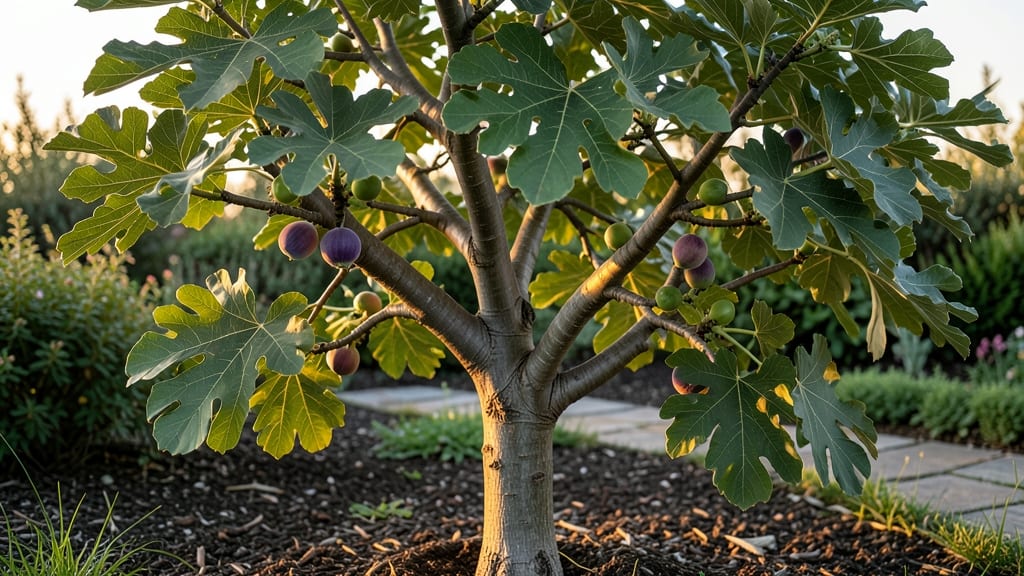
A fig tree will produce fruit anywhere from 1 to 5 years after planting, depending on the variety and growing conditions.
Imagine waiting months for that first sweet, sun-ripened fig—only to find your tree still throwing out leaves instead of fruit. That’s the frustrating reality for many gardeners, but the good news is that with the right variety and care, you can cut that wait time dramatically.
Young fig trees need time to establish strong roots and branches before they focus on fruit production. In warmer climates like USDA Zone 6a and above, some varieties like Celestial or Desert King may bear fruit as early as their first year, while others take 3 to 4 years.
Here’s what you need to know about the timeline, how climate affects it, and the simple steps to encourage faster fruiting—so you can finally enjoy that first harvest.
Fig tree fruit production timeline by variety: when to expect harvests
Fig trees are among the most rewarding fruit producers, but their fruit-bearing timeline varies dramatically by variety and growing conditions. Some varieties like Celestial can produce fruit in their first year, while others like Chicago Hardy may take 2-3 years to reach maturity.
Understanding these differences helps set realistic expectations and optimize care for faster harvests.
The first year of growth focuses on establishing roots and branches, so don’t expect fruit yet—unless you’re growing a fast-maturing variety in ideal conditions. Mature trees (3+ years old) typically produce two crops per year: one on current-year wood and another on older branches.
Let’s break down what to expect from popular varieties and how climate plays a role.
If you’re growing Celestial figs in containers, you might taste fruit as early as 6-8 months after planting, thanks to their compact growth habit. These varieties thrive in USDA Zones 8-11 and produce two harvests per year—one on current-season growth and another on older wood.
For container-grown trees, prune aggressively in late winter to encourage early fruiting.
Brown Turkey and Desert King are classic choices for dry climates and produce fruit by their second or third year. These varieties often yield two distinct crops: a smaller spring crop (from last year’s wood) and a larger
Climate zones and seasonal factors that delay or speed up fig fruit production
Your fig tree’s fruiting timeline isn’t set in stone—it’s heavily influenced by your climate zone and seasonal patterns. In USDA zones 9-11, figs often fruit within 1-2 years of planting, while colder zones like 7-8 may take 3-5 years due to slower growth and frost risks.
Mediterranean climates with hot, dry summers accelerate production, while humid subtropical zones can delay it if moisture stresses the tree.
Seasonal shifts play a critical role too. Fig trees in winter-dormant climates (zones 7-8) need consistent warmth to break dormancy and set fruit. A late frost can kill emerging buds, pushing back harvests by months.
Meanwhile, tropical figs (zones 10-11) may fruit year-round if conditions stay ideal, but even they slow in monsoon seasons with excessive rain.
🌡️ Temperature thresholds are key: figs need 60°F+ soil temps to grow and 75°F+ air temps to fruit. In zone 7, a cold snap in spring can halt flower development entirely, while zone 10 trees might produce two harvests per year if given perfect conditions. Even microclimates matter—a south-facing wall can add 5-10°F of warmth, speeding up fruiting in marginal zones.
| Climate Zone | Seasonal Pattern | First Fruit Timeline | Key Risks |
|---|---|---|---|
| Zones 9-11 | Year-round growth, 2 harvests/year | 1-2 years (some varieties) | Overwatering, fungal diseases |
| Zones 7-8 | Winter dormancy, spring flush | 3-5 years (with protection) | Late frosts, poor drainage |
| Mediterranean (Zone 8-9) | Hot/dry summers, mild winters | 2 years (fastest production) | Drought stress, heat spikes |
| Subtropical (Zone 10-11) | Humid, consistent warmth | 1-3 years (varies by variety) | Pests (scale, aphids), poor airflow |
Early bloomers like Celestial figs thrive in warm climates and may fruit in their first year, while hardy varieties like Chicago Hardy wait until year 3 in colder zones. Pruning strategies also adjust timing: heavy pruning in late winter can delay fruiting by a season as the tree regrows, while minimal pruning lets it focus on fruit production sooner.
To speed up fruiting, mimic ideal conditions: use row covers in spring to protect buds from frost, mulch heavily to retain soil warmth, and fertilize in early spring with phosphorus-rich feed to encourage flowering.
In humid zones, improve airflow with spaced planting to prevent fungal issues that stall growth. Even a 5°F warmer microclimate can shift harvests 2-4 weeks earlier.
Remember, patience is key—especially in marginal zones. A fig tree in zone 7 might take longer to bear fruit, but with proper winter protection (like wrapping the trunk), you can preserve the tree’s energy for bigger harvests in later years.
The right climate prep turns waiting into planning, and soon, you’ll be enjoying homegrown figs year after year. 🌿