
Trees
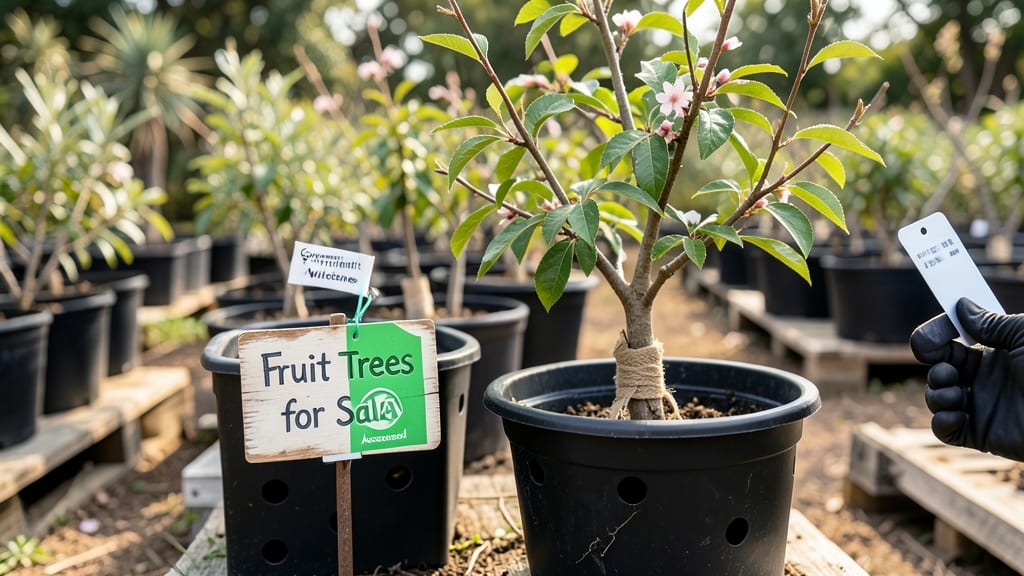
You cannot buy fruit trees with EBT because they’re classified as non-food plants under USDA SNAP guidelines. Only fresh, canned, frozen fruits, and seeds for planting—like apple or peach seeds—qualify for purchase with EBT cards.
EBT cards are designed to cover food items that are immediately consumable or can be grown into food within a single growing season. 🌱 Fruit trees, however, are considered non-food plants because they take years to bear fruit.
The USDA’s SNAP program focuses on supporting access to food, not long-term gardening projects. If you’re eager to grow fruit at home, consider purchasing seeds for fast-growing plants like strawberries or herbs, which often qualify for EBT purchases.
For fruit trees specifically, some community gardens or agricultural programs may offer low-cost saplings or shared gardening opportunities. 💫 Always check local resources, as some states have pilot programs that expand SNAP benefits to include gardening supplies or small plants.
The key is to focus on what the program was designed to support: immediate food access and short-term growing solutions.
💡 In This Article
- SNAP Eligible Plant Purchases: What Counts as Food?
- EBT-Friendly Alternatives: Where to Buy Fruit Tree Seeds or Saplings
SNAP eligible plant purchases: what counts as food?
The USDA SNAP program defines "food" as items that are either ready-to-eat or can be grown into consumable food within a single growing season. 🌱 Fruit trees fall outside this definition because they require years—often 3 to 5—to mature and produce edible fruit.
The program prioritizes immediate food access, which is why seeds for fast-growing plants like herbs, strawberries, or tomatoes qualify, but fruit tree saplings do not. Even if a fruit tree eventually yields fruit, the SNAP guidelines focus on the timeline of consumption, not the end result.
Here’s the critical distinction: SNAP-eligible seeds must produce food within one growing season (typically 90-120 days). For example, a packet of tomato seeds can yield ripe fruit in 60-85 days, making them a clear fit.
In contrast, an apple tree seed might take 5-10 years to bear fruit—far beyond the program’s scope. 🍎 The USDA’s logic is rooted in ensuring recipients have quick access to nutrition, not long-term agricultural investments.
Even seeds for fruit-bearing plants like berries or citrus are often excluded unless they’re labeled as "edible" and produce food within a short timeframe. For instance, blueberry bushes may qualify if they’re sold as young plants that fruit within 1-2 years, but mature fruit trees are almost always off-limits.
This rule extends to gardening supplies: tools, soil, or fertilizer don’t count as food, even if they help grow it.
What most people don’t realize is that SNAP rules vary slightly by state due to pilot programs. Some states, like New York and California, have expanded eligibility to include seeds for herbs or small fruit plants, but fruit trees remain excluded nationwide.
The USDA’s official guidelines explicitly state that "plants and seeds for planting that produce food for the household to eat" must yield food within a single growing season to qualify. 💫 This is why you’ll see packets of basil or chive seeds at farmers' markets with SNAP signs—herbs grow quickly and are considered "immediate food producers."
For those eager to grow fruit, the workaround lies in focusing on plants that fit the SNAP criteria. Strawberry plants, for example, often produce fruit within 3-6 months and are sometimes available for purchase with EBT.
Even fruit-bearing herbs like mint or citrus herbs (which produce small edible fruits) may qualify. The key is to look for labels that specify "edible" or "fruit-bearing" and check with local SNAP-approved retailers for the most up-to-date rules.
If you’re determined to grow fruit trees, consider partnering with community gardens or agricultural programs. Some nonprofits offer low-cost saplings or shared gardening plots where you can contribute labor in exchange for access to trees.
These programs often align with SNAP’s broader mission of supporting food access, just through a different channel. 🌿