
Trees
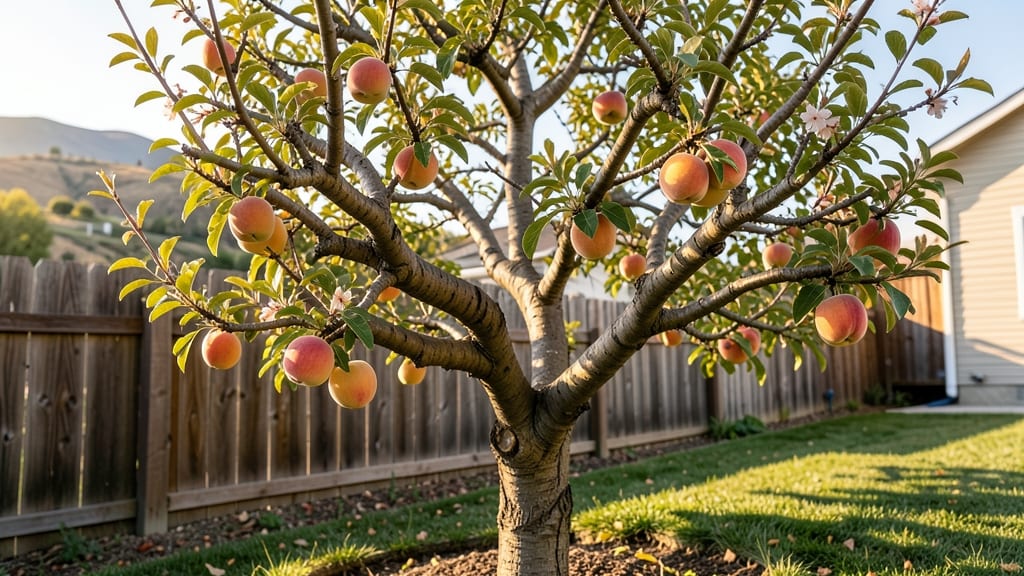
Northern California's mild winters and sunny summers create a paradise for fruit tree enthusiasts. These 10 fast-growing, climate-adapted varieties deliver abundant harvests with minimal fuss, whether you have a sprawling orchard or a small backyard.
Dwarf Meyer Lemon Tree
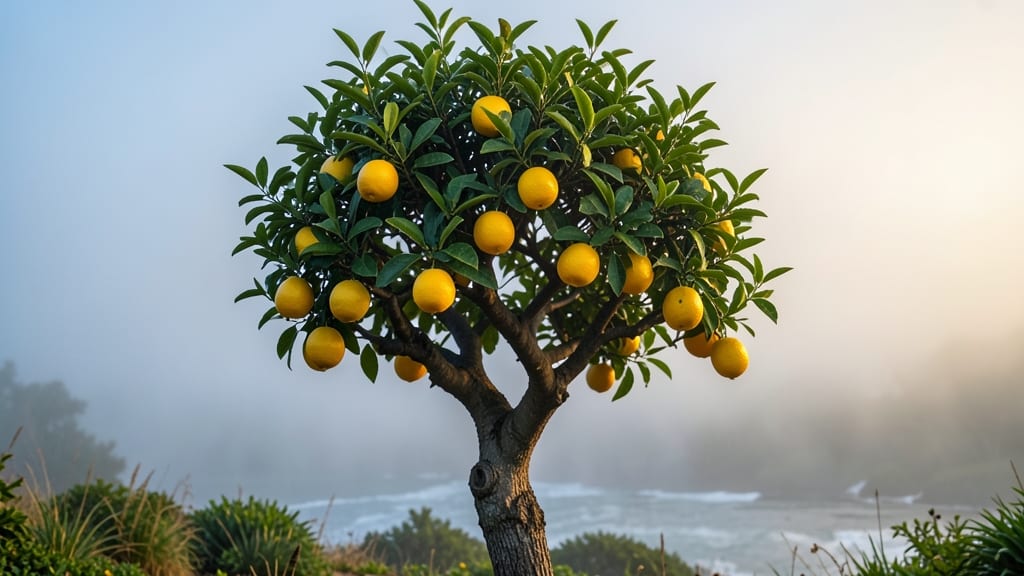
If you love fresh lemons but live in a coastal fog zone where traditional citrus struggles, the dwarf Meyer lemon tree is your game-changer. Unlike standard lemons, this variety thrives in temperatures as low as 20°F, making it perfect for Northern California's unpredictable coastal climate.
This compact tree grows just 6-8 feet tall, making it ideal for containers or small urban patios. It produces sweeter, less acidic fruit than standard lemons, perfect for baking or garnishing dishes. For best results, plant in well-draining soil and provide 6 hours of sun daily, though it tolerates partial shade better than most citrus.
Urban gardeners and first-time fruit growers will appreciate its low-maintenance nature—just keep it watered during dry spells and fertilize lightly in spring. With proper care, you'll enjoy year-round lemons, even in foggy microclimates. 🌱
Arctic Apple Tree
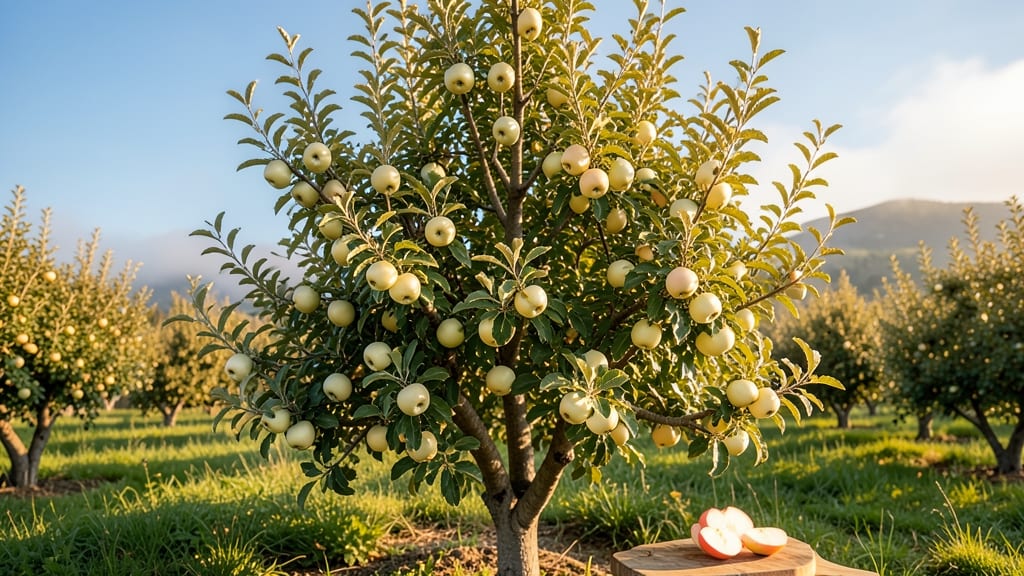
Tired of apples that turn brown the second you slice them? The Arctic apple tree is a game-changer for Northern California gardeners, offering non-browning, disease-resistant fruit that stays fresh and vibrant for weeks. Unlike traditional apple varieties, these apples resist common fungal diseases like apple scab and fire blight, making them perfect for organic orchards.
This cold-hardy tree thrives in cooler regions like the Sierra foothills and coastal areas, where traditional apple varieties struggle. With minimal pesticide needs, it’s a dream for organic growers. Plant in well-draining soil with full sun to partial shade, and expect a harvest in 3-4 years. The fruit’s crisp texture and sweet-tart flavor make it ideal for fresh eating or baking.
Whether you're a commercial grower or a backyard enthusiast, the Arctic apple tree delivers low-maintenance, high-reward results. It’s especially great for organic orchards and cooler microclimates. 🌟
Fuyu Persimmon Tree
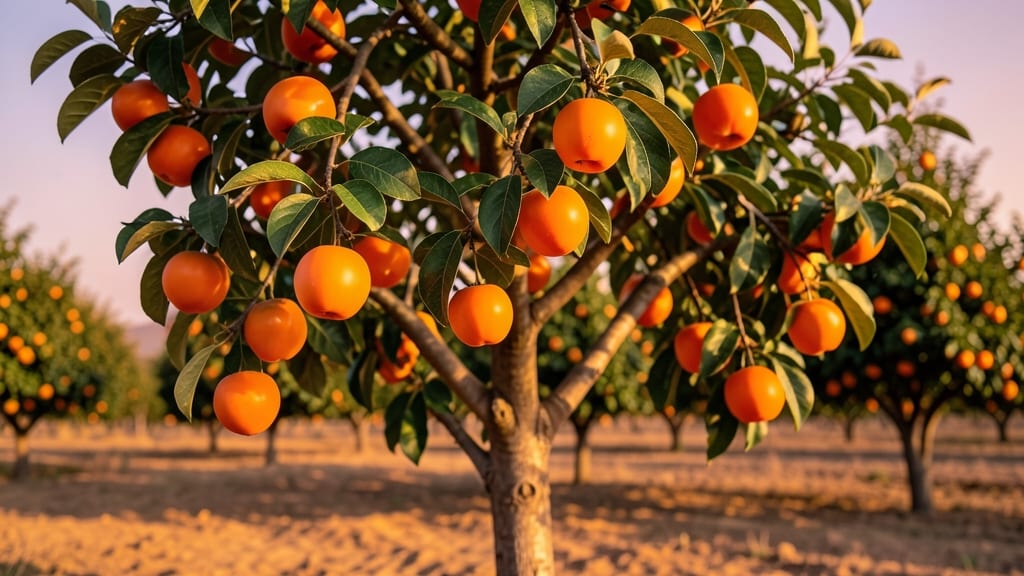
Skip the grocery store's bland persimmons—grow your own Fuyu persimmon tree for sweet, seedless fruit that's ready by early fall. Unlike its astringent cousins, this variety ripens to a bright orange hue and softens to a honey-like texture, perfect for snacking or preserving.
This fast-growing tree thrives in Northern California's USDA zones 7-10, tolerating both coastal and inland microclimates. Plant it in full sun with well-draining soil, and expect fruit in just 3-5 years. The non-astringent fruit stores for months at room temperature, making it ideal for canning or jam-making.
Home cooks and gardeners with limited space will love this tree—it stays compact (15-20 feet tall) and produces abundant harvests with minimal care. 🌟
Fig Tree Variety 'Violette de Bordeaux'
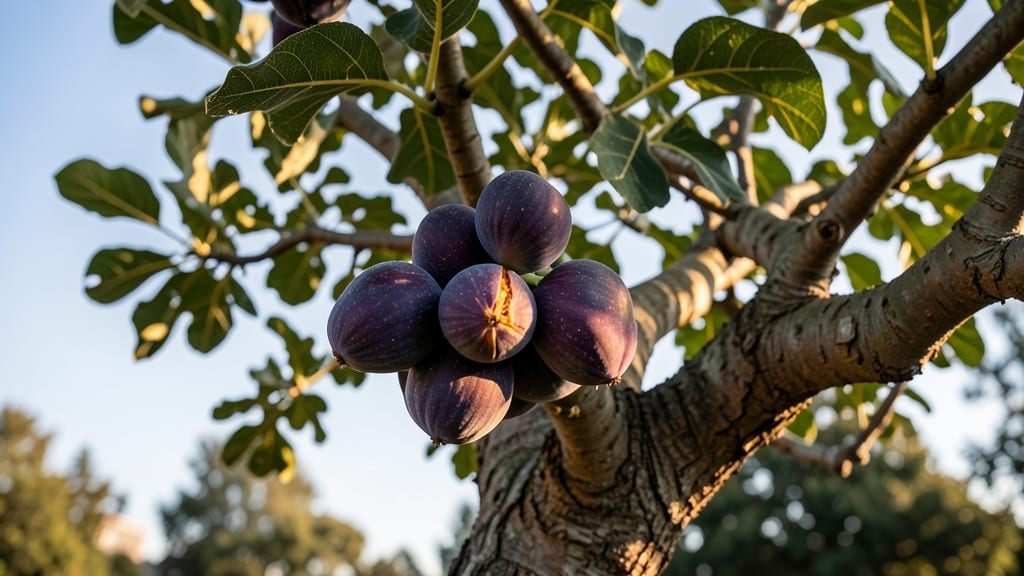
Tired of fig trees that struggle in Northern California's cooler inland areas? The 'Violette de Bordeaux' fig variety defies the odds with its cold tolerance and stunning purple-skinned fruit that tastes like liquid honey. Unlike traditional figs, this variety thrives in both coastal and inland microclimates, making it the ultimate versatile choice for your orchard.
This fig produces sweet, jammy fruit that ripens in late summer, perfect for fresh eating or preserving. The tree itself is compact and adaptable—plant it in full sun with well-draining soil, and it will reward you with year-round interest, from its glossy leaves to its striking fruit. It's also disease-resistant, so you won't waste time battling pests or fungal issues.
Urban gardeners and homesteaders alike will love this fig's low-maintenance nature and ability to thrive in containers or directly in the ground. It’s the perfect addition for those who want a unique, flavorful fruit without the fuss. 🌻
Hass Avocado Tree
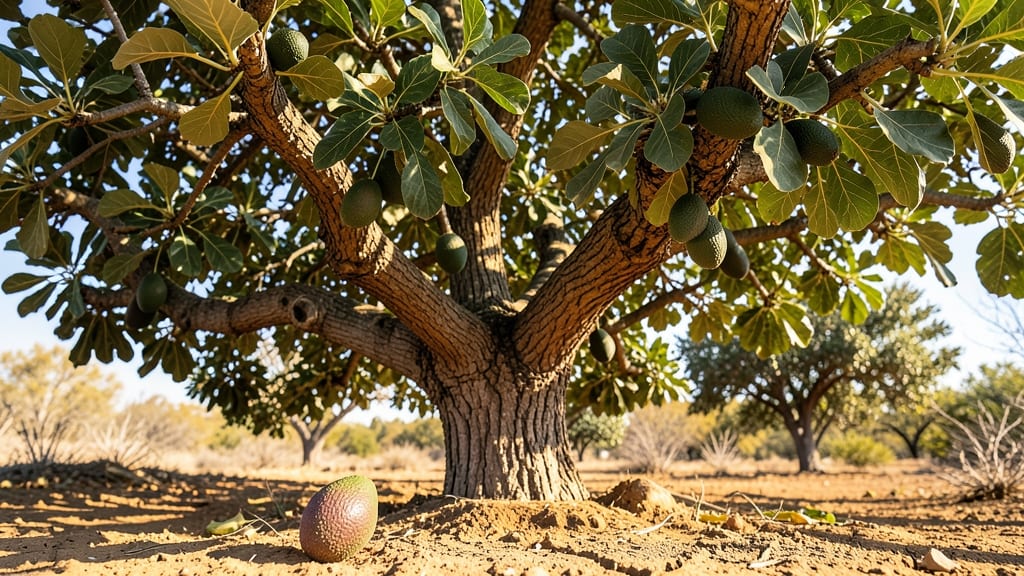
If you crave creamy avocados but live in Northern California's inland valleys, the Hass avocado tree is your perfect match. Unlike coastal citrus, this tree thrives in dry, hot microclimates like Sacramento or Fresno, where summer temperatures regularly exceed 90°F.
This drought-resistant tree produces the world's most popular avocado variety, known for its rich, buttery texture. Plant in well-draining soil with full sun exposure, and water deeply but infrequently once established—mature trees need only 1-2 inches of water per week. The tree blooms in spring, with fruit ripening in fall and winter.
Perfect for gardeners in USDA zones 9-11 who want low-maintenance, high-reward trees. With proper care, you'll enjoy homegrown avocados for decades. 🌱
Satsuma Mandarin Tree
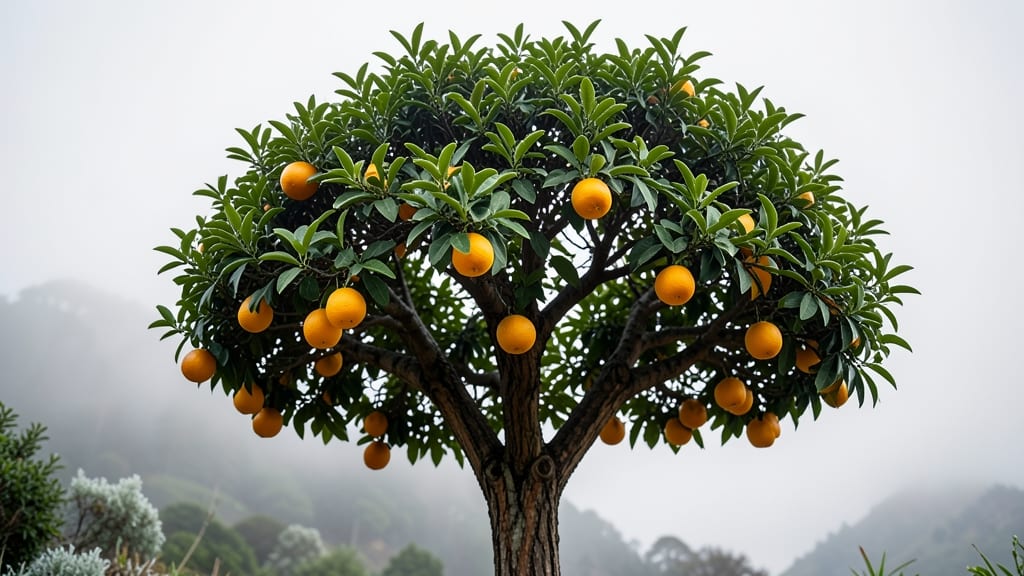
If you crave homegrown citrus without the fuss of tender varieties, the Satsuma mandarin tree is your answer. Unlike traditional citrus, it thrives in Northern California's coastal fog zones and foothills, where temperatures dip below freezing—something most citrus trees can't handle.
This cold-hardy citrus produces seedless, easy-to-peel mandarins that ripen in late fall, just in time for holiday treats. Plant it in well-draining soil with full sun exposure (6-8 hours daily), and protect young trees with frost cloth during unexpected chills. Once established, it requires minimal care and rewards you with year-round greenery and seasonal fruit.
Perfect for urban gardeners with limited space, Satsumas grow well in containers or as small orchard trees. Their sweet, juicy fruit makes them a favorite for fresh eating, and their compact size fits neatly into backyards or even large patios. 🌱
Cherokee Purple Tomato Tree
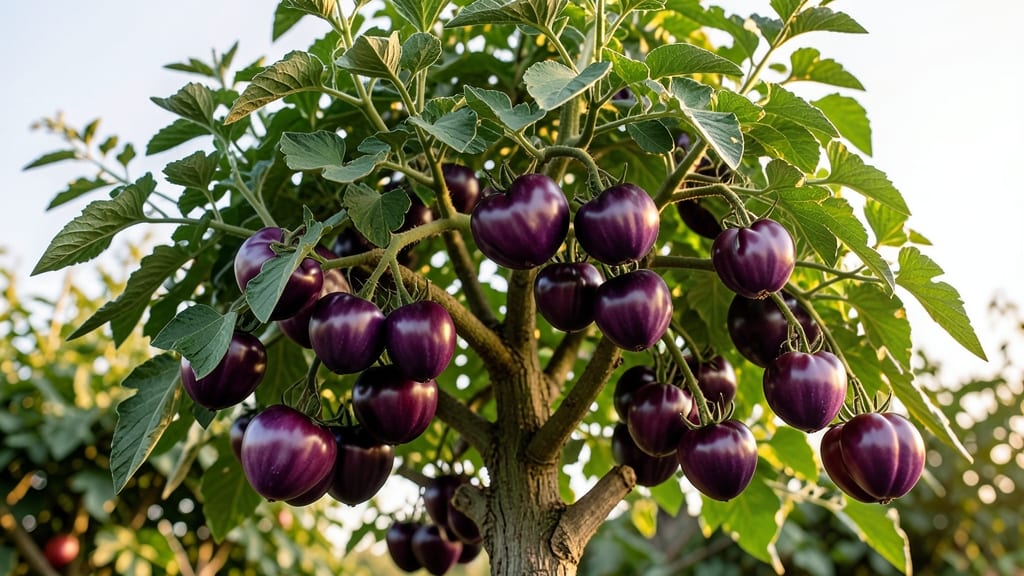
If you love heirloom tomatoes but lack space for sprawling vines, the Cherokee Purple Tomato Tree is your game-changer. This unique variety grows as a compact, tree-like plant, producing deep purple, meaty fruit with a rich, smoky-sweet flavor—perfect for slicing, sauces, or fresh eating.
Unlike traditional tomato plants, this variety thrives when trained on a trellis or espalier system, making it ideal for small urban gardens, balconies, or vertical spaces. Plant in well-draining soil with full sun (6-8 hours daily) and provide consistent moisture, especially during flowering and fruiting. The tree-like growth habit also improves air circulation, reducing disease risk.
Urban gardeners and beginners will love this low-maintenance option that delivers high yields in a compact footprint. Plus, its striking purple fruit adds a dramatic flair to any garden. 🌿
Pomegranate Tree 'Wonderful'
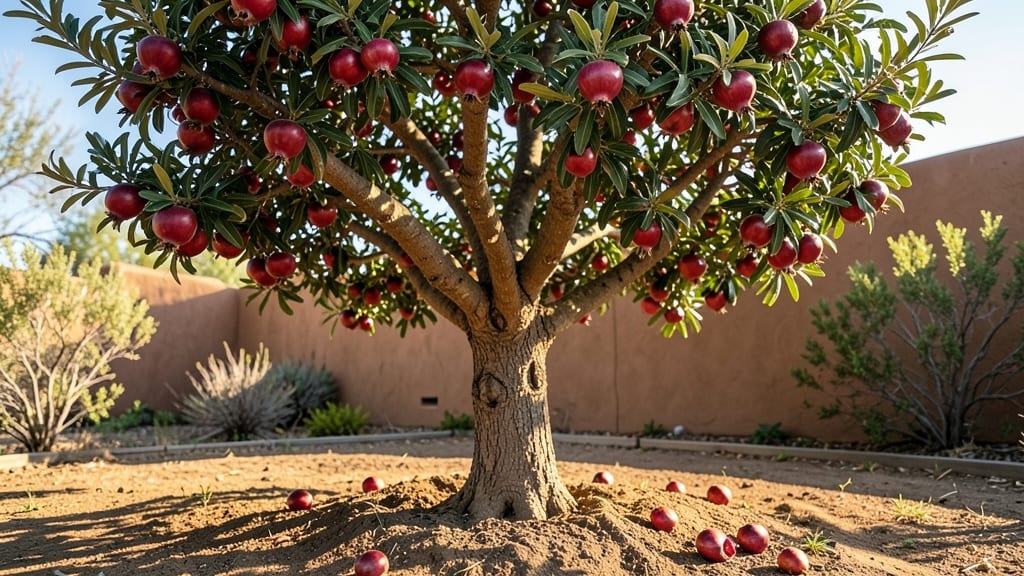
If you're in Northern California's hotter inland areas and want a fruit tree that practically takes care of itself, the 'Wonderful' pomegranate tree is your perfect match. Unlike many thirsty fruit trees, this variety thrives on minimal water once established, making it ideal for water-conscious gardeners.
This drought-tolerant tree produces ruby-red arils (the juicy seeds) that are packed with antioxidants and burst with sweet-tart flavor. Plant it in full sun with well-draining soil, and expect fruit in just 2-3 years. The spiky, glossy leaves add texture to your landscape while providing shade.
Perfect for gardeners in zones 7-10, this low-maintenance tree offers both beauty and bounty—ideal for those who want a fruit tree that rewards effortlessness. 🌻
Black Sapote Tree
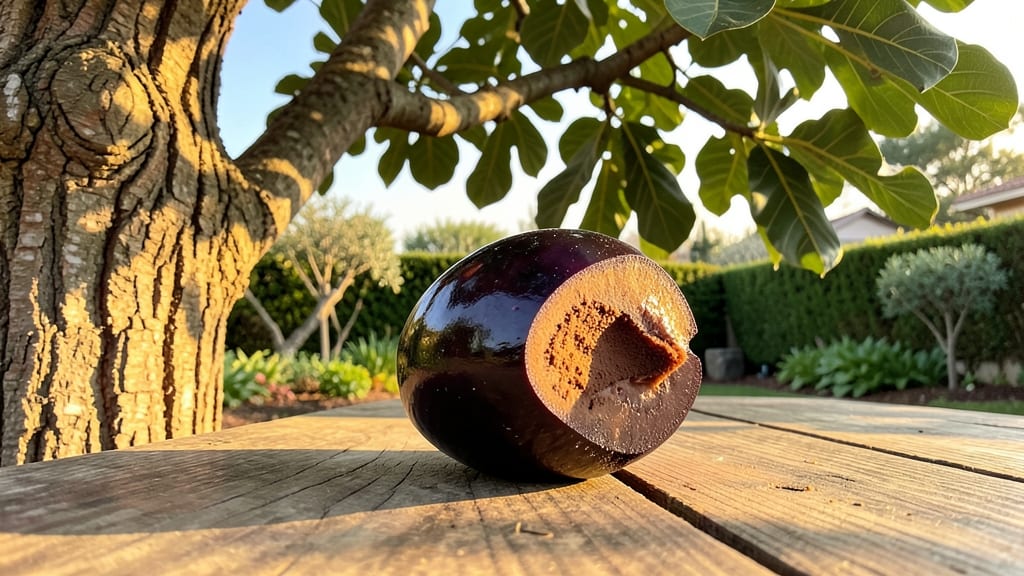
Imagine biting into a fruit that tastes like rich, creamy chocolate pudding—no baking required! The black sapote tree delivers exactly that, thriving in Northern California's warmer microclimates like the Sacramento Valley or inland foothills where temperatures stay above 20°F in winter.
This tropical beauty produces glossy, dark purple-black fruits that soften into a velvety texture when ripe, perfect for snacking or gourmet desserts. Plant in well-draining soil with full sun exposure and water regularly during the first year to establish roots. Once mature, it handles drought surprisingly well, making it ideal for water-conscious gardeners.
While it needs protection from frost, black sapote trees reward you with year-round interest—lush foliage, exotic flowers, and that unforgettable chocolatey harvest. Urban gardeners with microclimates or greenhouse spaces will love this conversation starter! 🌟
Dwarf Peach Tree 'Redhaven'

If you're dreaming of a backyard peach orchard but lack the space for full-size trees, the dwarf 'Redhaven' peach tree delivers all the classic flavor and productivity in a compact package. This beloved freestone variety thrives in Northern California's Central Valley and foothill regions, where its sweet, juicy fruit becomes a summer staple.
Plant your dwarf 'Redhaven' in well-draining soil with full sun exposure, and expect a mature height of just 8-10 feet—perfect for small orchards or even large containers. Prune annually in late winter to maintain shape and improve air circulation, which helps prevent peach leaf curl, a common fungal disease in the region. With proper care, you'll harvest freestone peaches (easy to pit) in late summer, just like your grandparent's tree but on a smaller scale.
This variety is especially rewarding for first-time fruit growers in Northern California, offering that nostalgic peach flavor without the space commitment of traditional orchards. 🌻