
Planting
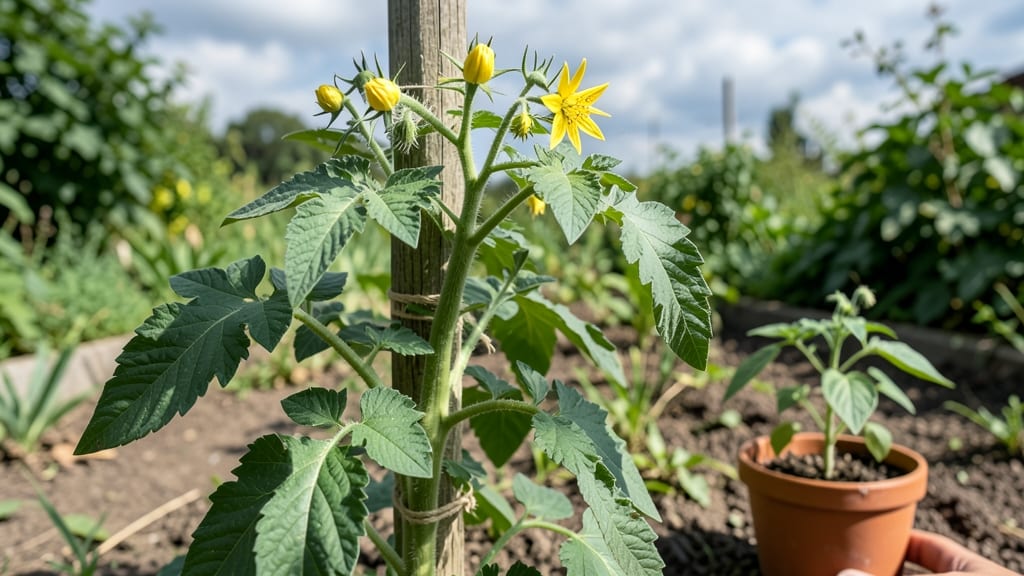
Why is my tomato plant growing but not producing fruit? That’s your plant’s way of saying, “Something’s off here.” I’ve seen this happen more times than I can count—even with plants that look perfectly healthy. The good news? It’s almost always fixable with just a few targeted tweaks.
Most of the time, it’s one of three things: not enough sunlight (especially those sneaky indoor grow lights that trick you into thinking they’re enough), temperature swings that confuse the plant into thinking it’s winter, or a nutrient imbalance that starves the flowers before they can set fruit.
And yes, even overwatering can be the culprit—too much moisture stresses the roots, and suddenly, the plant forgets it’s supposed to grow tomatoes.
By the end of this, you’ll spot the exact issue in your garden and have a step-by-step plan to turn those leafy monsters into fruit factories. Think bigger harvests in just a few weeks—no fancy equipment or secret tricks, just science-backed fixes that actually work.
Let’s get those tomatoes growing where they belong!
Whether you’re dealing with a backyard plant or a container on your balcony, these solutions adapt to any setup. The key is acting fast—tomato plants are stubborn, but they respond better than you’d think once you give them what they really need.
The Hidden Reasons Behind Your Fruitless Tomatoes
If your tomato plant is thriving with lush green leaves but stubbornly refuses to produce fruit, the issue likely stems from one (or more) of these common environmental or care-related triggers. Understanding the root cause is the first step to turning your leafy giant into a fruitful powerhouse.
Let’s break down the science behind why your plant is playing hard to get—and what you can do about it.
Tomatoes are warm-weather lovers, and their fruit production relies heavily on ideal temperature ranges and proper pollination. Here’s why your plant might be skipping the fruit stage:
- Too Hot or Too Cold - Heat Stress (Above 90°F/32°C): When temperatures consistently exceed 90°F (32°C), tomato flowers may abort before setting fruit. This is called "heat stress," and it disrupts the plant’s ability to pollinate.
High temps also cause blossom drop, where flowers fall off before fruiting. - Cold Snaps (Below 50°F/10°C): Early or late in the season, chilly nights can stunt pollen development, preventing fertilization.
If your plant is in a greenhouse or container, cold drafts (like from AC vents) can also trigger this.
- Poor Pollination - Tomatoes rely on wind, bees, or gentle shaking to transfer pollen from the anther (male part) to the stigma (female part) of the flower.
Without this, flowers won’t develop into fruit. - Indoor or Greenhouse Growers: If you’re growing tomatoes inside, lack of airflow or no pollinators (like bees) means you may need to hand-pollinate using a small brush or by lightly shaking the plant daily.
💡 Pro Tip: If heat is the issue, provide afternoon shade (especially in peak summer) and mulch to keep roots cool. For indoor plants, use a small fan to mimic wind and improve pollination.
Even if your plant looks healthy, light deprivation or nutrient deficiencies can redirect its energy away from fruit production. Here’s how to spot the signs:
- Insufficient Light
- Tomatoes need 6–8 hours of direct sunlight daily. If your plant is in a shady spot, it will focus on leaf growth (for energy via photosynthesis) instead of flowering and fruiting.
- Signs: Leggy stems, small or pale leaves, and flowers that drop quickly.
- Nitrogen Overload, Potassium Deficiency - Too Much Nitrogen (N): If your plant is leafy but fruiting, it’s likely getting too much nitrogen (common in balanced fertilizers like 10-10-10).
Nitrogen fuels leafy growth, not flowers or fruit. - Not Enough Potassium (K) or Phosphorus (P): These nutrients are critical for flowering and fruiting.
A deficiency shows up as: - Yellowing leaves (potassium deficiency) - Purple stems or slow growth (phosphorus deficiency) - Soil Test Tip: Use a DIY soil test kit or send a sample to a local extension office to check nutrient levels.
🔥 Quick Fix: Switch to a low-nitrogen, high-phosphorus fertilizer (like 5-10-10 or 3-4-6) and prune lower leaves to improve airflow and light penetration.
Tomatoes are sensitive to water fluctuations, and inconsistent moisture can shock the plant into dropping flowers or stopping fruit set. Here’s what’s likely happening:
- Overwatering or Underwatering
- Too Much Water: Soggy soil stresses roots, leading to blossom end rot (a calcium deficiency symptom) or root rot, which weakens the plant’s ability to produce fruit.
- Too Little Water: Drought stress causes flower drop because the plant prioritizes survival over reproduction. Wilting or crispy leaf edges are red flags.
- Irregular Watering
- Tomatoes hate moisture swings. If you soak them one day and forget the next, the plant gets confused and drops flowers. Aim for 1–1.5 inches of water per week, delivered deeply at the base (not overhead).
- Transplant Shock
- If you recently moved your tomato plant (even from pot to ground), it may be too stressed to fruit yet. Roots need 4–6 weeks to establish before focusing on reproduction.
⏰ Watering Hack: Use drip irrigation or soaker hoses to deliver consistent moisture at the root zone. Mulch with straw or grass clippings to retain moisture and regulate soil temp.
Sometimes, hidden stressors like pests, disease, or even over-pruning can sabotage fruit production. Don’t overlook these sneaky culprits:
- Pests Stealing Energy
- Aphids, Whiteflies, or Spider Mites suck sap from leaves, weakening the plant and reducing its ability to produce fruit. Heavy infestations can also transmit viruses that stunt growth.
- Hornworms or Colorado Potato Beetles may be devouring flowers before they can set fruit.
- Disease Pressure - Early Blight or Septoria Leaf Spot: These fungal diseases cause yellow spots on leaves, reducing the plant’s energy for fruiting.
Remove infected leaves immediately to prevent spread. - Verticillium or Fusarium Wilt: These soil-borne diseases clog the plant’s vascular system, cutting off water and nutrients to flowers.
- Over-Pruning or Damaged Stems
- If you’ve aggressively pruned suckers (the small shoots in leaf axils), you may have removed too many potential fruit-bearing zones. Light pruning (removing only the lowest suckers) is key.
- Physical damage (like from hail or rough handling) can shock the plant into dropping flowers.
🛡️ Pest & Disease Defense:
- Spray neem oil weekly for pests.
- Rotate crops to prevent soil-borne diseases.
- Use row covers early in the season to block pests while allowing pollinators access.
How to Turn Around Your Tomato Plant
If your tomato plant is thriving but leaving you with no fruit to show for it, don’t panic—there’s a solution for every issue! Below, we’ve mapped out practical fixes for the most common causes, along with prevention tips to keep your plant productive all season long.
Let’s get those tomatoes growing where they belong!
If your plant is getting less than 6–8 hours of direct sunlight daily, it won’t have the energy to produce fruit. Tomatoes are sun-worshippers, and without enough light, they’ll focus on leaf growth instead of flowering and fruiting.
How to Fix It: 🔥 Move your plant to a sunnier spot—south-facing windowsills or a sunny patio are ideal. 🍳 Use grow lights (LED or fluorescent) if natural light is limited, especially in early spring or late fall. Place them 6–12 inches above the plant for 12–16 hours daily. 👨🍳 Rotate the pot every few days to ensure even light exposure on all sides.
Prevention Tips: ✨ Start strong—choose a sunny location from day one. 🌡️ Monitor light levels with a light meter if possible (or just observe—wilting or leggy growth means more light is needed). 🎯 Avoid shade from trees or buildings—tomatoes need unobstructed sun.
Tomatoes love warmth but hate extremes. If temperatures dip below 55°F (13°C) or rise above 90°F (32°C) for extended periods, flowering and pollination suffer.
How to Fix It: 🔥 Protect from cold snaps with frost cloths, row covers, or even a temporary greenhouse. 🍳 Provide afternoon shade in scorching climates (use shade cloth or move pots to a cooler spot). 👨🍳 Water deeply in heatwaves to cool the roots and soil—stressed plants produce fewer flowers.
Prevention Tips: ✨ Plant at the right time—wait until soil temps are consistently 60°F (15°C) before transplanting. 🌡️ Choose heat-tolerant varieties like ‘Solar Fire’ or ‘Heatmaster’ if you live in a hot climate. 🎯 Avoid nighttime temps below 50°F (10°C)—this can cause flower drop.
Even if your tomato has flowers, lack of pollination (from bees, wind, or vibration) can leave you with blossoms but no fruit. This is especially common in container-grown plants or greenhouse settings where pollinators are scarce.
How to Fix It: 🔥 Gently shake the plant every few days to mimic wind pollination—hold the stem and give it a light wiggle. 🍳 Use a small paintbrush to transfer pollen from flower to flower (great for indoor or greenhouse plants). 👨🍳 Invite pollinators by planting bee-friendly flowers (like marigolds or basil) nearby.
Prevention Tips: ✨ Plant tomatoes outside where bees can naturally pollinate them. 💡 Avoid over-fertilizing with nitrogen—too much leafy growth means fewer flowers. 🎯 Check for pests (like spider mites) that can weaken plants and reduce pollination success.
If your plant is leafy but fruity, it’s likely getting too much nitrogen (which promotes leaves) or not enough phosphorus/potassium (which supports flowers and fruit).
How to Fix It: 🔥 Switch to a balanced fertilizer (like 5-10-10) or a tomato-specific formula high in phosphorus (first number). 🍳 Add compost or worm castings for a slow-release nutrient boost. 👨🍳 Prune lower leaves to improve airflow and redirect energy to fruit production.
Prevention Tips: 📊 Test your soil before planting—amend with compost if nitrogen levels are too high. 💪 Avoid over-fertilizing—more isn’t always better! Follow package instructions. 🥗 Use organic mulch (like straw) to retain moisture and slowly release nutrients.
Too much or too little water stresses plants, leading to poor fruit set. Tomatoes need consistent moisture—not soggy soil, not drought.
How to Fix It: 🔥 Water deeply 1–2 times per week (depending on climate) to encourage deep root growth. 🍳 Check soil moisture—stick your finger 1–2 inches down; if dry, water thoroughly. 👨🍳 Improve drainage by adding perlite to potting mix or ensuring raised beds have good airflow.
Prevention Tips: ✨ Use drip irrigation or soaker hoses to deliver water directly to roots. 🌡️ Water in the morning to reduce evaporation and fungal risks. 🎯 Avoid wetting leaves (water at the base) to prevent diseases like blight.
Final Pro Tip: 💡 Patience is key! Some varieties (like heirlooms) take longer to fruit. If you’ve ruled out the above issues, give your plant 2–3 more weeks—sometimes, they just need time to mature before producing.
Now get out there and give your tomato plant the TLC it deserves—soon, you’ll be swimming in juicy, homegrown tomatoes! 🍅🔥
Frequently asked questions
Why do my tomato flowers keep falling off before turning into fruit?
This is usually caused by heat stress (temperatures above 90°F/32°C) or poor pollination. Tomatoes drop flowers when they're too hot or when pollen isn't transferring properly. Try providing afternoon shade and gently shaking the plant daily to mimic wind pollination. For indoor plants, use a small fan to help with pollen distribution.
Can I still get tomatoes if my plant is already flowering but hasn't produced any yet?
If your plant has healthy flowers, it's just a matter of time and proper care. Make sure it's getting 6-8 hours of sunlight, consistent watering, and the right nutrients (switch to a low-nitrogen, high-phosphorus fertilizer like 5-10-10). Some varieties take 6-8 weeks from flower to fruit, so patience is key.
What's the difference between nitrogen burn and nutrient deficiency in tomato plants?
Too much nitrogen causes leafy growth with few flowers (your plant looks healthy but won't fruit), while deficiencies show as yellowing leaves (potassium) or purple stems (phosphorus). The fix? Stop using high-nitrogen fertilizers and switch to a balanced tomato fertilizer (like 10-20-10). Always water after fertilizing to prevent root burn.
Will pruning my tomato plant help it produce more fruit?
Yes, but only if done correctly! Remove lower leaves to improve airflow and sunlight penetration, and prune suckers (the small shoots in leaf axils) to redirect energy to fruit production. Avoid aggressive pruning—keep about 3-4 main stems for indeterminate varieties. Never prune more than 20% of the plant at once to avoid shock.
My tomato plant looks healthy but isn't fruiting - could it be the variety?
Possibly! Some heirloom varieties take longer to mature (up to 90 days) compared to hybrid varieties (50-70 days). If you're growing a determinate variety (bush type), it may have finished fruiting for this season. Check your plant's tag for days-to-maturity. For next year, consider earlier-maturing varieties like 'Early Girl' or 'Stupice'.