
Pests and Diseases
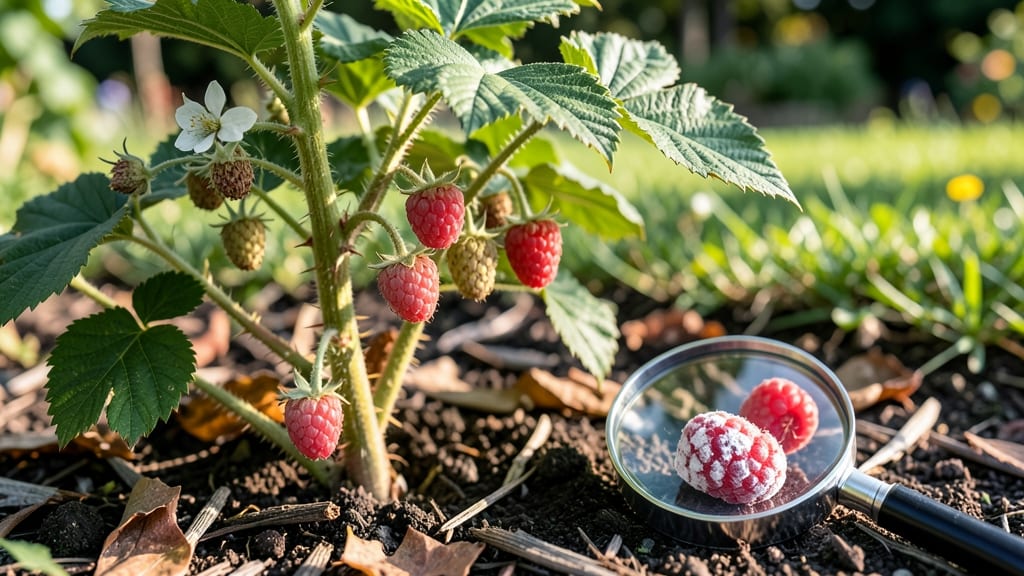
White spots on raspberry fruit mean your harvest is under attack—likely from powdery mildew or anthracnose. 🌿 I’ve battled this exact problem, and the good news is these 3 simple steps can turn things around before your crop is lost.
The key is acting fast, because once those spots spread, they ruin flavor and texture.
Most gardeners assume it’s just a cosmetic issue, but these fungal diseases weaken fruit and invite bigger problems. Check for fuzzy white patches (powdery mildew) or sunken brown spots (anthracnose)—both start small but multiply fast in warm, humid conditions.
My first mistake? Waiting until the spots covered half the berries before acting.
With proper pruning, fungicide sprays, and better airflow, you’ll stop the spread and still get a harvest of sweet, blemish-free raspberries. The fix isn’t complicated—just consistent. I’ll show you how to identify the problem, treat it organically or chemically, and prevent it from coming back next season.
Even if your berries already have spots, don’t toss them—some varieties are still safe to eat once washed. The real goal is saving next year’s crop, and that starts with understanding why this happens in the first place. Let’s get your raspberries back on track.
The Real Culprits Behind Spots
White spots on raspberry fruit are rarely a sign of poor quality—they’re usually a red flag for fungal infections or environmental stress. Understanding the root causes helps you take precise action before the problem spreads. Here’s what’s likely triggering those unsightly marks:
The most common culprit is **powdery mildew (Podosphaera aphanis) or gray mold (Botrytis cinerea), both of which thrive in damp conditions. These fungi don’t just discolor fruit—they weaken plant health and reduce yields.
- Powdery Mildew:
- Appears as
- Spreads rapidly in humid (70–90% RH) and warm (60–80°F) conditions.
- Feeds on sugars in raspberry tissue, causing spots to harden and crack.
- Starts as
💡 Pro Tip: Check for mildew on leaves first—if it’s there, your fruit is at risk. Prune infected foliage immediately to stop spores from spreading.
Raspberries need consistent moisture, but excess water creates the perfect breeding ground for fungi. Here’s how it happens:
- Waterlogged Soil:
- Roots suffocate, weakening the plant’s defenses.
- Stagnant water on leaves or fruit
- Water droplets linger on fruit, promoting
✨ Actionable Fix: Test soil drainage—if water pools after 6 hours, amend with compost or sand. Space plants 2–3 feet apart for airflow.
Raspberries are tough, but extreme or inconsistent conditions stress them out, making them vulnerable:
- Cool Nights + Warm Days:
- Creates
- Ideal for powdery mildew (which loves 60–80°F temps with high humidity).
- Slows drying between waterings, keeping fungal spores active.
- Common in
🎯 Prevention: Use a hygrometer to monitor humidity. Aim for 50–70% RH during fruiting. Ventilate greenhouses or prune to improve airflow.
Even healthy raspberries can develop white spots if they’re bruised or past their prime:
- Bird Pecking or Hail:
- Tiny wounds let
- Softens, making it easy for fungi to colonize.
🔥 Quick Fix: Harvest raspberries firm but fully colored (don’t wait for full red). Use bird netting to prevent damage.
Next Step**: Now that you know the causes, [diagnose your specific issue](#) and [apply the 3-step fix](#) to save your crop!
3-Step Fixes for Raspberry Spots
Now that you know what’s causing those pesky white spots on your raspberries—whether it’s powdery mildew, rust fungus, or environmental stress—let’s roll up our sleeves and tackle the problem. The good news?
Most fixes are simple, cost-effective, and can save your harvest. Below, we’ll map each cause to a direct solution, plus prevention tips to keep your berries spot-free next season.
Fungal infections thrive in damp, shaded conditions, but they’re no match for a few targeted steps.
🔥 Step 1: Prune for Better Airflow
Fungus loves hiding in dense, damp foliage. Open up your raspberry patch to let sunlight and air circulate.
- Remove any heavily infected canes (burn or toss them—don’t compost!).
- Thin out overcrowded plants to 12–15 inches apart.
- Raise canes slightly off the ground (use stakes or trellises) to prevent soil splashes.
> 💡 Pro Tip: Prune in early morning when humidity is lower, and avoid wetting leaves when watering.
🍳 Step 2: Apply Fungicide (Natural or Store-Bought) Copper-based sprays and baking soda mixtures are highly effective against mildew. - Homemade spray: Mix 1 tsp baking soda + 1 tbsp vegetable oil + 1 tsp dish soap per gallon of water.
Spray every 7–10 days (especially after rain). - Store-bought options: Use neem oil, copper fungicide, or sulfur sprays (follow label instructions). - Timing matters: Apply preventatively in spring and after rain or heavy dew.
⏰ Step 3: Adjust Watering & Mulch
Fungus spreads when leaves stay wet. Water wisely:
- Water at the base (avoid overhead sprinkling).
- Water early in the day so foliage dries by evening.
- Use a drip irrigation system if possible.
- Mulch with straw or pine needles (keep 3–4 inches away from canes to prevent rot).
If your raspberries are stressed (too much sun, heat, or poor soil), the white spots are usually harmless—but you can still boost plant health to prevent future issues.
💡 Step 1: Check Soil & Nutrients White spots from calcium deficiency or nutrient imbalance?
Test your soil and amend as needed. - Add compost (1–2 inches around plants) for organic matter. - Apply a balanced fertilizer (10-10-10) in early spring. - For calcium issues, sprinkle crushed eggshells or lime (if soil is acidic).
🌿 Step 2: Provide Shade & Mulch
Too much intense midday sun can scorch raspberries, leading to stress spots.
- Use shade cloth (30–50%) in peak summer months if your area gets extreme heat.
- Mulch heavily (3–4 inches) to retain moisture and regulate soil temp.
🎯 Step 3: Harvest & Store Properly
If spots appear late in the season, they may be from harvest stress.
- Pick raspberries when fully ripe (don’t wait too long).
- Store in a cool, dry place (not the fridge—raspberries prefer room temp until eaten).
- Avoid washing until ready to eat (excess moisture speeds up spoilage).
Once you’ve treated the current issue, lock in those spot-free raspberries with these long-term strategies:
| Prevention Tip | How to Do It |
|---|---|
| Choose resistant varieties | Pick raspberry types like ‘Heritage’ or ‘Boyne’ (less prone to mildew). |
| Rotate crops | Don’t plant raspberries in the same spot every year (fungus builds up in soil). |
| Clean up debris | Remove fallen leaves & canes in fall to eliminate fungus overwintering. |
| Monitor humidity | Use a hygrometer—keep levels below 70% in the growing area. |
| Plant in full sun | 6–8 hours of sunlight reduces stress-related spots. |
Final Thought: White spots don’t mean your raspberry harvest is doomed—they just mean your plants are asking for a little TLC. With better airflow, smart watering, and a few preventive sprays, you’ll be enjoying plump, blemish-free berries in no time! 🍓✨
Frequently asked questions
Are white spots on raspberries safe to eat?
It depends on the cause. If spots are from powdery mildew or gray mold, wash thoroughly before eating—but avoid if they're mushy or moldy. For environmental stress spots (like calcium deficiency), they're usually safe. When in doubt, remove affected berries to prevent spread.
How do I tell if it's powdery mildew vs. gray mold?
Powdery mildew appears as white, powdery patches that stay white, while gray mold starts white but turns fuzzy gray/brown with age. Check leaves first—mildew covers surfaces, while mold often appears on injured or overripe fruit. Both thrive in humid conditions but respond to different treatments.
Will homemade sprays really work against fungal spots?
Yes! A baking soda spray (1 tsp baking soda + 1 tbsp oil + 1 tsp soap per gallon) works well for powdery mildew when applied every 7–10 days. For gray mold, add 1 tsp hydrogen peroxide (3%) to the mix. Start treatments at first sign of spots—once they spread, stronger fungicides may be needed.
Can I still harvest raspberries with white spots?
Harvest firm, fully colored berries first—they're least likely to have spots. Remove any with soft, mushy areas or visible mold immediately. Wash all berries in cool water before eating or storing. For severe infections, pick early in the morning when spots are less developed.
Why do my raspberries get spots even after treating them?
Fungal spores can linger in soil or on plant debris. Try rotating crops next year and removing all plant waste in fall. Also check for overwatering—wet foliage gives fungi a foothold. If spots persist, test soil pH (5.5–6.5 is ideal) and consider copper-based fungicides for stubborn cases.