
Diseases
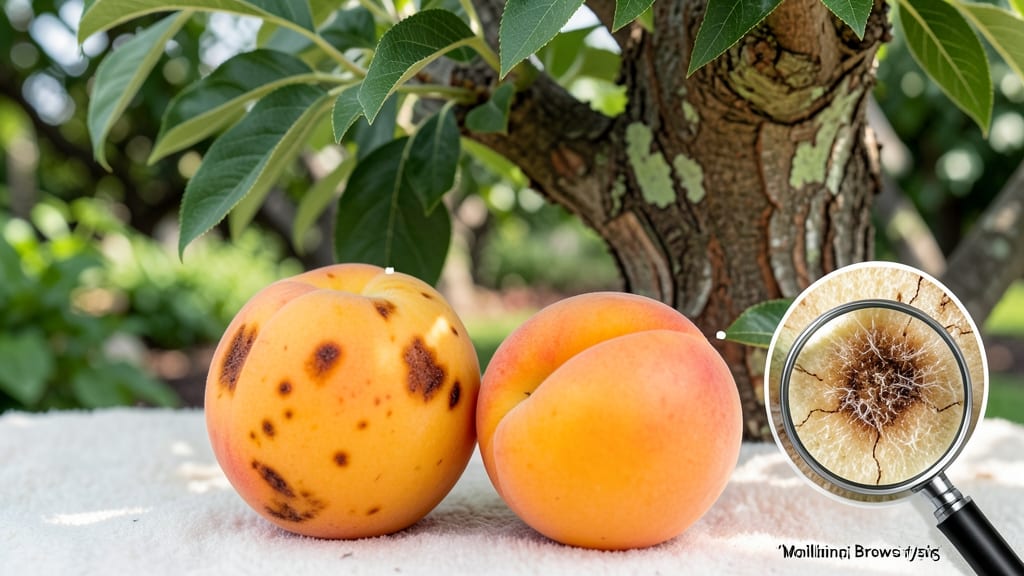
Brown spots on apricot fruit can turn your harvest into a disappointment—unless you act fast. 🌱 I’ve watched entire crops ruined by fungal blight, but organic sprays and smart prevention can save your trees and fruit.
The key is identifying the cause (brown rot, sun scorch, or pests) and treating it before it spreads.
The most common culprit is brown rot (Monilinia), which thrives in wet conditions and leaves behind sunken, brown spots that ooze honey-like syrup. Sun scorch creates dry, papery patches, while pests like stink bugs leave small, irregular marks.
The good news? All three have organic solutions—copper fungicides, neem oil, and proper pruning to improve airflow.
By next season, you’ll be harvesting apricots with smooth, vibrant skin and no blemishes. The secret is early intervention: spray trees preventatively in spring, thin fruit to reduce crowding, and clean up fallen fruit immediately. Your trees will thank you with juicy, flawless apricots.
Works for home orchards, backyard trees, and even container-grown apricots. Here’s how to diagnose and treat it the right way—no more wasted fruit!
Hidden Causes Behind Apricot Spots
Brown spots on apricots aren’t just random blemishes—they’re often a cry for help from your fruit! Understanding the root causes is the first step to saving your harvest. Here’s why those unsightly (and sometimes harmful) marks appear, broken down into clear, actionable science.
Fungi are the #1 culprit behind brown spots on apricots, thriving in warm, humid conditions. Two of the most common offenders are:
- **Brown Rot (Monilinia fructicola) This aggressive fungus attacks both blossoms and fruit, causing leathery, sunken brown spots** that expand rapidly. Spores spread via wind, rain, or even bees during pollination. 🐝💨 Pro tip: Look for mummified fruit (dried, shriveled apricots) clinging to branches—these are fungal spore factories!
- **Alternaria Leaf Spot (Alternaria alternata) Less dramatic but equally damaging, this fungus creates small, dark brown spots with concentric rings (like a bullseye). It thrives on wet foliage and weakens fruit quality, even if the spots stay small.
Why it happens: Fungi need three things to party**: moisture, warmth (70–85°F), and susceptible fruit. If your apricot trees are stressed (from drought, poor nutrition, or overcrowding), they’re even more vulnerable. 🌡️💦
Not all brown spots are fungal—some are physical damage from the sun. Apricots with thin skins or those growing in hot, dry climates can develop:
- Bleached or leathery patches on sun-exposed sides
- Small, dry, brown spots (often near the stem)
Why it happens: Direct sunlight heats fruit faster than it can cool, causing cell damage (like a sunburn). Thin-skinned varieties (e.g., ‘Blush’) are especially at risk. 🌞🔥 Fun fact: This is why apricots ripen unevenly—some spots cook while others stay firm!
Apricots need balanced nutrition to develop strong, disease-resistant skins. Common deficiencies that lead to spots: - Potassium (K) deficiency → Necrotic (dead) brown spots, often near the pit.
The fruit may also split or feel soft. - Calcium (Ca) deficiency → Blossom-end rot (brown, leathery spots at the stem end) and poor skin integrity. - Magnesium (Mg) deficiency → Interveinal chlorosis (yellowing between veins) that progresses to brown patches.
Why it happens:
- Overwatering (dilutes nutrients in the soil).
- Poor soil drainage (roots can’t absorb minerals efficiently).
- Imbalanced fertilizers (too much nitrogen, not enough micronutrients).
💡 Fix it: Test your soil and apply Epsom salt (for Mg), wood ash (for K), or lime (for Ca) as needed.
Some brown spots aren’t from disease—they’re pest entry wounds that later rot or dry out.
Watch for: - Apricot fruit borers (Grapholita funebrana) → Tiny holes that expand into brown, mushy areas inside the fruit. - Japanese beetles → Ragged feeding marks that turn brown and invite fungal infections. - Bird peck marks → Small, irregular brown spots (common in unprotected orchards).
Why it happens: Pests weakened fruit defenses, making it easier for fungi or bacteria to move in. A single bite can turn a healthy apricot into a spoiled one in days. 🦋🍇
Physical trauma from heavy rain, hail, or strong winds can bruise apricots, leading to:
- Water-soaked brown spots (from rain impact).
- Dented or cracked skin that turns brown and rots.
- Windburn (dried, papery brown patches on exposed fruit).
Why it happens: Apricot skins are delicate—impact damage ruptures cells, exposing them to pathogens. Trees in open, windy areas are at higher risk. 🌪️💨
Ironically, overuse of fungicides or herbicides can cause brown spots! Symptoms include:
- Bleached or necrotic patches (from copper or sulfur sprays).
- Stunted growth near spray residues.
Why it happens:
- Incorrect dilution of sprays.
- Applying when fruit is too young (chemicals burn tender skin).
- Using incompatible mixes (e.g., oil-based sprays + copper).
🚨 Avoid this: Always follow label rates and reapply only as needed. Organic sprays (like neem oil or potassium bicarbonate) are gentler alternatives.
Fixing Apricot Spots Naturally
Now that you know the culprits behind those unsightly brown spots on your apricots—whether it’s fungal blight, sunburn, or physiological disorders—it’s time to take action! The good news? Most issues can be tackled with organic, garden-friendly solutions that won’t harm your fruit or the environment.
Below, we’ve mapped out practical fixes for each cause, plus prevention tips to keep your apricot trees thriving.
Fungal infections like brown rot or powdery mildew thrive in damp, warm conditions. The key is prevention + treatment—don’t wait until spots appear!
✅ Step 1: Prune for Better Airflow 🌿
- Why? Fungi spread faster in crowded, humid areas.
- How? Remove dead or infected branches (sterilize pruners with rubbing alcohol between cuts).
- Pro Tip: Thin out branches to improve sunlight penetration—this dries leaves faster, reducing fungal growth. 💡
✅ Step 2: Apply Organic Fungicides 🛡️ Use sprays with copper, sulfur, or neem oil—these are effective and safe for organic gardening: - Copper-based sprays (e.g., Bordeaux mixture) – Best for brown rot.
Spray every 7–10 days during wet seasons. - Neem oil spray (1 tsp neem oil + 1 tsp mild soap + 1 quart water) – Fungicidal + insect-repellent.
Reapply after rain. 🌡️ - Baking soda spray (1 tbsp baking soda + 1 tsp oil + 1 gallon water) – Prevents powdery mildew. Test on a few leaves first!
✅ Step 3: Mulch & Water Smartly 💧
- Mulch with straw or wood chips (keep 2–3 inches away from the trunk) to reduce soil splashing onto fruit.
- Water early in the day (before 10 AM) to let foliage dry quickly. Avoid overhead sprinklers! ⏰
🚨 Emergency Fix: Remove Severely Infected Fruit
If a fruit is covered in brown spots or mold, pick it immediately to stop the spread. Compost it far from the tree (or burn it if possible).
Apricots left exposed to intense afternoon sun develop scorch marks (brown, dry patches). Here’s how to protect them:
🌞 Step 1: Provide Light Shade 🏖️
- Use shade cloth (30–50% coverage) over young trees or plant near taller trees for natural shade.
- Avoid pruning too aggressively—too much sunlight hits the fruit too fast.
🌿 Step 2: Harvest at Peak Ripeness
- Pick apricots when fully colored but still slightly firm—overripe fruit on the tree is more prone to sun damage.
- Harvest in the morning when temps are cooler.
💧 Step 3: Keep Soil Moist (But Not Waterlogged)
- Deep watering (1–2 inches per week) helps fruit retain moisture and resist sun stress.
- Mulch heavily to retain soil moisture and regulate temperature. 🌡️
If the spots are soft, water-soaked, or appear after rain/hail, they’re likely caused by stress, hail, or poor pollination.
🔄 Step 1: Check for Hail or Physical Damage
- Gently inspect fruit—if spots are irregular and deep, hail or wind may be the culprit.
- No fix needed, but remove damaged fruit to prevent rot.
🌱 Step 2: Boost Tree Health
- Fertilize lightly with balanced organic fertilizer (10-10-10) in early spring.
- Ensure proper pollination—if nearby trees are missing, hand-pollinate with a small brush. 🐝
💡 Pro Tip: Avoid Overwatering
- Apricots hate soggy roots—water deeply but let the top 2 inches of soil dry between waterings.
Once your apricots are spot-free, keep them that way with these long-term strategies:
| Issue | Prevention Tip | When to Do It |
|---|---|---|
| Fungal Blight | Spray neem oil every 2 weeks in spring | Before blooms appear |
| Sunburn | Install shade cloth for young trees | Early summer |
| Hail Damage | Plant windbreaks (like tall shrubs) | Before storm season |
| Poor Pollination | Attract bees with bee-friendly plants | Plant in early spring |
- ❌ Don’t ignore small spots—they’ll spread!
- ❌ Avoid chemical fungicides if you’re growing organically (they can harm bees).
- ❌ Don’t harvest overripe fruit—it’s more prone to spoilage.
With these simple, organic fixes, your apricot tree should bounce back—and next season, you’ll have fewer (or no!) brown spots. Happy growing! 🌱🍑
Frequently asked questions
Are brown spots on apricots always caused by disease?
No, they can come from multiple sources! Fungal infections like brown rot are common, but spots can also appear from sunburn (dry, papery patches), nutrient deficiencies (like potassium or calcium), or even physical damage from hail or pests. Always check for these other causes before assuming disease.
Can I still eat apricots with brown spots?
It depends! Small, dry spots from sunburn or minor damage are usually safe to eat. However, soft, mushy, or moldy spots (especially if oozing syrup) mean the fruit is spoiled and should be discarded. When in doubt, cut away the affected area and check the flesh underneath.
How do I tell if my apricot tree has brown rot?
Look for leathery, sunken brown spots that may ooze a honey-like substance when pressed. Brown rot also causes mummified fruit (dried, shriveled apricots) clinging to branches and often appears after wet springs. If you see these signs, act fast with copper sprays or neem oil.
Will pruning help prevent brown spots?
Pruning improves airflow around branches, which reduces humidity and fungal growth. Remove dead or crowded branches in late winter, and always sterilize your pruners with rubbing alcohol between cuts. This simple step can dramatically cut down on spot-causing diseases.
Are there organic sprays that work better than chemical ones?
Yes! Neem oil (1 tsp + 1 tsp soap per quart of water) and copper fungicides (like Bordeaux mixture) are highly effective against fungal spots while being safer for bees and the environment. For prevention, baking soda spray (1 tbsp baking soda + 1 tsp oil per gallon of water) also works well.