
Planting
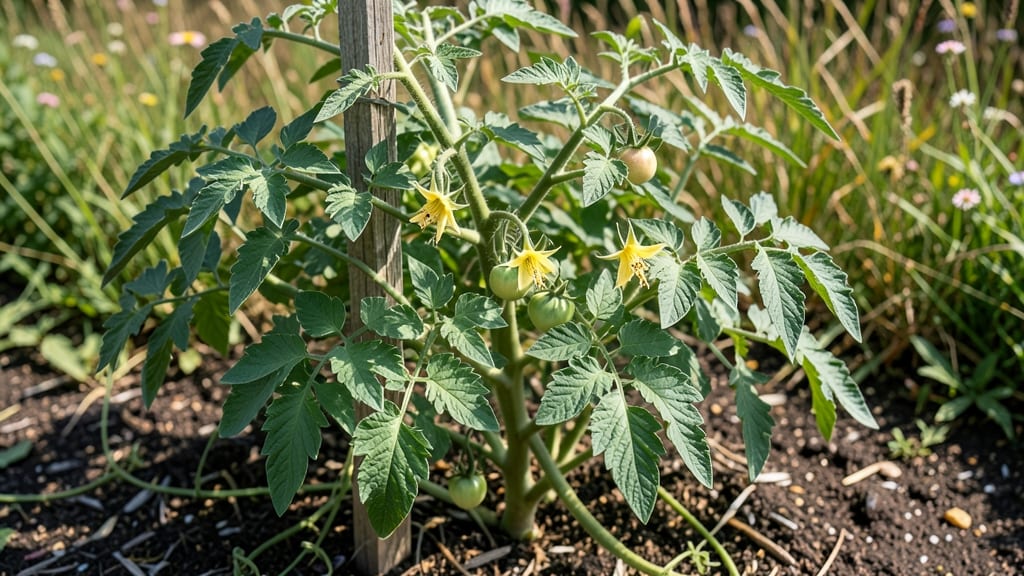
Your tomato plant will produce fruit when it’s hit the right balance of chill hours and heat days—a timing game most gardeners miss until their vines are already flowering.
Picture this: You’ve nurtured your 🍅 seedlings for weeks, only to stare at lush green leaves and wonder, Why isn’t this thing fruiting? The truth? Tomatoes need specific temperature cues to trigger blooms, and skipping those steps means waiting even longer for harvests.
In Zone 6a, that window often opens in late May—but not all varieties play by the same rules.
Determinate tomatoes (like Roma) might fruit in 60–70 days after transplanting, while indeterminate types (like Beefsteak) can take 80+ days and keep producing all season. Throw in late frosts, heatwaves, or poor pollination, and your timeline gets pushed back even further.
The good news? You can hack the system with the right care.
In this guide, I’ll break down the exact chill/heat thresholds your plant needs, how to spot hidden readiness signs (like flower clusters or stem thickness), and 3 quick fixes to jumpstart fruiting—even if your tomatoes are playing hard to get.
Tomato plant fruit production timeline: chill hours vs heat days explained
If you're eagerly waiting for your tomato plants to produce fruit, understanding the chill hours and heat days requirements is key. These two factors determine when your plants will shift from vegetative growth to flowering and fruiting.
Cool-climate varieties need chill hours to trigger blooms, while warm-season tomatoes rely on accumulated heat days—both play a critical role in your harvest timeline.
For example, a heirloom tomato variety like 'Brandywine' may need 500-1,000 chill hours (temperatures below 45°F) to set flowers, while a heat-loving variety like 'Solar Fire' thrives with 1,200+ heat days (temperatures above 86°F).
Your USDA hardiness zone and planting time directly impact these requirements, making regional adjustments essential for success.
Chill hours are critical for cool-season varieties, signaling the plant it's time to transition from leafy growth to flowering. In contrast, heat days accelerate fruiting in warm-climate tomatoes by promoting rapid growth. Missing either can leave your plants flowering but not fruiting—or worse, producing blossom drop due to stress.
Here’s how these factors interact with your tomato plant timeline:
| Tomato Type | Chill Hours Needed | Heat Days Needed | Fruiting Timeline (Days After Planting) | Best Zones |
|---|---|---|---|---|
| Cool-Climate Varieties (e.g., 'Stupice', 'Black Krim') | 500–1,000 hours | 800–1,000+ | 70–90 days | Zones 3–7 |
| Moderate-Climate Varieties (e.g., 'Roma', 'Cherry') | 300–500 hours | 900–1,100 | 60–80 days | Zones 5–9 |
| Heat-Loving Varieties (e.g., 'Solar Fire', 'Heatmaster') | 0–100 hours | 1,200+ | 50–70 days | Zones 8–11 |
| Indeterminate Varieties (e.g., 'Better Boy', 'Sweet 100') | Varies (200–800) | 900–1,200 | 65–100+ days | Zones 4–10 |
In USDA Zone 6a, where chill hours are abundant but heat days are limited, planting heat-tolerant varieties like 'Celebrity' or 'Sun Gold' ensures faster fruiting. Meanwhile, in Zone 10a, where heat days dominate, varieties like 'Heatmaster' or 'Solar Fire' thrive without needing chill hours.
Your planting date also matters—starting seeds indoors 6–8 weeks before the last frost helps align growth with climate triggers.
For determinate tomatoes, which produce fruit in one flush, chill hours are less critical, but heat days still accelerate ripening. In contrast, indeterminate varieties continue producing fruit all season, relying on consistent heat days to sustain blooms.
If your plants receive inconsistent temperatures, they may drop flowers or set small, underdeveloped fruit—a common issue in transitional climates.
To maximize fruiting, monitor your local weather patterns and adjust care accordingly. For example, in Zone 5, mulching with straw helps retain soil warmth for heat-loving varieties, while shade cloth can protect cool-climate tomatoes from unexpected heat spikes.
Pruning suckers and providing balanced fertilizer (10-10-10) also encourages stronger flowering and fruiting.
If your tomato plants are slow to fruit, check for environmental stressors like sudden temperature drops or drought. A 5-day heatwave can trigger rapid flowering, but follow it with a 40°F night, and blossoms may drop.
Use row covers or black plastic mulch to stabilize soil temperatures and create ideal conditions for your chosen variety.
Remember, tomato plant maturity isn’t just about days—it’s about degree days and climate cues. By aligning your variety, zone, and planting time with these natural triggers, you’ll enjoy a bountiful harvest in 60–100 days, depending on your growing conditions.
🌱
5 Hidden signs your tomato plant is ready to fruit (and what to do next)
Your tomato plant might look healthy, but is it truly ready to produce fruit? Many gardeners miss the subtle signals that indicate a tomato plant has reached its fruiting stage. These hidden cues—often overlooked—can help you accelerate production and enjoy a bountiful harvest sooner than expected.
Understanding these signs isn’t just about patience; it’s about giving your plant the right care at the right time.
For example, leaf color changes, flower cluster formation, and even the thickness of the main stem all play critical roles in determining when your tomato plant will start bearing fruit.
- 🌿 Deep Green Leaves with Purple Undersides: A sign of strong growth and readiness for flowering.
- 🌸 Flower Clusters Forming: Look for small yellow blooms—these indicate the plant is shifting energy to fruit production.
- 🌱 Stem Thickens Near Base: A thicker stem supports more fruit weight and signals maturity.
- ☀️ Morning Dew on Leaves: Healthy transpiration means the plant is thriving and ready to fruit.
- ✂️ Pruning Encourages Branching: Remove suckers to redirect energy toward fruit development.
Once you spot these signs, it’s time to take action. Start by pruning suckers—those small shoots growing between the main stem and branches—to focus the plant’s energy on fruit production. Use clean, sharp scissors to avoid damaging the plant, and remove any yellow or diseased leaves immediately.
Next, adjust your fertilizer routine. Switch to a low-nitrogen, high-phosphorus fertilizer (like 5-10-10) to encourage flowering and fruiting. Apply it in the early morning to avoid burning the roots, and water deeply afterward to help absorption. This shift in nutrients can trigger faster fruit development within 2-3 weeks.
Pay attention to your plant’s watering schedule too. During fruiting, tomatoes need consistent moisture—about 1-2 inches per week. Water deeply in the morning to reduce disease risk and keep the soil evenly moist.
Avoid overhead watering, as wet leaves can lead to fungal issues like blight, which can stall fruit production.
Finally, monitor your plant for pests and diseases. Aphids, hornworms, and early blight can all disrupt fruiting. Use organic sprays like neem oil or introduce beneficial insects like ladybugs to keep pests at bay.
If you notice any signs of stress, like wilting or spotted leaves, address the issue immediately to keep your plant on track for a productive harvest.