
Trees
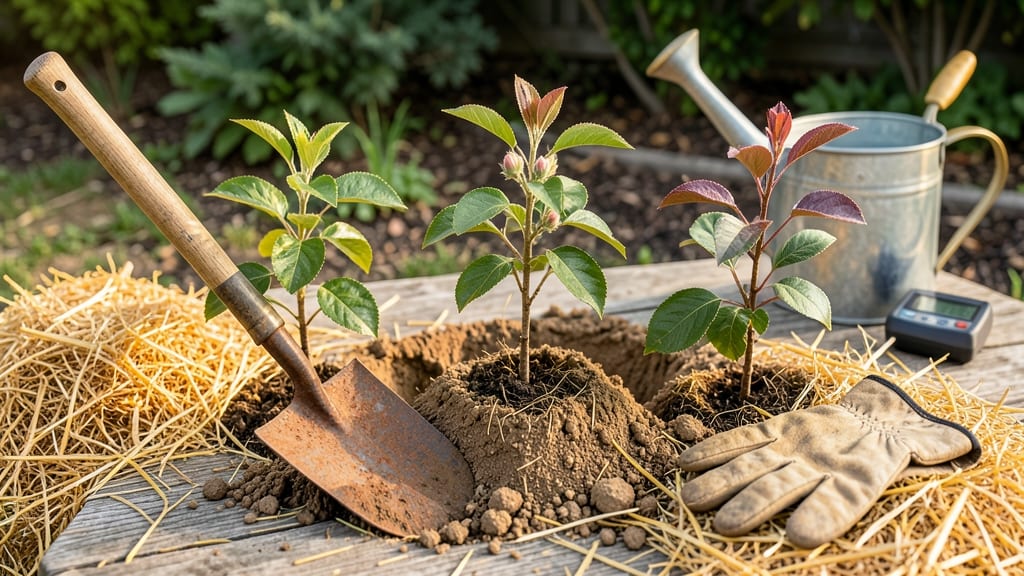
Planting fruit trees in Kansas at the wrong time can mean the difference between a thriving orchard and years of waiting for fruit 🍎 — and the clock starts ticking in late winter.
If you’ve ever watched a frost nip tender buds or a late spring storm delay your planting, you know timing is everything. Kansas’ unpredictable weather makes getting it right even trickier, but the good news? A few simple adjustments can turn disappointment into a harvest.
This guide breaks down the best planting windows for Kansas’ USDA zones 5b-7a, including when to plant apples, peaches, and cherries for maximum success. We’ll also cover how to read your soil, adjust for microclimates, and avoid common pitfalls.
By the end, you’ll know exactly when to dig in—so your trees grow strong, fruit early, and reward you with years of homegrown bounty.
Kansas USDA zones and ideal planting months for fruit trees
Kansas spans USDA Hardiness Zones 5b through 7a, creating unique microclimates that affect when you should plant fruit trees.
Understanding these zones helps you time plantings to avoid frost damage and maximize root establishment before summer heat arrives. Apples, peaches, and cherries each have specific dormancy needs that align with Kansas' seasonal shifts.
The ideal planting window for most fruit trees in Kansas is late winter to early spring, specifically between February and April.
This timing allows roots to establish before the tree breaks dormancy. Fall planting is also possible but riskier due to unpredictable late frosts that can damage emerging shoots.
Zone 5b (northwestern Kansas) has the shortest growing season, while Zone 7a (southeastern Kansas) enjoys longer frost-free periods. Apple trees thrive in cooler zones (5b-6a), while peaches and plums prefer warmer zones (6b-7a). Cherry trees need careful timing to avoid late spring frosts that can destroy blossoms.
| USDA Zone | Best Planting Month | Frost Risk | Ideal Varieties | Notes |
|---|---|---|---|---|
| 5b | Late March - Early April | High late frost risk | Honeycrisp, McIntosh apples | Plant after last frost date |
| 6a | Mid-March - Late April | Moderate frost risk | Elberta peaches, Montmorency cherries | Avoid fall planting in colder areas |
| 6b | Early March - Early May | Low frost risk | Red Haven peaches, Stella cherries | Fall planting possible in mild winters |
| 7a | February - April | Minimal frost risk | Jubilee peaches, Black Gold plums | Best for warm-season fruit trees |
For apple trees, aim to plant 4-6 weeks before your last expected frost date.
In Zone 5b, this typically means late March, while Zone 7a gardeners can start as early as February. Dormant bare-root trees are easiest to plant in winter, but container-grown trees can go in slightly later.
Peach and plum trees prefer warmer microclimates and should be planted in Zone 6b and 7a during March or early April. These trees bloom early, making them vulnerable to late frosts. Fall planting is only recommended in Zone 7a where winters are milder.
When planting in fall, choose bare-root trees and water thoroughly before the ground freezes. Container-grown trees can handle fall planting better but require extra winter protection. Everbearing varieties like plums can sometimes be planted in late summer for a second harvest.
Soil temperature is critical—roots won't establish well in cold, wet soil. Use a soil thermometer to confirm temperatures are above 40°F before planting. Mulch heavily after planting to protect roots from temperature swings and retain moisture.
In Zone 5b, consider cold-hardy varieties like 'Liberty' apples or 'Montmorency' cherries, which tolerate lower temperatures better. Zone 7a gardeners can experiment with warmer-climate varieties like 'Jubilee' peaches or 'Black Gold' plums.
Always check your local frost dates—Kansas' average last frost ranges from March 15 in the south to April 15 in the north. Urban areas may experience 2-3°F colder nights than rural zones due to the heat island effect.
With the right timing, your fruit trees will establish strong roots and produce bountiful harvests for decades. Patience and preparation during planting pay off with healthier trees and bigger yields—just ask any Kansas orchardist! 🌳🍒🍎
How to adjust planting timing for Kansas’ unpredictable spring weather
Kansas’ spring weather can shift from freezing nights to 80-degree days in a single week, making fruit tree planting a high-stakes game of timing. Late frosts after March 15 can devastate young trees, while planting too early risks root damage from cold soil.
The key is balancing soil temperature, frost forecasts, and your tree’s dormancy stage.
I’ve learned the hard way that urban areas like Wichita often warm up faster than rural spots in USDA Zone 6b, while western Kansas (Zone 5b) stays colder longer.
Even a 10-degree difference in microclimates can mean the difference between success and failure. Let’s break down how to adapt your planting schedule to Kansas’ whims.
⚠️ Late Frost Warning
Kansas’ last average frost date is March 15, but late frosts can hit until April 15—especially in Zone 5b. Planting bare-root trees in February risks frost damage to tender roots, while waiting until mid-April may delay root establishment. Solution: Use frost blankets or plant container-grown trees (they establish faster) if you must plant early.
Start by checking soil temperature—it should consistently stay above 40°F for at least 7 days before planting. I use a soil thermometer buried 4 inches deep; if it’s still below 50°F, wait.
For apple and pear trees, aim for late March in Zone 7a, but push to early April in Zone 5b to avoid frost risk.
Microclimates play a huge role. A south-facing slope warms up 2-3 weeks earlier than a north-facing valley, so adjust your timeline accordingly. In cities, heat islands can create pockets where peach trees thrive 2 weeks earlier than in the countryside.
Observe your yard’s patterns: where does frost linger longest? Where does snow melt first?
For fall planting (another viable option), choose dormant season between October 15 and November 15. This gives roots time to establish before winter, but avoid planting if frost is forecasted within 2 weeks.
I’ve had Elberta peach trees survive fall planting in Zone 6b by mulching heavily with straw—a trick that’s saved many a tree from winter kill.
Pro tip: Sign up for local frost alerts from the National Weather Service or use apps like PlantNet to track heat unit accumulation. These tools predict when your tree’s dormancy is broken and it’s safe to plant.
Pair this with a 30-day forecast to avoid planting just before a cold snap. With these adjustments, you’ll beat Kansas’ weather—and get that orchard growing!