
Trees
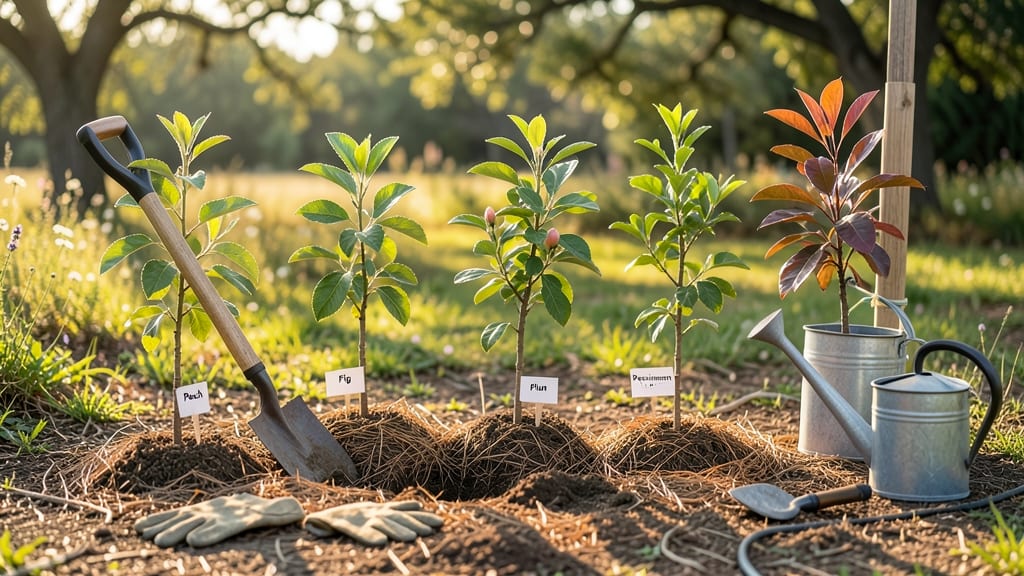
Planting fruit trees in Louisiana at the right time is the key to beating the state’s unpredictable freezes and sweltering summers—so you can enjoy a bountiful harvest instead of a failed experiment.
Louisiana’s long, hot summers and sudden freezes make timing everything. Get it wrong, and your 🍎 trees might bolt too early or sit dormant when they should be growing. But nail the window—typically late winter to early spring—and you’ll give your trees the best shot at thriving.
This guide breaks down the exact months to plant based on your region, whether you’re growing citrus year-round or stone fruits in the spring. We’ll also cover soil prep, frost risks, and how to choose between bare-root or container-grown trees for Louisiana’s unique climate.
Ready to plant with confidence? You’ll learn the ideal window, how to adjust for North vs. South Louisiana, and the one mistake that kills more trees here than anything else.
Best planting windows for Louisiana fruit trees by variety
Louisiana’s frost-free zones and soil temperature swings demand precision when planting fruit trees. Unlike northern climates, our long growing seasons and humid heat create unique windows for success. Planting too early risks late frost damage, while waiting too long can stunt root establishment before summer’s brutal heat arrives.
For bare-root trees, aim for late winter (February) when soil temps hover around 50°F. Container-grown trees thrive in early spring (March-April), giving roots time to adapt before summer’s peak. The key? Monitor soil temperature—roots need consistent warmth to avoid shock.
Here’s how Louisiana’s heat-tolerant fruit trees break down by variety and ideal planting window:
Notice how peaches and muscadines align with February-March windows—this is critical for root establishment before Louisiana’s summer heat intensifies. Figs and loquats, however, thrive when planted slightly later, as their heat tolerance allows for delayed root growth.
For North Louisiana (USDA Zone 8a), push planting to late March to avoid late frost risks (which can hit as late as mid-April). In South Louisiana (Zone 9a), February is ideal—soil warms faster, and humidity levels support quicker root development.
Pro tip: Test your soil pH before planting. Most Louisiana fruit trees prefer slightly acidic soil (6.0-6.5), but figs can tolerate alkaline conditions. Amend clay-heavy soils with compost or sand to improve drainage—a common issue in our region.
After planting, mulch heavily (3-4 inches) to retain moisture and regulate root zone temperatures.
Water deeply twice weekly for the first month, then taper to weekly deep waterings once established. Drip irrigation works best—it delivers water directly to roots without wetting foliage (which can promote fungal diseases in our humid climate).
Remember: Grafted trees (common for peaches and figs) need extra care. Plant them 2-3 inches deeper than their container to protect the graft union from summer heat stress. Stake young trees to prevent wind damage, especially in coastal areas where hurricane-force winds are a risk.
Timing isn’t just about the calendar—it’s about reading your microclimate. If you’re in a low-lying area, watch for frost pockets that can linger into March.
Conversely, urban heat islands may warm soil faster, allowing earlier planting. Use a soil thermometer to confirm readiness—roots won’t thrive in cold, soggy soil.
How to avoid common Louisiana planting mistakes
Planting fruit trees in Louisiana requires careful timing and preparation to overcome the state's unique climate challenges. The humid heat and unpredictable freezes can derail even the most well-intentioned gardener.
One wrong move, like planting too early, can expose young trees to late frost damage, while ignoring soil conditions may stunt growth or prevent fruiting altogether.
Louisiana's clay-heavy soils and acidic pH levels (common in many areas) demand extra attention. Many popular fruit trees, like peaches and blueberries, thrive in acidic soil, while others, such as figs or pecans, tolerate more alkaline conditions.
Without proper soil prep, your trees may struggle to establish roots or produce fruit efficiently.
Critical Mistake: Planting Too Early
Louisiana's last frost dates vary by region—from mid-February in North Louisiana to early March in South Louisiana. Planting bare-root trees in January risks exposing them to killing frosts, while container-grown trees planted before soil warms (below 60°F) struggle to root. Wait until mid-March for most varieties to ensure safety.
Another frequent mistake is skipping soil testing before planting. Louisiana's native soils often have low organic matter and high clay content, which can suffocate roots. Test your soil's pH level—most fruit trees prefer acidic soil (pH 5.5-6.5), but figs and mulberries tolerate slightly alkaline conditions.
Amend with compost or peat moss to improve drainage and fertility.
Don’t overlook the root zone preparation either. In Louisiana’s clay soils, roots need loose, well-aerated soil to spread. Dig a hole twice as wide as the root ball but only as deep—planting too deep can strangle the tree.
Mix the native soil with compost or sand to break up compaction and encourage root growth.
Finally, resist the urge to over-fertilize at planting. While young trees need nutrients, too much nitrogen promotes leafy growth at the expense of root development. Stick to a balanced fertilizer (6-6-6 or 8-3-9) and apply it lightly at planting, then again in early spring as new growth appears.
By avoiding these common mistakes—planting too early, ignoring soil pH, and skipping root zone prep—you’ll give your Louisiana fruit trees the best chance to thrive in the state’s challenging climate. With the right timing and care, you’ll be enjoying homegrown fruit in no time! 🌱🍑