
Trees
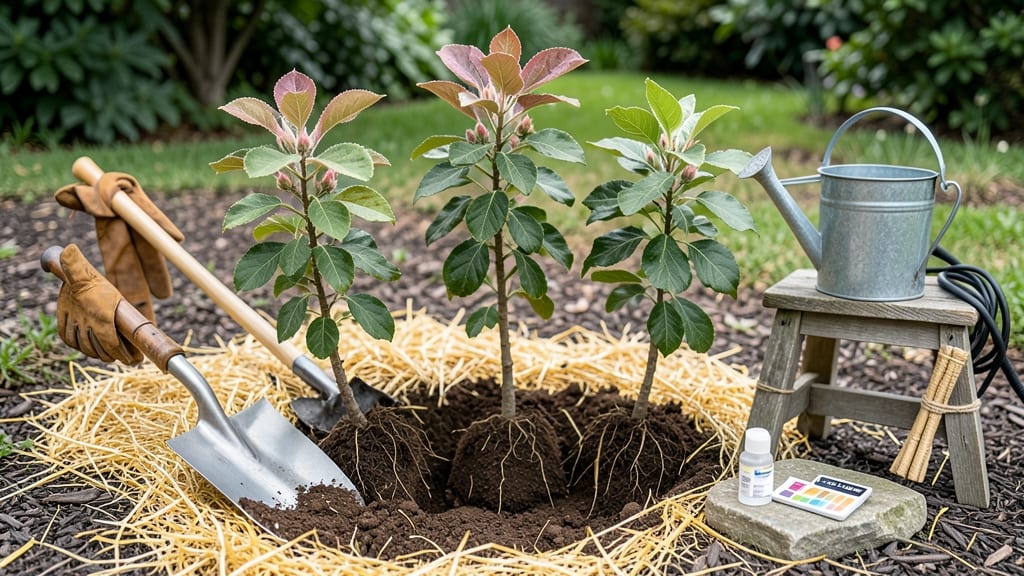
Planting fruit trees in Alabama at the right time ensures strong roots and bumper harvests—most varieties thrive when planted in late winter or early spring, once the soil warms and frost risk fades.
Alabama’s warm climate and long growing season make it an ideal place for fruit trees—but planting at the wrong time can mean stunted growth or even death. Timing is everything, and understanding your USDA zone is the key to success.
From the cooler hills of Zone 7a to the subtropical stretches of Zone 8b, each region has its own sweet spot for planting. Too early, and a late frost can kill young trees; too late, and they won’t establish roots before summer heat sets in.
Below, I’ll break down the best months by zone, which fruit trees suit Alabama best, and how to prep your soil for a thriving orchard—plus a checklist to avoid common mistakes that derail new plantings.
Best planting months for fruit trees in Alabama by USDA Zone (7a-8b)
Alabama’s USDA Zones 7a-8b offer diverse microclimates, but timing your fruit tree planting is critical to avoid frost damage or heat stress. In Zone 7a, late frosts can linger until mid-April, while Zone 8b gardeners enjoy extended growing seasons with fewer frost risks.
The key is planting when soil temperatures reach at least 60°F and dormant season risks have passed.
For most temperate fruit trees like peaches, apples, and pears, the ideal window is late winter to early spring—typically February through March in Zone 7a and January through February in Zone 8b. Subtropical varieties, such as citrus and figs, thrive when planted in early spring (March-April) to avoid winter cold snaps.
Understanding your zone’s last frost date is non-negotiable.
Below is a zone-specific guide to planting fruit trees in Alabama, including soil temperature requirements, seasonal risks, and optimal months for each USDA zone. Use this as your roadmap to healthy, productive fruit trees that bear fruit for decades.
🌱 Pro Tip: Always check with your local Alabama Cooperative Extension office for microclimate adjustments—some areas may experience unpredictable frost patterns even within the same zone.
In Zone 7a, where late frosts are common, avoid planting bare-root trees too early—wait until mid-March to ensure roots establish before cold snaps. For Zone 8b, you can plant as early as December, but soil warmth is critical—use a soil thermometer to confirm 50°F+ before digging.
Another critical factor is dormancy timing. Most temperate fruit trees enter dormancy in winter and should be planted while still dormant but before bud break. This means February-March for Zone 7a and January-February for Zone 8b. Planting too late can stress young trees and delay fruit production.
🌡️ Soil Temperature Matters: Use a soil thermometer to verify 60°F+ before planting—cold soil can stunt root growth. In Zone 7a, soil may not warm enough until late March, even if air temperatures are mild.
For subtropical fruit trees like citrus, timing is equally precise. Plant Satsuma oranges in Zone 8a-8b during January-February to avoid winter cold. These trees need well-draining soil and acidic pH (5.5-6.5)—Alabama’s clay soils often require amendments like pine bark fines or peat moss.
How to choose the perfect time for your specific fruit tree type
Not all fruit trees thrive when planted at the same time in Alabama. Peaches and apples need early spring planting to establish roots before summer heat, while citrus and figs prefer late winter or early spring to avoid frost damage.
Understanding these differences ensures your trees grow strong and productive. Alabama’s USDA zones 7a-8b create unique windows for each variety, and choosing the wrong time can lead to poor establishment or even tree death.
For cold-hardy varieties like peaches and pears, aim for late winter to early spring (February-March) when soil temperatures rise above 50°F. This timing lets roots establish before summer’s intense heat.
Meanwhile, subtropical trees like citrus and avocados need to be planted in late winter or early spring (January-February) to avoid late spring frosts that can kill tender new growth. Each fruit type has its own ideal window—let’s break it down for Alabama’s most popular choices.
- 1 Peaches & Nectarines: Plant in February-March (bare-root) or November-December (container-grown). Soil should be 50-60°F and frost-free for 2-3 weeks.
- 2 Apples & Pears: Best planted in late winter (February) while still dormant. Choose dwarf varieties like 'Anna' or 'Moonglow' for smaller spaces.
- 3 Citrus (Oranges, Lemons): Plant in January-February after last frost risk. Use container growing in Zone 7a; plant in ground only in Zone 8b.
- 4 Figs: Ideal planting time is March-April when soil warms to 60°F+. Varieties like 'Celeste' thrive in Alabama’s heat and humidity.
- 5 Persimmons: Plant in late winter (February) for best root establishment. Choose non-astringent varieties like 'Fuyu' for sweeter fruit.
When selecting your planting window, also consider rootstock compatibility with Alabama’s soil. For example, peach rootstocks like 'Lovell' or 'Halford' perform best in the state’s clay-heavy soils. Meanwhile, citrus rootstocks such as 'Swingle' or 'Carrizo' improve drought tolerance. Always check with the Alabama Cooperative Extension for localized recommendations before planting.
For container-grown trees, timing is slightly more flexible—you can plant them year-round in Alabama’s warmer zones (8a-8b), but late winter to early spring still offers the best success rates.
If you’re planting bare-root trees, do so as soon as possible after purchase, while roots are still dormant but ready to absorb moisture. Avoid planting during extreme heat or cold, as stress can stunt growth or cause root damage.
One final tip: Mulch heavily after planting to retain moisture and regulate soil temperature. Use 2-3 inches of organic mulch like pine straw or wood chips, keeping it 6 inches away from the trunk to prevent rot.
This is especially critical in Alabama’s hot summers, where mulch acts as insulation for young roots.
By aligning your planting schedule with your fruit tree’s specific needs—and Alabama’s climate—you’ll set the stage for a bountiful harvest in just a few years. Start small with 1-2 trees, and expand as you gain confidence in your timing and care routines. Happy planting! 🌳