
How To
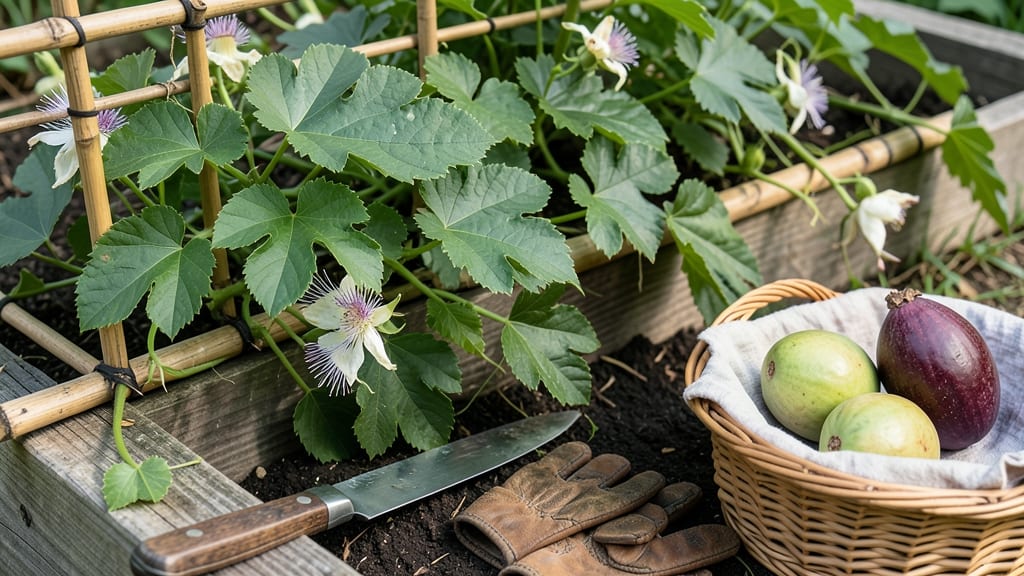
To pick passion fruit at its peak, look for fully colored skin that yields slightly when gently squeezed—this is the sweet spot between ripeness and overripeness.
Harvesting passion fruit at the perfect moment means the difference between a sweet, juicy treat and a bland, seedy disappointment—but how do you know when it's truly ripe? The answer lies in a mix of color, texture, and even the time of day you pick.
In General (Tropical/Subtropical) zones like 9b-11, passion fruit 🍈 ripens year-round, but the best flavor comes when you time your harvest right. Purple varieties darken to a deep hue, while yellow types turn golden—both signals that the fruit is ready to detach with a slight twist.
Below, I’ll walk you through the exact ripeness tests, the ideal harvesting window, and how to avoid common mistakes that turn your passion fruit into a disappointing pulp. No more guesswork—just perfect, ready-to-eat fruit every time.


How to identify perfectly ripe passion fruit by color and texture
Passion fruit ripeness can be tricky—one wrong pick, and you might end up with a tart, underripe fruit instead of the sweet, aromatic treasure you crave. The key lies in mastering a few simple but critical visual and tactile cues that reveal when your passion fruit is ready to harvest.
Whether you're growing purple passion fruit (Maracujá) or yellow passion fruit (Passiflora edulis), these signs will never fail you.
First, let's address the most obvious clue: color change. Unripe passion fruit starts as a vibrant green, but as it matures, it transforms into either a deep yellow-orange (for yellow varieties) or a rich purple-brown (for purple varieties).
This color shift signals that the fruit's sugars have fully developed, making it prime for picking. But don't rely solely on color—texture plays an equally important role in determining ripeness.
The squeeze test is your best friend when assessing passion fruit ripeness. Gently press the fruit between your thumb and forefinger—if it yields slightly (like a ripe avocado), it's ready to pick.
A firm, unyielding fruit means it needs more time on the vine, while an overly soft or mushy fruit has been left too long and may spoil quickly. This tactile check ensures you avoid both underripe and overripe fruit.
Another telltale sign is the stem separation. When passion fruit is ripe, the stem where it attaches to the vine will shrink and darken. If you gently twist the fruit, it should detach easily from the vine without requiring force.
This indicates the fruit's natural detachment process has begun, a clear signal that it's time for harvest. Ignoring this cue can lead to fruit dropping prematurely or rotting on the vine.
Weight also plays a subtle but important role. A ripe passion fruit feels noticeably heavier for its size compared to an unripe one. This increased weight comes from the fruit's higher water and sugar content.
To test this, hold two passion fruit of similar size—one ripe and one unripe—and you'll quickly notice the difference in heft. This simple trick works especially well when comparing multiple fruits on the same vine.
Now, let's talk about the differences between purple passion fruit and yellow passion fruit. Purple varieties often have a slightly firmer texture when ripe, while yellow varieties tend to soften more noticeably.
Additionally, purple passion fruit may develop a slight wrinkling or puckering on the skin as it ripens, whereas yellow varieties maintain a smoother surface. Understanding these nuances helps you tailor your picking approach to the specific variety you're growing.
One common mistake is waiting until the fruit is fully detached from the vine before picking. While it's true that ripe passion fruit will eventually fall on its own, harvesting it just before natural detachment ensures you get the sweetest, most flavorful fruit.
Overripe fruit that has already hit the ground may be past its prime, with a less vibrant taste and softer texture. Timing your harvest just before the fruit lets go maximizes quality.
For those growing passion fruit in cooler climates, ripeness cues can be slightly different due to slower maturation. In these areas, passion fruit may take longer to develop color and soften, so pay extra attention to the stem separation and weight.
Additionally, cooler temperatures can delay the natural sweetening process, so rely more heavily on tactile tests like the squeeze test rather than just visual changes.
| Ripeness Cue | Yellow Passion Fruit | Purple Passion Fruit | Action |
|---|---|---|---|
| Color Change | Deep yellow-orange | Purple-brown | Harvest when fully colored |
| Skin Texture | Slightly soft, smooth | Slightly wrinkled, yielding | Gentle squeeze test |
| Stem Condition | Shrinks, darkens | Shrinks, darkens | Twist to detach easily |
| Weight | Heavier for size | Heavier for size | Compare to unripe fruit |
| Scent | Sweet, floral aroma | Sweet, tropical aroma | Sniff near stem |
Don't overlook the scent as a final ripeness indicator. A ripe passion fruit emits a sweet, floral aroma near the stem. If you can't detect this scent, the fruit may not be fully ripe yet.
This sensory cue is especially useful when combined with the other tests—if the fruit passes the color, texture, and weight checks but lacks aroma, give it a few more days on the vine.
Once you've mastered these ripeness cues, you'll never struggle with picking passion fruit again. The combination of color change, skin texture, stem condition, and weight ensures you harvest at the perfect moment.
With practice, you'll develop an instinct for knowing when your passion fruit is ready, leading to a bountiful harvest of sweet, juicy fruit every season.
Pro tip: If you're unsure whether a fruit is ripe, pick a few candidates and let them ripen indoors. Place them in a paper bag with a banana or apple to speed up the ripening process using ethylene gas. This way, you can
Best time of day and season to harvest passion fruit
Timing your passion fruit harvest correctly ensures maximum flavor and sweetness. Unlike many fruits, passion fruit doesn't ripen well after picking, so knowing the optimal harvest window is crucial. The right moment depends on both time of day and seasonal conditions, which vary by your climate zone.
In tropical zones (USDA 10-11), you can harvest passion fruit year-round, but peak production typically occurs during the warmest months when temperatures stay between 70°F and 85°F. Cooler climates (USDA 9b) should focus on harvesting between late spring and early fall before temperatures dip below 60°F.
🌱 Numbered Highlights: When to Pick Passion Fruit
- 🌞 Morning Picking: Harvest between 8 AM and 10 AM when fruits are cool and fully hydrated. Avoid midday heat which can stress the fruit.
- 🌡️ Temperature Check: Pick when daytime temps are 70°F-85°F. Below 60°F, flavors dull and fruit may not ripen properly.
- 📅 Seasonal Windows:
- Tropical Zones (9b-11): Year-round, peak in spring-fall
- Temperate Zones: June-September (after last frost)
- 🌬️ Weather Watch: Avoid harvesting after rain or wind—wait 24 hours for skins to dry and flavors to stabilize.
- ⏰ Avoid Afternoon Heat: Never pick after 2 PM; fruit may over-ripen on the vine, leading to seedy, less sweet results.
For purple passion fruit varieties, aim to harvest when the skin turns deep purple and feels slightly soft to the touch. Yellow varieties should be bright golden-yellow with a slight give when gently squeezed.
The best time of day to pick is early morning—this ensures the fruit hasn't been exposed to excessive heat, which can make it overripe or mushy.
If you're in a cooler climate, focus on harvesting during the longest days of summer when your passion fruit vine receives 6+ hours of sunlight daily.
In these regions, fruits may take longer to ripen, so monitor them closely and harvest as soon as they meet the color and texture cues.
Pro tip: Twist gently to detach ripe fruit from the vine—it should come off easily without tearing. If the fruit resists, it's not ready yet. Once picked, store passion fruit at room temperature for 1-2 days or refrigerate to extend freshness.
By following these seasonal and daily timing tips, you'll enjoy passion fruit at its peak—bursting with flavor and perfect for juicing, desserts, or fresh eating! 🍈