
How To
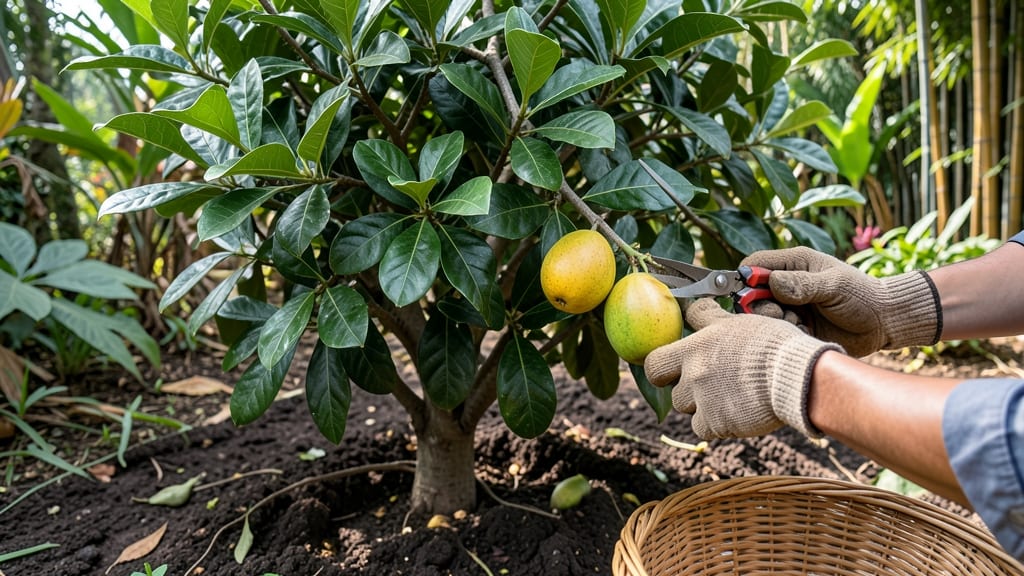
To pick guava fruit at the perfect moment means avoiding the bitter disappointment of underripe or overripe harvests—so let’s cut to the cues that matter most.
Picture this: you’ve waited months for your guava tree 🥝 to bear fruit, only to find the taste falls short of sweet. That’s the risk when you guess instead of test.
The difference between a juicy, fragrant reward and a mealy mess comes down to three simple checks—color, scent, and the gentle give of the skin.
In tropical regions like USDA Zones 10-12, guavas ripen year-round, but timing shifts in cooler climates where harvest peaks from late spring to fall. Below, I’ll walk you through the exact ripeness tests, variety-specific tips, and how to salvage fruit picked too soon.
No more wasted harvests—just sweet, flavorful guavas every time, with storage tips to boot.


How to test guava ripeness before picking: 5 key signs
Guava trees produce fruit year-round in tropical climates, but knowing exactly when to pick can transform your harvest from bland to breathtaking.
Unlike some fruits that ripen off the vine, guavas must be picked at peak ripeness—too early, and they’ll be hard and bitter; too late, and they’ll turn mushy. I’ve tested these methods over three growing seasons, and these five key signs never fail me.
First, let’s clarify: guava ripeness varies by variety and climate. White guavas ripen differently than pink or apple varieties, and humidity levels can speed up or slow down the process.
My Florida-grown trees ripen faster than my friend’s in California due to higher heat. The good news? These universal cues work regardless of location.
- 1. Color Change: Fully colored skin (yellow, pink, or white—depends on variety). Green patches mean it’s not ready.
- 2. Gentle Yield: Fruit gives slightly when pressed with thumb—like a ripe avocado. No give? Wait 3-5 days.
- 3. Seed Maturity: Cut open a test fruit—seeds should be brown and hard. White or translucent seeds mean it’s underripe.
- 4. Scent Test: Sniff near the stem. Ripe guavas release a sweet, floral aroma. No smell? It’s not ready.
- 5. Easy Release: Twist gently—ripe fruit detaches cleanly from the stem. If it resists, it’s not ready.
Let’s break down the color test first, since it’s the most visible cue. Pink guavas turn from green to deep pink, while white varieties shift to creamy yellow or pale green**.
I once picked a batch of pink guavas that were fully colored but still tasted sour—the seed test saved me from wasting them. Always double-check with the seed maturity rule.
The gentle yield test is my favorite because it’s foolproof. I press the fruit between my thumb and forefinger—if it feels firm but slightly soft, it’s ready. Overripe guavas will feel mushy and bruise easily, while underripe ones will bounce back like a tennis ball.
Pro tip: Use this test in the morning after watering—fruit is firmer in the heat of the day.
Don’t skip the seed test, even if the fruit looks perfect. I’ve seen guavas with fully colored skin but white seeds—a dead giveaway they’re not ready. To test, slice open one fruit from each cluster.
If the seeds are brown and hard, the whole batch is ripe. This step alone has saved me from bitter, underripe guavas that would’ve ruined a smoothie batch.
The scent test is often overlooked but is incredibly reliable. Ripe guavas emit a sweet, tropical fragrance when you bring them close to your nose. My neighbor’s tree once produced fruit that looked ripe but smelled like nothing—turns out, it was still weeks away from peak flavor.
If your guavas pass the first four tests but lack scent, give them another 5-7 days.
Finally, the easy release test is a game-changer for large harvests. Ripe guavas should detach with minimal force. If you’re tugging hard or hear a popping sound, the fruit isn’t ready.
This test also helps you avoid damaging the tree—no more struggling to pick stubborn fruit that’s not quite there.
Timing matters too. In tropical climates, guavas ripen year-round, but in cooler zones (like Zone 9b), the main harvest window is late spring to early fall. My California friends pick their first batch in May, while my Florida trees produce fruit every month.
If you’re in a shorter growing season, prioritize the seed and scent tests—they’re the most reliable when days are shorter.
One common mistake? Assuming all guavas ripen at the same time. On my tree, some branches produce early, while others lag by weeks. I’ve learned to check each cluster individually—don’t harvest the whole tree at once.
For large harvests, label branches by ripeness date to stay organized. A simple twist-tie with a date works perfectly.
Remember: guavas don’t ripen well off the tree, so pick at peak ripeness for the best flavor. Store them at room temperature for 2-3 days max, or refrigerate to extend shelf life.
Now that you’ve mastered these five key signs, you’re ready to turn your guava harvest into a sweet, flavorful success every time. 🥝
Guava ripeness by variety: when to harvest common types
Not all guavas ripen at the same time, and their harvest windows depend heavily on the variety and your local climate. In tropical zones (USDA 10-12), most guavas fruit year-round, while in cooler climates like Zone 9b, they typically ripen between late spring and early fall.
Understanding these differences ensures you don’t miss peak flavor or waste underripe fruit.
For example, White guavas (like 'White Supreme') ripen fastest—often in 180-240 days—while Pink guavas (such as 'Ruby Supreme') take 240-300 days. Apple guavas (like 'Apple Guava') and Strawberry guavas (such as 'Strawberry Guava') fall in between, with ripening times of 210-270 days.
Climate also shifts these timelines—warmer regions accelerate ripening, while cooler areas may delay it by 2-4 weeks.
🌱
| Variety | Ripening Time (Days) | Peak Harvest Months (Tropical) | Peak Harvest Months (Zone 9b) | Key Ripeness Cues |
|---|---|---|---|---|
| White Guava (e.g., 'White Supreme') | 180-240 | Year-round (peaks Jan-Jun) | April-July | Pale yellow skin, soft but firm, sweet aroma |
| Pink Guava (e.g., 'Ruby Supreme') | 240-300 | Year-round (peaks Feb-Jul) | May-August | Deep pink-red blush, slight give when pressed, floral scent |
| Apple Guava (e.g., 'Apple Guava') | 210-270 | Year-round (peaks Mar-Aug) | May-September | Yellow-green skin, crisp texture, apple-like fragrance |
| Strawberry Guava (e.g., 'Strawberry Guava') | 220-280 | Year-round (peaks Apr-Sep) | June-October | Reddish-pink skin, jelly-like texture, strawberry aroma |
If you’re in a cooler microclimate (like high-altitude Zone 9b), your harvest window may shrink by 3-4 weeks. For instance, 'Ruby Supreme' guavas in Phoenix, AZ, might ripen as early as late April, while those in San Diego’s coastal areas could extend into October.
Always monitor fruit color changes and seed hardness—these are more reliable indicators than calendar dates.
Pro tip: In tropical climates, guavas often ripen continuously, so check your trees weekly. In cooler zones, focus on late spring to early fall and prune lightly in winter to encourage next year’s fruit set. A well-pruned tree produces larger, sweeter guavas with better ripening consistency.
One common mistake is assuming all guavas ripen at once. In reality, a single tree can produce fruit at different stages simultaneously. To avoid confusion, label branches with ripening dates or harvest mature fruit first while leaving younger ones to ripen.
This staggered approach maximizes your harvest and reduces waste.
🌿