
Blooming
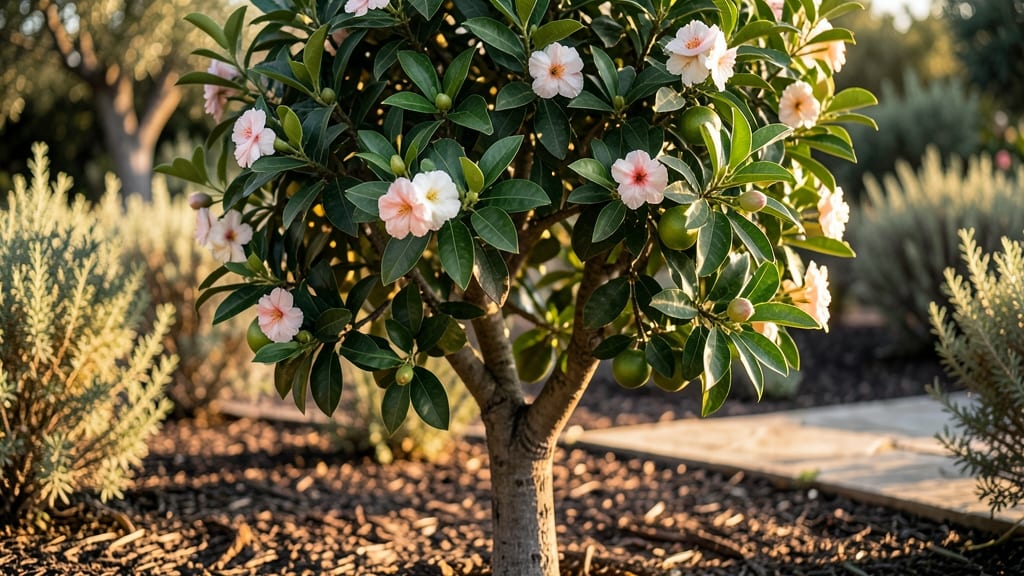
Grapefruit trees bloom in late winter to early spring, a critical window for fruit production that shifts slightly by climate zone and variety.
Picture this: your 🍊 grapefruit tree suddenly erupts in fragrant white blossoms, signaling the start of your harvest journey—but if you miss the timing, those flowers could fall off without setting fruit.
In USDA Zone 9b, blooms typically appear between January and March, but coastal regions like Florida may see earlier flowers as early as December.
This isn’t just about waiting for nature to happen—it’s about understanding your tree’s needs. Too much heat or cold during bloom can ruin the whole process, and different grapefruit types (like Ruby Red vs. White Marsh) have their own schedules.
Below, I’ll break down the exact months for your zone, plus pro tips to coax your tree into producing its best blooms year after year.
Ready to turn those blossoms into juicy fruit? You’ll learn how to recognize the ideal bloom time, adjust care for your region, and even nudge your tree to flower a little earlier or later—without risking frost or heat stress.
Grapefruit tree blooming seasons by USDA climate zones
If you're growing a grapefruit tree, knowing when to expect those fragrant white blossoms is essential for planning your harvest. In USDA zones 9-11, blooming seasons vary significantly due to regional microclimates and variety differences.
Most grapefruit trees bloom in late winter to early spring, but exact timing depends on your location—whether you're in Florida's heat, California's coastal breezes, or Texas' inland warmth. Understanding these patterns helps you protect blossoms from frost or heat stress while maximizing fruit production.
In Zone 9, where frost is rare but possible in inland areas, blooming typically begins in December and peaks in January. Coastal areas like Southern California may see earlier blooms in November, while Florida's subtropical climate can trigger blooming as early as October for heat-tolerant varieties.
Meanwhile, Zone 11 gardeners often enjoy blooms stretching from December through March, thanks to consistently warm winters. These variations mean your grapefruit tree's bloom timing could shift by up to 3 months depending on where you live.
| USDA Zone | Primary Bloom Period | Regional Variations | Key Considerations |
|---|---|---|---|
| 9a-9b (e.g., Central Florida, Coastal CA) | December - February | Coastal: Nov-Feb; Inland: Jan-Mar | Watch for late frosts in inland areas |
| 10a-10b (e.g., South Florida, Southern CA) | November - March | Year-round blooming possible in microclimates | Heat stress risk in summer blooms |
| 11 (e.g., Miami, Phoenix, Southern TX) | December - April | Extended blooming with year-round potential | Prune to manage overproduction |
| 🌱 Pro Tip: Early bloomers (like Ruby Red) thrive in Zone 11, while late bloomers (like White Marsh) suit Zone 9. | |||
In Zone 9, where temperatures can dip just low enough to damage blossoms, timing is critical. For example, Central Florida often sees blooms start in mid-December, while Southern California's coastal regions may begin as early as late November.
Inland areas of Zone 9, like parts of Arizona or Texas, might delay blooming until January to avoid frost damage. This variation highlights why choosing the right grapefruit variety matters—some are more frost-tolerant than others.
Moving to Zone 10, the blooming window expands significantly.
Here, you'll often see blossoms from November through March, with some trees producing year-round flowers in ideal microclimates. South Florida gardeners might spot blooms as early as October on heat-loving varieties like Thompson grapefruit, while Southern California sees peak blooming in January and February.
The extended season means you can enjoy multiple harvests per year if you've planted diverse varieties.
For Zone 11 gardeners, the blooming season is the most extended, typically running from December through April. In areas like Miami or Phoenix, grapefruit trees may even produce continuous blooms with proper care.
However, this extended flowering can lead to overproduction, which may reduce fruit size or quality. Pruning and thinning blossoms can help balance your tree's energy between flower and fruit development.
In Southern Texas, where humidity is high, fungal diseases can threaten blossoms, so proper airflow and fungicide treatments may be necessary.
Regional microclimates play a huge role in bloom timing. For instance, coastal California enjoys milder winters that encourage earlier blooming compared to inland areas.
Meanwhile, Florida's humidity can trigger blooming in October for varieties like Pink grapefruit, while Texas' inland heat may delay blooming until February to avoid heat stress. Understanding these patterns helps you time pruning, fertilization, and pest control for optimal results.
One common misconception is that grapefruit trees bloom only once a year. In reality, many trees produce multiple bloom cycles, especially in Zones 10 and 11. The first flush of blossoms typically yields the largest fruit, while subsequent blooms may produce smaller, winter-ripe grapefruits.
To encourage healthy blooming, focus on balanced fertilization in early spring and consistent watering during dry periods. Avoid over-fertilizing with nitrogen, as this can reduce flowering.
If you're in a transition zone like Zone 9b, where frosts are possible, protect your blossoms with frost cloths or heat lamps during unexpected cold snaps. In Zone 11, where heat is the bigger concern, provide afternoon shade during peak summer months to prevent blossom drop.
By tailoring your care to your specific climate zone, you can maximize your grapefruit tree's blooming potential and enjoy a bountiful harvest year after year.
For gardeners in Zone
Top grapefruit varieties and their ideal blooming windows
Choosing the right grapefruit variety can make all the difference in your harvest timeline. Each type has its own blooming window, frost sensitivity, and fruit maturity schedule. Understanding these differences helps you plan for the best possible yield in your climate zone.
For example, Ruby Red grapefruits bloom earlier than White Marsh, giving them a head start in warmer regions.
Grapefruit trees typically bloom in late winter to early spring, but the exact timing varies by variety. Some varieties like Thompson grapefruit are more cold-hardy, while others like Pink grapefruit prefer warmer temperatures.
Knowing these details helps you protect blossoms from unexpected frosts or heatwaves. Let’s break down the key varieties and their ideal blooming windows to help you time your care routine perfectly.
| Variety | Bloom Period | Frost Sensitivity | Fruit Maturity |
|---|---|---|---|
| Ruby Red | Late January - February | Moderate (28°F) | October - November |
| White Marsh | February - Early March | High (30°F) | November - December |
| Pink | Late February - March | Moderate (28°F) | December - January |
| Thompson | January - Late February | Low (25°F) | October - November |
The Ruby Red grapefruit variety blooms earliest, typically from late January to February, making it ideal for regions with mild winters. Its moderate frost sensitivity means it can handle brief dips to 28°F without major damage.
If you’re in a cooler climate, this variety might still produce fruit, but you’ll need to protect blossoms during unexpected cold snaps.
White Marsh grapefruit trees bloom later, from February to early March, and are highly sensitive to frost, with damage possible at 30°F. This variety thrives in warmer climates like Florida or Southern California, where frost is rare. Its fruit matures later, from November to December, giving you a harvest just in time for holiday feasts.
For those who love the unique flavor of Pink grapefruit, this variety blooms from late February to March and has moderate frost sensitivity, similar to Ruby Red.
Its fruit matures later in the season, from December to January, making it a great choice if you prefer a slightly sweeter grapefruit with a pink hue. Planting this variety in a sheltered spot can help protect its blossoms from late frosts.
The Thompson grapefruit is the most cold-hardy of the bunch, blooming from January to late February and tolerating temperatures down to 25°F. This makes it a fantastic option for gardeners in USDA Zone 9 or cooler.
Its fruit matures earlier, from October to November, allowing you to enjoy a harvest before winter sets in fully.
To maximize your grapefruit tree’s potential, monitor the local frost dates and adjust your care routine accordingly. For example, if you’re growing White Marsh in a region with late frosts, consider using frost cloths or even a small greenhouse to protect the blossoms.
Understanding these blooming windows and frost sensitivities ensures you’ll have a thriving tree and a bountiful harvest year after year.