
Diseases
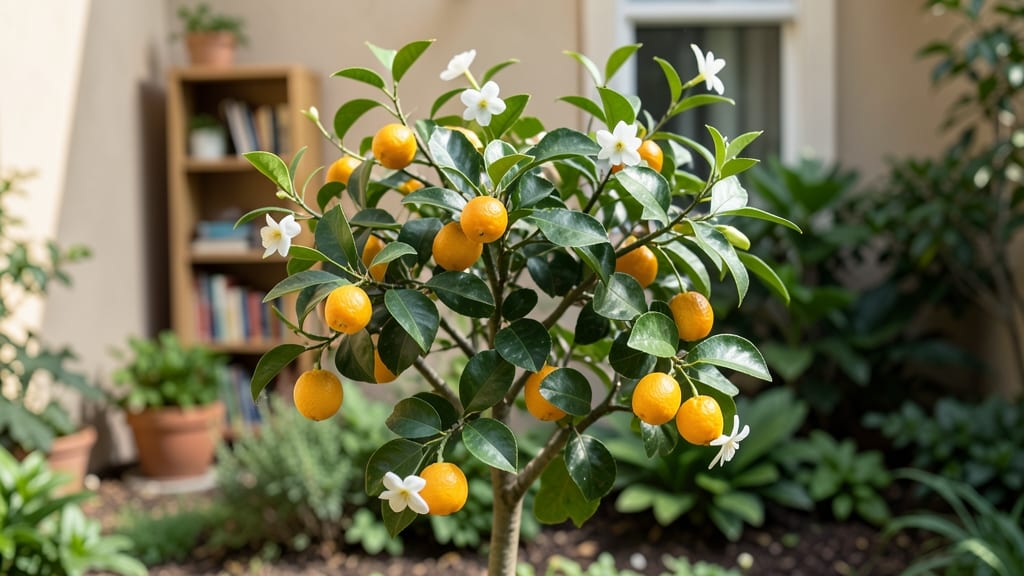
Calamondin fruit is a small, tart citrus hybrid between kumquat and mandarin orange, prized for its bright yellow-orange skin, intense sour flavor, and aromatic blossoms used in cooking and perfumes. Its seeds are edible when ripe, and the fruit thrives in tropical climates as an ornamental or culinary plant.
Calamondin fruit stands out as a unique citrus variety that bridges the gap between sweet and sour flavors, making it a favorite in both kitchens and gardens. 🌱 This hybrid citrus, scientifically known as Citrus × microcarpa, produces tiny, round fruits about the size of a marble, packed with a tangy punch that brightens both sweet and savory dishes.
The tree itself is a stunning ornamental, with glossy evergreen leaves and fragrant white blossoms that attract pollinators, making it a dual-purpose plant for those with limited space.
What makes calamondin especially versatile is its dual role in the culinary world—its juice is often used to add acidity to marinades, dressings, and desserts, while the whole fruit can be candied or preserved.
The seeds, though small, are perfectly safe to eat when fully ripe, adding a subtle crunch to dishes. In tropical regions, these trees are commonly grown in containers, allowing gardeners to bring them indoors during cooler months and enjoy their beauty year-round.
💡 In This Article
- The Genetic and Botanical Origins of Calamondin Trees
- Growing and Harvesting Calamondin Fruit at Home
The genetic and botanical origins of calamondin trees
The calamondin tree's existence is a fascinating result of natural hybridization between two distinct citrus varieties: the sweet kumquat (Fortunella spp.) and the mandarin orange (Citrus reticulata). This crossbreeding likely occurred in Southeast Asia, where these citrus varieties grow in close proximity.
The resulting hybrid, Citrus × microcarpa, combines the kumquat's small, round shape with the mandarin's juicy interior, creating a fruit that's neither fully sweet nor fully tart but a perfect balance of both.
Botanically, calamondin trees are evergreen shrubs that typically grow 8-15 feet tall, though they can be easily pruned to maintain a compact size—ideal for container gardening. The tree's glossy, dark green leaves are slightly leathery to the touch and emit a subtle citrus aroma when crushed.
What truly sets calamondin apart is its dual nature: it produces both the edible fruit and stunning, fragrant white blossoms that appear year-round in tropical climates, making it a prized ornamental plant. 🌿 The flowers release a sweet, jasmine-like fragrance that can fill an entire garden.
The fruit itself is a marvel of citrus evolution. Each calamondin measures about 1-1.5 inches in diameter and weighs roughly 5-10 grams, with a bright yellow-orange skin that's slightly textured.
Unlike many citrus fruits, the skin is edible and contains the majority of the fruit's flavor—packed with essential oils that give it that signature tang. Inside, you'll find a juicy, translucent pulp with a few small, edible seeds that soften as the fruit ripens.
The seeds contain no bitterness when fully mature, making them safe to consume.
What's particularly interesting about calamondin's genetic makeup is its ability to thrive in both tropical and subtropical climates, thanks to its hybrid vigor. This hardiness comes from inheriting the kumquat's cold tolerance (though it still prefers warmth) and the mandarin's adaptability to various soil types.
The tree's shallow root system makes it drought-tolerant once established, but it rewards gardeners with abundant fruit production—sometimes yielding hundreds of fruits per tree during peak seasons. This dual-purpose nature makes calamondin an excellent choice for small gardens or urban spaces where both beauty and harvest are desired.
The calamondin's scientific classification as Citrus × microcarpa reflects its hybrid status, with the "×" symbol indicating it's a cross between two species.
This notation also explains why calamondin exhibits characteristics from both parent plants: the kumquat's small size and edible skin, combined with the mandarin's juicy interior and sweet-tart flavor profile.
The result is a fruit that's uniquely suited for both culinary applications and ornamental display, making it a standout in any citrus collection. 🌟
In tropical regions, calamondin trees are often found growing wild or cultivated in home gardens due to their low-maintenance nature. They produce fruit continuously throughout the year, with peak harvests typically occurring in late spring and summer.
This consistent production makes them particularly valuable for both home cooks and commercial growers looking to add a unique citrus element to their offerings.