
Pruning
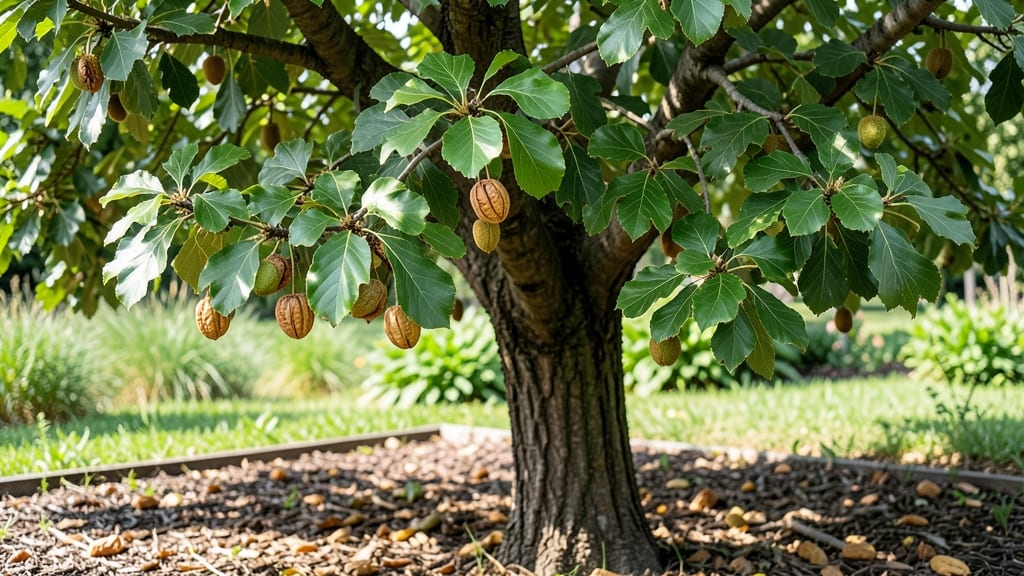
Walnut tree fruit reaches peak ripeness between late summer and early fall, usually from September through October, when the outer husks darken and begin cracking open naturally. The best time to harvest is when nuts can be easily removed by hand or gentle branch shaking for maximum flavor and storage life.
Timing is everything when harvesting walnut tree fruit, as the nuts need full maturity to develop their rich, buttery flavor. 🌳 The cracking husks signal that the shell has hardened enough to protect the nut inside, while still being tender enough for fresh eating.
I always check for these visual cues—dark brown husks and that distinctive "pop" sound—before harvesting, as premature collection can lead to underdeveloped nuts with poor storage potential.
Environmental factors like temperature swings and rainfall also play a crucial role. Cooler nights help sweeten the nuts, while consistent moisture ensures proper shell development. If you're in a region with unpredictable weather, monitor the trees weekly starting in late August, as early frosts can halt maturation.
For best results, harvest on dry days to prevent mold growth during post-harvest drying.
💡 In This Article
- Identifying Perfectly Ripe Walnuts for Harvesting
- Step-by-Step Walnut Harvesting Techniques for Beginners
Identifying perfectly ripe walnuts for harvesting
When walnut husks transition from green to a rich, deep brown color, that's your first visual cue that the fruit is nearing maturity. This color change occurs because chlorophyll breaks down as photosynthesis slows, revealing the underlying tannins.
The husks also develop a leathery texture and begin splitting open naturally—a process called dehiscence—releasing the nuts inside. 🌟 What's fascinating is that this transformation is triggered by a combination of internal ripening and external temperature drops, typically occurring when daytime highs fall below 75°F.
The nuts themselves emit a distinctive sound when ripe: a sharp cracking or popping noise as the husk splits. This happens because the shell inside has fully hardened, creating pressure that forces the husk apart.
You can test ripeness by gently tapping a husk with your knuckles—if it sounds hollow with a crisp snap, it's ready. Interestingly, walnut trees often drop leaves around the same time as the husks split, signaling the tree's shift into dormancy.
This leaf drop coincides with the nuts reaching peak flavor and oil content, which is why timing is critical for both fresh consumption and long-term storage.
Environmental factors dramatically influence this process. Walnut trees thrive in regions with hot, dry summers followed by cooler nights, as these temperature fluctuations accelerate ripening. Rainfall during the final 4-6 weeks before harvest can soften husks prematurely, making them prone to cracking before the nuts are fully mature.
In wet climates, I've seen husks split too early, exposing the nuts to mold and pests. Conversely, drought stress can delay ripening, so monitoring soil moisture is key—walnut trees need consistent water but not waterlogged roots during the final growth stages.
Here's what to watch for regionally: In the Pacific Northwest, walnuts typically ripen by late September to early October, while Southern California trees may extend into November due to milder winters.
The key is to start checking trees 2-3 weeks before your area's average first frost date, as cold snaps can halt maturation abruptly.
Pro tip: If you're unsure, harvest a few test nuts and crack them open—ripe walnuts have a thick, hard shell and a papery inner lining, while unripe ones feel soft and may still be greenish inside.
One common mistake is harvesting based solely on calendar dates rather than visual cues. I've seen gardeners pick walnuts too early because they assumed "October means harvest time," only to find the nuts were still underdeveloped with thin shells that cracked during storage.
Always prioritize the husk's color, texture, and that telltale cracking sound over guesswork. The flavor difference between perfectly ripe walnuts and those harvested too soon is night and day—ripe nuts have a rich, buttery taste with complex earthy notes, while immature ones taste bland and mealy.
For those growing walnut trees in containers or urban settings, pay extra attention to these cues, as potted trees often ripen slightly later due to root restrictions. Container-grown walnuts may also produce smaller yields, so maximizing ripeness is even more critical.
If you're dealing with a young tree (under 10 years old), expect lower yields, but the nuts will still follow the same ripening signals. The first few harvests are all about learning your tree's unique rhythm—some varieties like 'Hartley' ripen earlier than 'Franquette,' so keep detailed notes each year.