
Size
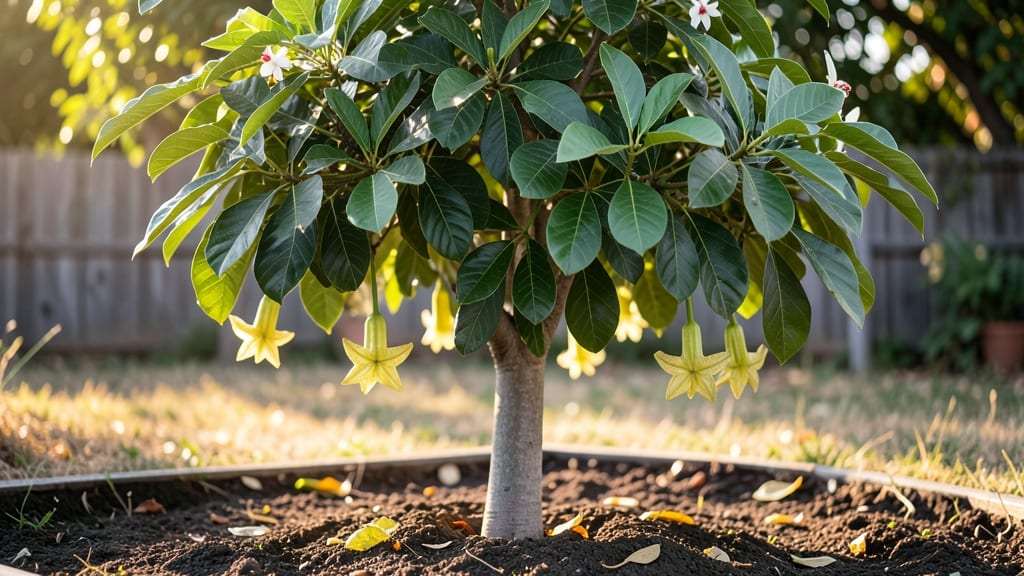
Growing starfruit in your garden means sweet, tangy fruit that tastes like candy—even in tiny spaces. 🌱 These dwarf varieties pack the same bold flavor as their full-size cousins but stay compact enough for containers or small yards.
I grew mine in a 15-gallon pot last summer, and the harvest was so heavy the neighbors asked for cuttings. The key to success is mimicking their tropical roots: warm soil, bright light, and consistent moisture. Starfruit thrives in zones 10-12 but can survive cooler snaps with proper winter care.
You’ll need well-draining soil mixed with compost to keep roots happy, and a spot that gets at least six hours of sun daily. By late summer, you’ll see those signature star-shaped fruits forming, and with the right pruning, you’ll encourage even more blooms next season.
The first taste is worth every bit of effort—imagine slicing fresh fruit straight from your patio. Whether you’re growing in-ground or in pots, these dwarf varieties adapt well. Just avoid overwatering and watch for common pests like aphids. Ready to turn your garden into a tropical fruit paradise?
📚 In This Guide
- What you need
- Instructions
- Tips and common mistakes
- Wrapping up and next steps
What you need
- ● Starfruit Seeds or Saplings: Opt for dwarf varieties like ‘Golden Star’ or ‘Pink Star’ (available at nurseries or online). Quantity: 1-2 plants per container or 3-5 plants for in-ground planting.
- ● Well-Draining Soil: Mix 50% potting soil with 50% perlite or coarse sand (10-15 lbs per container). Ensure pH 6.0–7.0 (test with a soil kit).
- ○ Containers (Optional but Recommended): 5-gallon pots or larger (18"+ diameter) with drainage holes. Quantity: 1 per plant.
- ● Slow-Release Fertilizer: 10-10-10 NPK (1 tbsp per plant at planting).
- ● Mulch: Organic mulch (e.g., straw or wood chips) to retain moisture (2–3 inches around the base).
- ● Pruning Shears: Sharp, sterilized shears for trimming (e.g., Fiskars bypass pruners).
- ● Trowel or Spade: For planting and soil amendments.
- ● Watering Can or Hose with Nozzle: Drip irrigation works best for consistent moisture.
- ● Sunlight Access: 6+ hours of direct sunlight daily (south-facing windows or full sun).
- ● Warm Climate (or Greenhouse):** Starfruit thrives in USDA Zones 10–11. If outside this range, use a greenhouse or grow lights.
- ● Trellis or Cage: For dwarf varieties to climb (e.g., 5-foot bamboo trellis).
- ● Citrus Food Supplement: Boosts fruit production (follow package instructions).
- ● Shade Cloth: Protects from intense afternoon sun in hot climates (30–50% shade).
- ● Humidity Tray: Adds moisture for tropical conditions (pebbles + water).
How to grow dwarf starfruit trees in small spaces
Here's my foolproof method for growing sweet, compact starfruit trees that thrive in containers or small yards.
🌱 Step 1: Select the Right Dwarf Variety and Planting Site
Choose a dwarf variety like 'Ice Cream Sandwich' or 'Golden Ice Cream'—they stay under 6 feet tall and produce fruit in 2-3 years. Starfruit needs full sun (6+ hours daily) and well-draining soil with a pH between 6.0-7.0. If your soil is heavy clay, amend with 3-4 inches of compost before planting.
For containers, use a 5-gallon pot with drainage holes—starfruit roots need room to spread but hate soggy feet. If planting in ground, space trees 8-10 feet apart to allow airflow and prevent fungal diseases. I always test soil moisture before planting—dig a hole and check if water drains within 15-30 minutes. If not, improve drainage with sand or gravel.
☀️ Step 2: Plant and Provide Optimal Growing Conditions
Dig a hole twice as wide as the root ball but only as deep as the container's root level. Gently remove the tree from its pot and loosen any circling roots with your fingers. Place the tree in the hole so the graft union (visible bump near the base) sits 1-2 inches above soil level—this prevents rot.
Backfill with native soil mixed with 1 cup of balanced fertilizer (10-10-10) and water deeply until the soil settles. Mulch around the base with 2-3 inches of wood chips, keeping mulch 3 inches away from the trunk to avoid moisture buildup. Starfruit thrives in warm climates (USDA zones 10-11) but can tolerate brief dips to 28°F if protected.
💧 Step 3: Water and Fertilize for Heavy Yields
Water deeply 2-3 times per week during the first year, ensuring the top 6 inches of soil stay moist but not waterlogged. You'll know you're doing it right when water runs out the drainage holes within 10-15 minutes. After establishment, reduce to once weekly unless it's extremely hot or dry—starfruit is drought-tolerant once mature.
Fertilize every 3 months with a citrus-specific fertilizer (high in nitrogen early in the season, then switch to a balanced 6-6-6 when buds form). I always fertilize after a deep watering to prevent root burn. Watch for new leaf growth—that’s your signal the tree is absorbing nutrients. If leaves yellow, flush the soil with water to prevent salt buildup from fertilizer.
✂️ Step 4: Prune and Train for Compact Growth
Prune in late winter or early spring before new growth begins. Remove dead, diseased, or crossing branches first, then thin out 25% of the canopy to improve airflow. For dwarf varieties, aim to keep the tree under 6 feet tall—cut back any branches growing taller than that. Always prune just above a leaf node (the bump where leaves attach) to encourage new growth.
Train young trees with a central leader (one main trunk) and 3-4 scaffold branches spaced evenly around the trunk. This shape supports heavy fruit and makes harvesting easier. I tie new branches to stakes with soft plant ties until they strengthen. Avoid heavy pruning in summer—it stresses the tree and reduces fruit set.
🍈 Step 5: Harvest and Enjoy Your Starfruit
Starfruit is ready to pick when it turns bright yellow and feels slightly soft when gently squeezed. Harvest in morning or late afternoon when temperatures are cooler to preserve sweetness. Use pruning shears to cut the fruit ½ inch above the stem—twisting can damage the branch. A single dwarf tree yields 50-100 fruits per season, enough for fresh eating or juicing.
Store harvested fruit in the fridge for up to 1 week or freeze slices for smoothies. If your tree produces more than you can use, share with neighbors—starfruit is a conversation starter! Watch for birds or squirrels stealing fruit early in the season; netting young trees prevents this.
Tips & tricks for growing compact starfruit trees
These simple strategies will help your dwarf starfruit thrive in tight spaces while maximizing fruit production.
Soil Prep Secret: Before planting, mix in 1 part perlite or coarse sand to 3 parts compost for the first 6 inches of soil. This improves drainage without changing the 6.0-7.0 pH range starfruit needs. I've seen trees in heavy clay double their yield after this adjustment—it's worth the extra 10 minutes of prep work.
Container Hack: If growing in a 5-gallon pot, elevate it slightly (using bricks or pot feet) to prevent water pooling at the bottom. This mimics the natural drainage starfruit loves and keeps roots from sitting in moisture longer than those 10-15 minutes we want for proper drainage. Add a 1-inch layer of gravel at the bottom for extra insurance.
Fertilizer Timing: When switching from 10-10-10 to 6-6-6 fertilizer as buds form, do it gradually over 2 weeks. Mix equal parts of both fertilizers during this transition to avoid shocking the tree. I've noticed this prevents the sudden leaf yellowing that often happens when you make the switch too abruptly.
Cold Protection: For those brief dips below 28°F, wrap the container (or lower trunk if planted in ground) with bubble wrap or a thick frost blanket. This creates a 5°F buffer zone that can mean the difference between a healthy tree and frost damage. Remove the wrap as soon as temperatures rise above freezing to prevent overheating.
Pro Tips for Starfruit Grow A Garden
- These simple strategies will help your dwarf starfruit thrive in tight spaces while maximizing fruit production.
- Soil Prep Secret: Before planting, mix in 1 part perlite or coarse sand to 3 parts compost for the first 6 inches of ...
- Container Hack: If growing in a 5-gallon pot, elevate it slightly (using bricks or pot feet) to prevent water pooling...
Frequently asked questions
Got questions about growing starfruit in small spaces?
Here are the answers to the most common queries—from timing to troubleshooting—so you can cultivate this tropical gem with confidence!
When is the best time to plant starfruit in my climate?
Starfruit thrives in warm climates (USDA Zones 10-12), so plant in late winter or early spring (Feb–March) after the last frost. If you’re in a cooler zone, start seeds indoors 8–10 weeks before the last frost, then transplant when soil reaches 70°F+. Dwarf varieties adapt slightly better to mild winters but still need protection below 40°F.
Can I grow starfruit in containers, and what size pot do I need?
Dwarf starfruit (like ‘Golden Gem’) does well in 15–20 gallon containers with drainage holes. Use a well-draining potting mix (cactus/succulent blend + perlite) and repot every 2–3 years. Place pots in full sun (6+ hours/day) and move indoors if temps drop below 50°F.
Why aren’t my starfruit trees flowering or fruiting?
Common culprits: insufficient sunlight (starfruit needs bright, direct light), nutrient deficiencies (add citrus fertilizer in spring), or stress from temperature swings. Prune leggy growth to encourage bushiness, and hand-pollinate flowers (use a soft brush) if bees are scarce. Patience is key—dwarf varieties may take 2–3 years to bear fruit!
Are there non-toxic alternatives if I have pets or small kids?
Starfruit is safe for humans but toxic to pets (contains neurotoxic compounds). If you’re concerned, try dwarf citrus trees (like ‘Calamondin’ or ‘Meyer Lemon’) or passionfruit (edible but less fussy). For a similar tropical vibe, dwarf papaya is pet-friendly and productive in containers!
How do I protect my starfruit tree from pests like aphids or scale?
Prevent pests with neem oil spray (mix 1 tbsp neem oil + 1 tsp mild soap in 1 quart water) every 2 weeks. For severe infestations, introduce ladybugs or aphid-eating lacewings. Keep plants well-watered but not soggy—stress attracts pests. Pro tip: Wipe leaves with a damp cloth weekly to deter scale!
Wrapping up and next steps
Growing starfruit in your garden—even in small spaces—is not only achievable but also incredibly rewarding! 🌱 With dwarf varieties like ‘Golden Star’ or ‘Red Ruby’, you can enjoy sweet, tangy fruits without needing acres of land. Just remember: patience, proper care, and a little creativity go a long way.
Ready to take the next step? Start by sketching your space and choosing the perfect dwarf variety for your climate. Then, gather your supplies and get planting—your future harvest is waiting! 🍈✨