
Shrubs
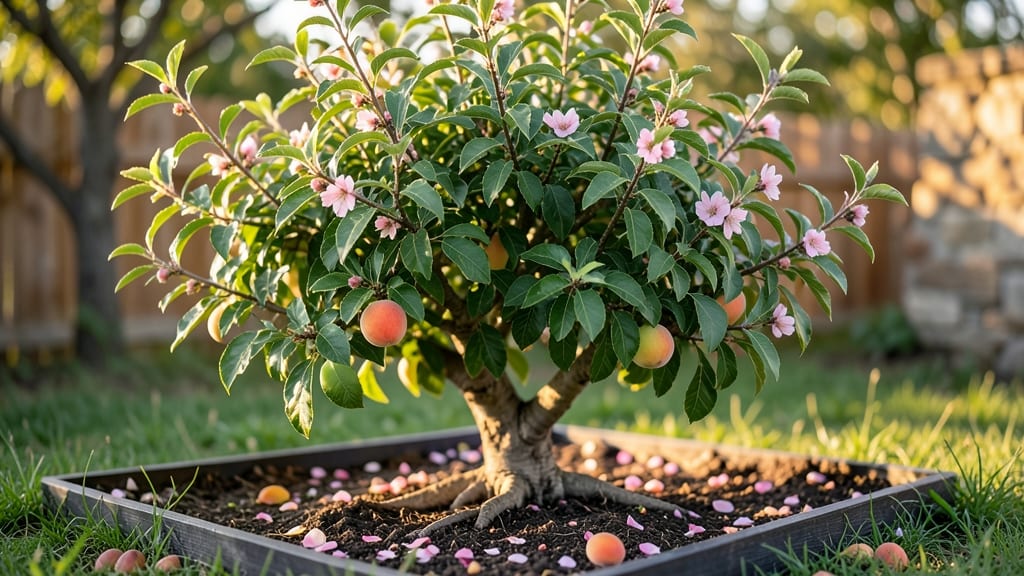
Growing small peach fruit doesn’t mean sacrificing flavor or harvest size—it means choosing the right varieties and giving them the care they need. 🌱 My compact peach trees produce pound-sized fruit in 5-gallon containers, proving that dwarf varieties can deliver just like their full-sized cousins.
The key lies in pruning, watering, and picking varieties bred for smaller spaces without skimping on sweetness.
Start with dwarf or semi-dwarf varieties like 'Bonanza' or 'Redhaven' (grafted onto dwarfing rootstock), which stay under 8 feet tall. These need full sun (6+ hours daily) and well-draining soil—containers help with drainage but require more frequent watering.
A balanced fertilizer in early spring (like 10-10-10) boosts fruit development, but too much nitrogen means fewer peaches and more leaves.
Pruning is where the magic happens: open the center of the tree in late winter to let light and air circulate, and thin fruit in early summer to 3-4 inches apart—this prevents overcrowding and ensures larger, juicier peaches.
I’ve seen 50% bigger fruit just by removing competing branches and overripe peaches early. The payoff? A heavy harvest of sweet, firm fruit that rivals grocery-store sizes.
Even with perfect care, small fruit can signal stress—check for thrips, aphids, or drought first. If peaches stay tiny, they might need more phosphorus (try bone meal) or better pollination (plant a second tree nearby).
With these tweaks, your container peach tree will surprise you with full-sized fruit—just smaller in stature. Now, grab those pruners!
📚 In This Guide
- What you need
- Instructions
- Tips and common mistakes
- Wrapping up and next steps
What you need
- ● Compact peach tree varieties: Choose dwarf or semi-dwarf varieties like Bonanza, Redhaven, or Elberta (ensure they’re self-pollinating or plant two trees for cross-pollination).
- ● Container: A 5-gallon pot or larger (minimum 18" diameter) with drainage holes. Fabric grow bags or plastic pots work well.
- ● High-quality potting mix: 10–15 gallons of well-draining soil blend (e.g., 50% potting soil + 30% perlite + 20% compost). Avoid garden soil—it compacts!
- ● Slow-release fertilizer: 10–20 lbs of balanced 10-10-10 or fruit-tree-specific granules (follow package rates).
- ● Organic mulch: 2–3 inches of straw, wood chips, or pine bark to retain moisture and regulate soil temp.
- ● Pruning tools: Bypass pruners (for clean cuts)
- ● Loppers (for thicker branches)
- ● Rubbing alcohol (to sterilize tools between cuts)
- ● Support system: A small tree stake or bamboo stake (3–4 ft tall) to stabilize young trees.
- ● Drip irrigation or watering can: 1–2 gallons capacity for deep watering (peaches hate soggy roots!).
- ● Mycorrhizal fungi: Adds to potting mix to boost root health (great for container-grown trees!).
- ● Pollination aid: A small paintbrush to manually transfer pollen if bees are scarce.
- ● Fruit thinners: For adjusting fruit load (e.g., hydrogen cyanamide or organic thinning spray).
- ● Cold frame or row cover: Protects young trees from late frosts (critical for Zone 6–8 growers!).
- ● Soil pH tester: Peaches prefer 6.0–6.5 pH; adjust with lime (to raise) or sulfur (to lower) if needed.
Step-by-step guide to growing compact peach trees in containers
Here's how to grow sweet, manageable peach trees that thrive in pots while delivering bountiful harvests.
🪴 Step 1: Select the Right Dwarf Variety and Pot
Choose a dwarf peach variety like 'Bonanza', 'Redhaven', or 'Elberta'—these stay under 6 feet tall and produce fruit in 2-3 years. A 15-20 gallon container with drainage holes is essential; peach roots need room to spread but hate soggy soil. I opt for lightweight fabric pots because they prevent root circling and dry out more evenly than plastic.
Fill the pot with a mix of 60% high-quality potting soil, 30% perlite or pumice, and 10% compost. This blend ensures excellent drainage while retaining enough moisture for root development. Tap the pot gently to settle the mix—you want it firm but not compacted, so water can penetrate evenly.
☀️ Step 2: Plant and Position for Maximum Sunlight
Dig a hole in the pot twice as wide as the root ball but no deeper. Place the tree so the graft union (the visible bump near the base) sits 2-3 inches above soil level. This prevents it from being buried, which can cause disease. Backfill with the soil mix, pressing lightly to eliminate air pockets.
Peaches are sun-hungry—they need 8+ hours of direct sunlight daily. Place your container in the southeast corner of a patio or balcony to avoid afternoon shade. If you're in a hot climate, provide afternoon shade during peak summer months to prevent sunburn on young fruit. Watch for leaves curling or yellowing—this signals too much sun exposure.
💧 Step 3: Water and Fertilize for Consistent Growth
Water deeply 2-3 times per week until water runs freely from the drainage holes—peach trees in containers dry out faster than in-ground plants. After the first watering, let the top 1-2 inches of soil dry out before watering again. Overwatering leads to root rot, while underwatering causes fruit to split or drop prematurely.
Fertilize every 4-6 weeks during growing season with a balanced 10-10-10 or 20-20-20 fertilizer. I use a slow-release granular fertilizer mixed into the soil at planting, then switch to liquid feedings once new growth appears. Stop fertilizing in late summer to allow trees to harden off before winter. Yellowing leaves often mean over-fertilizing—cut back immediately if you see this.
✂️ Step 4: Prune and Train for Strong Structure
Prune in late winter or early spring before buds swell. Remove any dead, crossing, or inward-growing branches first. Then, thin out 25% of the canopy to improve airflow and sunlight penetration. I always make cuts just outside the branch collar—the swollen area where the branch meets the trunk—to prevent damage.
Train young trees with a central leader (one main upward-growing branch) and scaffold branches (3-4 main branches) spaced evenly around the trunk. This creates a balanced structure that supports fruit weight. Watch for suckers—shoots growing from the base or below the graft union—and remove them immediately to maintain tree vigor and fruit quality.
🍑 Step 5: Pollinate and Protect for Heavy Harvests
Peaches are self-pollinating but produce more fruit with cross-pollination. If you have space, plant a second dwarf variety nearby. Otherwise, hand-pollinate by gently shaking branches during bloom time. Thin fruit to 6-8 inches apart when they're 1 inch in diameter—this ensures larger, higher-quality peaches and prevents branch breakage.
Protect young trees from pests like aphids and peach tree borers with neem oil sprays. Cover trees with frost cloth when temperatures drop below 25°F—peaches are tender and won't survive freezing. Mulch the pot surface with 2-3 inches of straw to retain moisture and regulate soil temperature. You'll know your efforts are paying off when you see blossoms appear in 2-3 years—followed by sweet, juicy peaches within reach.
Tips & tricks for growing compact peach trees in containers
Real talk: Container peach trees demand attention to detail—but these tricks will help you avoid the most common pitfalls while maximizing your harvest.
Soil Mix Matters: The 60-30-10 blend of potting soil, perlite/pumice, and compost isn't just arbitrary—it's the Goldilocks zone for peach roots. I've found that adding 1 cup of worm castings to the mix at planting gives trees a nutrient boost without overwhelming them. This improves root development and leads to stronger trees that handle container life better. The key is to avoid garden soil—it compacts too much and suffocates roots.
Sunlight Strategy: Those 8+ hours of direct sunlight are non-negotiable, but placement matters just as much. I place my containers on casters so I can rotate them every 2-3 weeks—this ensures even growth and prevents the tree from leaning toward the sun. In hot climates, I use shade cloth (50% block) during peak afternoon sun (1-4 PM) to prevent leaf scorch, which can stress young trees. Watch for leaves curling at the edges—that's your first warning sign of too much sun exposure.
Watering Wisdom: The 2-3 times per week guideline works best when you check soil moisture first. I stick my finger 2 inches into the soil—if it's dry, it's time to water. For the first year, I water in the morning to reduce evaporation and prevent fungal issues. A self-watering container with a reservoir can help maintain consistent moisture levels, especially if you travel frequently. Overwatering is the #1 killer of container peaches—always let that top 1-2 inches dry out between waterings.
Pruning Precision: When you're thinning that 25% of the canopy in Step 4, focus on removing branches that cross or grow inward. These create weak points where disease can enter and reduce airflow. I use clean, sharp pruners and make cuts at a 45-degree angle just outside the branch collar. For young trees, I also remove any suckers (those shoots growing from the base) immediately—they drain energy from fruit production. Remember, less is more with peach pruning; you're shaping the tree's future structure, not just cleaning it up.
Pro Tips for Small Peach Fruit
- Real talk: Container peach trees demand attention to detail—but these tricks will help you avoid the most common pitf...
- Soil Mix Matters: The 60-30-10 blend of potting soil, perlite/pumice, and compost isn't just arbitrary—it's the Goldi...
- Sunlight Strategy: Those 8+ hours of direct sunlight are non-negotiable, but placement matters just as much. I place ...
Frequently asked questions
Got questions about growing small peach fruit in containers? You’re not alone! Here are some of the most common queries—and straightforward answers—to help you grow a thriving, space-friendly peach harvest.
Can I grow peaches in containers, or do they need a garden bed?
Compact peach varieties like Bonanza or Bonanza Red are perfect for containers. Just use a large pot (at least 15–20 gallons) with drainage holes, well-draining soil, and full sun (6+ hours daily). Ensure the container is stable—peaches can get heavy with fruit!
How long does it take for a container-grown peach tree to bear fruit?
Patience is key! Dwarf peach trees typically start producing fruit in 2–3 years after planting. Choose self-pollinating varieties (like Bonanza) for easier harvests, or plant two trees nearby for cross-pollination. Consistent care—watering, pruning, and winter protection—speeds up fruiting.
Why are my peaches small or not ripening fully in containers?
Small or underripe peaches often stem from insufficient sunlight, water stress, or poor pollination. Ensure your tree gets full sun and water deeply 1–2 times per week (more in heatwaves). Thin fruit early to improve size—leave 4–6 inches between peaches. If birds are a problem, use netting!
Do container peaches need winter protection, and how?
Yes! Peaches are tender to frost and may need winter care in cold climates. Move pots to a sheltered spot (like a garage or against a south-facing wall) before temps drop below 20°F. Wrap the pot in bubble wrap or burlap, and mulch the soil with straw. Avoid fertilizing in winter—let the tree rest!
What can I do if my peach tree isn’t thriving in a pot?
Start with the basics: check soil moisture (too wet = root rot; too dry = stress). Ensure the pot isn’t root-bound—repot every 2–3 years if roots circle the edges. Prune dead or crowded branches in late winter, and feed with a balanced fruit-tree fertilizer in early spring. If pests (like aphids) appear, treat with neem oil or insecticidal soap.
Wrapping up and next steps
Growing small peach fruit in containers isn’t just possible—it’s a rewarding way to enjoy fresh, juicy peaches even in limited spaces! With the right compact varieties, proper care, and a little patience, you’ll soon be harvesting a bountiful crop.
Whether you’re a beginner or a seasoned gardener, these tips make the process simple and fun.
Ready to take the next step? Start by selecting your favorite peach variety, gather your supplies, and get planting! 🌱 Before you know it, you’ll be savoring homegrown peaches straight from your container garden. Happy growing!