
Trees
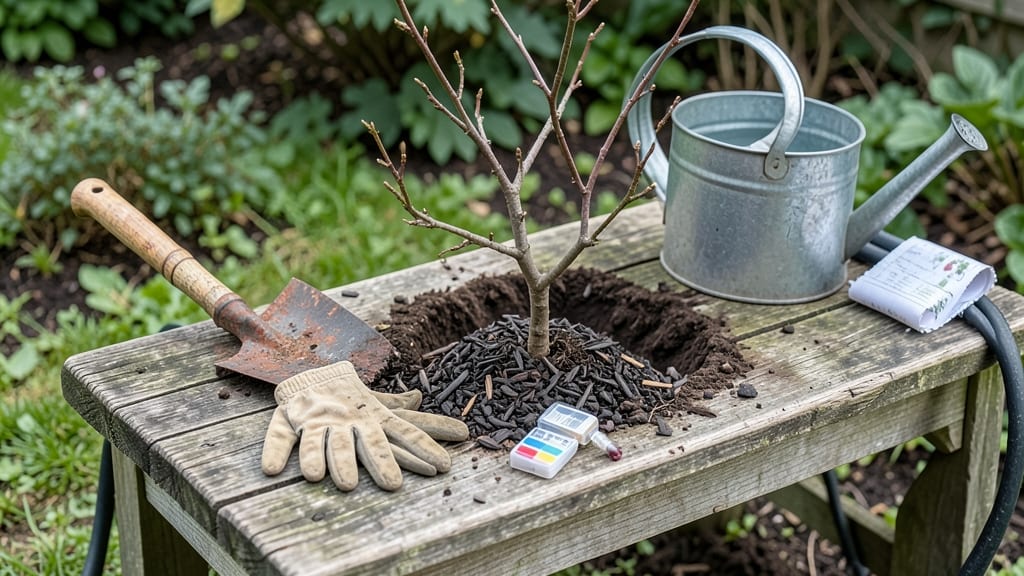
Planting fruit trees in Zone 6 at the right time is the key to avoiding frost damage and ensuring strong root growth 🍎 — aim for early spring or early fall for the best results.
Timing is everything when planting fruit trees in Zone 6—plant too early and risk frost damage, too late and miss the ideal root-establishment window. Get the exact months for each variety to ensure a thriving orchard.
Zone 6 gardeners face a tight window between the last frost around mid-April and summer heat, so choosing the right moment makes all the difference. Whether you're planting bare-root or container-grown trees, knowing the best months can save you from costly mistakes.
In this guide, I’ll break down the exact months to plant different fruit tree varieties, how to adjust for bare-root vs. container-grown trees, and the critical mistakes to avoid for long-term success.
Best planting months for fruit trees in Zone 6 by variety
Planting fruit trees in Zone 6 requires precision—timing can mean the difference between a thriving orchard and a struggling sapling. The last frost date (around mid-April) and soil temperature (ideally 40°F+) dictate the perfect window.
Most varieties prefer early spring or early fall planting, but each has unique needs based on dormancy and root establishment.
For bare-root trees, the dormant season (late winter to early spring) is critical—they establish roots before buds break. Container-grown trees, however, can handle fall planting better due to their established root systems.
Let’s break down the best months for each popular fruit tree variety in Zone 6 to maximize survival and growth.
Here’s a quick reference for the ideal planting months by variety, including dormancy considerations and frost-free timing:
| Variety | Best Planting Month | Key Consideration | Soil Temp Requirement |
|---|---|---|---|
| Apples (e.g., Honeycrisp, Fuji) | March–April (bare-root) or September (container) | Early spring for root growth; fall for established roots | 40–50°F |
| Peaches (e.g., Elberta, Redhaven) | March–April (bare-root) or October (container) | Avoid late spring—peaches bloom early and risk frost damage | 45–55°F |
| Cherries (e.g., Bing, Montmorency) | March–April (bare-root only) | Cherries despise transplant shock; spring planting is safest | 40–45°F |
| Plums (e.g., Santa Rosa, Methley) | March–April or September–October | Fall planting works well for container-grown plums | 40–50°F |
| Pears (e.g., Bartlett, Anjou) | March–April (bare-root) or September (container) | Pears tolerate fall planting better than apples | 40–48°F |
Apples are the most forgiving, thriving when planted in March or April (bare-root) or September (container). Their deep roots benefit from a longer establishment period before Zone 6’s first frost (mid-October). For Honeycrisp or Fuji, aim to plant 4–6 weeks before buds swell—this gives roots time to anchor before spring growth surges.
Peaches demand extra caution due to their early blooming habit. Plant bare-root peaches in March to avoid frost damaging flowers later. If using container-grown trees, opt for October planting—just ensure they’re in the ground 6 weeks before frost. Varieties like Elberta reward patience with juicy, late-summer fruit.
Cherries, especially sweet cherries like Bing, are finicky about transplanting. They must be planted bare-root in early spring (March–April) to minimize shock. Their shallow roots struggle in fall’s moist, cool soil, increasing disease risk. Sour cherries (Montmorency) are slightly more adaptable but still prefer spring.
Plums offer flexibility—plant bare-root in March–April or container-grown in September–October. Their dwarf varieties (Santa Rosa) establish quickly, making them ideal for small gardens. For best results, amend soil with compost and a balanced fertilizer (10-10-10) at planting to support root growth.
Pears, like Bartlett, tolerate fall planting better than apples due to their shallower root systems. Plant container-grown pears in September to let roots harden off before winter. Bare-root pears still prefer March–April, but avoid planting if frost is forecast within 2 weeks.
Pro tip: Check your local frost dates—Zone 6’s average last frost is April 15, but microclimates (like valleys or urban heat islands) can shift this by 1–2 weeks. Use a soil thermometer to confirm 40°F+ soil temps before planting bare-root trees.
For container-grown trees, fall planting (September–October) gives roots time to establish before winter dormancy. Water deeply 1–2 times per week until frost kills top growth, then reduce to monthly in winter. Mulch with 3–4 inches of wood chips to insulate roots and retain moisture.
Remember: Tree size matters. Dwarf varieties (like columnar apples) establish faster than standard trees, so they can handle late spring or early fall planting with less risk. Always match your tree type to your site’s microcl
How to adjust planting timing for bare-root vs. container-grown fruit trees
Choosing the right planting time for fruit trees in Zone 6 depends heavily on whether you're planting bare-root or container-grown trees. Each type has unique root establishment needs and responds differently to soil temperatures and frost risks.
Get the timing wrong, and your tree may struggle to establish before winter or overheat in summer.
Bare-root trees are most vulnerable because their roots aren’t protected by soil or a container. They need to establish roots quickly before spring growth begins. Meanwhile, container-grown trees have a more flexible window since their roots are already partially established.
Let’s break down the key differences to help you maximize survival rates in Zone 6’s unpredictable climate.
Comparison Table: Bare-Root vs. Container-Grown Fruit Trees in Zone 6
| Factor | Bare-Root Trees | Container-Grown Trees |
|---|---|---|
| Best Planting Window | Early spring (March-April) or dormant season (November) | Early spring (April) or early fall (September-October) |
| Soil Temperature Requirement | 40-50°F (4-10°C) | 50-60°F (10-15°C) |
| Root Establishment Time | 4-6 weeks | 6-8 weeks |
| Pre-Planting Soil Prep | Loosen soil 12-18" deep, amend with compost | Loosen soil 12" deep, add organic matter |
| Post-Planting Care | Water deeply 2x/week, mulch heavily | Water 1-2x/week, mulch 3" deep |
| Frost Risk | High (plant before buds swell) | Moderate (established roots tolerate light frost) |
For bare-root trees, prioritize planting in early spring (March-April) when soil temperatures rise above 40°F. This timing aligns with the tree’s natural dormancy cycle, allowing roots to establish before new growth begins.
If you opt for fall planting (November), ensure the ground isn’t frozen and temperatures stay above 32°F to prevent root damage.
Container-grown trees offer more flexibility, making them ideal for early fall planting (September-October) in Zone 6. Their roots are already established, so they can handle cooler soil temperatures better than bare-root trees. However, avoid planting container-grown trees in late summer (August), as the heat stress can stunt root growth.
After planting, focus on soil moisture and mulching to protect roots. Bare-root trees need consistent moisture to encourage root spread, while container-grown trees benefit from a gradual transition to outdoor conditions. Monitor for signs of stress, like wilting or yellowing leaves, and adjust your watering schedule accordingly.
Zone 6’s fluctuating climate means timing is critical—don’t rush planting before the last frost date (typically mid-April) or delay until soil warms. Use these guidelines to give your fruit trees the best start for a productive orchard. 🌱