
Shrubs
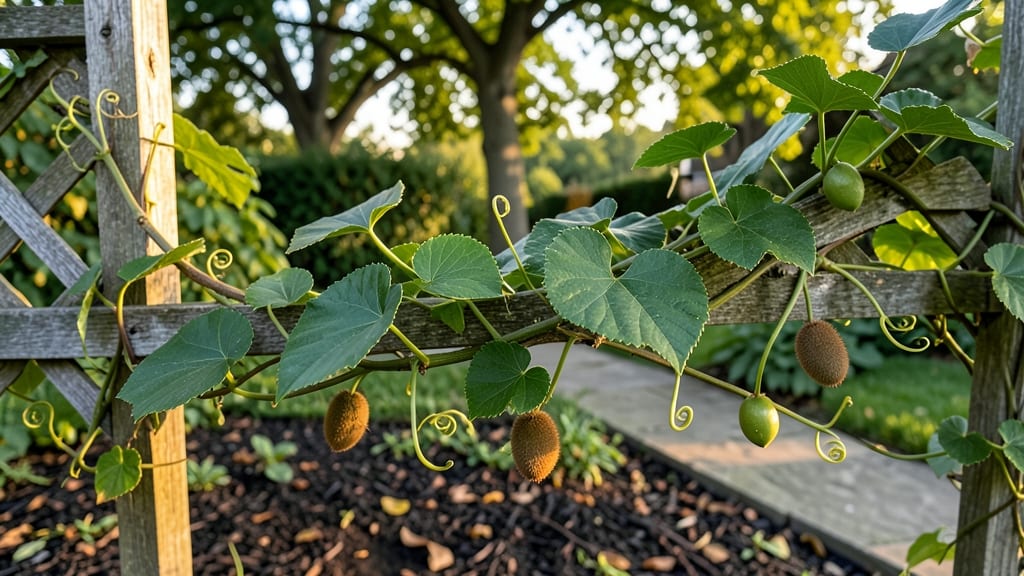
Growing small kiwi fruit in cold climates is easier than you think—especially with Actinidia arguta, the hardy vine that thrives where traditional kiwis would freeze. 🌿 Last winter, my backyard vine survived -20°F temperatures and still produced sweet, golden fruit the size of large grapes.
The secret lies in choosing the right variety and giving it proper support. These compact vines grow aggressively but stay manageable with basic pruning techniques. You’ll need a sturdy trellis or fence for vertical growth, and they’ll reward you with harvests in just 2-3 years—no orchard space required.
The fruit tastes like a cross between banana and strawberry, with a crisp texture that’s perfect for snacking straight off the vine. Start with two plants for cross-pollination (male and female flowers appear on separate vines), and plant them in well-draining soil with afternoon shade in hotter zones.
Winter care is minimal—just protect young plants with mulch until they establish strong roots. Even in small spaces, you can grow these vines in large containers. The biggest mistake? Waiting too long to prune. I learned the hard way that regular summer pruning keeps vines productive and prevents tangled messes.
With the right approach, you’ll have a bountiful harvest without needing a backyard the size of a farm.
📚 In This Guide
- What you need
- Instructions
- Tips and common mistakes
- Wrapping up and next steps
What you need
- ● Small kiwi fruit varieties: Choose cold-hardy types like Actinidia arguta (hardy kiwi) or Actinidia kolomikta (pink kiwi). Purchase 2-3 female plants and 1 male plant (for pollination).
- ● Healthy rootstock or young vines: 1-2 year old plants (4-6 ft tall) for faster fruiting. Look for organic, disease-free stock from reputable nurseries.
- ● Well-draining soil: Mix equal parts garden soil, compost, and perlite (or coconut coir) to improve aeration. Aim for a pH of 6.0–7.0.
- ● Support structure: Trellis or arbor: At least 10–12 ft tall (kiwi vines can grow aggressively!). Use galvanized metal or sturdy wood.
- ● Twine or soft plant ties: 100+ ft (for securing vines as they grow).
- ● Organic fertilizer: Balanced 10-10-10 or compost tea for initial planting. Switch to low-nitrogen, high-potassium (5-10-10) once flowering begins.
- ● Garden tools: Trowel or transplant spade
- ● Pruning shears (bypass type, sterilized)
- ● Gloves (heavy-duty for thorny vines!)
- ● Mulch: 3–4 inches of straw or wood chips to retain moisture and regulate soil temp.
- ○ Drip irrigation or soaker hose: Optional but recommended for consistent watering (especially in dry climates).
- ● Frost cloth or row covers: Lightweight fabric for protecting young plants in late spring/early fall.
- ● Planting window: Early spring (after last frost) or fall (4–6 weeks before first frost) for best root establishment.
- ● Sunlight: Full sun (6–8+ hours/day). Partial shade (4–6 hours) is tolerable in hot climates.
- ● Space: 8–10 ft between plants (or 12+ ft for larger trellises). Vines spread aggressively!
- ● Patience: Small kiwi vines take 2–3 years to bear fruit, but they’re low-maintenance once established.
Step-by-step guide to growing cold-hardy kiwi vines
Here's how I grow hardy kiwi varieties that thrive even in cooler northern climates—no greenhouse needed.
🌱 Step 1: Choose the Right Variety and Location
Cold-hardy kiwi vines like 'Issai' or 'Arctic Kiwi' (Actinidia arguta) produce fruit without male vines and tolerate temperatures down to -15°F. Plant in full sun—at least 6-8 hours daily—against a sturdy fence or trellis. These vines climb aggressively, so secure support early.
Dig a hole twice as wide as the root ball but only as deep as the container it came in. Loosen the roots gently if they're circling—kiwi vines hate compacted soil. The reason we go wide is that their roots spread horizontally to anchor the vigorous growth.
🪴 Step 2: Plant and Establish the Vine
Fill the hole halfway with native soil mixed with 2-3 inches of compost (the exact amount depends on your soil quality). Position the vine so the graft union—if present—stays 2-3 inches above soil level. This prevents root suckering and ensures fruiting.
Backfill with soil, tamp lightly, and water deeply until moisture reaches 12 inches down. You'll see the soil settle—add more if the hole becomes exposed. Mulch with 2-3 inches of wood chips, keeping it 6 inches away from the stem to prevent rot.
☀️ Step 3: Train and Support the Vine
Kiwi vines need strong vertical support—install a 6-8 foot trellis at planting. Use soft plant ties (never wire) to guide the main stem upward. Prune side shoots to 2-3 buds in the first year to encourage a single strong leader.
Watch for new growth spurting from the base—these are suckers. Remove them immediately unless you want a hedge-style vine. In fall, cut back any frost-damaged canes to healthy wood, leaving 2-3 buds above the cut. This ensures a strong regrowth in spring.
💧 Step 4: Water and Fertilize for Fruit Production
Water deeply once a week during the first growing season, aiming for 1-1.5 inches of moisture. Let the top 2-3 inches of soil dry between waterings—kiwi vines hate soggy roots but need consistent moisture for fruit set.
Feed with a balanced 10-10-10 fertilizer in early spring, then switch to a low-nitrogen, high-phosphorus formula (like 5-10-10) when flowers appear. Too much nitrogen delays fruiting. You'll see small green fruits by mid-summer—leave them on the vine until they turn golden.
✂️ Step 5: Prune for Maximum Yield
Prune in late winter (before buds swell) to remove dead, crossing, or weak canes. Keep 2-4 of the strongest canes per vine, cutting back to 4-5 buds from the base. This ensures energy goes to fruit production, not excessive foliage.
Thin fruit clusters to 3-4 kiwis per stem when they're golf-ball sized. Overcrowded fruit stays small and underdeveloped. Harvest when the skin turns golden and slightly soft—usually late August to October in northern zones.
Tips & tricks for growing hardy kiwi vines
These simple but game-changing strategies will help your cold-hardy kiwi vines thrive year after year.
Site Selection: Real talk: I've planted kiwi vines in spots that seemed fine but ended up being too shady. These vines need that 6-8 hours of direct sun daily—think south-facing walls or fences. If your yard has limited sun, consider a trellis against a sunny wall instead of planting in partial shade. The -15°F cold tolerance won't help if the vine isn't getting enough sunlight to ripen fruit properly.
Root Preparation: Here's what nobody tells you—those circling roots in container-grown vines are a ticking time bomb. I learned this the hard way after watching a vine struggle for years. Before planting, gently tease apart any circling roots with your fingers. This encourages outward root growth, which anchors the vine better and prevents girdling as it matures. The wider hole we dig (twice as wide as the root ball) gives those roots room to spread horizontally.
Winter Protection: The -15°F rating is impressive, but young vines still need help in harsh winters. After your first fall pruning, mound an extra 6-8 inches of wood chips around the base of the vine. This acts like a blanket, protecting the roots from extreme cold. I've also wrapped young canes in burlap or frost cloth for the first few winters—it's worth the effort to establish healthy growth.
Fertilizer Timing: Too much nitrogen is the silent enemy of fruiting kiwi vines. That's why we switch from 10-10-10 to 5-10-10 when flowers appear. The key is watching for those first blossoms—when you see them, make the switch immediately. I've seen vines with lush foliage but no fruit because they were over-fertilized with nitrogen all season. The phosphorus boost helps fruit development without promoting excessive leaf growth.
Pro Tips for Small Kiwi Fruit
- These simple but game-changing strategies will help your cold-hardy kiwi vines thrive year after year.
- Site Selection: Real talk: I've planted kiwi vines in spots that seemed fine but ended up being too shady.
- Root Preparation: Here's what nobody tells you—those circling roots in container-grown vines are a ticking time bomb.
Frequently asked questions
Can small kiwi fruit vines thrive in cold northern climates?
Cold-hardy varieties like Actinidia arguta (hardy kiwi) or Actinidia kolomikta can survive temperatures as low as -25°F (-32°C). These compact vines are bred to handle frost, making them perfect for northern gardens. Just ensure they’re planted in well-drained soil and receive full sun for best results.
How long does it take for small kiwi vines to bear fruit?
Patience is key! Most small kiwi vines take 2–3 years to establish and begin producing fruit, though some may take up to 5 years, depending on climate and care. Female and male vines must be planted nearby for pollination—check seed packets or plant labels for gender specifics.
What’s the best way to protect small kiwi plants from late spring frosts?
Late frosts can damage blossoms, but don’t worry—use frost cloths or row covers to shield flowers during cold snaps. You can also prune back early blooms if frost is forecasted, allowing the plant to refocus energy on new growth. Mulching with straw or leaves also helps insulate roots.
Are small kiwi fruits as nutritious as their larger counterparts?
Yes! Small kiwi varieties pack the same vitamin C, fiber, and antioxidants as larger kiwis, just in a more convenient size. Their higher skin-to-flesh ratio means you get extra nutrients per bite. Plus, their sweeter, tangier flavor makes them a fun snack for kids and adults alike!
What should I do if my small kiwi vine isn’t producing fruit?
Check these common issues:
- Lack of pollination: Ensure a male vine is within 15–20 feet of females.
- Improper pruning: Over-pruning can reduce fruit set—trim in late winter for airflow.
- Nutrient deficiency: Feed with a balanced fertilizer in early spring.
- Young age: Vines under 3 years old may not fruit yet.
Wrapping up and next steps
Growing small kiwi fruit in northern climates is not only possible—it’s rewarding! 🌱 With the right cold-hardy varieties like Issai or Arctic Kiwi, you can enjoy sweet, tangy fruits even in chilly zones. Start small, stay patient, and soon you’ll be harvesting your own homegrown kiwis.
Ready to take the next step? Pick a variety, gather your supplies, and plant with confidence. Your future self (and taste buds!) will thank you.