
Pruning
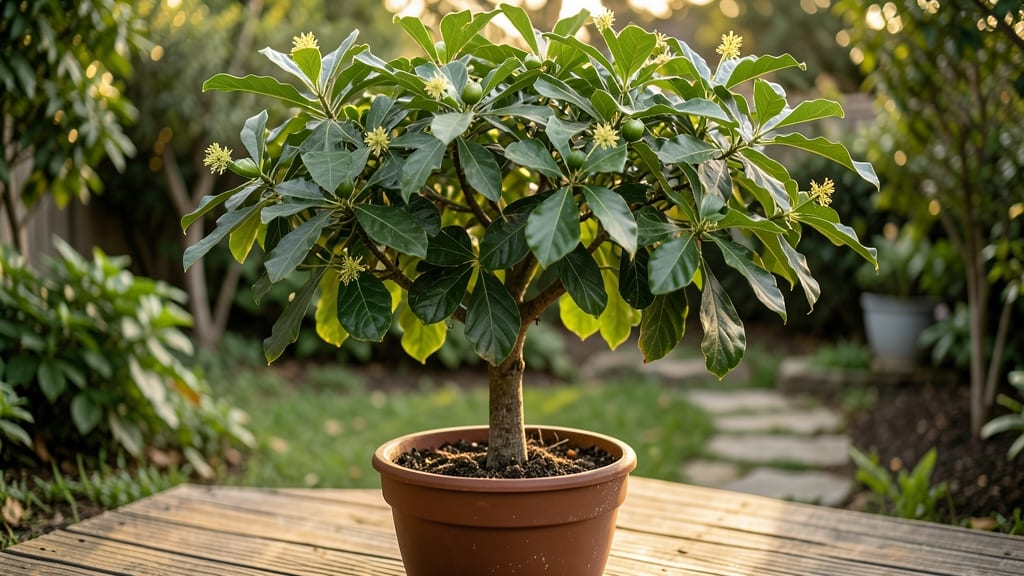
Growing a small jackfruit tree starts with the right pruning—it’s the secret to keeping that tropical giant under control. 🌿 I’ve wrestled with overgrown branches before, and the difference between a manageable bush and a jungle canopy comes down to timing, technique, and a little patience.
The key isn’t just cutting back; it’s shaping the tree to grow upward and outward while keeping the base clear for airflow and sunlight. The best part? You can prune year-round with the right approach—just avoid heavy cuts during flowering or fruiting seasons.
Start with clean cuts just above a leaf node, and always use sterilized tools to prevent disease. For container-grown trees, pruning becomes even more critical, as root-bound stress makes them more sensitive to aggressive trimming.
Think of it like giving your tree a haircut—regular maintenance keeps it looking sharp and productive. By the end, you’ll have a tree that stays under 10 feet tall (or whatever height works for your space) while still producing those sweet, fragrant jackfruits.
The branches will be sturdy, the canopy dense but manageable, and you’ll avoid the heartbreak of a tree that outgrows its home. Even in small yards or large pots, this method works—once you master the rhythm of growth and pruning.
Here’s the thing about jackfruit trees: they want to be pruned. They reward careful shaping with faster recovery, thicker trunks, and more abundant fruit. The first year is about establishing structure; after that, it’s about refinement.
And yes, I’ve killed a few branches along the way—learned that the hard way when I got overzealous. But the payoff? A tree that fits your space and your life.
📚 In This Guide
- What you need
- Instructions
- Tips and common mistakes
- Wrapping up and next steps
What you need
- ● Pruning shears: Bypass pruners (sharp, 6-8 inch blades) for clean cuts on small branches.
- ● Loppers: 1 pair (for thicker branches up to 2 inches in diameter).
- ● Hand saw: Pruning saw with a fine-tooth blade (for stubborn, larger branches).
- ● Disinfectant: 70% isopropyl alcohol or a 10% bleach solution (to sterilize tools between cuts).
- ○ Pruning sealant: Optional but helpful for sealing larger cuts (e.g., Tanglefoot Tree Wound Pruning Seal).
- ● Gloves: Heavy-duty gardening gloves (jackfruit thorns are no joke!).
- ● 5-gallon bucket: For collecting clippings (or a compost bin if you’re eco-friendly!).
- ● Extension pole: For reaching higher branches safely.
- ● Labeling tags: Small stakes to mark branches you plan to prune later.
- ● Tree growth regulator: Like Paclobutrazol (follow label instructions for compact growth).
- ● Mulch: Organic mulch (e.g., wood chips) to retain moisture and protect roots.
- ● Watering can or hose: With a gentle spray nozzle for post-pruning hydration.
- ● Knowledge of your tree’s growth stage (seedling, juvenile, or mature).
- ● Access to a well-draining soil mix (jackfruit prefers slightly acidic to neutral pH, 5.5–7.0).
- ● Sunlight: 6+ hours of direct sun daily (compact trees still need light!).
- ● Patience! Jackfruit trees grow slowly—pruning is a long-term commitment.
Step-by-Step guide to pruning a small jackfruit tree for year-round growth
Here’s how I keep my compact jackfruit thriving with strategic trimming—no overgrowth, just lush productivity.
✂️ Step 1: Assess the Tree’s Structure and Growth Habits
Start by examining your jackfruit’s branching pattern and growth direction. Look for suckers (vigorous shoots at the base) and crossing branches—these compete for energy and create weak points. I always prune in early spring (just before new growth bursts) or late fall (after harvest) when the tree isn’t actively fruiting. Use sharp, sterilized pruners to avoid tearing bark.
Focus on three main areas: the central leader (main vertical stem), scaffold branches (primary limbs), and water sprouts (fast-growing vertical shoots). Jackfruits respond well to open-center pruning, so aim to create a rounded canopy with sunlight reaching the center. If you see dead or diseased branches, remove them immediately—they drain the tree’s resources.
🌿 Step 2: Thin Out Crowded Branches for Airflow
Remove 20-30% of the tree’s foliage in one session to improve airflow and sunlight penetration. Start with thin, weak branches—these are often pale green and grow straight up without lateral buds. Cut them back to a bud or lateral branch at a 45-degree angle just above an outward-facing bud to encourage outward growth.
For scaffold branches, prune back any that grow too close together or cross over others. Jackfruits produce fruit on new wood, so avoid heavy pruning of fruit-bearing branches unless they’re clearly unproductive. If a branch is too long, shorten it by one-third to stimulate bushier growth. Always make cuts just above a leaf node—this is where new shoots will emerge.
☀️ Step 3: Shape the Canopy for Compact Growth
Use selective pruning to train the jackfruit into a manageable shape. For a small tree, aim for a rounded or vase-like form with 3-5 main scaffold branches spaced evenly. Remove any suckers at the base—they divert energy away from fruit production. If a branch grows too low, prune it back to encourage upward growth on higher limbs.
Pay attention to fruit clusters—if they’re too dense, thin them out to 3-4 fruits per cluster to improve size and quality. Jackfruits are heavy, so support branches with soft ties if needed, especially in wet or windy climates. After pruning, sanitize your tools with rubbing alcohol to prevent disease spread.
⏰ Step 4: Maintain Year-Round with Light Trims
After the initial pruning, perform light maintenance trims every 4-6 weeks to remove dead leaves, spent flowers, and aggressive new shoots. This keeps the tree compact and productive without shocking it. In summer, watch for water sprouts—these fast-growing shoots steal energy from fruit development, so prune them back immediately.
In fall, do a light cleanup to remove any diseased or pest-infested branches. Jackfruits are sensitive to cold drafts, so avoid heavy pruning in winter unless absolutely necessary. Instead, focus on removing dead wood and shaping for spring growth. A well-maintained jackfruit will reward you with larger fruit and denser foliage within 6-12 months.
🪴 Step 5: Fertilize and Water for Recovery
After pruning, water deeply to help the tree recover—1-2 gallons per foot of trunk diameter is ideal. Follow up with a balanced fertilizer (10-10-10 or organic compost) to support new growth. Jackfruits are heavy feeders, so monthly applications during the growing season keep them thriving.
Mulch around the base with 2-3 inches of organic mulch to retain moisture and regulate soil temperature. Avoid piling mulch against the trunk—keep it 2-3 inches away to prevent rot. With consistent care, your jackfruit will stay compact, productive, and healthy for years.
Tips & tricks for perfect small jackfruit tree pruning
A few strategic adjustments can transform your jackfruit from chaotic to controlled. Here's how I've refined my approach over years of trial and error.
Timing is Everything: The early spring and late fall windows mentioned in Step 1 are non-negotiable for tropical fruit trees like jackfruit. I've learned this the hard way—pruning during active growth periods stresses the tree and invites pests. For subtropical climates, add a third pruning in early summer to manage water sprouts before they drain energy from fruit development. The key is always to prune when the tree is dormant or semi-dormant, which varies by your specific climate zone.
Pruning Angle Precision: That 45-degree angle in Step 2 isn't just aesthetic—it's crucial for directing growth. I use a small protractor on my pruners to ensure consistency. Cutting just above an outward-facing bud creates the perfect growth angle. For larger branches, make the cut at the branch collar where it meets the trunk to prevent infection. I've seen too many pruning wounds heal poorly because people cut too close to the trunk or at awkward angles.
Fruit Cluster Management: The instruction to thin to 3-4 fruits per cluster in Step 3 is where many growers fall short. I recommend using a permanent marker to circle your best fruit candidates immediately after flowering. This prevents overcrowding and ensures each fruit gets maximum nutrients. Remove any fruit that appears deformed or diseased within 2 weeks of flowering—this gives the remaining fruits the best chance to develop properly.
Tool Sanitation Strategy: The rubbing alcohol recommendation in Step 3 is excellent, but I take it further. I maintain a dedicated pruning kit with separate tools for healthy wood and infected wood. After each cut, I wipe blades with a 10% bleach solution (1 part bleach to 9 parts water) followed by the rubbing alcohol. This prevents cross-contamination between branches. I've seen fungal infections spread rapidly when tools aren't properly sanitized between cuts.
Pro Tips for Small Jackfruit Tree
- A few strategic adjustments can transform your jackfruit from chaotic to controlled.
- Timing is Everything: The early spring and late fall windows mentioned in Step 1 are non-negotiable for tropical fruit trees like jackfruit.
- Pruning Angle Precision: That 45-degree angle in Step 2 isn't just aesthetic—it's crucial for directing growth.
Frequently asked questions
Got questions about keeping your small jackfruit tree pruned and thriving? You’re not alone! Here are answers to the most common concerns—from timing to troubleshooting—so you can master year-round growth without the guesswork.
When is the best time to prune a small jackfruit tree?
Prune your jackfruit tree twice a year: late winter/early spring (before new growth) and summer (after flowering). Avoid heavy pruning in fall—it can stimulate tender growth vulnerable to cold. Light trimming to shape or remove dead branches is fine year-round.
How much can I trim without harming the tree?
For a small jackfruit tree, never remove more than 20-30% of the canopy in one session. Focus on thinning out dense branches (cut back to the nearest bud or branch collar) rather than topping. Jackfruit trees respond well to gradual shaping—think "less is more" to avoid stress.
Why are my jackfruit tree’s leaves turning yellow after pruning?
Yellowing leaves post-pruning are usually normal if only a few appear—the tree is adjusting. But if many leaves yellow or drop, you may have over-pruned or stressed the tree. Solution: Reduce future cuts, water deeply, and fertilize with a balanced citrus/palm mix to support recovery.
Can I grow jackfruit in a container with pruning?
Yes! A small jackfruit tree thrives in containers (15+ gallon pots) if pruned regularly to control size. Use dwarfing rootstock for better compact growth. Prune aggressively in spring to encourage bushier growth, and repot every 2–3 years. Just ensure it gets full sun (6+ hours/day).
Will pruning increase my jackfruit harvest?
Pruning a small jackfruit tree boosts fruit production by improving airflow (reducing disease) and directing energy to larger, healthier fruit. Focus on removing water sprouts (shoots growing straight up) and thinning crowded branches. Pro tip: Prune to keep the tree’s canopy open—this lets sunlight reach inner branches where fruit forms.
What’s the fastest way to revive a leggy or overgrown jackfruit tree?
For a leggy or overgrown jackfruit, drastic pruning in stages is key. Step 1: Cut back 1/3 of the tallest branches to just above a leaf node. Step 2: Thin out crossing or dead branches to open the canopy. Step 3: Fertilize with high-potassium (like 10-10-10) to encourage new growth. Repeat annually for a fuller shape.
Wrapping up and next steps
Growing a small jackfruit tree with a compact canopy is totally doable—just remember to prune strategically, balance sunlight, and stay consistent! Whether you’re trimming for shape, fruit production, or space-saving, the key is patience and precision.
Now that you’ve got the know-how, roll up your sleeves and give your tree the care it deserves—your future harvest (and lush greenery!) will thank you.
🌱 Next step: Pick a calm day, grab your tools, and start pruning with confidence! Review the materials checklist one last time if needed, then dive in—your jackfruit tree’s growth journey starts now.