
Fertilization
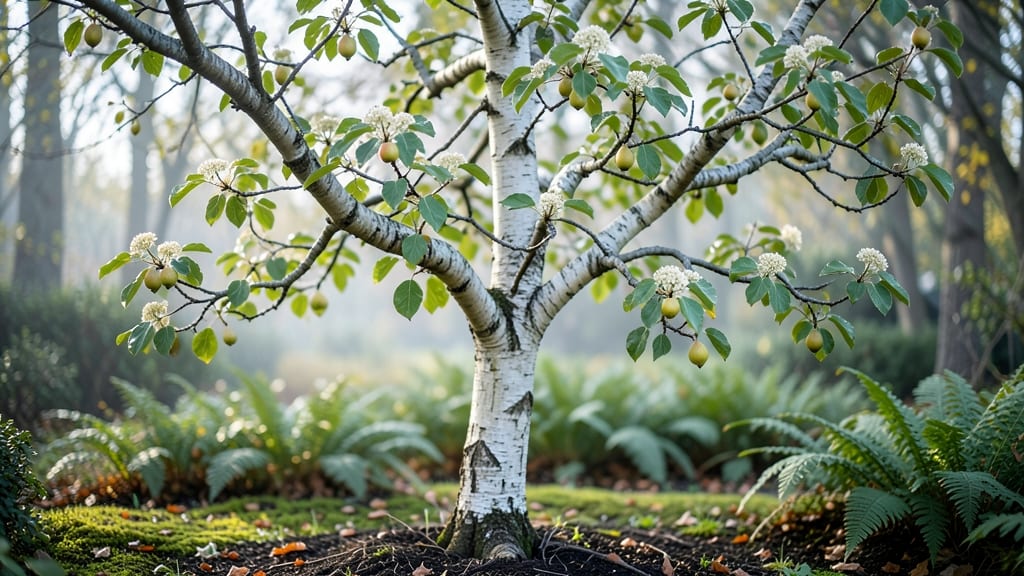
Pyrus nivalis fruit, also called the snow pear or winter pear, is a small, hardy wild fruit from the pear family with a tart, astringent flavor and unique winter hardiness, differing from cultivated pears in taste, size, and growing conditions.
This wild pear thrives in colder climates where most fruit trees struggle, making it a fascinating choice for gardeners in USDA Zones 3-7. 🌱 Unlike grocery-store pears, which are bred for sweetness and uniformity, Pyrus nivalis delivers a bold, almost citrus-like tang that pairs beautifully with spicy dishes or fermented foods.
Its tiny fruits—often no bigger than a golf ball—are packed with antioxidants and historically used in traditional medicine for their digestive benefits.
What sets this fruit apart isn't just its resilience but its growth habits. The tree produces abundant fruit even in poor soil, and its late-season harvest (often into winter) provides a rare treat when most orchards have gone dormant.
Foraging enthusiasts and permaculture practitioners especially value its low-maintenance nature and ability to naturalize in wooded areas.
💡 In This Article
- Botanical and Culinary Differences Between Pyrus Nivalis and Cultivated Pears
- Growing and Harvesting Pyrus Nivalis in Home Gardens
Botanical and culinary differences between Pyrus nivalis and cultivated pears
Pyrus nivalis, or snow pear, belongs to a different botanical lineage than the common pear (Pyrus communis) you'd find in grocery stores.
While cultivated pears are selectively bred for sweetness and large size, Pyrus nivalis remains true to its wild origins—small fruits (1-2 inches in diameter) with a tart, almost citrusy flavor that's far more complex than the mild sweetness of commercial varieties.
The key difference lies in their genetic adaptations: Pyrus nivalis thrives in USDA Zones 3-7, where it can withstand temperatures down to -40°F, while most cultivated pears struggle below 10°F. 🌟
The fruit's unique flavor profile comes from its high levels of malic acid (similar to green apples) and low sugar content, creating that signature astringency. When ripe, Pyrus nivalis develops a soft, almost jelly-like texture inside—nothing like the firm, crisp flesh of a Bosc or Anjou pear.
Interestingly, the fruits often ripen after the first frost, a survival adaptation that protects them from early-season pests and animals. This delayed ripening also means the flavor intensifies over winter, developing deeper notes that cultivated pears simply can't match.
Culinarily, Pyrus nivalis shines in ways commercial pears can't. Its tartness makes it perfect for sauces, jams, or fermented drinks where acidity is desirable. I've used it to create a spiced winter chutney that pairs beautifully with game meats—something impossible with sweet pears.
The small size also means more surface area relative to volume, which enhances flavor concentration. Unlike cultivated pears that require careful handling to avoid bruising, Pyrus nivalis can be stored for months without spoiling, making it an excellent candidate for long-term food preservation.
Another striking difference is in their growth habits. Pyrus nivalis trees grow wild in dense thickets, often reaching 15-20 feet tall but remaining narrow due to their branching structure. This makes them ideal for small gardens where space is limited.
The flowers appear in early spring, long before the leaves, creating a stunning visual contrast that cultivated pear trees typically lack. While commercial pears are grafted for uniformity, Pyrus nivalis reproduces naturally through seeds, ensuring genetic diversity that strengthens the species' resilience against diseases.
For those interested in traditional uses, Pyrus nivalis has a long history in folk medicine. The fruits were historically used to treat digestive issues due to their high pectin content and natural enzymes. The bark and leaves were even brewed into teas for their anti-inflammatory properties.
This multifunctional nature contrasts sharply with cultivated pears, which are primarily valued for their sweetness and convenience. The tree's ability to naturalize also makes it an excellent candidate for ecological restoration projects in cold climates.
If you're comparing the two for cooking, consider this: while cultivated pears work best in desserts where sweetness is key, Pyrus nivalis excels in savory applications where acidity and complexity are desired.
The trade-off? You'll need to adjust recipes to account for the fruit's smaller size and different texture—think of it as working with a wild, robust ingredient rather than a domesticated one. 💫
The real magic happens when you taste both side by side. The first bite of Pyrus nivalis delivers that initial tart punch followed by a subtle sweetness that lingers—something commercial pears simply can't replicate.
It's this balance of wild resilience and culinary versatility that makes Pyrus nivalis such a fascinating subject for both botanists and home cooks alike.