
Aphids
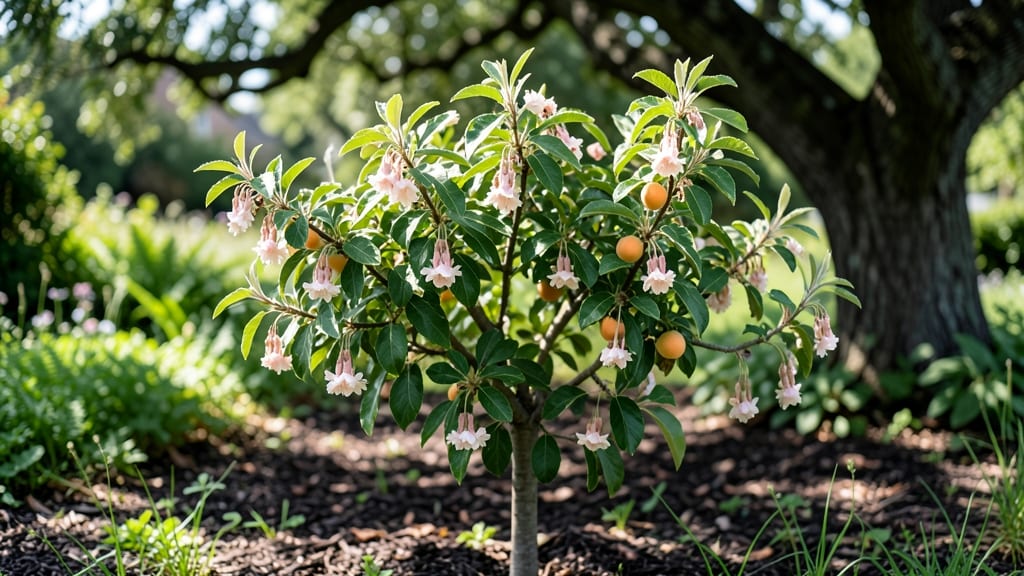
Growing a peach plum hybrid tree is like unlocking a secret garden treasure—sweet, fragrant fruit that ripens earlier and lasts longer than either parent plant. 🌱 I’ve watched my Prunus simonii hybrid burst into bloom in early spring, its delicate pink flowers filling the air with a scent that lingers for weeks.
These crossbreeds thrive where traditional fruit trees struggle, offering a bounty even in cooler climates or small spaces.
The key to success starts with the right spot: full sun, well-draining soil, and protection from harsh winds. Plant in early spring when the soil warms to 60°F, and choose a sapling with strong roots—avoid weak nursery stock that’ll fight you from day one.
Water deeply once a week (more in summer), but never let the roots sit in soggy soil. Mulch around the base to keep moisture steady and weeds at bay.
By year three, you’ll be harvesting fruit that tastes like summer all year long—juicy, aromatic, and packed with flavor. The trees are also surprisingly pest-resistant, though Japanese beetles might still take a bite.
Prune in late winter to shape the tree and encourage strong growth, and watch as your harvest stretches from late summer into fall.
Perfect for home gardeners who want low-maintenance fruit trees with high rewards. The secret? Patience and the right growing conditions. Once established, these hybrids reward you with fruit that’s sweeter than store-bought and far more satisfying to grow.
📚 In This Guide
- What you need
- Instructions
- Tips and common mistakes
- Wrapping up and next steps
What you need
- ● Peach Plum Hybrid Seedlings or Grafted Trees: 2–4 plants (choose disease-resistant varieties like ‘Flavor Grenade’ or ‘Meteor’ for best results).
- ● Potting Soil: 10–20 lbs of high-quality, well-draining potting mix (look for organic blends with perlite or vermiculite).
- ● Fertilizer: Balanced 10-10-10 fertilizer (1 lb) for early growth.
- ● Citrus/fruit-specific fertilizer (e.g., Espoma Garden-Tone, 2 lbs) for flowering/fruiting stages.
- ● Organic Mulch: 5–10 lbs of shredded bark or straw to retain moisture and suppress weeds.
- ● Garden Tools: Trowel (for planting)
- ● Pruning shears (sterilized, for shaping)
- ● Watering can or hose with adjustable nozzle
- ○ Containers (Optional): 5–7 gallon pots with drainage holes (if growing in containers).
- ● Pest Control: Neem oil (16 oz) or insecticidal soap (for aphid prevention).
- ● Sunny location with 6–8 hours of direct sunlight daily (or a grow light for indoor setups).
- ● Climate zone 5–9 (or a greenhouse for cooler regions).
- ● Well-draining soil with a pH of 6.0–7.0 (test kits available at garden centers).
Step-by-step instructions for growing peach plum hybrid fruit
Here's how to cultivate these delicious hybrids with reliable techniques.
🌱 Step 1: Select and Prepare the Rootstock
Peach plum hybrids thrive when grafted onto compatible rootstock like Myrobalan or Lovell—these provide disease resistance and adaptability. Choose 1-year-old rootstock with 3/8-inch diameter stems and at least 4-5 buds. I always inspect for any signs of disease or damage before planting, as weak rootstock leads to poor graft success.
Trim the rootstock to 24-30 inches tall, leaving 4-6 buds above the soil line. This height gives you room to work while encouraging strong root development. Soak the roots in lukewarm water for 1-2 hours before grafting to ensure they're hydrated and ready for the process.
🌿 Step 2: Graft the Hybrid Scion Wood
Select scion wood from a healthy, disease-free peach plum hybrid tree. The best wood comes from 1/8- to 1/4-inch diameter branches with 3-5 buds. Cut the scion at a 45-degree angle, ensuring the cut includes at least 2 buds—this gives you a better chance of success.
Make a matching 45-degree cut on the rootstock, about 2-3 inches above the soil line. Align the cambium layers (the green layer just under the bark) of the scion and rootstock, then secure them tightly with grafting tape or rubber bands. Wrap the entire graft with grafting wax to seal in moisture and prevent drying.
☀️ Step 3: Plant and Provide Optimal Care
Plant the grafted tree in well-draining soil with a pH between 6.0 and 7.0. Dig a hole twice as wide as the root ball but no deeper, and mix in compost or well-rotted manure to enrich the soil. Position the graft union 2-3 inches above the soil line—this prevents it from being buried and ensures proper healing.
Water deeply after planting to settle the soil, then maintain 1-2 inches of water per week, adjusting for rain. Mulch around the base with 2-3 inches of organic mulch to retain moisture and suppress weeds. Place the tree in full sun (6-8 hours daily), as peach plums need ample light to produce fruit.
⏰ Step 4: Monitor Growth and Prune for Success
Watch for new growth from the scion in 4-6 weeks. Once the grafted bud breaks and new leaves appear, remove any competing shoots from the rootstock below the graft union. Prune these shoots immediately to redirect the tree's energy into the hybrid scion.
In the first year, focus on establishing strong roots and branches. Prune to open the center of the tree, allowing light and air to reach all parts. Avoid heavy pruning in the early years—this can stress the tree and reduce fruit production. By the second year, you should see fruit buds forming, signaling the tree is ready for regular harvests.
🍑 Step 5: Harvest and Maintain for Year-Round Fruit
Peach plum hybrids typically bear fruit in 2-3 years, with harvest season extending from late summer to early fall. Pick fruit when it's fully colored and slightly soft to the touch—this ensures the best flavor and texture. I always harvest in the morning when temperatures are cooler to preserve freshness.
After harvest, thin out excess fruit on mature trees to improve size and quality. Apply a balanced fertilizer (10-10-10) in early spring to support new growth. Protect young trees from late frosts, as peach plum hybrids are sensitive to cold damage. With proper care, your hybrid tree will produce fruit reliably for decades.
Tips & tricks for perfect peach plum hybrid fruit
Here's what I've learned after years of growing these unique hybrids—tricks that'll make all the difference in your success.
Rootstock Selection: When choosing your Myrobalan or Lovell rootstock, look for stems that are straight and free of knots. I've found that rootstock with slightly tapered ends often establishes roots more quickly. The 3/8-inch diameter is ideal because it's sturdy enough for grafting but still flexible enough to handle without breaking. If you're unsure about the rootstock quality, soak it for the full 1-2 hours before grafting—this gives you a better chance to spot any hidden issues like soft spots or rot.
Grafting Precision: The 45-degree angle cuts are critical, but don't worry if your first few aren't perfect. What matters most is that you expose the cambium layer—the green layer just under the bark—on both the scion and rootstock. I always make my cuts with a sharp grafting knife and keep the blade clean between cuts to prevent contamination. After aligning, press the cambium layers together firmly before wrapping with grafting tape. The wax seal is your best defense against drying out during the crucial first weeks.
Soil Preparation: That 6.0-7.0 pH range is non-negotiable for peach plums, but don't stress if your soil isn't perfect yet. You can adjust the pH by adding lime to raise it or sulfur to lower it before planting. I've had great success mixing in composted manure at planting time—it provides immediate nutrients while improving soil structure. For the 2-3 inches of mulch, I recommend using wood chips or straw rather than fresh grass clippings, which can mat down and prevent water penetration.
Growth Monitoring: Those 4-6 weeks until new scion growth appears can feel like forever, but patience pays off. I've learned to check for growth by gently tugging on the grafting tape—if it resists slightly, that's a good sign roots are forming. When you do see new shoots, remove competing rootstock growth immediately. I keep a small pruning shears handy and make clean cuts just above a bud or branch collar to prevent disease entry points. This redirection of energy is what gives you that strong, productive hybrid tree.
Pro Tips for Peach Plum Hybrid Fruit
- Here's what I've learned after years of growing these unique hybrids—tricks that'll make all the difference in your s...
- Rootstock Selection: When choosing your Myrobalan or Lovell rootstock, look for stems that are straight and free of k...
- Grafting Precision: The 45-degree angle cuts are critical, but don't worry if your first few aren't perfect. What mat...
Frequently asked questions
Got questions about peach plum hybrids? You’re not alone!
Here are the most common queries—plus expert answers—to help you grow (and enjoy!) this delicious crossbreed like a pro.
What’s the easiest way to grow a peach plum hybrid at home?
Start with a grafted tree or rootstock from a nursery—these hybrids are tricky to grow from seed due to their complex genetics. Choose a cold-hardy variety (like ‘Mirabelle de Nancy’ or ‘Stanley’) and plant in well-draining soil with full sun. Pro tip: Mulch heavily in winter to protect roots—these trees hate frost damage!
How do I tell if my peach plum hybrid is ripe?
Look for three key signs:
- Color: Deepen to a golden-yellow or reddish hue (varies by variety).
- Scent: A sweet, floral aroma near the stem (like a peach + plum mashup!).
- Ggentle give: Slightly soft when pressed—not mushy!
Harvest in stages for peak flavor!
Why are my peach plum leaves curling, and how do I fix it?
Curling leaves usually mean aphids or spider mites (common pests for hybrids). Spray with neem oil or insecticidal soap, and introduce ladybugs for natural control. Prevent future issues by pruning for airflow and avoiding over-fertilizing with nitrogen.
Can I grow peach plums in containers, and how big should the pot be?
Yes! Use a 15-20 gallon pot with drainage holes and a mix of potting soil + compost. Dwarf varieties (like ‘Bonanza’) thrive in containers, but expect smaller yields. Move pots indoors or to a garage during winter if temps drop below 20°F.
What’s the best way to store peach plums to last longer?
Store unripe hybrids at room temp to ripen, then refrigerate for up to 2 weeks. For longer storage, freeze whole (washed + dried) or as purées. Avoid washing until ready to eat—moisture speeds rot!
Wrapping up and next steps
The peach plum hybrid fruit is a game-changer for gardeners and fruit enthusiasts alike—combining the best of both worlds with its sweet-tart flavor, disease resistance, and adaptability. Whether you're a beginner or a seasoned grower, experimenting with this crossbreed can unlock a year-round bounty of delicious, homegrown fruit. 🌱
Ready to take the next step? Start small—try grafting a few hybrid branches onto your existing trees or explore local nurseries for young saplings. Your garden (and taste buds) will thank you!