
Diseases
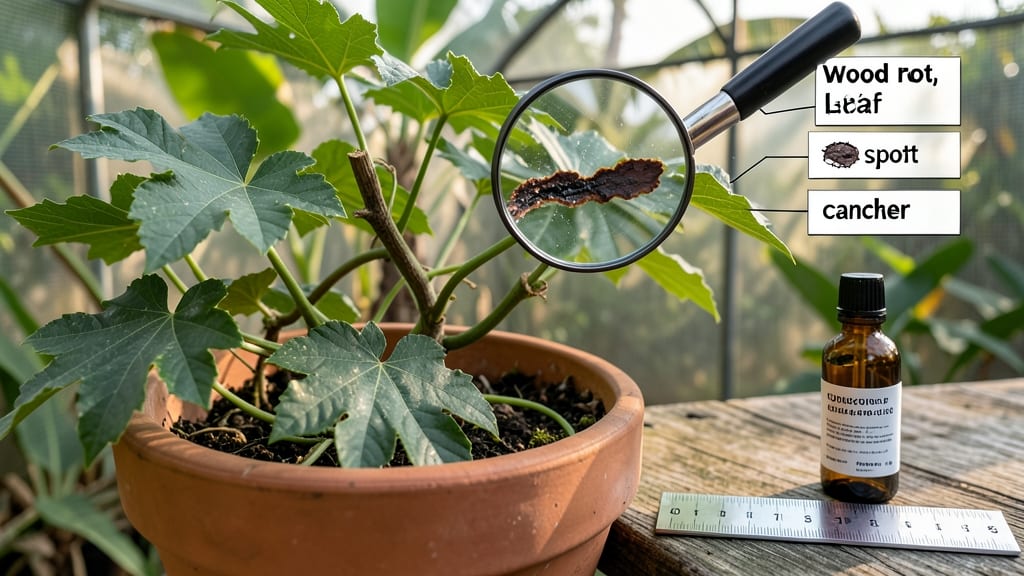
Your passion fruit vines might be hiding a silent killer in their stems. 🌿 Woodiness disease, anthracnose, and fungal infections can turn thriving vines into brittle, fruitless shadows—but I’ve learned how to spot them early and stop the spread before it’s too late.
The first clue is usually a stem that feels hollow or oozes dark sap when you cut it open. Leaves yellow suddenly, then drop, while new growth stunts or dies back.
These aren’t just random problems—they’re signs your vines are under siege, and the longer you wait, the harder they’ll be to save. With the right organic treatments and preventive care, you can nurse your vines back to healthy vigor.
Copper sprays, neem oil, and pruning infected stems early are your best tools, and I’ll walk you through exactly when and how to use them for maximum impact. This works for both backyard growers and small-scale farmers.
Let’s get those vines back in fighting shape before the next harvest season arrives.
Root Causes of Vine Weakness
Understanding why passion fruit stems fall prey to diseases starts with examining the environmental, biological, and agricultural factors that create the perfect storm for pathogens. Let’s break down the key culprits behind these stubborn vine issues—so you can tackle them head-on.
Fungal, bacterial, and viral pathogens are the primary instigators of passion fruit stem diseases. Here’s how they exploit weaknesses in your vines:
- Fungal Foes (e.g., Fusarium, Phytophthora, Colletotrichum) - Moisture Love: Fungi thrive in high humidity (80%+) and waterlogged soil, where spores germinate and infect wounds or natural openings (like leaf scars). Phytophthora (a water mold) spreads rapidly in poorly drained fields, while Fusarium invades through root damage or pruning cuts. - Temperature Sweet Spot: Most fungal pathogens peak at 77–86°F (25–30°C)—ideal for tropical passion fruit growing regions.
Cool nights followed by warm days create a dew-heavy environment, extending infection windows. - Weak Entry Points: Overcrowded vines with poor air circulation trap moisture, giving fungi easy access. Even minor injuries (e.g., from thorns, hail, or rough handling) become gateways.
- Bacterial Bullies (e.g., Xanthomonas, Pseudomonas) - Rain Splash: Bacteria hitch rides on rainwater droplets, splashing from infected leaves or soil onto stems. Xanthomonas causes bacterial blight, which oozes yellowish pus from stem lesions. - Wound Opportunists: Pruning tools, contaminated irrigation water, or insect damage (like fruit borers) create open wounds that bacteria exploit.
Unlike fungi, bacteria don’t need soil—they spread via contaminated hands, tools, or even wind. - Stress + Bacteria = Disaster: Vines under nutrient deficiency (low potassium/magnesium) or water stress are far more susceptible to bacterial infections.
- Viruses: The Sneaky Hitchhikers - Vector-Dependent: Viruses like passion fruit woodiness virus (PFWDV) or passion fruit ringspot virus (PRSV) rely on aphids, whiteflies, or mealybugs to jump from plant to plant.
A single infected vine can spread virus systemically within weeks. - No Cure, Only Control: Once a vine is infected, there’s no treatment—only removal and quarantine. Viruses thrive in warm, humid climates, making prevention critical.
Diseases don’t act alone—they exploit environmental conditions that weaken your vines. Here’s how climate and farming practices create vulnerability:
| Factor | How It Weakens Vines | Actionable Fix |
|---|---|---|
| Poor Drainage | Waterlogged roots suffocate vines, promoting Phytophthora and root rot. | Raise beds, install drainage tiles, or use gravel/sand mixes in soil. |
| High Humidity | Traps moisture on leaves/stems, extending fungal spore viability for days. | Prune for airflow, use drip irrigation (avoid overhead watering), and mulch with straw to reduce soil splashes. |
| Extreme Temperatures | Cold snaps (below 50°F/10°C) shock vines, while heat stress (above 95°F/35°C) weakens defenses. | Use shade cloth in peak sun, mulch to regulate soil temp, and avoid planting in frost-prone areas. |
| Soil pH Imbalance | Acidic soil (pH <5.5) enhances fungal growth; alkaline soil (pH >7.5) locks out nutrients. | Test soil and amend with lime (to raise pH) or sulfur (to lower pH). Aim for 6.0–6.5. |
| Nutrient Deficiencies | Low potassium reduces disease resistance; magnesium deficiency causes yellowing leaves (stress signal). | Apply potassium-rich fertilizer (e.g., greensand) and Epsom salt (magnesium sulfate) during growing season. |
Even the best-growing conditions can go wrong if human error plays a role. These common mistakes invite diseases like a buffet:
- Overhead Irrigation
- Problem: Water droplets splash pathogens from soil to stems, accelerating fungal/bacterial spread.
- Fix: Switch to drip irrigation or soaker hoses to keep foliage dry.
- Improper Pruning
- Problem: Dirty tools spread bacteria; aggressive pruning creates large wounds that heal slowly.
- Fix: Sterilize tools with 70% alcohol between cuts, and prune during dry weather to minimize infection risk.
- Monocropping
- Problem: Planting only passion fruit year after year exhausts soil and builds up pathogen populations.
- Fix: Rotate crops with non-host plants (e.g., beans, corn) every 2–3 years to break disease cycles.
- Ignoring Weeds
- Problem: Weeds compete for nutrients and host alternate pathogens (e.g., Phytophthora can survive in weed roots).
- Fix: Maintain a 3-foot weed-free zone around vines and use mulch to suppress growth.
- Contaminated Tools/Equipment
- Problem: Boot soles, wheelbarrows, or trellises can carry infected soil or sap from diseased plants.
- Fix: Disinfect everything with bleach solution (1:9 bleach:water) before moving between fields.
Catch diseases before they spread by watching for these red flags:
- Wilting leaves (even with moist soil) → Vascular diseases (Fusarium, Phytophthora).
- Dark, sunken lesions on stems → Bacterial infection (Xanthomonas).
- Yellowing veins or stunted growth → Viral infection (likely spread by insects).
- White, cottony fungi on stems → Powdery mildew (thrives in shady, humid conditions).
Fixing Passion Fruit Stem Issues
Once you’ve identified the root cause of your passion fruit stem problems—whether it’s fungal infections, bacterial rot, or environmental stress—acting quickly can save your crop. Below are practical, step-by-step solutions tailored to each common issue, along with prevention tips to keep your vines thriving long-term.
🔥 Act fast—fungi spread aggressively in warm, humid conditions.
1. Remove and Destroy Infected Plant Material
- 🔪 Cut off diseased stems at least 6 inches below the visible lesion using sterilized pruners (wipe with rubbing alcohol between cuts).
- 🗑️ Bag and discard infected parts immediately—do not compost them.
Burn or trash them to prevent reinfection. - 🌱 Prune surrounding leaves if they’re yellowing or spotted to improve airflow.
2. Apply Fungicidal Treatments
Choose one of these organic or chemical options based on severity:
| Treatment | How to Use | Best For |
|---|---|---|
| Copper-based fungicide | Mix 1 tbsp copper sulfate per gallon of water; spray early morning on stems and leaves. Repeat every 7–10 days. | Anthracnose, early-stage infections |
| Neem oil spray | Combine 1 tbsp neem oil + 1 tsp mild soap + 1 quart water; spray evenly. Reapply every 5–7 days. | Preventative, mild infections |
| Systemic fungicide | Follow label instructions (e.g., propiconazole); apply at dusk to avoid leaf burn. | Severe Fusarium wilt |
⚠️ Warning: Avoid fungicides with chlorothalonil if bees are active—opt for copper or neem instead.
3. Improve Air Circulation & Drainage
- 🌬️ Space vines at least 4–6 feet apart to reduce humidity buildup.
- 💧 Water at the base (not overhead) and avoid wet foliage.
- 🪴 Use raised beds if drainage is poor, or amend soil with perlite/sand.
💡 Prevention Tips for Fungal Diseases
- 🌡️ Plant in well-draining soil (pH 5.5–7.0).
- ✨ Rotate crops—don’t replant passion fruit in the same spot for 3+ years.
- 🌱 Use resistant varieties like ‘Sweetie’ or ‘Panama Red’ if fungal diseases are common in your area.
🚨 Bacteria spreads via water and tools—sterilization is key!
1. Sterilize All Tools & Hands
- 🧼 Wash hands with soapy water before and after pruning.
- 🔥 Sterilize pruners with 70% rubbing alcohol or a bleach solution (1:10 ratio) between cuts.
- 🚫 Avoid overhead irrigation—use drip systems to keep stems dry.
2. Prune Aggressively & Disinfect Wounds
- 🔪 Cut out infected stems 3–4 inches below the canker (healthy tissue).
- 🧴 Apply a protective sealant like copper fungicide or horticultural wax to pruning wounds.
- 🗑️ Destroy infected plant debris—do not compost.
3. Use Bacterial-Fighting Sprays
- 💧 Copper hydroxide spray (e.g., Kocide)—apply every 7–14 days during wet seasons.
- 🌿 Baking soda spray (1 tbsp baking soda + 1 tsp soap + 1 gallon water)—use preventatively every 2 weeks.
💡 Prevention Tips for Bacterial Diseases
- 🌧️ Avoid waterlogging—ensure proper drainage in your garden.
- 🌱 Choose disease-resistant varieties like ‘Marisol’ if bacterial blight is rampant.
- 🚫 Rotate crops and avoid planting in contaminated soil.
🌞 Preventable with smart gardening—fix the conditions, not just symptoms!
1.
Shield from Extreme Conditions - ☀️ Sunscald? Wrap young stems in light-colored fabric or use shade cloth (30–50%) during peak sun (10 AM–4 PM). - ❄️ Frost damage? Cover vines with frost cloth or burlap before temperatures drop below 32°F (0°C). - 🌧️ Windburn? Install windbreaks (e.g., bamboo screens or hedges).
2.
Boost Soil Health - 🌱 Test soil pH (ideal: 6.0–7.0) and amend with lime (to raise pH) or sulfur (to lower pH). - 🍽️ Feed with balanced fertilizer (e.g., 10-10-10 NPK) every 6–8 weeks during growing season. - 💧 Water deeply 2–3 times per week (1–2 inches per session) to prevent stress.
3. Support Weak Stems
- 🪵 Use trellises or stakes to reduce physical stress on vines.
- 🌿 Trim excess foliage to improve airflow and reduce transpiration stress.
💡 Prevention Tips for Environmental Stress
- 🌱 Plant in partial shade if your climate is hot and dry.
- 🌡️ Monitor weather forecasts and protect vines before extreme events.
- 🍃 Mulch with straw or wood chips to retain moisture and regulate soil temperature.
If 50%+ of stems are severely diseased:
- 🌱 Dig up and replace the entire plant—do not try to save it.
- 🧼 Solarize the soil (cover with clear plastic for 4–6 weeks in summer) to kill pathogens.
- 🌱 Replant in a new location with sterilized soil (or pasteurized compost).
Track what worked, what didn’t, and weather patterns to stay one step ahead of future outbreaks. A little prevention now = healthier vines later! 🌱✨
Frequently asked questions
What’s the first sign my passion fruit vine has a stem disease?
Look for yellowing leaves that drop suddenly, dark lesions on stems, or stunted growth—these are red flags. Cut open a stem: if it’s hollow or oozes dark sap, you’ve got a fungal or bacterial infection. Act fast to save the vine!
Can I save a vine with woodiness disease?
Unfortunately, woodiness disease (caused by viruses) has no cure—once infected, the vine must be removed and destroyed. Prevent spread by controlling aphids (the main vector) with neem oil and isolating new plants from infected areas.
How often should I spray copper fungicide for prevention?
Apply copper-based sprays every 7–10 days during wet seasons (spring/fall) or when humidity exceeds 80%. Early morning applications work best—avoid spraying when bees are active.
Why does my vine keep getting infected even after treatment?
Persistent infections often mean poor drainage, contaminated tools, or overhead watering. Check soil moisture, sterilize pruners with 70% alcohol, and switch to drip irrigation to keep stems dry.
Are there disease-resistant passion fruit varieties?
Yes! Varieties like ‘Sweetie’ or ‘Marisol’ show better resistance to fungal/bacterial stem diseases. Start fresh with certified disease-free plants from reputable nurseries to avoid introducing pathogens.