
Flowers
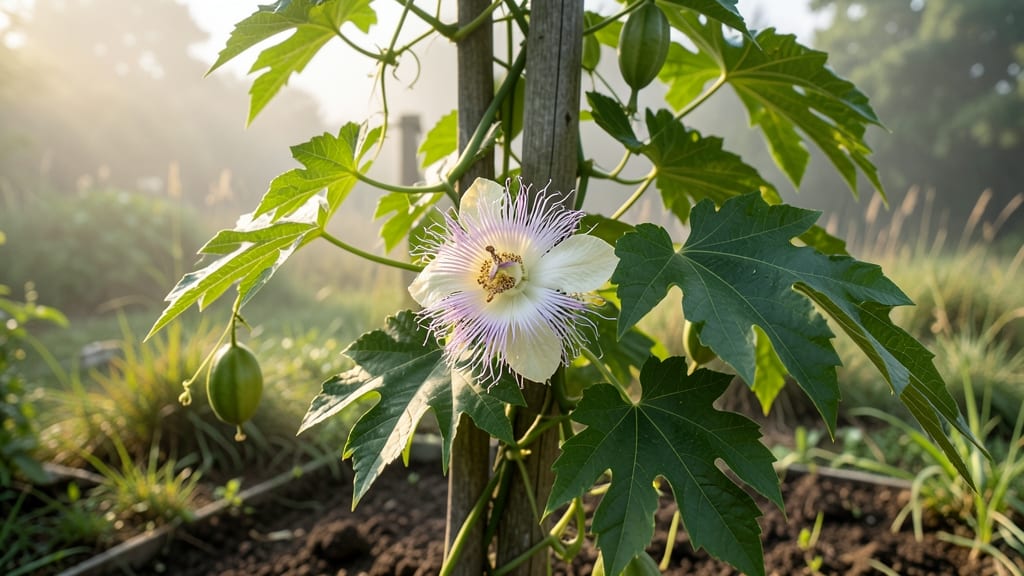
White passion fruit flowers aren’t just stunning—they’re a game-changer for gardeners craving year-round blooms with almost no pruning fuss. 🌿 I’ve grown Passiflora caerulea (the hardy white variety) for years, and it’s the only plant that flowers reliably from spring through fall, even in my Zone 7 garden where other passion fruits flop.
The secret lies in its cold tolerance and aggressive growth habit, which means fewer deadheads and more flowers. This variety thrives in partial shade (morning sun, afternoon protection) and tolerates 50°F nights, making it perfect for cooler climates. The soil just needs good drainage—no fancy amendments required. Pruning?
Just trim back leggy vines in early spring to encourage bushier growth, and you’re done. The flowers themselves are 3-4 inches wide, with delicate white petals and a striking purple center that hummingbirds adore.
By summer’s end, you’ll have clusters of fragrant blooms that last all day, followed by small but sweet-tart fruits (though the real prize is the showstopping flowers). Even in winter, the vines stay semi-dormant but rebound fast in spring. The only downside?
These plants grow fast—expect 10+ feet per season if left unchecked. White passion fruit is low-maintenance compared to tropical varieties, but it still needs consistent watering and occasional pest checks (watch for spider mites).
The care routine is simple: water when the top inch of soil dries, fertilize lightly in spring, and enjoy the blooms. No other vine gives this much drama with so little effort.
📚 In This Guide
- What you need
- Instructions
- Tips and common mistakes
- Wrapping up and next steps
What you need
- ● Passion Fruit Plant: 1 healthy Passiflora edulis (white passion fruit) cutting or potted plant (ensure it’s disease-free and well-rooted).
- ○ Optional: Seeds (if starting from scratch, though cuttings yield faster results).
- ● Well-Draining Soil: 5 gallons of cactus/succulent mix or loamy soil with perlite/vermiculite (50/50 ratio).
- ○ Optional: Compost (1 cup per 5 gallons of soil for extra nutrients).
- ● Container or Garden Space: Container: 1 large pot (15+ gallons) with drainage holes (for indoor/patio growing).
- ● Garden Bed: Full sun exposure (6+ hours daily) with protection from strong winds.
- ● Fertilizer: 1 bottle of balanced liquid fertilizer (10-10-10 or 20-20-20, diluted to half-strength).
- ○ Optional: Organic options like fish emulsion or worm castings.
- ● Pruning Tools: 1 pair of sterilized pruning shears (sharp and clean to prevent disease).
- ○ Optional: Gloves (to protect hands from thorns).
- ● Support Structure: 1 trellis, stake, or cage (6+ feet tall) for vertical growth (passion vines can reach 20+ feet!).
- ● Watering Supplies: Watering can with a rose nozzle (for gentle, deep watering).
- ○ Optional: Drip irrigation system (for automated care).
- ● Temperature: Thrives in 70–85°F (21–29°C) during the day; protect from frost (<32°F/0°C).
- ● Humidity: Prefers 50–70% (mist leaves occasionally in dry climates).
- ● Sunlight: Full sun (6+ hours) is a must—partial shade may reduce flowering.
- ● Patience: White passion fruit flowers typically appear 6–12 months after planting (faster with cuttings!).
Step-by-step instructions for cultivating white passion fruit vines
Here's how to coax those stunning white blooms year-round with a few key adjustments.
🌱 Step 1: Select and Prepare the Right Growing Site
Choose a location with full sun exposure (6-8 hours daily) and well-draining soil—passion vines despise soggy roots. I always test soil pH first (aim for 6.0-7.5) because white passion fruit thrives in slightly acidic to neutral conditions. Amend heavy clay with 3-4 inches of compost mixed into the top 12 inches of soil.
For container growing, select a 15-gallon pot or larger with drainage holes and fill with a blend of 50% potting mix, 30% perlite, and 20% compost. The extra air space prevents root rot, which is the #1 killer of young vines. Plant your vine in early spring after the last frost date in your zone—white passion fruit is frost-sensitive once established.
☀️ Step 2: Provide Optimal Light and Temperature Conditions
White passion fruit vines need bright, direct sunlight to produce abundant blooms. If growing indoors near a window, supplement with a grow light positioned 6-12 inches above the plant for 14-16 hours daily. I've seen vines grow leggy and produce fewer flowers when light is insufficient—watch for pale stems and widely spaced leaves as warning signs.
Maintain daytime temperatures between 65-85°F and nighttime temperatures above 55°F. In hotter climates, provide afternoon shade to prevent leaf scorch. If you're in a cooler zone, use a clear plastic tunnel or row cover during spring and fall to extend the growing season and encourage continuous flowering.
💧 Step 3: Water Deeply and Strategically for Maximum Blooms
Water your white passion fruit vine deeply once weekly (or more often in extreme heat) until water runs freely from the drainage holes. The key is to soak the root zone thoroughly, then allow the top 2-3 inches of soil to dry out before watering again. Overwatering leads to root rot and fewer flowers, while underwatering causes buds to drop.
Mulch around the base with 2-3 inches of organic mulch to retain moisture and regulate soil temperature. I use straw or shredded leaves because they break down slowly and improve soil structure over time. Avoid synthetic mulches—they don't provide the same benefits for long-term vine health.
✂️ Step 4: Prune for Airflow and Encourage Continuous Flowering
Prune your vine in early spring to remove any dead, diseased, or crossing branches. Cut back overgrown vines by one-third to encourage new growth and improve airflow, which reduces the risk of fungal diseases. I always prune just above a leaf node or bud—this ensures the vine will regrow quickly and maintain its vigor.
For maximum blooms, pinch back the tips of new growth when vines reach 3-4 feet long. This redirects the plant's energy toward flower production rather than leafy growth. Remove any suckers (shoots growing from the base of the vine) unless you want to propagate new plants—these divert energy away from your main vine and reduce flowering.
🌿 Step 5: Fertilize for Vibrant Blooms and Fruit Set
Feed your white passion fruit vine with a balanced, water-soluble fertilizer (10-10-10 or 20-20-20) every 4-6 weeks during the growing season. I switch to a low-nitrogen, high-phosphorus fertilizer (5-10-10) when buds begin to form to encourage flowering and fruit set. Always follow the label instructions for application rates—over-fertilizing can burn roots and reduce blooms.
In addition to regular fertilization, side-dress with 1-2 inches of compost in early spring and again after the first harvest. This provides a slow-release source of nutrients that supports continuous flowering and fruiting. Avoid high-nitrogen fertilizers, which promote leafy growth at the expense of blooms—white passion fruit needs a balanced approach to produce its stunning flowers.
Tips & tricks for cultivating stunning white passion fruit vines
Here's what I've learned from years of growing these delicate beauties—small details that make all the difference.
Lighting Strategy: Those 6-8 hours of daily sunlight are non-negotiable, but I've found that positioning your vine near a south-facing window with a grow light on a timer (14-16 hours) can extend the blooming season by 3-4 weeks. The key is maintaining consistent light exposure—rotate your container every few days to prevent lopsided growth. Leggy vines with pale stems are your first warning sign that light is insufficient.
Soil Science: The 6.0-7.5 pH range isn't just a recommendation—it's crucial for nutrient uptake. I test my soil annually and amend with sulfur if it drifts above 7.0. For container growers, mix in 1 tablespoon of Epsom salt per gallon of potting mix every 3 months to boost magnesium, which prevents yellowing leaves between veins. The compost blend (50-30-20) should be well-aged—fresh compost can burn tender roots.
Pruning Precision: That one-third pruning in early spring isn't arbitrary—it's based on the vine's natural growth patterns. I prune just above a leaf node (you'll see little buds there) to encourage branching. For maximum blooms, pinch back at 3-4 feet when you see 4-5 leaf pairs—this triggers lateral shoots where flowers form. Remove any suckers immediately; they're energy vampires that drain resources from your main vine.
Fertilizer Timing: The switch from balanced (10-10-10) to low-nitrogen (5-10-10) when buds appear is critical. I make this transition when I see the first flower buds forming, usually in late spring. Over-fertilizing with nitrogen now will give you lush leaves but no flowers. For container plants, I cut fertilizer applications in half during winter months when growth slows naturally.
Pro Tips for Passion Fruit Flower White
- Here's what I've learned from years of growing these delicate beauties—small details that make all the difference.
- The key is maintaining consistent light exposure—rotate your container every few days to prevent lopsided growth.
- Soil Science: The 6.0-7.5 pH range isn't just a recommendation—it's crucial for nutrient uptake.
Frequently asked questions
Got questions about growing Passiflora edulis with white flowers? We’ve got answers!
Here are the most common queries—from curious gardeners to seasoned growers—about nurturing this tropical beauty with ease.
Why aren’t my passion fruit flowers white?
Most passion fruit varieties produce purple or deep red flowers, but Passiflora edulis ‘Alba’ (the white-flowering type) can revert to purple if stressed. Ensure full sun (6+ hours/day), well-draining soil, and consistent moisture. If flowers stay purple, check for pests or nutrient deficiencies—like low phosphorus.
How long does it take for white passion fruit flowers to appear?
With ideal conditions (warmth, humidity, and support), white flowers bloom 6–12 months after planting. Young vines may take longer. Prune lightly to encourage bushier growth, and fertilize with a balanced mix (10-10-10) every 4–6 weeks to speed up flowering.
Can I grow white passion fruit flowers indoors?
Possible, but challenging! These vines thrive outdoors in USDA Zones 8–11. If you’re in a cooler climate, grow them in large containers (15+ gallons) near a sunny window or under grow lights. Keep temps above 50°F (10°C) and maintain high humidity with a pebble tray or misting.
Will white passion fruit flowers produce edible fruit?
Yes! The ‘Alba’ variety yields white-fleshed passion fruit with a sweeter, tangier flavor than purple varieties. Fruits take 90–120 days to ripen after flowering. Harvest when they’re fully colored and slightly soft to the touch. Pro tip: Use a pair of pruning shears to avoid damaging the vine!
What pests commonly attack white passion fruit flowers?
Watch for aphids, spider mites, and mealybugs, which love tender new growth. Spray leaves with neem oil or insecticidal soap weekly for prevention. For severe infestations, introduce ladybugs (natural predators) or hose off pests with water. Keep the area around vines weed-free to deter hiding pests.
Can I cross-pollinate white and purple passion fruit flowers?
Technically yes, but results are unpredictable! Cross-pollination can lead to hybrid fruits with mixed colors or flavors. If you’re experimenting, use a small paintbrush to transfer pollen between flowers. For consistent harvests, stick to one variety or isolate plants by 10+ feet.
Wrapping up and next steps
Growing white passion fruit flowers is a rewarding journey that brings beauty and tropical charm to your garden with minimal fuss! 🌸 With the right soil, sunlight, and occasional care, you can enjoy vibrant blooms year-round—even if you’re not a seasoned gardener.
Whether you’re drawn to their striking appearance or the delicious fruit they produce, these flowers are a fantastic addition to any outdoor space.
Ready to dive in? Start by gathering your supplies and picking a sunny spot in your garden. Plant your first white passion fruit vine today—your future blooms (and maybe even some tasty fruit!) will thank you.