
Fertilization
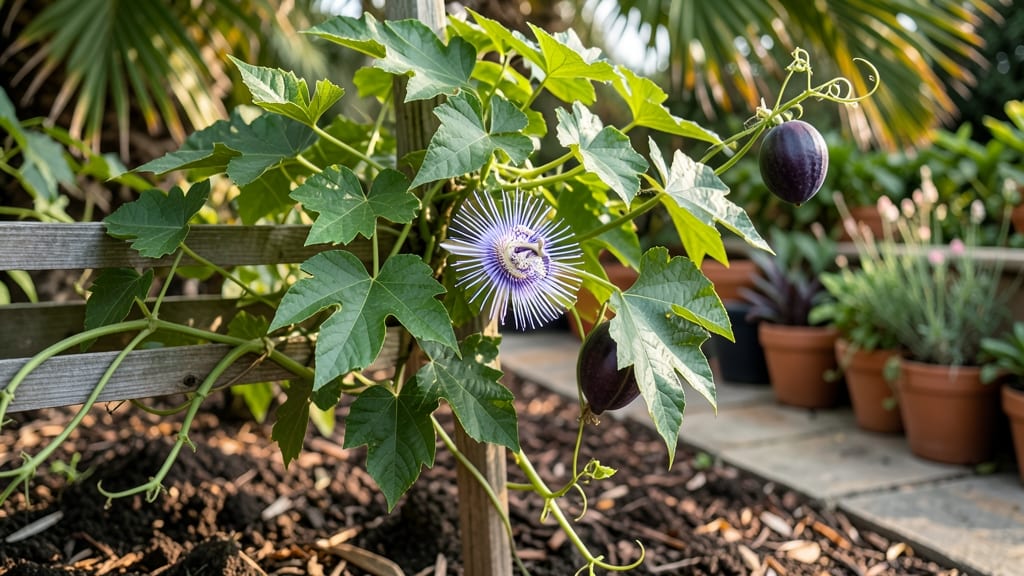
Growing passiflora passion fruit vines from seed to fruit is like unlocking a tropical treasure chest in your backyard. 🌿 The first time I tasted a vine-ripened passion fruit straight off the plant, I knew I’d never buy store-bought again—their sweet-tart burst is nothing like the mealy grocery versions.
These vines thrive in warm climates but can also adapt with the right care, even in containers for cooler zones.
The secret to maximum fruit set lies in mimicking their natural habitat: bright, indirect light, well-draining soil, and a sturdy trellis to guide their rapid growth. I’ve learned that regular feeding with a balanced fertilizer (especially during flowering) and consistent watering—without soggy roots—makes all the difference.
Most beginners struggle with vine management, but with a few simple pruning tricks, you’ll keep them productive and compact.
By late summer, you’ll be harvesting clusters of fragrant, velvety-skinned fruits that attract hummingbirds and bees. The key is patience—it takes about 9-12 months from seed to fruit, but once established, a single vine can produce 50+ fruits per season with proper care.
The real magic happens when you watch those intricate, otherworldly flowers bloom into edible treasure.
Whether you’re growing in the ground or a large container, passiflora passion fruit vines reward curiosity with year-round interest—lush foliage, exotic blooms, and a harvest that tastes like sunshine. Here’s how to set yours up for success, no matter your climate or space constraints.
📚 In This Guide
- What you need
- Instructions
- Tips and common mistakes
- Wrapping up and next steps
What you need
- ● Passion fruit vines: Choose disease-resistant varieties like Passiflora edulis (purple) or Passiflora ligularis (yellow). Buy 1-3 healthy young plants (3-6 months old) from a reputable nursery.
- ● Well-draining soil: A mix of 60% potting soil, 30% coconut coir or peat moss, and 10% perlite/vermiculite (for containers). For in-ground planting, amend clay soil with compost and sand.
- ● Fertilizer: Balanced fertilizer (10-10-10 or 8-3-9): 1 tbsp per plant every 4-6 weeks during growing season.
- ● Organic options: Composted manure (chicken or cow), worm castings, or fish emulsion (follow package instructions).
- ● Citrus/micro nutrient blend: 1 tsp per gallon of water monthly (e.g., Dr. Earth or Espoma products).
- ● Support structure: A 6-8 ft tall trellis, arbor, or sturdy wire cage (passion vines are vigorous climbers!).
- ● Mulch: Straw or wood chips (2-3 inches thick) to retain moisture and suppress weeds.
- ● Gloves & long sleeves: Passion fruit vines have thorns—protect yourself!
- ● Pruning shears: Sharp, sterilized shears for trimming (disinfect with rubbing alcohol between cuts).
- ● Watering can or drip irrigation: Passion fruit loves consistent moisture but hates soggy roots. A soaker hose works great.
- ● pH test kit: Ideal soil pH: 6.0–7.0. Adjust with lime (to raise pH) or sulfur (to lower it) if needed.
- ○ Spray bottle (optional): For misting leaves in dry climates to prevent stress.
- ● Temperature: Thrives in 70–85°F (21–29°C). Protect from frost (<32°F/0°C kills vines). Use row covers or move pots indoors in winter.
- ● Sunlight: Full sun (6+ hours daily). Partial shade in extreme heat (e.g., afternoon shade in desert climates).
- ● Humidity: Prefers 50–70% humidity. In dry areas, group plants together or use a humidity tray.
- ● Wind protection: Passion vines are delicate—plant near a fence or windbreak if outdoor.
- ● Pollination aid: Hand-pollinate flowers with a soft brush if bees are scarce (especially in containers).
- ● Epsom salt: 1 tbsp dissolved in a gallon of water monthly for magnesium boost (prevents yellowing leaves).
- ● Drip irrigation timer: Automates watering for consistency (passion fruit hates drought stress!).
- ● Compost tea: Spray foliar feed every 2 weeks for extra nutrients.
Step-by-step instructions for growing Passiflora passion fruit vines
Here’s how I grow thriving passion fruit vines that produce abundant fruit year-round—no matter your climate.
🌱 Step 1: Select and Prepare the Right Location
Passiflora thrives in full sun (at least 6-8 hours daily) and needs a sturdy trellis or fence to climb—vines can reach 15-20 feet if given space. I choose a south-facing wall or sturdy wooden trellis for support, ensuring the structure can handle the vine’s weight once fruiting begins.
If you’re in a hot, dry climate, provide afternoon shade to prevent leaf scorch. The ideal temperature range for growth is 65-85°F, but vines tolerate brief dips to 40°F if mature. Young plants, however, won’t survive frost—so protect them or grow in containers for mobility.
🪴 Step 2: Plant with Proper Spacing and Soil Conditions
Dig a hole twice as wide as the root ball but only as deep—planting too deep can suffocate the roots. Amend the soil with well-draining compost (I mix in 3-4 inches of compost into the top 12 inches of soil) to encourage strong root development. Passion fruit vines hate soggy roots, so if your soil drains poorly, consider raised beds or containers.
Space plants 8-10 feet apart—this gives vines room to sprawl without competing for nutrients. If growing in containers, use 5-gallon pots minimum with drainage holes. I always add a layer of gravel at the bottom to prevent root rot from excess moisture.
☀️ Step 3: Water Deeply and Establish a Fertilizing Routine
Water deeply once a week during the first 6-8 weeks to encourage root growth, then taper to every 5-7 days once established. You’ll know it’s time to water when the top 2 inches of soil feel dry—passion fruit vines are drought-tolerant once mature but need consistent moisture for flowering and fruiting.
Feed with a balanced, slow-release fertilizer (10-10-10) every 6-8 weeks during the growing season. I switch to a low-nitrogen, high-phosphorus fertilizer (5-10-10) when flowers appear to boost fruit set. Avoid high-nitrogen fertilizers—they promote leafy growth at the expense of fruit.
✂️ Step 4: Prune for Airflow and Fruit Production
Prune in early spring to remove dead or weak growth, then again after harvest to shape the vine. Cut back one-third of the oldest wood annually to encourage new, productive growth. I also trim suckers (shoots growing from the base) to direct energy upward—this prevents overcrowding and improves airflow, reducing disease risk.
When flowers appear, watch for hermaphroditic blooms (the ones that produce fruit)—these have both male and female parts. Remove male-only flowers to save energy for fruit development. Once fruit forms, thin clusters to 2-3 per vine for larger, sweeter passion fruits.
🌿 Step 5: Protect and Pollinate for Maximum Fruit Set
Passion fruit vines rely on bees and hummingbirds for pollination, but in enclosed spaces, you may need to hand-pollinate. Use a soft paintbrush to transfer pollen from one flower’s center to another’s stigma in the morning when blooms are fresh. I do this for 3-5 days after flowers open to ensure fruit set.
Watch for passion vine hoppers and aphids—they can defoliate vines quickly. Spray with neem oil or insecticidal soap at the first sign of pests. In cooler climates, wrap young vines in burlap during unexpected cold snaps to prevent damage.
Tips & tricks for thriving Passiflora passion fruit vines
Here's what I've learned after years of growing these tropical beauties—these details make all the difference between decent vines and fruit-heavy giants.
Sunlight Strategy: While 6-8 hours of sun is the minimum, I've found passion fruit vines actually produce more fruit when they get 8-10 hours daily. The key is positioning: place your trellis where morning sun hits directly, then provide afternoon shade if your climate gets scorching. I use shade cloth (30-50%) on hot afternoons to prevent leaf burn while still allowing light penetration for photosynthesis.
Soil Science: The well-draining compost mix is non-negotiable, but here's the secret: I add a handful of crushed eggshells to the planting hole. The calcium helps prevent blossom end rot in developing fruits, and the gritty texture improves drainage further. If your soil is particularly heavy clay, consider mixing in perlite or coarse sand to create pockets of air around the roots.
Watering Wisdom: Those first 6-8 weeks are critical for root establishment, but I've discovered a trick to prevent overwatering: water in the morning and let the top 2 inches dry completely before watering again. This mimics natural rainfall patterns and encourages deeper root growth. Once established, I actually reduce to every 7-10 days in my dry climate—just check that top 2 inches first!
Pruning Precision: When you're cutting back that one-third of oldest wood in early spring, focus on removing branches that grow inward or cross each other. These create weak points where diseases can enter. I also make my cuts just above a leaf node where new growth will emerge—this ensures you're not leaving stubs that can rot. For fruit-bearing branches, be especially gentle—these are your money-makers!
Pro Tips for Passiflora Passion Fruit
- Here's what I've learned after years of growing these tropical beauties—these details make all the difference between decent vines and fruit-heavy giants.
- Sunlight Strategy: While 6-8 hours of sun is the minimum, I've found passion fruit vines actually produce more fruit when they get 8-10 hours daily.
- Soil Science: The well-draining compost mix is non-negotiable, but here's the secret: I add a handful of crushed eggshells to the planting hole.
Frequently asked questions
Got questions about growing Passiflora passion fruit? You’re not alone!
Here are answers to the most common queries—from planting to troubleshooting—so you can cultivate a thriving vine with ease.
How long does it take for a passion fruit vine to produce fruit?
Passion fruit vines typically take 12–18 months to bear fruit from seed, but grafted plants (like Passiflora edulis) may fruit in 6–12 months with proper care. Patience is key—focus on strong trellising, consistent watering, and balanced fertilization (like our recommended NPK 8-3-9 blend) to speed up maturity.
Can I grow passion fruit in containers, or do I need a garden bed?
Passion fruit thrives in 15–20 gallon containers with drainage holes, especially in cooler climates. Use a well-draining potting mix (like cactus/succulent blend) and a Passiflora-friendly fertilizer (e.g., fish emulsion). Just ensure the container gets 6+ hours of sunlight daily and rotate it weekly for even growth.
How do I protect my passion fruit vine from frost or cold snaps?
Passion fruit is tender to frost (below 32°F/0°C). In colder zones, grow in containers and move indoors (garage, sunroom) or use frost cloths. For in-ground vines, mulch heavily with straw and wrap the base with bubble wrap. If temperatures drop below 20°F (-7°C), prune back damaged growth in spring—new shoots will sprout!
Why aren’t my passion fruit flowers turning into fruit?
Missing fruit? Check these fixes:
- Pollination: Passion fruit flowers are self-pollinating, but hand-pollinate with a paintbrush if needed (especially in greenhouses).
- Nutrients: Yellow leaves? Boost potassium with a banana peel tea or Epsom salt spray (1 tbsp/gallon).
- Stress: Overwatering or root-bound containers can cause flower drop. Ensure soil is moist but not soggy.
- Variety: Some Passiflora (like P. caerulea) produce edible fruit, but P. edulis is the classic choice for sweet, juicy passion fruit.
What’s the best fertilizer schedule for passion fruit vines?
Feed every 4–6 weeks during growing season (spring–fall) with a balanced fertilizer (10-10-10 or 8-3-9), then switch to a low-nitrogen, high-potassium blend (5-10-10) when flowers appear. Avoid high-nitrogen fertilizers—they promote leafy growth but reduce fruiting. Organic options like composted manure or worm castings work too!
Wrapping up and next steps
Growing passiflora passion fruit is a rewarding journey that combines patience, care, and a little tropical flair! 🌱 By mastering fertilization, pruning, and environmental needs, you’ll unlock a bountiful harvest of sweet, vibrant fruit.
Whether you’re a seasoned gardener or a curious beginner, every step you take brings you closer to a thriving vine—and delicious rewards.
Ready to take the next step? Start small:
- Plant a single vine and observe its progress.
- Experiment with fertilization schedules to find what works best for your climate.
- Share your passion fruit journey with fellow gardeners—inspiration grows together!