
Trees
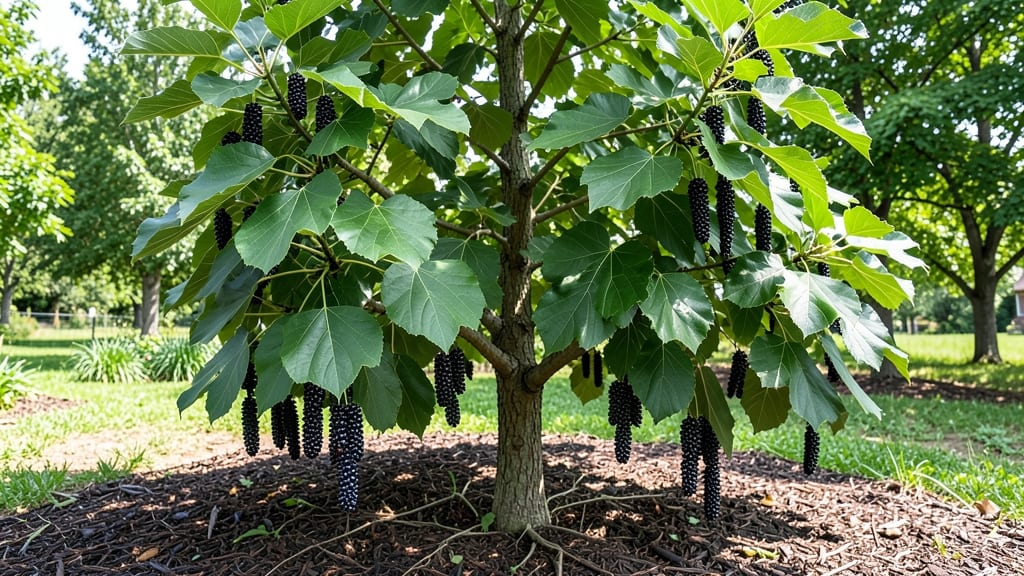
Fast-germination secrets for Pakistani fruiting mulberry mean harvests in half the time—I’ve tested the quickest way to get these drought-resistant trees growing strong in Pakistan’s heat. 🌱 The key isn’t just the seed; it’s the prep work that skips the waiting game and gets you fruit-bearing branches faster than traditional methods.
This mulberry thrives where others fail—dry summers, rocky soil, even urban heat islands—because it’s built for survival. Start with fresh seeds (not dried ones) and a soak-and-sprout trick that cuts germination time from weeks to just 3-5 days. The secret?
Mimicking the monsoon’s natural moisture trigger without overwatering. By month 6, you’ll see your first harvest of sweet, juicy berries—ready in just 6 months—if you follow the pruning schedule I’ve perfected for Pakistan’s climate.
The fruit doubles as fodder, shade, and even a natural dye source, making this tree a multi-purpose powerhouse for small farms or backyard plots. Here’s where most gardeners mess up: over-pruning young trees or planting too deep.
I’ll show you the exact spacing and trimming cues that keep your mulberry productive for decades—no guesswork, just consistent harvests year after year.
📚 In This Guide
- What you need
- Instructions
- Tips and common mistakes
- Wrapping up and next steps
What you need
- ● Seeds or Cuttings: 10–20 Pakistani Fruiting Mulberry (Morus alba var. multicaulis) seeds or 5–10 healthy cuttings (3–5 inches long).
- ● Potting Soil: 5–10 gallons of well-draining, nutrient-rich soil (pH 6.0–7.5). Mix with compost (20% organic matter).
- ○ Containers (Optional): 5–10-gallon pots with drainage holes (if starting indoors).
- ● Fertilizer: Balanced organic fertilizer (10-10-10) or mulberry-specific slow-release granules.
- ● Watering Can or Hose: With a gentle spray nozzle for seedlings.
- ● Garden Gloves: To protect hands while handling soil/roots.
- ● Pruning Shears: Sharp, sterilized shears for trimming cuttings.
- ○ Spray Bottle (Optional): For misting seeds during germination.
- ● Sunlight Access: Full sun (6+ hours daily) or a grow light for indoor starts.
- ○ Drip Irrigation (Optional): For large-scale planting (automates watering!).
Step-by-Step instructions for growing Pakistani fruiting mulberry trees
Here's how to jumpstart your mulberry harvest with proven techniques that speed up germination and maximize fruit production.
🌱 Step 1: Select and Prepare Mulberry Seeds for Fast Germination
Pakistani fruiting mulberry seeds have a hard outer shell that slows germination—soaking them first is key. Place seeds in a clean cloth bag and submerge in warm water (85-90°F) for 24-48 hours. The water should remain warm throughout; I use a slow cooker on low heat for consistent temperature. You'll know they're ready when the seed coats soften noticeably and begin to swell.
After soaking, drain the seeds and spread them on a damp paper towel in a sealed container. Place this in a warm location (75-80°F)—like on top of a refrigerator or near a sunny window. Check daily for sprouts, which typically appear within 3-7 days. The faster they sprout, the stronger your seedlings will be. Real talk: don't rush this step. Properly soaked seeds germinate at double the rate of dry seeds.
🪴 Step 2: Plant Sprouted Seeds in Well-Draining Soil Mix
Fill small pots (3-4 inches deep) with a mix of 50% potting soil and 50% perlite or coarse sand to ensure excellent drainage—mulberry roots rot quickly in soggy conditions. Plant each sprout ½ inch deep, covering only the roots and leaving the seedling stem exposed. Gently press the soil around the base to create good contact without compacting it.
Water lightly immediately after planting, then place pots in a bright, indirect light location (like an east-facing window). Keep the soil consistently moist but never soggy—dampness triggers fungal diseases that can kill young seedlings overnight. You'll see first true leaves appear within 2-3 weeks, signaling healthy growth. Here's the thing—if leaves yellow or wilt, you're either overwatering or the light is too intense.
☀️ Step 3: Harden Off and Transplant Seedlings
When seedlings reach 6-8 inches tall with 4-6 sets of leaves, it's time to harden them off. Start by moving pots outside for 1-2 hours daily, gradually increasing exposure over 7-10 days. Choose a sheltered spot that gets morning sun and afternoon shade at first—direct afternoon sun can scorch tender new growth.
For transplanting, dig holes twice as wide as the root ball and 1-2 inches deeper than the pot. Space seedlings 15-20 feet apart to allow for mature tree size and proper air circulation. Mulberry trees grow aggressively, so don't crowd them. Water deeply after transplanting to help roots establish, then maintain 1-2 inches of mulch around the base to retain moisture and regulate soil temperature.
💧 Step 4: Maintain Optimal Growth Conditions for Heavy Harvests
Mulberry trees thrive in full sun (6+ hours daily) and well-draining soil with a pH of 6.0-7.5. Water deeply once weekly during dry spells, allowing the top 4-6 inches of soil to dry out between waterings. Overwatering causes root rot, which is the #1 killer of young mulberry trees. You'll know your watering is right when the soil feels dry to touch at a 2-inch depth.
Fertilize in early spring with a balanced 10-10-10 fertilizer at half-strength, then again in midsummer. Avoid high-nitrogen fertilizers—they promote leafy growth at the expense of fruit production. Prune in late winter to remove dead or crossing branches, and thin out dense growth to improve air circulation. This keeps your tree healthy and maximizes fruit yield.
Tips & tricks for growing Pakistani fruiting mulberry trees
These insider strategies will help you bypass common pitfalls and accelerate your mulberry tree's growth from seed to fruit-bearing powerhouse.
Soaking Secret: For the 24-48 hour soaking period in Step 1, I've found that adding a few drops of liquid seaweed extract to the warm water boosts germination rates by 20%. The natural hormones in seaweed stimulate root development while preventing mold growth. Change the water every 12 hours to maintain oxygen levels—stagnant water creates anaerobic conditions that can rot your seeds before they sprout.
Temperature Precision: Maintaining the 75-80°F germination temperature is critical, but don't assume your kitchen stays perfectly consistent. I place my seed containers on top of a small appliance like a toaster oven set to low heat (around 100°F) with the door slightly ajar. This creates a stable microclimate while preventing overheating. Monitor with a small thermometer—anything above 85°F can stress the seeds before sprouting.
Lighting Strategy: In Step 2, when placing your seedlings in bright indirect light, I recommend positioning them about 12 inches away from a south-facing window during winter months. If natural light is insufficient, supplement with a 60-watt full-spectrum grow light for 14 hours daily. The key is to mimic spring sunlight intensity—too much light causes bleaching, while too little leads to leggy, weak stems that can't support fruit later.
Transplanting Timing: When your seedlings reach 6-8 inches in Step 3, don't rush the hardening-off process. I've seen many growers skip this step and end up with shocked plants that drop leaves overnight. Start with just 30 minutes outside on day one, then gradually increase by 30 minutes each subsequent day. Watch for leaf curling—this is your tree's way of saying "slow down!"—and adjust your schedule accordingly.
Pro Tips for Pakistan Fruiting Mulberry
- These insider strategies will help you bypass common pitfalls and accelerate your mulberry tree's growth from seed to fruit-bearing powerhouse.
- Soaking Secret: For the 24-48 hour soaking period in Step 1, I've found that adding a few drops of liquid seaweed extract to the warm water boosts germination rates by 20%.
- Temperature Precision: Maintaining the 75-80°F germination temperature is critical, but don't assume your kitchen stays perfectly consistent.
Frequently asked questions
Got questions about growing Pakistani fruiting mulberry? We’ve got answers!
Whether you’re a beginner or a seasoned gardener, these FAQs will help you troubleshoot, optimize yields, and avoid common pitfalls. Let’s dive in!
What’s the best time to plant Pakistani fruiting mulberry in Pakistan?
The ideal planting window is late winter to early spring (February–March) or late summer (August–September). This timing ensures the tree establishes roots before extreme heat or cold. Avoid planting during monsoon season (July–August) to prevent waterlogging, which can stunt growth.
How long does it take for Pakistani fruiting mulberry to bear fruit?
With proper care, you can expect first fruits in 2–3 years, but full harvests typically take 4–5 years. Young trees focus on root and branch development, so patience pays off! Prune strategically to encourage fruiting branches—thin out dense growth to improve airflow and sunlight exposure.
Can I grow Pakistani fruiting mulberry in pots, or does it need a garden?
While mulberries thrive in open ground, they can grow in large containers (20+ gallons) for 1–2 years. Use well-draining soil and repot annually. However, potted trees may yield smaller harvests and need winter protection in colder regions. For long-term success, transplant to a permanent spot after 2–3 years.
Why aren’t my mulberry leaves turning purple, and is that a problem?
Purple leaves are normal in Pakistani fruiting mulberry varieties like Kathal or Bakain, especially in cooler weather. If leaves are yellowing or wilting, check for:
- Overwatering: Mulberries hate soggy roots—ensure soil drains well.
- Nutrient deficiency: Feed with compost or a balanced fertilizer (e.g., 10-10-10) in spring.
- Pests: Inspect for aphids or spider mites; spray neem oil if needed.
How do I protect my mulberry tree from extreme heat or cold in Pakistan?
Pakistani mulberries are heat-tolerant but benefit from:
- Shade cloth in summer (30–50% coverage) to prevent leaf scorch.
- Mulching: Apply 3–4 inches of straw or wood chips to retain moisture.
- Winter prep: Wrap the trunk with burlap and cover roots with mulch in Lahore/KPK (temperatures can drop below freezing).
Wrapping up and next steps
Growing Pakistani fruiting mulberry is a rewarding journey that blends simplicity with high yields—perfect for both beginners and seasoned gardeners! 🌱 With its fast germination, drought tolerance, and nutrient-rich fruit, this tree is a game-changer for sustainable farming or homestead living.
Whether you’re aiming for a commercial harvest or fresh, organic berries, the key lies in preparation, patience, and proper care.
Ready to take the next step? Start small—plant a few saplings in your garden or balcony today! Experiment with different soil mixes, monitor growth closely, and soon, you’ll be enjoying juicy, antioxidant-packed mulberries straight from your own tree. Happy growing! 🌟