
Fertilization
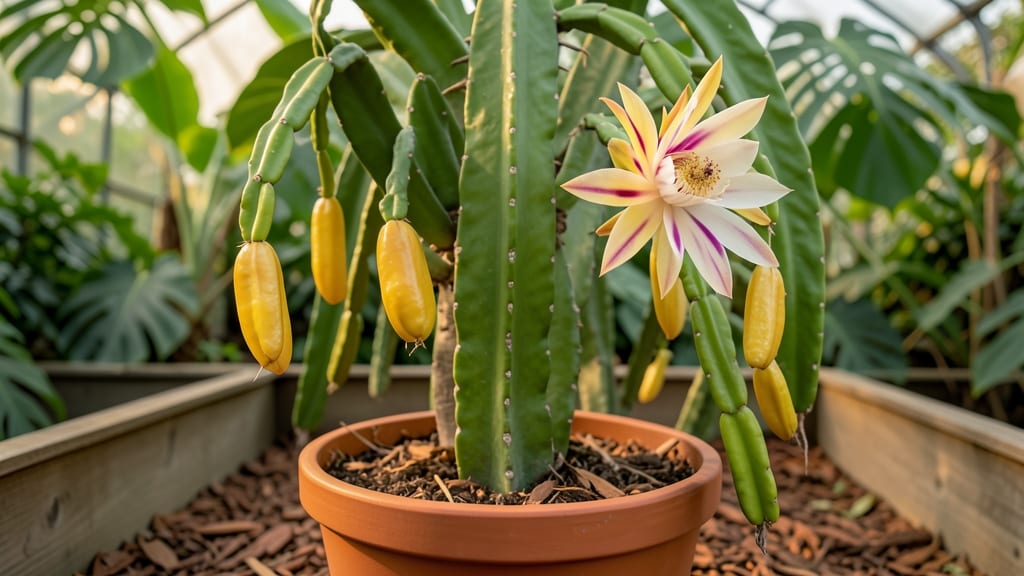
Growing gold dragon fruit from seed gives you vibrant yellow flesh fruit that tastes like tropical sunshine. 🌟 I’ve grown both the red and gold varieties, and the golden one is my favorite—sweeter, milder, and perfect for smoothies or fresh slices.
The catch? It’s a slow grower that needs patience, but the payoff is worth it.
You’ll need a warm climate (zones 10–11) or a bright indoor space with supplemental grow lights. The cactus-like vines thrive in well-draining soil and need minimal water—overwatering is the #1 killer.
Start with seeds or cuttings, and within 2–3 years, you’ll see those iconic dragon fruit blooms appear at night.
The real magic happens when you see the first fruit form—bright yellow skin turning pink at the tips, with flesh so creamy it looks like a dessert. Harvest when the fruit gives slightly to gentle pressure, and you’ll have year-round harvests if you keep the plant happy.
Even if you live in cooler climates, you can grow it in containers and bring it indoors during winter. Just be patient—these plants take time, but once established, they’re nearly indestructible. Ready to start your own tropical harvest?
📚 In This Guide
- What you need
- Instructions
- Tips and common mistakes
- Wrapping up and next steps
What you need
- ● Gold dragon fruit seeds (Hylocereus undatus) – 3–5 seeds (ensure they’re fresh for best germination rates).
- ● Growing containers – 5-gallon pots (minimum) with drainage holes (or a raised bed if planting outdoors).
- ● Well-draining potting mix – 10–15 lbs of a blend designed for cacti/succulents (e.g., 60% cactus mix + 30% perlite + 10% compost).
- ● Slow-release fertilizer – 1 lb of balanced 10-10-10 or organic options like fish emulsion (for initial planting).
- ● Support structure – A trellis, bamboo stakes, or wire mesh (for vining growth; 6–8 ft tall).
- ● Pruning shears – Sharp, sterilized shears for trimming (or a clean knife in a pinch).
- ● Spray bottle – For misting seeds during germination.
- ○ Heat mat or greenhouse setup – Optional but helpful for seeds (75–85°F ideal for germination).
- ● Growth hormones – Root stimulator (like Rootone) to boost seedling development.
- ● pH testing kit – To monitor soil acidity (ideal pH: 6.0–7.0).
- ● Drip irrigation system – For consistent moisture without overwatering.
- ● Mulch – Straw or bark chips to retain moisture and regulate temperature.
- ● Humidity dome – Clear plastic wrap to create a mini greenhouse for seeds.
- ● Garden journal – To track growth stages, watering, and fertilization schedules!
Step-by-Step instructions for growing gold dragon fruit
Let's turn those tiny seeds into vibrant, fruit-bearing vines with this straightforward approach.
🌱 Step 1: Prepare the Seeds for Germination
Gold dragon fruit seeds need a little prep to break their tough outer shell. Soak the seeds in warm water for 24 hours—this softens the seed coat so water can penetrate easily. I like to use a small bowl and cover it with a damp paper towel while waiting. You'll know they're ready when the outer shell looks slightly wrinkled.
After soaking, gently rub the seeds between two paper towels to remove any remaining outer coating. This step helps the seedling emerge faster. Place the prepared seeds in a small container with moistened seed-starting mix, pressing them just below the surface—about ¼ inch deep. Keep the soil consistently damp (not soggy) by misting lightly every other day.
🌿 Step 2: Create Ideal Germination Conditions
Dragon fruit seeds germinate best in warmth and humidity. Place the container in a spot with a consistent temperature of 75-85°F. A seedling heat mat works wonders here—it keeps the soil warm without extra effort. Cover the container with a clear plastic dome or wrap it in plastic wrap to trap moisture. This creates a mini greenhouse effect.
Check the seeds daily for signs of sprouting, which usually takes 2-4 weeks. You'll see tiny white roots first, followed by a small shoot breaking through the soil. Once the first true leaves appear (they'll look like small, rounded shapes), remove the plastic cover immediately to prevent mold. This is the moment that matters: keep the soil moist but not waterlogged now.
☀️ Step 3: Transplant Seedlings to Larger Pots
When seedlings have 3-4 true leaves (about 4-6 weeks after planting), it's time to move them to 5-inch pots filled with a well-draining cactus/succulent mix. Gently remove the seedling from its original container, being careful not to damage the roots. Place it in the new pot and firm the soil lightly around the base to secure it.
Dragon fruit plants need plenty of light to thrive, so position them in a spot with bright, indirect light for the first week. After that, gradually introduce them to direct sunlight for 4-6 hours daily. You'll notice the leaves turning a deeper green and growing more upright once they're getting enough light. Avoid placing them in full sun immediately—this can scorch the tender new growth.
🪴 Step 4: Train the Vine and Support Growth
Dragon fruit vines grow quickly and need support to climb. Once the plant reaches about 12 inches tall, attach it to a sturdy trellis or bamboo stake using soft plant ties. Gently wrap the vine around the support as it grows, guiding it upward. This encourages stronger stems and better fruit production. I like to use a 5-foot tall trellis for indoor growing, which gives the vine plenty of room to spread.
Fertilize the plant every 4-6 weeks with a balanced, water-soluble fertilizer diluted to half strength. Dragon fruit plants are heavy feeders, so they appreciate the extra nutrients. Water deeply when the top 1-2 inches of soil feel dry, but avoid letting the plant sit in waterlogged soil. Yellowing leaves usually mean you're overwatering—let the soil dry out more between waterings.
⏰ Step 5: Encourage Flowering and Fruit Production
Dragon fruit plants typically take 18-24 months to produce fruit from seed, but with the right care, you can speed up the process. Once the vine is established and actively growing, it will start producing flowers. These flowers open at night and close by midday, so you might miss them if you're not watching closely. The flowers are large, white, and fragrant—quite a sight!
To encourage more flowers, provide the plant with bright light for 12+ hours daily and maintain consistent temperatures between 60-90°F. If your plant isn't flowering after a year, it might need a bit of a shock. Reduce watering for a few weeks or move it to a cooler spot (around 55°F) for about a month. This mimics seasonal changes and can trigger flowering. Once flowers appear, hand-pollinate them using a small brush to transfer pollen from one flower to another.
Tips & tricks for growing gold dragon fruit
Here's what nobody tells you about growing these tropical beauties from seed—tricks that'll help you avoid common pitfalls and get the best possible results.
Soaking Secret: For faster germination in Step 1, use warm water that's around 85°F—the same temperature range we aim for later. I've found that adding a drop of liquid seaweed extract to the soaking water boosts early root development. Just make sure to rinse the seeds thoroughly before planting. This step is especially helpful if you're in a cooler climate where germination might take longer.
Temperature Matters: The 75-85°F range in Step 2 is non-negotiable for consistent germination. If your home stays cooler than this, consider using a small greenhouse or placing the container on top of your refrigerator (which often stays warm). I've seen germination times double when seeds sit in temperatures below 70°F. Once you see those first true leaves in Step 2, move the container to a warm spot to prevent chilling the delicate seedlings.
Light Transition Strategy: When moving seedlings to direct sunlight in Step 3, I recommend a gradual approach over 3-4 days rather than the full 4-6 hours immediately. Start with just 1-2 hours of direct sun on day one, then increase by an hour each subsequent day. This prevents sunburn on tender new growth. You'll notice the leaves develop a deeper green color as they acclimate—this is your sign they're ready for more sun exposure.
Flowering Trigger: If your plant isn't flowering after a year (Step 5), try this: Move it to a cooler spot (55°F) for 4-6 weeks during its active growing season, then return it to warmer conditions. This mimics natural seasonal changes and often triggers flowering within 8-12 weeks. I've had success with this method even in indoor growing situations. Just be patient—some varieties need this extra nudge to produce their stunning night-blooming flowers.
Pro Tips for Gold Dragon Fruit
- Here's what nobody tells you about growing these tropical beauties from seed—tricks that'll help you avoid common pitfalls and get the best possible results.
- Soaking Secret: For faster germination in Step 1, use warm water that's around 85°F—the same temperature range we aim for later.
- Temperature Matters: The 75-85°F range in Step 2 is non-negotiable for consistent germination.
Frequently asked questions
Got questions about growing gold dragon fruit?
Here are answers to the most common ones—so you can troubleshoot, optimize, and enjoy a bountiful harvest with confidence!
How long does it take for gold dragon fruit to bear fruit from seed?
Patience is key! Gold dragon fruit (Hylocereus undatus) typically takes 18–36 months from seed to first fruit when grown in ideal conditions (warm climates, full sun, and proper care). Younger plants may take longer, while established vines can fruit sooner if given consistent fertilization and support. Pro tip: Use a trellis early to encourage faster growth!
Can gold dragon fruit survive cold weather?
Gold dragon fruit is tropical and thrives in USDA Zones 10–11 (50–90°F). If you live in cooler areas, grow it in containers and bring it indoors during frost (below 40°F). Without protection, temperatures under 32°F will kill the plant. Alternative: Try growing it under a greenhouse or in a heated garage for year-round success!
How do I know if my gold dragon fruit is ripe and ready to harvest?
Look for these signs: bright golden-yellow skin (not green!), a slightly soft texture when gently squeezed, and a sweet, floral aroma near the stem. Warning: Overripe fruit turns mushy and loses flavor. Harvest with a clean knife—twisting can damage the vine. Store in the fridge for up to 5 days or eat fresh!
Why aren’t my gold dragon fruit flowers opening, even though the plant looks healthy?
No blooms? Check these common issues:
- Lack of sunlight: Needs 6+ hours of direct sun daily—move to a sunnier spot.
- Inconsistent watering: Drought stress or overwatering can delay flowering. Aim for moist (not soggy) soil.
- Nutrient deficiency: Feed with a balanced fertilizer (10-10-10) every 4–6 weeks during growing season.
- Age: Young plants (<1 year) focus on growth, not fruit. Be patient!
What’s the best alternative if gold dragon fruit doesn’t grow well in my climate?
If your zone is too cold, try these low-maintenance alternatives with similar benefits:
- Red dragon fruit (Hylocereus costaricensis)
- Pitaya (Selenicereus megalanthus)
- Passion fruit (Passiflora edulis)
- Strawberries (everbearing varieties)
Wrapping up and next steps
Growing gold dragon fruit from seed is a rewarding journey that brings vibrant color and tropical flair to your garden—no matter the season! With the right fertilization plan, sunlight, and patience, you’ll soon enjoy sweet, nutritious fruit straight from your own backyard. 🌱✨
Ready to take the next step? Start by planting your seeds this week and monitor their progress closely. Once your vines thrive, share your success with fellow gardeners or even experiment with new varieties—your garden adventure is just beginning!