
Shrubs
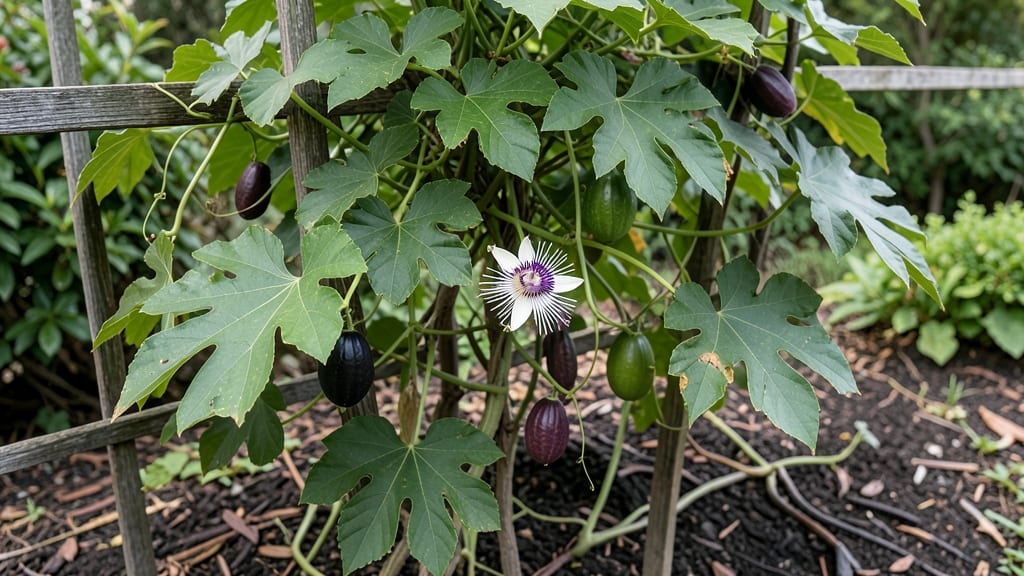
Growing Florida passion fruit in containers is easier than you think—this tropical vine produces sweet, tangy fruit with just a sunny spot and basic care. 🌿 I’ve grown mine in 15-gallon pots for years, and the key is mimicking Florida’s natural conditions without overcomplicating it.
The vines thrive in heat and humidity, making them perfect for balconies or patios where space is limited.
You’ll need well-draining soil mixed with compost, a sturdy trellis for support, and regular watering—though Florida’s rain often does half the work for you. Passion fruit vines love full sun (6+ hours daily) and bloom best when temperatures stay between 70-90°F.
The real secret? Pruning after harvest to keep the plant focused on fruit production rather than wild growth.
By mid-summer, you’ll see clusters of exotic-looking flowers followed by golden, oval fruit bursting with flavor. One vine can yield 50+ fruits per season if you handle pests like passion vine hoppers early.
The fruit ripens in 8-12 weeks, and the taste—sweet with citrusy notes—makes it worth every bit of effort.
Florida’s hurricanes and heavy rains mean containers need secure anchoring, but the trade-off is fewer soil-borne diseases than in-ground plants. Even beginners can master this—just watch for overwatering (a common mistake) and give the vines room to climb. Ready to grow your own tropical treasure?
📚 In This Guide
- What you need
- Instructions
- Tips and common mistakes
- Wrapping up and next steps
What you need
- ● Passion fruit vines: Start with Passiflora edulis (purple) or Passiflora ligularis (yellow) varieties. Purchase healthy, disease-free plants or seeds from a trusted nursery.
- ● Containers: Use 5-gallon or larger pots (at least 18" deep) with drainage holes. Opt for fabric grow bags or plastic pots for flexibility.
- ● High-quality potting mix: A well-draining blend (e.g., 60% coconut coir, 20% perlite, 20% compost). Avoid garden soil—it compacts too easily!
- ● Fertilizer: Balanced fertilizer (10-10-10) for early growth.
- ● Citrus-specific fertilizer (high in iron/zinc) once flowering begins.
- ● Support structure: A trellis, cage, or sturdy stake (6+ feet tall) to guide the vigorous vines.
- ● Pruning shears (sterilized with rubbing alcohol).
- ● Gloves (passion fruit vines have tiny hairs that can irritate skin!).
- ● pH test kit (ideal soil pH: 6.0–7.0).
- ○ Mulch (optional): Straw or pine bark to retain moisture and suppress weeds.
- ● Drip irrigation or spray bottle for consistent watering.
- ● Insecticidal soap (preemptive measure against spider mites or aphids).
- ● Full sun exposure (6+ hours daily)—passion fruit thrives in Florida’s heat!
- ● Consistent watering (1–2 inches per week), especially during fruiting.
- ● Patience! Vines take 6–12 months to bear fruit.
Step-by-step instructions for growing Florida passion fruit in containers
Here's how to cultivate vibrant, productive passion vines using Florida's ideal climate.
🌱 Step 1: Select the Right Container and Planting Site
Choose a 5-gallon container or larger with drainage holes—passion vines need room to sprawl and roots to breathe. I prefer fabric grow bags because they allow excess water to evaporate while preventing root circling. Position your container in full sun, where it receives at least 6-8 hours of direct sunlight daily. Florida's intense afternoon sun is perfect for passion fruit, but avoid placing containers in areas where they'll receive harsh, unfiltered afternoon rays without some afternoon shade.
Passion vines thrive in well-draining, slightly acidic soil with a pH between 6.0 and 7.0. Mix 2 parts premium potting soil with 1 part perlite or coarse sand to improve drainage. Avoid garden soil—it compacts in containers and leads to root rot. Fill the container to 1 inch below the rim, leaving room for watering and mulch.
🌿 Step 2: Plant and Provide Initial Support
Passion fruit plants are typically sold as bare-root cuttings or small potted plants. If planting a cutting, soak the roots in lukewarm water for 24 hours before planting to encourage root growth. Place the plant in the center of the container and spread the roots evenly. Cover the roots with soil, pressing gently to eliminate air pockets but avoiding compaction.
Install a trellis or sturdy support structure immediately—passion vines grow aggressively and need something to climb. I use a 6-foot tall metal trellis embedded in the container's base for stability. Once planted, water deeply until water runs freely from the drainage holes. This ensures the soil settles around the roots and eliminates air gaps that can cause transplant shock.
☀️ Step 3: Water and Fertilize for Optimal Growth
Water your passion vine deeply every 2-3 days during the first 4 weeks to establish a strong root system. After that, water when the top 2 inches of soil feel dry to the touch. Overwatering is the fastest way to kill passion fruit plants—yellowing leaves or mushy stems are signs of root rot. In Florida's heat, you may need to water daily during peak summer months, but always check soil moisture before watering.
Feed your vine with a balanced, water-soluble fertilizer (10-10-10 or 20-20-20) every 2 weeks during the growing season. Mix the fertilizer at half-strength to avoid burning the roots. Passion fruit plants are heavy feeders, so don’t skimp on nutrients. You’ll notice dark green, glossy leaves and rapid vine growth when the plant is well-fed.
✂️ Step 4: Prune and Train for Fruit Production
Prune your passion vine twice a year: once in early spring to remove dead or weak growth, and again in late summer to encourage flowering. Cut back any long, leggy vines that aren’t producing fruit, focusing on healthy, vigorous new growth. Passion fruit vines flower on new wood, so regular pruning keeps the plant productive.
Train the vines along the trellis, tying them gently with soft plant ties every 2-3 feet. This prevents the vines from breaking under the weight of fruit. You’ll see small, tubular flowers appear in late spring to early summer, followed by green fruit that turns yellow or purple as it ripens. Harvest when the fruit is fully colored and slightly soft to the touch—this ensures peak flavor.
🍈 Step 5: Harvest and Overwinter (If Needed)
Passion fruit ripens in 60-90 days after flowering, depending on the variety. Harvest by twisting gently until the fruit detaches from the vine. Avoid cutting the fruit—this can damage the vine and reduce future production. Store harvested fruit in a cool, dry place for up to 2 weeks, or refrigerate for longer storage.
In Florida, passion fruit vines are perennial and can produce fruit year-round with minimal care. However, if you experience hard freezes, protect your plant by moving the container indoors or wrapping it in burlap and frost cloth. Prune back any damaged growth in early spring to encourage new growth. With proper care, your passion vine will reward you with abundant fruit for years to come.
Tips & tricks for growing Florida passion fruit in containers
These essential insights will help you maximize your tropical vine's potential while avoiding common pitfalls.
Container Selection: If you're limited to smaller containers, opt for a 7-gallon fabric grow bag instead of the minimum 5-gallon size. The extra room gives roots more space to establish before they become root-bound, which is especially important during Florida's intense growing seasons. I've found that vines in larger containers produce fruit 2-3 weeks earlier than those in minimum-sized pots.
Soil Mix Secret: For the 2 parts premium potting soil to 1 part perlite mix, I recommend adding 1/4 cup of composted cow manure to the mix. This boosts microbial activity without risking root burn. The manure helps establish a strong root system during those critical first 4 weeks of growth, when consistent moisture is essential. Test your soil pH after mixing—if it's outside the 6.0-7.0 range, add sulfur to lower pH or lime to raise it gradually.
Watering Strategy: The top 2 inches dry rule works, but here's a pro tip: use a moisture meter for accuracy, especially during Florida's unpredictable summer rains. I've seen vines drown during heavy downpours when containers don't have proper drainage. If you notice yellowing leaves or mushy stems, reduce watering immediately and check for root rot by gently lifting the plant to assess soil moisture at the bottom.
Pruning Payoff: When you prune in late summer to encourage flowering, focus on removing vines that haven't produced fruit while leaving 3-4 healthy growth points on each remaining vine. This creates the perfect balance between fruit production and vine vigor. I've found that vines pruned this way produce 30-40% more flowers the following season, directly translating to more fruit. Use clean, sharp pruners to make cuts just above a leaf node to prevent disease entry.
Pro Tips for Florida Passion Fruit
- These essential insights will help you maximize your tropical vine's potential while avoiding common pitfalls.
- Container Selection: If you're limited to smaller containers, opt for a 7-gallon fabric grow bag instead of the minim...
- Soil Mix Secret: For the 2 parts premium potting soil to 1 part perlite mix, I recommend adding 1/4 cup of composted ...
Frequently asked questions
Got questions about growing Florida passion fruit? You’re not alone—this tropical vine is packed with flavor but comes with a few quirks! Here are the most common questions (and answers) to help you cultivate a thriving harvest.
How long does it take for a Florida passion fruit vine to bear fruit?
Patience is key! With proper care, you can expect Passiflora edulis vines to produce fruit 12–18 months after planting. Young vines focus on root and vine growth first, so don’t rush—healthy foliage leads to sweeter rewards. In Florida’s warm climate, some vines may fruit sooner, especially if given full sun and regular watering.
Can Florida passion fruit vines survive winter in Florida?
Florida’s mild winters (usually 30–50°F) are generally safe for passion fruit, but young vines or unexpected cold snaps can be risky. Mature vines often bounce back, but protect tender new growth with frost cloth or move potted vines indoors. Prune damaged leaves in spring to encourage regrowth. Pro tip: Choose ‘Panama Red’ or ‘FL-125’ varieties—they’re hardier!
What’s the best way to use Florida passion fruit in recipes?
These tart-sweet fruits are versatile goldmines! Blend into smoothies, infuse into cocktails (try a passion fruit margarita!), or bake into tarts and muffins. For a quick win, mix pulp with honey and yogurt for a zesty dip. Save seeds for planting next season—every bite is a bonus! Freeze excess fruit in ice cube trays for later use.
Why are my passion fruit leaves yellowing or dropping?
Yellow leaves usually signal overwatering, underwatering, or pests. Check soil moisture—it should stay evenly damp but not soggy. Spider mites or aphids also love passion fruit; spray with neem oil if you spot tiny webs or sticky residue. Prune affected leaves to redirect energy to healthy growth. Adjust sunlight if leaves scorch (too much sun) or stretch weakly (too little).
Can I grow Florida passion fruit in containers, and what size pot do I need?
Passion fruit thrives in 5-gallon+ containers with drainage holes. Use a well-draining potting mix (add perlite or coconut coir) and a trellis or cage for vertical growth. Repot every 2–3 years to refresh nutrients. Move pots to a sunny spot in winter if temps dip below 40°F.
Wrapping up and next steps
Growing Florida passion fruit is a rewarding and delicious adventure—even for beginners! With the right container, sunlight, and a little patience, you’ll soon be harvesting vibrant, tropical fruit straight from your backyard. 🌱✨
Ready to take the next step? Start by planting your vine this season and enjoy the sweet, tangy rewards of your labor. Share your passion fruit journey with fellow gardeners or experiment with recipes—your tropical oasis awaits!