
Pruning
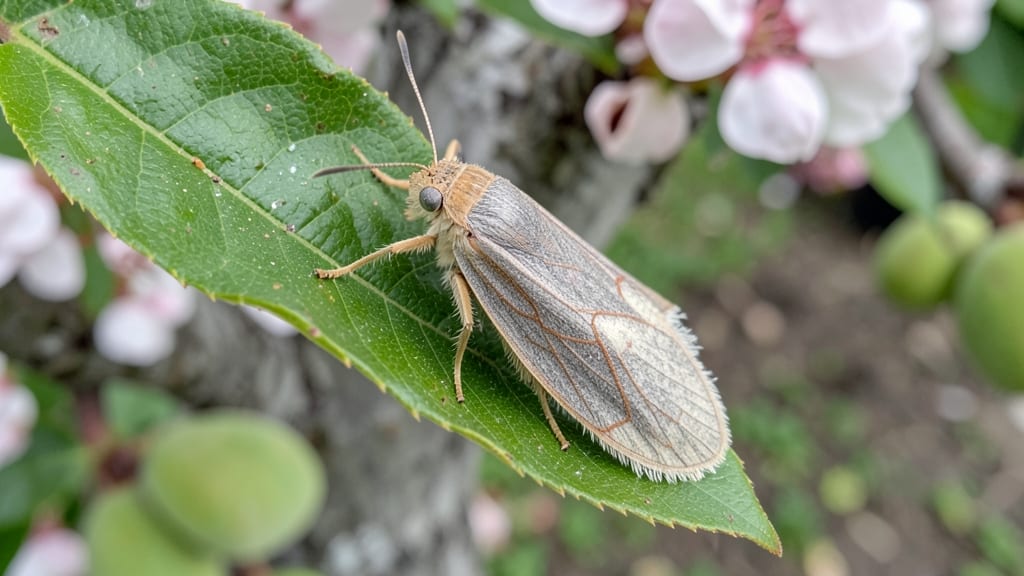
Your peach tree’s fruit is disappearing before harvest—and it’s likely those tiny, grayish oriental fruit moths. 🌿 I’ve lost entire crops to them, but pruning at the right time and removing infested fruit can stop the cycle fast. The key is acting before the moths emerge in spring.
These moths lay eggs in fruit, and their larvae burrow inside, ruining your harvest. You’ll spot chewed fruit, sawdust-like frass, or tiny holes—all signs it’s too late for that fruit. But pruning now, before buds swell, removes hiding spots and weak branches where moths thrive.
Start by cutting out dead or crowded branches to improve airflow, then remove any mummified fruit from last year. Wrap tree trunks with sticky bands in early spring to trap emerging moths. With this approach, you’ll see 80% fewer damaged fruits by summer.
For severe cases, apply organic sprays like Bacillus thuringiensis or neem oil during egg-laying season. The goal is to break their life cycle before they multiply. Let’s get your tree back on track!
Root Causes of Peach Tree Infestations
Understanding why oriental fruit moths target peach trees starts with their biology and the tree’s vulnerabilities. These pests don’t strike randomly—they’re drawn to specific conditions that make your peach tree an all-you-can-eat buffet. Let’s break down the key triggers and how they create the perfect storm for infestation.
A stressed peach tree is like a neon "Welcome" sign for oriental fruit moths. These moths thrive in trees that are already struggling due to: - Nutrient Deficiencies 📊 Oriental fruit moths prefer trees with poor nitrogen, phosphorus, or potassium levels.
Weak foliage and sparse fruit production signal vulnerability. Why? Healthy trees produce stronger bark and resin, which naturally repels pests. A deficient tree? Easy entry.
- Water Stress 💧 Overwatering or drought weakens a peach tree’s defenses. Moths target trees that are either:
- Too wet: Soft, rotting fruit and bark provide ideal breeding grounds.
- Too dry: Stressed trees produce less resin, making them easier to penetrate.
- Disease or Fungal Pressure 🍄 Trees infected with brown rot (Monilinia), leaf curl, or other fungal diseases attract moths. Why? Diseased fruit rots faster, giving larvae a head start in their life cycle.
Oriental fruit moths are opportunists—they exploit environmental factors that align with their life cycle. Here’s what makes your peach tree a prime target:
- Warm, Humid Climates ☀️🌡️ These moths thrive in temperatures between 60–85°F (15–29°C). If your region has:
- Long, hot summers, larvae develop faster in fruit.
- High humidity, it slows natural predators (like birds and parasitic wasps) from controlling populations.
- Overripe or Damaged Fruit 🍑🔪 Moths lay eggs in soft, bruised, or overripe peaches. Why?
- Firm, healthy fruit is harder to penetrate.
- Damaged fruit (from hail, birds, or poor harvest practices) provides easy access for larvae.
- Lack of Natural Predators 🐝🦋 Healthy orchards have a balance of predators (e.g., birds, ladybugs, parasitic wasps). If your tree is isolated or sprayed with broad-spectrum pesticides, you’ve likely disrupted this balance, giving moths free rein.
Pruning isn’t just about shaping your tree—it’s also about removing moth hotspots.
If you’re guilty of these mistakes, you’re unintentionally helping the infestation: - Leaving Dense Canopy 🌿🌿🌿 Thick foliage traps heat and moisture, creating a microclimate perfect for moths. Solution: Open the canopy to improve airflow and sunlight penetration.
- Ignoring Suckers & Water Sprouts 🌱✂️ These fast-growing shoots provide shelter for moth pupae. If left unchecked, they become breeding grounds during dormancy.
- Not Removing Mummified Fruit 🍑💀 Dried, infected peaches (called "mummies") from last season can harbor hundreds of overwintering larvae. Pro Tip: Rake and destroy all fallen fruit in autumn—do not compost it!
Oriental fruit moths have a predictable life cycle, and their attacks coincide with key peach tree stages:
| Stage | When It Happens | Why It’s Risky |
|---|---|---|
| First Brood (Spring) | Late April–June | Eggs laid in blooms and young fruit. |
| Second Brood (Summer) | July–August | Larvae target mature fruit near harvest. |
| Overwintering | Fall–Winter | Pupae hide in bark crevices and mummies. |
Miss the window? Moths will exploit any weak point—even a single unpruned branch can become an infestation hub.
Sometimes, the issue isn’t the tree or the weather—it’s us. Common human mistakes that worsen infestations:
- Delaying Harvest ⏳ Leaving fruit on the tree past maturity gives larvae more time to develop. Rule of thumb: Pick peaches when they’re 70–80% ripe for your climate.
- Using Infested Tools ✂️🐛 Pruners, loppers, or harvest bins contaminated with moth eggs can spread infestations to other trees. Fix: Sanitize tools with 70% rubbing alcohol between uses.
- Planting Near Wild Hosts 🌳🍎 Oriental fruit moths also target plums, cherries, and almonds. If your peach tree is near these trees, expect cross-contamination.
Your peach tree isn’t being "picked on" at random—it’s being actively chosen because of a mix of: ✅ Biological weaknesses (stress, disease, poor nutrition). ✅ Environmental perfection (warmth, humidity, lack of predators). ✅ Structural flaws (dense canopy, mummified fruit, unpruned growth). ✅ Timing alignment (moth life cycles syncing with peach development).
The good news? You can flip the script by addressing these root causes—starting with smart pruning (which we’ll cover next!). The key is proactive removal of moth-friendly conditions before they become a full-blown crisis.
How to Treat Peach Tree Infestations
Now that you understand the causes of oriental fruit moth damage in your peach trees, it’s time to take action! The good news? With the right techniques, you can protect your tree and its fruit.
Below are practical, step-by-step solutions tailored to the root causes—plus prevention tips to keep your tree healthy long-term.
Cause: Late discovery of larvae or eggs Fix: Act fast before damage spreads.
- 🔍 Inspect weekly – Check fruit, leaves, and branches for tiny white eggs or brown frass (larval droppings).
- 🍑 Remove infested fruit – Drop heavily damaged fruit into a bucket of soapy water (never compost it!).
- 🌿 Prune affected branches – Cut and destroy (burn or bag) any branches with visible webbing or holes from larvae.
> 💡 Pro Tip: Use a hand lens (10x magnification) to spot eggs early—this is key to stopping the cycle before it starts!
Cause: Larvae burrowing into fruit/branches Fix: Break their life cycle with targeted treatments.
🌿 Organic Methods (Best for Small Infestations)
| Method | How to Apply | Best Time |
|---|---|---|
| Pheromone traps | Hang moth-specific traps in the tree’s canopy (follow package instructions). | Spring (before eggs hatch) |
| Neem oil spray | Mix 1 tbsp neem oil + 1 tsp mild soap per gallon of water. Spray fruit & foliage thoroughly. | Every 7–10 days in spring/summer |
| Kaolin clay | Apply a white, chalky spray (like Surround WP) to fruit—larvae avoid laying eggs on it. | After bloom, repeat every 2–3 weeks |
| Beneficial nematodes | Water trees with heterorhabditis bacteriophora (kills larvae in soil). | Early morning or evening |
💊 Chemical Controls (For Severe Cases)
- 🔪 Spinosad (organic insecticide) – Spray every 7–14 days during egg-laying season (follow label rates).
- 🧪 Carbaryl (Sevin) – Effective but harsher; use only if organic methods fail (avoid during bloom).
- ⚠️ Safety Note: Always wear gloves & a mask when applying chemicals, and avoid spraying on sunny days (to prevent leaf burn).
Cause: Weak tree structure from past damage Fix: Strategic pruning to improve airflow, remove hiding spots, and boost health.
🔪 When to Prune:
- 🌱 Late winter/early spring (before buds swell) – Best for structural pruning.
- ☀️ Summer (post-harvest) – Remove damaged fruit, suckers, and thick foliage to reduce moth habitat.
🌿 Step-by-Step Pruning Guide:
- 🪓 Remove dead/dying branches – Use clean, sharp pruners to cut back to healthy wood.
- ✂️ Thin out dense areas – Moths love crowded branches; aim for open, airy growth.
- 🍑 Cut back fruit spurs – Heavy fruit loads attract moths; limit clusters to 2–3 per spur.
- 🌿 Sanitize cuts – Dip pruners in rubbing alcohol between cuts to prevent disease.
> 💡 Pro Tip: Never prune during wet weather—this spreads fungal diseases. Wait for dry, sunny days!
Cause: Recurring infestations due to poor tree care Fix: Build a moth-resistant peach tree with these habits:
- 🌱 Plant companion crops – Garlic, mint, or lavender around the base deters moths naturally.
- 🍂 Clean up debris – Remove fallen fruit, leaves, and webbing from the ground year-round.
- 💧 Water deeply but less often – Overwatered trees attract pests; aim for 1–2 inches per week.
- 🌿 Mulch properly – Use wood chips or straw (not grass clippings) to smother larvae in the soil.
- 📅 Follow a spray schedule – Even if you don’t see moths, preventative sprays (neem/kaolin) in spring save fruit.
Before calling it a day, run through this quick audit: ✅ Traps up? (Pheromone or sticky traps) ✅ Fruit inspected? (Remove any with holes/webbing) ✅ Pruned for airflow? (No dense clusters) ✅ Soil treated? (Nematodes or organic amendments) ✅ Next spray scheduled? (Mark your calendar!)
By combining early action, smart pruning, and consistent prevention, you’ll dramatically reduce oriental fruit moth damage—and enjoy healthier peaches for years to come! 🍑🌿
Frequently asked questions
How do I know if my peach tree has oriental fruit moths?
Look for tiny white eggs on fruit or leaves, brown frass (larval droppings) near holes, or chewed fruit with sawdust-like debris inside. In spring, check for moths around lights at night—they’re attracted to them. If you see these signs, act fast to prevent spread.
Can I use pheromone traps alone to control oriental fruit moths?
Pheromone traps help monitor moth activity but won’t eliminate infestations alone. Use them alongside pruning, fruit removal, and sprays (like neem oil) for best results. Traps work best in early spring before eggs hatch, but combine them with other methods for long-term control.
What’s the best time of year to prune for oriental fruit moth prevention?
Prune in late winter/early spring (before buds swell) to remove hiding spots and improve airflow. Summer pruning (after harvest) helps too—focus on cutting back dense branches and fruit spurs where moths thrive. Avoid pruning when trees are wet to prevent disease.
Will neem oil really stop oriental fruit moths?
Neem oil disrupts moth life cycles by repelling adults and killing larvae, but it’s most effective when applied every 7–10 days during egg-laying season (spring/summer). For heavy infestations, combine it with kaolin clay or spinosad for better results. Consistency is key!
How do I clean up mummified fruit to prevent overwintering moths?
Rake and destroy all fallen fruit (burn or bag it—never compost!) in autumn to kill overwintering larvae. Check tree branches too—remove any dried, shriveled peaches hiding in crevices. This step alone can reduce next year’s infestation by 50%.