
Fertilization
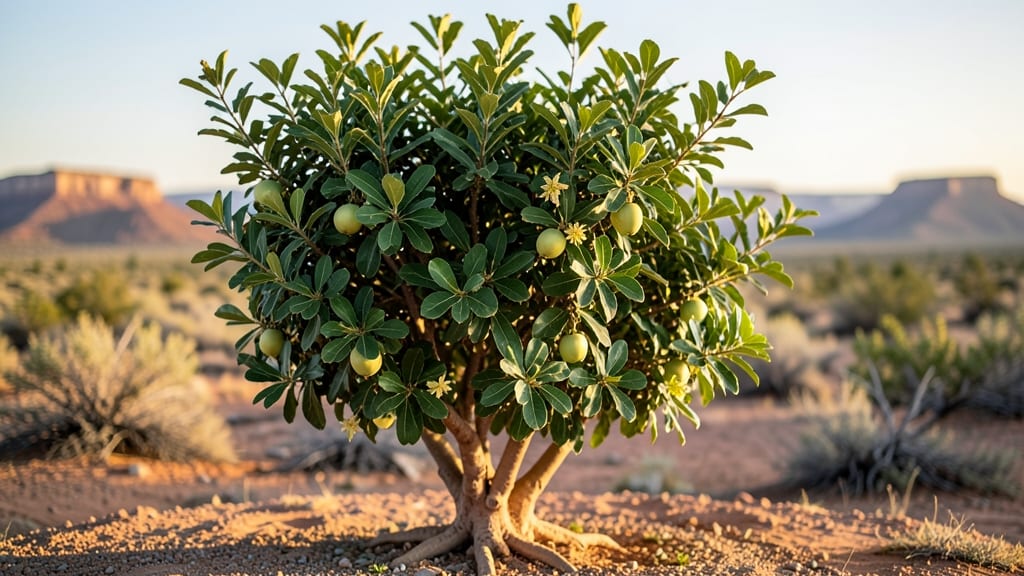
New Mexico fruit trees thrive when you pick the right varieties for this high-desert climate. 🌵 I’ve grown pomegranates, peaches, and figs here for years, and the key isn’t just water—it’s choosing drought-tolerant types that love the heat and sun.
The wrong tree wilts by July; the right one produces fruit even in 100°F+ temperatures.
Start with pomegranates (they handle drought like champs) or figs (which fruit twice a year if you prune right). Soil prep matters too—amend with compost to help retain moisture, and plant in south-facing spots where frost pockets won’t sneak up.
Mulch heavily to keep roots cool, and you’ll see less watering stress all season.
By mid-summer, you’ll be harvesting juicy peaches or sweet figs that taste better than anything from a grocery store. The trick is deep, infrequent watering—think 1-2 inches per week—and watching for aphids (they love figs). With the right care, these trees outperform most commercial varieties.
New Mexico’s microclimates mean your neighbor’s yard might be 10°F warmer than yours. Test your soil, talk to local nurseries (like Santa Fe’s Desert Bloom), and adjust for elevation. Once established, these trees need minimal fuss—just smart watering and occasional pruning.
📚 In This Guide
- What you need
- Instructions
- Tips and common mistakes
- Wrapping up and next steps
What you need
- ● Fruit tree saplings: Choose varieties suited for New Mexico’s climate (e.g., Pecan, Pomegranate, Fig, or Apple—dwarf or semi-dwarf for space efficiency). Quantity: 3–5 trees (or more, depending on space).
- ○ High-quality soil: Amend native soil with compost (2–3 cubic yards per tree) or well-draining potting mix for containers. Optional: Add perlite or vermiculite (10% mix) for arid conditions.
- ● Organic fertilizer: Balanced NPK (10-10-10) or citrus-specific fertilizer (1–2 lbs per tree, applied seasonally). Pro tip: Use compost tea for a nutrient boost!
- ● Mulch: Wood chips or straw (2–3 inches deep, keep 6 inches away from trunk to prevent rot).
- ● Drip irrigation system: Soaker hoses or micro-sprinklers (adjustable for 1–2 gallons per tree per day). Critical: Water deeply but infrequently!
- ● Shovel & garden fork (for planting and soil aeration).
- ● Pruning shears (sterilized with rubbing alcohol).
- ● Grafting tools (if propagating from cuttings—grafting knife + grafting tape).
- ● pH testing kit (ideal soil pH: 6.0–7.0 for most fruit trees).
- ● Sun hat & gloves (New Mexico sun is no joke! 🌞).
- ● Sunlight: Full sun (6+ hours daily). Partial shade only for heat-sensitive varieties like peaches.
- ● Spacing: Follow tree-specific guidelines (e.g., pecans: 40–60 ft apart; dwarf apples: 8–12 ft).
- ● Water access: Ensure a reliable source for deep watering (1–2 times per week in summer).
- ● Local climate knowledge: Check NMSU Extension for zone-specific tips!
Instructions for selecting and planting New Mexico fruit trees
Here's how to pick the right varieties and get them thriving in New Mexico's unique climate.
🌱 Step 1: Choose Drought-Tolerant Varieties for Your Region
New Mexico's arid conditions demand fruit trees that thrive with minimal water. Opt for native or adapted varieties like New Mexico peaches (such as 'Elberta' or 'Redhaven'), apricots ('Blenheim' or 'Tilton'), or pomegranates ('Wonderful' or 'Eversweet'). These varieties have deep root systems that access groundwater efficiently.
Check your specific USDA hardiness zone (New Mexico ranges from 5-9) and elevation—higher elevations need cold-hardy varieties, while lower desert areas benefit from heat-tolerant selections. For example, 'New Mexico peaches' can handle 50°F winters while 'Blenheim apricots' thrive in 60-90°F summers.
☀️ Step 2: Plant During the Cool Season for Optimal Establishment
Plant your fruit trees in late fall or early spring when temperatures are mild (50-65°F). This timing allows roots to establish before summer heat arrives. Dig a hole twice as wide as the root ball but no deeper—planting too deep suffocates roots and causes stress.
Amend the native soil with compost or organic matter (if available) to improve water retention, but avoid heavy amendments that can compact in dry climates. Place the tree at the same depth it was in the nursery container, with the graft union (visible bump on the trunk) 2-4 inches above soil level.
💧 Step 3: Water Deeply and Infrequently to Encourage Deep Roots
New Mexico's dry air means you'll need to water deeply every 7-10 days during the first growing season, then taper to every 2-3 weeks once established. Use a drip irrigation system or soaker hose to deliver water directly to the root zone—avoid overhead sprinklers that waste water through evaporation.
Watch for soil dryness 2-3 inches below the surface as your signal to water. Overwatering in arid climates is just as harmful as underwatering—it encourages shallow roots that can't survive drought. Mulch with 2-3 inches of organic mulch (like wood chips) to retain moisture and regulate soil temperature.
✂️ Step 4: Prune Strategically to Improve Airflow and Fruit Production
Prune young trees in late winter or early spring before new growth begins. Remove dead, crossing, or diseased branches first, then thin the canopy to allow sunlight to penetrate. Aim for an open-center shape that improves airflow and reduces fungal diseases common in New Mexico's humidity fluctuations.
For established trees, prune in late winter to shape the tree and remove water sprouts. Avoid heavy pruning in summer—it stresses trees in the heat. After pruning, apply a light layer of compost around the base to replenish nutrients lost during the process.
🌿 Step 5: Monitor for Common Arid-Climate Pests and Diseases
New Mexico fruit trees face unique challenges like aphids, scale insects, and fungal issues from sudden summer rains. Inspect leaves regularly for signs of pests (sticky residue, curled leaves) or diseases (spots, wilting). Early intervention with neem oil or insecticidal soap prevents outbreaks before they spread.
Pay special attention to fruit fly infestations in late summer—cover young fruit with fine mesh bags if needed. Healthy trees with good airflow and proper watering are far less susceptible to pests, so focus on preventive care rather than reactive treatments.
Tips & tricks for thriving New Mexico fruit trees
These insider secrets will help you navigate New Mexico's challenging climate and grow fruit trees that produce year after year.
Variety Selection Matters: When choosing between 'New Mexico peaches' and 'Blenheim apricots', consider your specific microclimate. Peaches handle 50°F winters beautifully but may struggle in the hottest desert valleys, while apricots thrive in 60-90°F summers but need slightly more winter chill. For higher elevations (above 6,000 feet), look for 'Rio Grande apricots' that tolerate colder nights.
Planting Depth is Critical: The graft union should sit 2-4 inches above soil level—this isn't optional. I've seen many gardeners bury it too deep, which causes the tree to suffocate. Use a stake to mark the original soil line from the nursery container, then plant to match that level exactly. This ensures proper healing and growth.
Watering Wisdom for Arid Climates: That 7-10 day watering schedule during the first year might seem infrequent, but it's essential. Water deeply enough that moisture reaches 12-18 inches below the surface—this encourages roots to grow downward where they can access groundwater. Use a soil probe to check moisture levels rather than relying on a schedule.
Pruning Precision: When pruning in late winter, focus on creating an open center that allows sunlight to reach the inner branches. I recommend removing no more than 25% of the canopy in any single pruning session—heavy pruning in New Mexico's dry climate can shock trees. Always sterilize your pruning tools with rubbing alcohol between cuts to prevent disease spread.
Pro Tips for New Mexico Fruit
- These insider secrets will help you navigate New Mexico's challenging climate and grow fruit trees that produce year after year.
- Variety Selection Matters: When choosing between 'New Mexico peaches' and 'Blenheim apricots', consider your specific microclimate.
- Planting Depth is Critical: The graft union should sit 2-4 inches above soil level—this isn't optional.
Frequently asked questions
Got questions about growing fruit trees in New Mexico’s unique climate? You’re not alone! Here are answers to the most common queries to help you cultivate a thriving orchard—even in arid conditions.
What are the best fruit trees for New Mexico’s hot, dry climate?
New Mexico’s arid conditions favor drought-resistant varieties like pomegranate, fig, persimmon, and peach (choose low-chill cultivars like ‘Redhaven’ or ‘Elberta’). Citrus thrives in the southern regions, while apples and pears need cooler microclimates. Always check USDA Plant Hardiness Zones (5–9) for your specific area!
When is the ideal time to plant fruit trees in New Mexico?
Plant in late fall or early spring (November–March) to avoid extreme summer heat. Bare-root trees establish faster in cooler months, while container-grown trees can be planted year-round with proper watering. Pro tip: Mulch heavily to retain moisture and protect roots from temperature swings.
How often should I water fruit trees in New Mexico’s dry climate?
Water deeply but infrequently—aim for 1–1.5 inches per week (including rainfall). Young trees need weekly watering; mature trees tolerate every 10–14 days once established. Use drip irrigation or soaker hoses to minimize evaporation. Warning: Overwatering causes root rot—check soil moisture 3 inches deep before watering.
Why aren’t my New Mexico fruit trees bearing fruit?
Common causes include:
- Insufficient chill hours: Some varieties need 300–800 hours below 45°F. Try low-chill fruits or microclimate adjustments (e.g., shade cloth in summer).
- Poor pollination: Plant two compatible varieties (e.g., ‘Elberta’ and ‘Redhaven’ peaches). Hand-pollinate if bees are scarce.
- Nutrient deficiencies: Test soil for nitrogen, phosphorus, and potassium. Amend with compost or a balanced fertilizer like 10-10-10 in early spring.
Patience is key—dwarf trees may take 2–3 years to fruit!
Can I grow fruit trees in containers in New Mexico?
Yes! Use large pots (20+ gallons) with drainage holes and a well-draining mix (60% soil, 30% compost, 10% perlite). Dwarf varieties like columnar apples or patio peaches thrive in containers. Move pots to partial shade in summer and protect from high winds. Pro tip: Fertilize monthly during growing season with a low-nitrogen formula to avoid salt buildup.
Wrapping up and next steps
New Mexico’s arid climate may seem challenging for fruit trees, but with the right fertilization strategies, soil prep, and seasonal care, you can enjoy a bountiful, year-round harvest—from peaches to pomegranates! 🌵🍑 The key is adapting techniques like deep watering, organic amendments, and smart pruning to thrive in heat and drought.
Whether you’re a first-time gardener or a seasoned grower, these hacks make it possible to turn your land into a fruiting paradise.
Now that you’re armed with the know-how, roll up your sleeves and get planting! Start small with one tree or variety, track your progress, and soon you’ll be reaping the rewards of your hard work. Happy growing—and may your orchard be as fruitful as the desert sun! 🌞🍇